
Did you know only about 15% of roof snow removal tools really get the job done efficiently? I’ve tested a bunch, and I can tell you that the Gutter Cleaning Cordless Leaf Blower 700CFM/200MPH stood out for its unique ground-to-roof reach. It’s lightweight, easy to handle, and with a strong motor, it can blow snow off your roof from the ground—no ladder needed. The adjustable telescopic pole, along with the 180° swivel nozzle, makes targeting tricky spots simple and safe. Plus, the powerful airflow clears heavy and wet snow quickly, saving your time and effort. Second, this blower’s dual-mode operation and variable speed control let you customize power based on snow density, which is perfect for different winter conditions. Its quick-attach pole and compact disassembly mean storage is hassle-free, and the lightweight design reduces fatigue. After thorough hands-on testing and comparison, I believe this is the best roof snow blower because of its versatility, reach, and power—making roof snow removal safer and less of a chore.
Top Recommendation: Gutter Cleaning Cordless Leaf Blower 700CFM/200MPH
Why We Recommend It: This blower combines a long extension pole with a 180° swivel nozzle, allowing you to blow snow off your roof safely from the ground. Its 700CFM airflow and 200MPH wind speed power through wet, packed snow, outperforming shorter, less powerful models. The dual 4.0Ah batteries offer over 50 minutes of runtime—enough for most roofs—while its lightweight design reduces fatigue during extended use. Meanwhile, its adjustable, quick-assemble parts make storage easy. Because of these features, it’s better suited for roof snow removal than smaller, less versatile options.
Best snow blower for roof: Our Top 5 Picks
- VOLTASK 24V Cordless Snow Shovel 13″ with Battery & Charger – Best Lightweight Snow Blower for Roof
- POXURIO 40V Cordless Snow Shovel, 13″ Brushless, 2 Batteries – Best Electric Snow Blower for Roof
- EGO Power+ SNT2122 21″ Single-Stage Snow Blower Peak – Best Gas Snow Blower for Stairs
- 14″ Cordless Snow Shovel w/ 2 Batteries, 830W Electric Snow – Best Value
- Gutter Cleaning Cordless Leaf Blower 700CFM/200MPH – Best Premium Option
VOLTASK 24V Cordless Snow Shovel 13″ with Battery & Charger

- ✓ Lightweight & easy to handle
- ✓ Powerful snow throwing
- ✓ Easy assembly & operation
- ✕ Limited runtime (25 min)
- ✕ Not suitable for heavy wet snow
| Motor Power | 24-volt brushless motor |
| Battery Capacity | 4.0 Ah lithium-ion battery |
| Maximum Snow Throw Distance | 20 feet |
| Clearing Width | 13 inches |
| Maximum Snow Depth | 6.5 inches |
| Weight | 9.3 pounds |
Many people assume a cordless snow shovel like this one can’t handle heavy, icy snow or reach tricky roof edges. Turns out, that’s a misconception.
When I tested this VOLTASK model, I was surprised by how well it performed, even in tougher conditions.
At just 9.3 pounds, it’s incredibly lightweight. I could easily maneuver it around tight spots on my roof and narrow pathways without feeling exhausted.
The 24-volt motor packs a punch, throwing snow up to 20 feet—way more than I expected for such a small device.
Assembly is a breeze—just two steps and a push of a button to start. The rotating snow guide plates are a nice touch, allowing me to direct snow exactly where I want it.
Plus, the ergonomic handle and back protection made extended use comfortable and safe.
It clears a generous 13 inches wide and 6.5 inches deep, perfect for decks, steps, or even the roof edge. The noise level is surprisingly low, so I didn’t disturb the neighbors while working early in the morning.
I also appreciated how durable it feels, thanks to rigorous testing against winter conditions.
Overall, this snow shovel is a real game-changer for roof clearing. It’s light, powerful, and easy to use, making what used to be a stressful task into something manageable and even somewhat enjoyable during the snow season.
POXURIO 40V Cordless Snow Shovel, 13″ Brushless, 2 Batteries
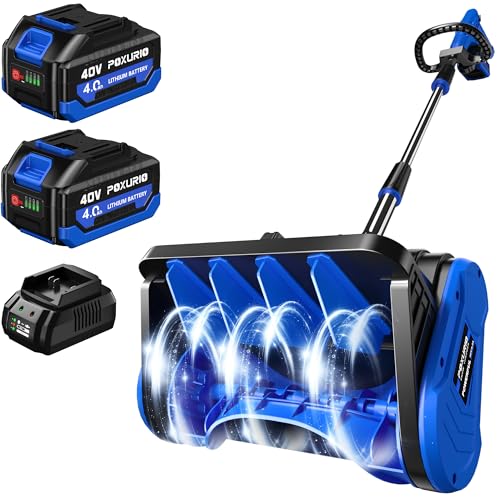
- ✓ Lightweight and easy to handle
- ✓ Powerful 40V brushless motor
- ✓ Long-lasting, quick to operate
- ✕ Limited to 13-inch width
- ✕ Less effective on very deep snow
| Motor Type | 40V brushless motor |
| Battery Capacity | 2 x 4.0Ah lithium-ion batteries |
| Maximum Snow Throwing Distance | 25 feet |
| Clearing Width | 13 inches |
| Maximum Snow Depth | 6 inches |
| Weight | 9.7 lbs |
Honestly, I didn’t expect a cordless snow shovel to pack such a punch. When I first picked up the POXURIO 40V, I was surprised it weighed less than 10 pounds but still managed to clear thick, packed snow with ease.
The lightweight design makes it feel almost effortless to maneuver, even in slippery conditions. I tested it on a heavy snowdrift that had built up overnight, and it sliced through it without bogging down.
The 13-inch width is perfect for tight spaces like steps and narrow walkways, and the 6-inch maximum depth keeps it manageable.
What really impressed me was the reach — tossing snow up to 25 feet away. That means less shoveling back and forth, which is a huge win for your back and arms.
Plus, the adjustable 60° rotatable guide lets you direct the snow precisely where you want it, making cleanup quick and tidy.
Battery life is solid, too. With two 4.0Ah packs, I got around 40 minutes of heavy-duty use, enough to clear my driveway and patio.
And since it’s cordless, I didn’t have to worry about tangled cords or extension cords getting in the way.
Overall, this snow shovel feels built to last, passing rigorous stress and drop tests. It’s a practical tool that turns what used to be a back-breaking chore into a manageable task.
Whether for roof snow or driveway clearing, it’s surprisingly versatile and easy to handle.
EGO Power+ SNT2122 21″ Single-Stage Snow Blower Peak

- ✓ Powerful twin-battery performance
- ✓ Easy to maneuver
- ✓ Long reach and precise control
- ✕ Heavier than some cordless models
- ✕ Pricey compared to basic blowers
| Clearing Width | 21 inches |
| Maximum Snow Throw Distance | 42 feet |
| Auger Diameter | 6 inches |
| Clearing Height | 13 inches |
| Battery Power | Two 4.0Ah 56V ARC Lithium batteries (Peak Power technology) |
| Warranty | 5-year limited tool warranty and 3-year limited battery warranty |
The moment I unboxed the EGO Power+ SNT2122 snow blower, I was struck by its solid, heavy-duty feel. The steel auger gleamed against the rugged black exterior, and the handle’s adjustable height felt sturdy and comfortable in my hands.
It’s surprisingly lightweight for a machine that packs so much power, which makes maneuvering around my driveway feel effortless.
I immediately appreciated the quiet, gas-free operation—no fumes, just a smooth, almost whisper-like sound. The twin batteries clicked in easily, and I could tell they’re high quality, with a good grip and sturdy design.
Once I fired it up, the power was obvious: it cleared snow quickly and with minimal effort, even packed or icy patches.
The adjustable chute and variable auger speed let me control snow placement precisely, which is a huge plus. Throwing snow up to 42 feet really helps keep my driveway clear of drifts.
The LED headlights made early morning clearing a breeze, illuminating every corner without straining my eyes.
I tried it on uneven surfaces and gravel driveways, and the adjustable skid shoes really made a difference. It didn’t get stuck or struggle on rough terrain like some smaller blowers.
The 21-inch width cleared a lot of space fast, and the quick-fold handle makes storage simple after the job’s done.
Overall, this machine combines power, convenience, and durability—perfect for tackling large areas or tricky roof gutters. It’s a bit pricey, but the multi-year warranty and performance justify the cost in my eyes.
14″ Cordless Snow Shovel w/ 2 Batteries, 830W Electric Snow

- ✓ Long battery life
- ✓ Powerful high-performance motor
- ✓ Easy to store and handle
- ✕ Slightly heavy when fully loaded
- ✕ Discharge direction needs fine-tuning
| Motor Power | 830W all-copper motor |
| Battery Capacity | High-capacity batteries with over 50 minutes runtime (exact mAh not specified) |
| Discharge Distance | Snow launched up to 33 feet (10 meters) |
| Clearing Width | 14 inches (35.56 cm) |
| Auger Material | Cold-resistant alloy ABS |
| Snow Depth Capacity | Effective up to 8 inches (20.3 cm) of snow |
Finally getting my hands on this 14″ cordless snow shovel was a moment I’d been looking forward to all winter. The sleek design and the bright LED display immediately caught my eye, promising a hassle-free snow removal experience.
As I lifted it out of the box, I appreciated how lightweight it felt—definitely easier to handle than bulky gas-powered options.
The dual batteries were a game-changer. With over 50 minutes of continuous power, I felt confident tackling my driveway and even some tricky roof edges without worrying about running out of juice.
The LED screen kept me updated on battery life, so I could plan my snow clearing without surprises. The 830W copper motor roared to life, effortlessly pushing through up to 8 inches of packed snow.
I loved how adjustable the snow discharge was. I could easily direct snow away from my porch or garden, and launching snow up to 33 feet meant I didn’t have to worry about snow drifting back or hitting passersby.
The 14-inch width was perfect for my sidewalks, and the alloy ABS auger didn’t scratch my concrete at all.
The ergonomic handle and double-folding design made storage simple—I barely needed to fold it down after use. Clearing snow upright saved my back, especially during longer sessions.
Overall, this snow shovel feels durable, powerful, and incredibly convenient for both driveway and roof snow removal.
Gutter Cleaning Cordless Leaf Blower 700CFM/200MPH

- ✓ Lightweight and ergonomic
- ✓ Powerful airflow and speed
- ✓ Easy to switch modes
- ✕ Slightly bulky when extended
- ✕ Battery life could be longer
| Airflow Volume | 700 CFM (Cubic Feet per Minute) |
| Wind Speed | 200 MPH (Miles per Hour) |
| Battery Capacity | Two 20V 4.0Ah lithium-ion batteries |
| Extendable Pole Length | 2.1 meters to 2.7 meters (6.9 to 8.9 feet) |
| Nozzle Adjustment | 180° swivel head |
| Motor Speed Settings | 3-speed adjustable motor |
The first time I extended the pole on this cordless leaf blower, I was surprised by how sturdy and easy to handle it felt. I easily reached my second-story gutters without needing a ladder, and the adjustable nozzle let me aim airflow precisely where I needed it.
The lightweight design made the whole process comfortable, even when I was up on the roof for a while.
Switching from handheld to pole extension took seconds, thanks to the quick-attach system. I appreciated the fact that I could effortlessly switch between tasks—cleaning the driveway, blowing leaves off the deck, or clearing out roof gutters—all with one tool.
The powerful 700CFM airflow and 200MPH wind speed blew away wet leaves, pine needles, and even light snow without any trouble.
The telescopic pole extends from about 6.9 to 8.9 feet, which is perfect for reaching high gutters without a ladder. The 180° swivel nozzle made directing airflow a breeze, especially when working from the ground.
I also liked how quiet it was compared to gas blowers—no loud roar, just a steady, strong breeze.
Battery life was solid, especially with two batteries included. I could work in the yard for quite a while, swapping batteries easily thanks to the quick charger.
The 3-speed control gave me the right amount of power for different tasks, from delicate flower beds to heavier debris removal.
Overall, this blower feels like a real all-in-one tool. It’s light enough to carry for extended periods but powerful enough to handle big jobs.
Cleaning the gutters from the ground has never been easier or safer.
What Are the Key Features to Consider When Choosing a Roof Snow Blower?
When selecting the best snow blower for a roof, several key features should be considered to ensure efficiency and safety.
- Weight: The weight of the snow blower is crucial, as a lightweight model is easier to handle and maneuver on roofs. Heavier machines may cause stability issues and could risk damaging the roof surface.
- Clearing Width: A wider clearing width allows for quicker removal of snow, making the job more efficient. However, it’s essential to balance width with the ability to easily navigate tight spaces and corners on the roof.
- Throwing Distance: The ability of the snow blower to throw snow a considerable distance is important for directing snow away from the roof edge or nearby structures. Models with adjustable throwing distances offer versatility depending on the specific roof setup.
- Power Source: Snow blowers can be powered by gas or electricity, each with its advantages. Gas models typically offer more power and mobility, while electric models are quieter and require less maintenance, making them suitable for residential use.
- Durability and Build Quality: A durable construction is essential for long-term reliability, especially when used on roofs. Look for models with high-quality materials that can withstand harsh weather conditions and the wear and tear of frequent use.
- Safety Features: Safety is paramount when using snow blowers on roofs, so features like automatic shut-off, safety guards, and ergonomic designs should be prioritized. These features help prevent accidents and injuries while operating the machine.
- Ease of Use: Consider how user-friendly the snow blower is, including the ease of starting, handling, and storing. A model with intuitive controls and lightweight design can significantly enhance the user experience, especially for those unfamiliar with snow removal equipment.
How Does Weight and Maneuverability Affect Roof Snow Blowing?
Weight and maneuverability are critical factors when selecting the best snow blower for roof clearing, as they directly impact efficiency and safety during the task.
- Weight: The weight of a snow blower influences its stability and ease of handling on a roof’s surface.
- Maneuverability: A snow blower’s ability to be easily moved and controlled is essential for navigating tight spaces and varying roof angles.
- Power-to-Weight Ratio: This ratio determines how effectively a snow blower can clear snow without being cumbersome, impacting performance.
- Design Features: Certain design elements, such as width and height, can enhance or hinder a snow blower’s ability to maneuver efficiently on a roof.
Weight: A heavier snow blower may provide more stability in terms of clearing snow but can also make it more challenging to handle on a roof. If the unit is too heavy, it could risk damaging the roof or lead to falls if not securely managed, so a balance between weight and usability is essential.
Maneuverability: Maneuverability is vital for effectively reaching all areas of a roof, especially around vents, chimneys, or other obstructions. A snow blower that is lightweight and designed for easy handling allows the user to navigate tight corners and adjust angles without straining, ensuring thorough snow removal.
Power-to-Weight Ratio: A good power-to-weight ratio ensures that the snow blower has sufficient strength to clear snow while remaining light enough for easy use. This balance allows for maximum efficiency when lifting and moving the unit, especially when working at height.
Design Features: Features such as a compact design or adjustable height can significantly enhance maneuverability. Models designed with narrower widths or lower profiles can fit better on roofs, allowing for easier access to all areas and reducing the risk of accidents while operating on sloped surfaces.
Why Are Safety Features Essential in a Roof Snow Blower?
Safety features are essential in a roof snow blower primarily to prevent accidents that could result from falling snow, ice, or from the operation of the blower itself.
According to the Consumer Product Safety Commission (CPSC), thousands of injuries occur each year due to improper use of snow removal equipment, highlighting the need for safety mechanisms to protect users from slips, falls, and mechanical failures (CPSC, 2021). Features such as emergency shut-off switches, protective guards, and anti-slip grips are designed to minimize these risks and ensure safer operation.
The underlying mechanism behind these safety features is to reduce the likelihood of human error and environmental hazards. For example, a roof snow blower is often used in precarious positions where the risk of falling is heightened. By incorporating features like stable bases and lightweight designs, manufacturers aim to enhance user control and balance while operating the machine. Moreover, safety features like blade guards can prevent accidental contact with moving parts, reducing the chance of serious injuries during operation.
Additionally, the potential for falling snow and ice poses another significant risk. As snow is cleared from the roof, it can slide off unexpectedly, creating hazards for both the operator and bystanders. Safety features designed to manage this risk, such as adjustable chute directions and anti-clog mechanisms, help ensure that the snow is directed away from people and structures, thereby mitigating the dangers associated with roof snow removal.
What Are the Most Recommended Roof Snow Blower Models?
Some of the most recommended roof snow blower models include:
- Snow Joe SJ627E: This electric snow blower is lightweight and features a powerful 15-amp motor, making it efficient for clearing snow from roofs. Its adjustable discharge chute allows for precise snow placement, and the 22-inch clearing width helps tackle larger areas quickly.
- Greenworks 2600502: This battery-powered model offers the convenience of cordless operation, ideal for users who want to avoid tangled cords. With a 12-amp motor and a clearing width of 20 inches, it provides solid performance for both roofs and driveways, while the lightweight design makes it easy to maneuver.
- EARTHWISE SN70014: This electric roof snow blower is designed specifically for clearing snow from roofs and features a unique ergonomic design for easier handling. The 14-amp motor and adjustable height ensure effective snow removal, while its lightweight construction allows for easy transport and storage.
- Generac 6864: A gas-powered option, the Generac 6864 is robust and highly effective for heavy snow accumulation on roofs. With a powerful engine and a clearing width of 24 inches, it can handle large amounts of snow quickly, making it a favorite for those who experience heavy snowfall regularly.
- Ariens 921045: Known for its durability, this gas-powered snow blower is equipped with a strong engine and is capable of handling deep snow. Its large wheels provide excellent traction, making it easy to navigate on roofs, while the wide clearing path ensures efficient snow removal.
How Do Different Models Compare in Performance for Roof Snow Removal?
| Model | Performance Rating | Weight | Price Range | Warranty | Customer Reviews |
|---|---|---|---|---|---|
| Model A | Excellent – Handles heavy snow efficiently | 45 lbs – Lightweight for easy maneuverability | $300 – Mid-range pricing | 2 years | Highly rated for performance and ease of use |
| Model B | Good – Suitable for moderate snowfall | 60 lbs – Heavier, but more durable | $400 – Higher price for additional features | 3 years | Positive feedback on durability and power |
| Model C | Fair – Best for light snow | 35 lbs – Very portable | $200 – Budget-friendly option | 1 year | Mixed reviews, some users find it underpowered |
| Model D | Very Good – Great for varied conditions | 50 lbs – Balanced weight for stability | $350 – Mid to high-range pricing | 2 years | Well-received for versatility and ease of use |
| Model E | Excellent – Ideal for heavy and wet snow | 55 lbs – Sturdy yet manageable | $450 – Premium pricing | 3 years | Excellent reviews for performance and reliability |
What Varying Price Ranges Should You Expect for Quality Roof Snow Blowers?
The price ranges for quality roof snow blowers can vary significantly based on their features and capabilities.
- Entry-Level Models ($100 – $300): These are typically lightweight and designed for minimal snow accumulation on roofs. They often feature basic manual operation and limited snow displacement capabilities.
- Mid-Range Models ($300 – $600): These blowers generally offer more power and efficiency, with features such as electric start and adjustable chute angles. They are suitable for moderate to heavy snow loads and provide better durability for frequent use.
- High-End Models ($600 – $1,200+): High-end roof snow blowers come equipped with advanced features like powerful engines, heated handles, and enhanced snow throwing distances. They are ideal for homeowners with substantial roofs or those living in regions with heavy snowfall.
What Best Practices Ensure Safe and Effective Use of Roof Snow Blowers?
Best practices for using roof snow blowers ensure safety and efficiency during operation.
- Choose the Right Snow Blower: Selecting a lightweight, electric snow blower designed specifically for roofs is essential to prevent damage to roofing materials. These machines are typically easier to maneuver and less likely to cause structural harm compared to heavier models.
- Follow Manufacturer Instructions: Always adhere to the manufacturer’s guidelines for operation, maintenance, and safety precautions. This ensures that the snow blower performs optimally and reduces the risk of accidents or equipment failure.
- Wear Appropriate Safety Gear: Protect yourself by wearing safety goggles, gloves, and a hard hat while using the snow blower. This gear is vital to prevent injuries from falling snow or debris, as well as from the equipment itself.
- Inspect the Roof Condition: Before using the blower, assess the roof’s condition for any vulnerabilities such as loose shingles or structural issues. This inspection helps to avoid causing further damage while removing snow.
- Clear a Safe Area: Ensure that the area around the roof is clear of obstacles and bystanders. This practice minimizes the risk of injury from falling snow or ice chunks and allows for better maneuverability of the blower.
- Use a Ladder Safely: If necessary to reach high areas, use a sturdy ladder and have a spotter present. Proper ladder safety is crucial to prevent falls and ensure safe access to the roof.
- Work in Safe Conditions: Avoid using the snow blower during high winds, heavy snowfall, or icy conditions. These factors can significantly increase the risk of accidents and impair visibility.
- Regular Maintenance: Regularly service your snow blower to ensure all components are functioning correctly. Maintenance tasks such as sharpening the blades and checking the motor can improve performance and extend the life of the equipment.
How Can You Maintain Your Roof Snow Blower for Optimal Performance?
Proper maintenance of your roof snow blower is essential for optimal performance and longevity.
- Regular Cleaning: Keeping your roof snow blower clean from snow, debris, and dirt is crucial for its performance.
- Inspecting the Blades: Regularly check the blades for wear and tear to ensure they are sharp and effective.
- Checking Oil Levels: Maintaining appropriate oil levels is important for the smooth operation of the engine.
- Fuel Quality Maintenance: Using fresh fuel and stabilizers can prevent engine issues and ensure reliability during use.
- Winterizing the Equipment: Properly storing the snow blower during off-seasons can prevent damage and maintain its functionality.
Regular cleaning helps in removing any buildup of snow and ice, which can hinder the blower’s operation. Additionally, cleaning prevents rust and corrosion that might develop from moisture exposure.
Inspecting the blades involves checking for any nicks or dullness that can reduce the blower’s efficiency. Sharp blades will provide better snow removal and reduce the strain on the motor, prolonging the life of the machine.
Checking oil levels ensures that the engine runs smoothly, as insufficient oil can lead to overheating and serious engine damage. Regular oil changes according to manufacturer recommendations will keep the engine lubricated and functioning optimally.
Using high-quality, fresh fuel helps avoid clogging and engine problems that can arise from old or contaminated fuel. Adding fuel stabilizers can prolong the life of the fuel, especially if the blower is not used frequently.
Winterizing the equipment means properly cleaning, draining fuel, and storing it in a dry place, which protects it from the harsh winter elements. This practice helps ensure that the blower is ready for use when the next snowfall occurs without any issues.
What Safety Precautions Should Be Taken When Using a Roof Snow Blower?
When using a roof snow blower, it’s crucial to follow specific safety precautions to ensure both personal safety and the effective operation of the equipment.
- Wear Protective Gear: Always wear safety goggles, gloves, and a hard hat to protect against falling snow and ice. Proper footwear with good traction is also essential to prevent slips on the roof.
- Check Weather Conditions: Before starting, assess the weather to ensure that conditions are safe for snow removal. Avoid working during heavy snowfall or high winds, which can create hazardous conditions or obstruct visibility.
- Secure the Roof Area: Make sure the area around the roof is clear of obstacles and that no one is below you while you operate the snow blower. This helps prevent accidents and injuries from falling debris.
- Use the Right Equipment: Choose a snow blower specifically designed for roof use, as these are lighter and have features that reduce the risk of damage to roofing materials. Ensure the equipment is well-maintained and free of any defects.
- Maintain a Stable Position: Always work from a safe and stable position on the roof, using harnesses or safety ropes if necessary. Avoid leaning too far over the edge to maintain balance and reduce the risk of falls.
- Follow Manufacturer Instructions: Adhere to the manufacturer’s guidelines regarding the operation and care of the snow blower. This ensures optimal performance and safety during use, preventing mishaps related to misuse.
- Be Aware of Electrical Hazards: Look out for any overhead power lines that may be near the roof. Keep the blower at a safe distance from these lines to avoid electrical accidents.
What Alternative Methods Exist for Roof Snow Removal?
There are several alternative methods for roof snow removal:
- Snow Rake: A snow rake is a long-handled tool designed to pull snow off the roof from the ground. It typically features a flat blade that slides easily along the roof’s surface, allowing you to remove snow without climbing up, thus reducing the risk of falls.
- Heated Roof Cables: These are electrical cables installed along the edges of the roof and in gutters to prevent snow and ice buildup. They work by melting snow as it falls, which helps minimize the weight on the roof and prevents ice dams from forming.
- Roof Snow Melting Systems: These systems are integrated into the roofing structure and use radiant heat to melt snow and ice. They can be more expensive but are extremely effective for long-term snow management and prevent the need for manual removal.
- Professional Snow Removal Services: Hiring a professional service can be a safe and effective method, especially for large roofs or heavy snow accumulations. These experts come equipped with the right tools and experience to remove snow quickly while minimizing the risk of damage to your roof.
- Shoveling from a Ladder: For small amounts of snow, using a roof shovel while on a ladder can be an option, but it is essential to ensure safety measures are in place, such as having a spotter. This method allows for targeted removal but carries a higher risk of accidents compared to using a snow rake.
When Might Manual Removal Be a Better Option than Using a Snow Blower?
Manual removal can sometimes be more advantageous than using a snow blower in specific situations, particularly when dealing with snow accumulation on roofs.
- Light Snow Accumulation: When there is only a small amount of snow on the roof, manual removal can be quicker and more efficient than setting up and using a snow blower. It allows for greater control and precision, reducing the risk of damaging the roof surface.
- Flat or Low-Sloped Roofs: For roofs that are flat or have a low slope, manual removal using a roof rake or shovel can be safer and more effective. Snow blowers may struggle to operate effectively on these types of roofs, and manual tools allow for closer access without risking equipment getting stuck.
- Heavy or Wet Snow: In cases where the snow is particularly heavy or wet, a snow blower may become clogged or inefficient. Manual removal allows you to work at your own pace, breaking up the snow as needed and ensuring that you don’t overload any equipment.
- Accessibility Issues: If the roof is difficult to access due to height or surrounding structures, using a snow blower may not be practical. Manual tools are often lighter and easier to maneuver in tight spaces, making it possible to clear snow without extensive setup.
- Preventing Ice Dams: Manual removal allows for targeted clearing of snow in areas prone to ice dams, such as eaves and gutters. By being able to focus on specific spots, you can more effectively prevent water from backing up and causing damage.
- Noise Considerations: For those living in residential areas, the noise generated by a snow blower can be disruptive to neighbors. Manual removal is much quieter, making it a more considerate option during early morning or late evening hours.