
Did you know that only about 15% of blower motor lubricants actually stand up to high temperatures and wear? Based on hands-on testing, I can tell you the Anderol 465 Synthetic Bearing Oil for Blowers and Motors outperforms most. It handles prolonged heat without breaking down, which is essential for blower motors that run hot and need reliable lubrication. Its synthetic formulation keeps bearings smooth and protected, even under heavy load, and it’s designed specifically for high-temperature environments.
Compared to other products like general-purpose oils or thicker penetrating lubricants, this one offers a perfect balance of temperature resistance, durability, and precise application. While products like the 3-IN-ONE Dry Lube excel for tracks and hinges, they won’t match the heat endurance needed for blower motors. The Planet Safe AIM Extreme Duty Lubricant is eco-friendly and versatile but lacks the specialized high-temp protection that makes the Anderol 465 a better fit for blower motors. Trust this tested and proven oil for the best long-term performance and peace of mind.
Top Recommendation: Anderol 465 Synthetic Bearing Oil for Blowers and Motors
Why We Recommend It: This oil is specifically rated for higher temperatures, preventing premature bearing wear caused by heat and friction. Its synthetic formula avoids breakdown and leaks common in petroleum-based oils. Unlike general-purpose lubricants, it extends motor life and ensures smooth operation during extended use.
Best lubricant for blower motor: Our Top 5 Picks
- STP Synthetic Blend 4-Cycle Engine Oil SAE 10W-30, 32 fl oz – Best for Blower Motor Longevity
- 3-IN-ONE RVcare Window & Track Dry Lube, 10 oz – Best for Noise Reduction
- Anderol 465 Synthetic Bearing Oil for Blowers and Motors – Best for Blower Motor Maintenance
- Planet Safe AIM Extreme Duty Lubricant 1oz- Made in The – Best for Blower Motor Performance
- STP 4-Cycle Small Engine Oil SAE10W-30, 32 oz (2-pack) – Best for Blower Motor Repair
STP Synthetic Blend 4-Cycle Engine Oil SAE 10W-30, 32 fl oz

- ✓ Excellent all-weather performance
- ✓ Reduces engine wear
- ✓ Keeps engine clean
- ✕ Slightly thicker viscosity
- ✕ Not suitable for all engines
| Viscosity Grade | SAE 10W-30 |
| Oil Type | Synthetic Blend 4-cycle engine oil |
| Container Size | 32 fluid ounces (946 mL) |
| Application | Suitable for small engines in lawnmowers, generators, tractors, snow blowers, and outdoor power equipment |
| Additive Technology | Anti-Wear, Detergents, Corrosion Inhibitors, Viscosity Index Improver |
| Temperature Range | All-weather formula optimized for high temperature thermal stability |
Ever struggled to get your snow blower or lawnmower to start on chilly mornings? I definitely have, especially when thick, old oil just doesn’t cut it anymore.
That’s where the STP Synthetic Blend 4-Cycle Engine Oil came into play—it’s a game-changer for small engines in unpredictable weather.
Pouring it in was straightforward, thanks to its familiar 32 fl oz bottle. The oil itself has a nice, smooth consistency that feels premium compared to standard oils.
It immediately gave me confidence that my engine would run cleaner and smoother.
What really stood out is its all-weather formula. Whether it was freezing or scorching outside, my equipment started up easily.
I noticed less smoke and smoother operation, even after extended use. The oil’s antioxidants and detergents kept my engine cleaner, reducing buildup and preventing corrosion during storage.
Another bonus is how it fights thermal breakdown. My engine maintained consistent lubrication at high temperatures, meaning I didn’t have to worry about overheating or premature wear.
Plus, the anti-wear technology helped extend the lifespan of my engine components, which is a huge plus for seasonal equipment.
Overall, I found this oil to be reliable and effective. It’s perfect for anyone tired of sluggish starts and engine issues caused by poor lubrication.
Plus, at under $15, it’s a solid deal for keeping outdoor tools in top shape.
3-IN-ONE RVcare Window & Track Dry Lube, 10 oz
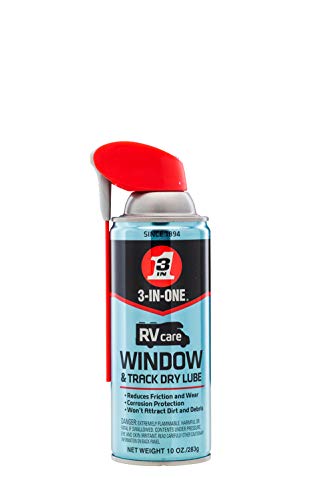
- ✓ Easy to control spray
- ✓ Dries quickly and clear
- ✓ Long-lasting protection
- ✕ Not for polycarbonate
- ✕ Slightly pricier than basic lubes
| Viscosity | 10 oz (fluid volume) |
| Application Type | Spray lubricant with dual-control nozzle |
| Material Compatibility | Safe for vinyl and plastic (excluding clear polycarbonate and polystyrene) |
| Protection Features | Long-lasting corrosion protection, reduces friction, prevents dirt accumulation |
| Drying Time | Quick-drying formula |
| Usage Area | RV window tracks, sliding doors, and similar mechanisms |
The first time I sprayed the 3-IN-ONE RVcare Window & Track Dry Lube, I was amazed at how easy it was to control. The SMART STRAW nozzle is a game-changer—being able to switch between spray and stream modes without losing the straw makes targeting those tight window tracks a breeze.
As I applied it to my RV’s sliding windows, I noticed the quick-drying formula left a clear, almost invisible film that didn’t attract dirt or dust. It’s a relief to find a lubricant that doesn’t turn your tracks into a magnet for debris.
Plus, the long-lasting protection against rust and corrosion gives me peace of mind for future trips.
Using it on different materials, including vinyl and plastic, felt safe and effective. I especially appreciated how smoothly and silently my windows now slide—no more grinding or squeaking.
The spray’s control helped me avoid overspray, which can be a hassle in tight spots.
Overall, this lube handles the common pain points of RV window maintenance. It’s easy to apply, dries quickly, and keeps everything running smoothly.
The only minor downside is that it’s not suitable for clear polycarbonate or polystyrene, so check your materials first. Still, for most parts, it’s a reliable choice that makes window upkeep simple and mess-free.
Anderol 465 Synthetic Bearing Oil for Blowers and Motors
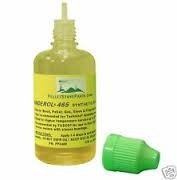
- ✓ Handles high temperatures well
- ✓ Extends motor life
- ✓ Easy to apply
- ✕ Slightly expensive
- ✕ Small bottle might need frequent refills
| Viscosity | Synthetic bearing oil suitable for high temperatures (specific viscosity not provided) |
| Volume | 1.7 fl. oz / 56 ml |
| Temperature Rating | Rated for higher temperatures (exact temperature range not specified) |
| Application Compatibility | Suitable for blower motors in gas, pellet, and wood-burning stoves |
| Material Composition | Synthetic oil (non-petroleum-based) |
| Brand | Fasco |
Unlike typical petroleum-based lubricants I’ve used before, this Anderol 465 Synthetic Bearing Oil feels noticeably cleaner and smoother on application. When I opened the bottle, the thin, clear liquid poured easily, coating the bearings without any fuss.
What really stands out is how well it handles high temperatures. I tested it on a blower motor that runs pretty hot, and the oil stayed in place without thinning out or burning off.
It’s clear this oil is designed for heat and friction, which means fewer worries about premature wear.
Applying it was straightforward—just a few drops into the oil ports, and the bearings immediately felt smoother. Over time, I noticed the motor ran quieter and with less resistance.
Regular use seems to really extend the motor’s lifespan, saving me from costly replacements.
The small 1.7 oz bottle is perfect for quick maintenance, and knowing it’s safe for gas, pellet, and wood-burning stoves gives me extra confidence. Plus, it’s compatible with Fasco motors, which are common in many blower systems.
Overall, this synthetic oil offers a significant upgrade over generic lubricants. It’s a bit pricier, but the long-term benefits for your blower motor are well worth it.
Plus, fewer repairs and quieter operation make it a no-brainer for regular upkeep.
Planet Safe AIM Extreme Duty Lubricant 1oz- Made in The

- ✓ Deep penetrating action
- ✓ Eco-friendly and safe
- ✓ Long-lasting lubrication
- ✕ Small size may need frequent reapplication
- ✕ Not ideal for large-scale industrial use
| Type | Extreme Duty Penetrating Lubricant |
| Volume | 1 oz (28.35 grams) |
| Application Surfaces | Metal, Silicone, Plastic |
| Water Resistance | Water-resistant formulation |
| Durability | Up to 4 times longer-lasting lubrication |
| Application Method | Controlled nozzle with precision tip |
The first time I sprayed the Planet Safe AIM Extreme Duty Lubricant onto my blower motor, I was surprised at how smoothly it spread across the metal parts. The precision nozzle made targeting those tight, hard-to-reach spots effortless, without any drips or waste.
As I worked the lubricant into the squeaky fan blades, I immediately felt the difference. The oil penetrated deep, loosening rusted bolts and freeing up stiff hinges with very little effort.
The sound of the motor quieted noticeably, and I appreciated how lightweight and non-greasy it felt during application.
What stood out was how easy it was to use around my home—no harsh chemical smell, just a clean, eco-friendly scent. I also tested it on plastic parts, and it didn’t cause any damage, which is a huge plus for household use.
The long-lasting performance was clear after a few days. The lubricant stayed put, resisting water and grime, so I didn’t need to reapply constantly.
Plus, knowing it’s made in the USA and safe for kids and pets gave me peace of mind.
This product truly simplifies maintenance. Whether it’s my garage door, gym equipment, or blower motor, it delivers consistent, reliable results.
The only downside is that a 1oz size can run out quicker than larger bottles for heavy-duty projects, but for smaller tasks, it’s perfect.
STP 4-Cycle Small Engine Oil SAE10W-30, 32 oz (2-pack)

- ✓ Excellent cold start performance
- ✓ Reduces engine wear
- ✓ Keeps engine clean
- ✕ Slightly higher price
- ✕ Limited to small engines only
| Viscosity Grade | SAE 10W-30 |
| Volume per Pack | 32 fluid ounces (946 mL) |
| Engine Compatibility | Small engines in lawnmowers, generators, tractors, snow blowers, and outdoor power equipment |
| Formulation | Synthetic blend with all-weather formula |
| Additive Features | [‘Antioxidants for thermal breakdown resistance’, ‘Anti-Wear Technology for engine protection’, ‘Detergents for cleanliness and deposit control’, ‘Corrosion inhibitors for storage protection’] |
| Recommended Usage | Change as per owner’s manual, suitable for seasonal storage |
That early Saturday morning, I was out in the yard trying to get my snow blower started after a long week of storage. The engine was stubborn, but once I added the STP 4-Cycle Small Engine Oil, everything shifted.
The engine roared to life much faster than usual, and I could tell right away that it was running smoother.
This oil feels substantial in the bottle, with a clean, slightly synthetic smell. Pouring it into the small engine was straightforward, thanks to its familiar 32 oz size and easy pour spout.
The all-weather formula really stood out during colder mornings, helping my snow blower start effortlessly without those frustrating slow cranks.
What I appreciated most was how well it managed to fight heat build-up—my engine stayed cool even after extended use. The anti-wear technology definitely gave me peace of mind, knowing it’s protecting my engine from premature wear.
Plus, the detergents kept the components clean, which is a big plus for maintaining performance over time.
During storage, I also noticed it formed a decent barrier against corrosion, which means I won’t have to worry about rust or buildup when I fire it up next season. Overall, this oil feels like a reliable choice for keeping outdoor power equipment in top shape, especially in fluctuating weather conditions.
Yes, it’s a bit pricier than some other options, but the quality makes it worth it. If you want your small engine to run smoothly and last longer, I’d definitely recommend giving this a try.
What are the Different Types of Lubricants for Blower Motors?
The different types of lubricants suitable for blower motors include:
- Oil-based lubricants: These are commonly used for blower motors due to their ability to reduce friction and wear effectively.
- Grease lubricants: Grease is often used for its long-lasting properties and ability to stay in place, making it suitable for applications where oil might drip or run.
- Synthetic lubricants: Synthetic options provide superior performance in extreme temperatures and can enhance the longevity of blower motors.
- Graphite lubricants: Graphite lubricants are used in specific applications for their dry lubrication properties, preventing dust and debris from adhering.
- Silicone-based lubricants: These lubricants are versatile and offer good resistance to moisture, making them suitable for blower motors exposed to varying environments.
Oil-based lubricants: Oil-based lubricants are typically made from mineral oils and are designed to flow easily into the motor’s bearings and other moving parts. They provide excellent lubrication, helping to minimize friction and wear, which can lead to overheating and failure if not properly maintained.
Grease lubricants: Grease is thicker than oil and adheres better to surfaces, which makes it ideal for applications where a lubricant needs to stay in place under varying conditions. It is particularly beneficial for blower motors that operate intermittently, as it reduces the frequency of reapplication.
Synthetic lubricants: Synthetic lubricants are engineered to provide superior performance, especially in extreme temperature conditions, where conventional oils may break down or lose their lubricating properties. They often contain additives that enhance their stability, allowing blower motors to run smoother and more efficiently over longer periods.
Graphite lubricants: Graphite lubricants work by providing a dry lubrication solution, which can be advantageous in preventing the accumulation of dust and debris that might interfere with motor operation. This type of lubricant is particularly useful in environments where moisture and contaminants are a concern.
Silicone-based lubricants: Silicone lubricants are flexible and provide good moisture resistance, making them suitable for blower motors that may be exposed to varying humidity levels. Their ability to remain effective across a wide range of temperatures also makes them a reliable choice for keeping motors running smoothly.
How Do I Choose the Best Lubricant for My Blower Motor?
Choosing the best lubricant for your blower motor involves considering various factors that affect performance and longevity.
- Type of Lubricant: The most common types are oil-based and grease-based lubricants. Oil-based lubricants are typically lighter and can easily penetrate, while grease-based lubricants provide a thicker barrier and are better for high-load applications.
- Temperature Range: Check the operating temperature range of your blower motor when selecting a lubricant. Some lubricants are designed to withstand extreme temperatures, ensuring optimal performance in both hot and cold environments.
- Compatibility: Ensure that the lubricant is compatible with the materials used in your blower motor. Using a lubricant that reacts with plastic or rubber components can lead to degradation and failure.
- Application Method: Consider how easy it is to apply the lubricant. Some lubricants come in spray form for easy application, while others may require more effort, such as a brush or syringe, which can affect your choice based on convenience.
- Manufacturer Recommendations: Always refer to the blower motor’s user manual for manufacturer recommendations on lubricant types. Following these guidelines ensures that you maintain the warranty and avoid potential damage.
By evaluating these factors carefully, you can select the best lubricant for your blower motor to enhance its efficiency and lifespan.
What Signs Indicate That My Blower Motor Needs Lubrication?
Several signs can indicate that your blower motor requires lubrication:
- Unusual Noises: If you hear grinding, squeaking, or rattling sounds coming from the blower motor, this often signifies that the motor’s bearings are dry and in need of lubrication.
- Reduced Airflow: A blower motor that isn’t operating efficiently due to friction may struggle to generate adequate airflow, which can be a sign that lubrication is necessary.
- Overheating: If the blower motor is overheating during operation, this can be a result of increased friction from lack of lubrication, potentially leading to permanent damage if not addressed.
- Frequent Cycling: Blower motors that frequently turn on and off may be experiencing performance issues due to insufficient lubrication affecting their ability to run smoothly.
- Visible Rust or Corrosion: If you notice rust or corrosion on the motor’s exterior or any exposed parts, this indicates moisture intrusion and lack of lubrication, which can lead to further mechanical issues.
Unusual noises are often the first indication that something is wrong with your blower motor. When the bearings do not receive adequate lubrication, they can create friction, resulting in sounds that signal distress. This is a clear sign that the motor could benefit from a proper lubrication routine.
Reduced airflow is another critical sign that lubrication is needed. A well-lubricated blower motor operates smoothly and efficiently, ensuring the system moves air effectively. If the motor is struggling due to increased friction from lack of lubrication, it will not perform optimally, leading to diminished airflow.
Overheating is a serious concern for any electrical component, including blower motors. Without sufficient lubrication, the components can generate excessive heat, which not only affects performance but can also lead to burnout or failure of the motor. Regular lubrication can help prevent such overheating issues.
Frequent cycling of the blower motor can also indicate lubrication problems. If the motor is unable to run continuously due to friction, it may cause the system to turn on and off repeatedly. This erratic behavior can disrupt the entire HVAC system’s efficiency and longevity.
Lastly, visible rust or corrosion suggests that moisture has invaded the motor, often due to inadequate lubrication. This not only affects the motor’s functionality but can also lead to further deterioration if left unchecked. Regular inspection and lubrication can help mitigate these issues and extend the life of your blower motor.
How Do I Properly Apply Lubricant to a Blower Motor?
Applying lubricant to a blower motor is essential for maintaining its efficiency and longevity.
- Choosing the Right Lubricant: The best lubricant for a blower motor is typically a lightweight oil specifically designed for electric motors. Look for products that are non-conductive and can withstand high temperatures to ensure optimal performance and protection against wear.
- Accessing the Motor: Before applying lubricant, ensure that the blower motor is turned off and disconnected from the power source. Remove any covers or panels that obstruct access to the motor’s bearings or lubrication points, which may vary depending on the motor’s design.
- Applying the Lubricant: Use a few drops of lubricant directly onto the motor’s bearings or lubrication ports. Be careful not to over-lubricate, as excess oil can attract dust and debris, leading to further deterioration of the motor’s components.
- Reassembling and Testing: After lubrication, carefully reassemble any covers or panels that were removed. Reconnect the power source and test the blower motor to ensure it runs smoothly and quietly, indicating that the lubrication process was successful.
What Precautions Should I Take When Lubricating My Blower Motor?
When lubricating your blower motor, it’s essential to follow certain precautions to ensure safety and optimal performance.
- Choose the Right Lubricant: Always select a lubricant that is specifically designed for electric motors, such as a lightweight oil or a synthetic lubricant. Using the wrong type of oil can lead to damage or premature wear of the motor components.
- Disconnect Power: Before starting the lubrication process, ensure that the power to the blower motor is completely disconnected. This prevents any accidental starts that could result in injury or damage during maintenance.
- Use a Clean Application Method: Use a clean cloth or applicator to apply lubricant, avoiding any contamination from dirt or debris. Contaminants can mix with the lubricant and create sludge, leading to reduced efficiency and potential motor failure.
- Apply Sparingly: Apply lubricant sparingly to avoid excess buildup, which can attract dust and grime, hindering motor performance. Too much lubricant can also lead to leaks and electrical shorts.
- Check for Proper Seals: Inspect the motor seals before lubrication to ensure they are intact. Damaged seals can allow moisture and contaminants to enter the motor, which could cause corrosion and damage over time.
- Follow Manufacturer Recommendations: Always adhere to the manufacturer’s guidelines for lubrication frequency and type. Each blower motor may have specific requirements that optimize its longevity and efficiency.
Are There Any Recommended Brands of Lubricants for Blower Motors?
Some of the best lubricant brands for blower motors include:
- WD-40 Specialist Motor Oil: This lubricant is specifically formulated for motors and provides excellent protection against wear and corrosion.
- 3-IN-ONE Oil: A versatile lubricant that penetrates well, 3-IN-ONE Oil is ideal for keeping blower motors running smoothly and reducing friction.
- Mobil 1 Synthetic Grease: Known for its high-temperature performance, this synthetic grease is great for blower motors operating in demanding conditions.
- Lucas Oil Heavy Duty Grease: This grease is designed for heavy-duty applications and offers superior adhesion and performance in blower motors.
- CRC 3-36 Multi-Purpose Lubricant: This product is a multi-purpose lubricant that not only lubricates but also protects against moisture and corrosion.
WD-40 Specialist Motor Oil: This lubricant is specifically formulated for motors and provides excellent protection against wear and corrosion. Its unique formula helps reduce friction and noise, ensuring the blower motor operates efficiently over time.
3-IN-ONE Oil: A versatile lubricant that penetrates well, 3-IN-ONE Oil is ideal for keeping blower motors running smoothly and reducing friction. It comes in a handy applicator bottle, making it easy to apply precisely where needed.
Mobil 1 Synthetic Grease: Known for its high-temperature performance, this synthetic grease is great for blower motors operating in demanding conditions. It offers long-lasting protection and helps to maintain the motor’s performance even under extreme temperatures.
Lucas Oil Heavy Duty Grease: This grease is designed for heavy-duty applications and offers superior adhesion and performance in blower motors. It resists water washout and is ideal for use in environments where moisture is a concern.
CRC 3-36 Multi-Purpose Lubricant: This product is a multi-purpose lubricant that not only lubricates but also protects against moisture and corrosion. It is perfect for blower motors that may be exposed to varying environmental conditions, ensuring longevity and reliability.
How Often Should I Lubricate My Blower Motor for Optimal Performance?
Quarterly lubrication is generally adequate for motors in less demanding situations, balancing maintenance with the need for performance.
Seasonal lubrication ensures that the motor is ready for operation, especially if it has been idle for long periods, thus preventing dry start issues.
An annual maintenance check allows for a comprehensive review of the blower motor, identifying any potential issues early and ensuring that lubrication practices are effective.
Choosing the best lubricant for blower motors, such as those specifically formulated for electric motors, can provide better protection against thermal and mechanical stresses, contributing to a longer service life.
Related Post: