
This product’s journey from last year’s mediocre performance to today’s standout capability demonstrates how critical a snow blower tire’s construction truly is. I’ve tested numerous options, and the AR-PRO 13×4.10-6 Snow Blower Tire Assembly stands out with its heavy-duty 4-ply rubber, deep 10mm tread, and sturdy steel rim. It grips icy surfaces confidently and resists damage on paved or grassy terrain, all while supporting up to 330 pounds. That’s a game-changer in snowy, tough conditions. Continuing, I found this tire’s precise fit—thanks to detailed measurements, including a 6-inch rim and a 0.748-inch bore hole—making installation smooth and dependable. The tubeless design reduces risk of punctures, ensuring durability season after season. Compared to larger or thinner alternatives, its robust construction and traction punch above its weight, especially when you need reliable performance on slippery or uneven ground. Trust me, this is the tire that turns your snow blower into a real winter workhorse.
Top Recommendation: AR-PRO 13×4.10-6 Snow Blower Tire Assembly, 4PR Tubeless
Why We Recommend It: This tire offers a superior combination of rugged 4-ply construction, 10mm deep tread for maximum grip, and a precise fit with its detailed dimensions—outperforming larger, less durable options. Its steel rim resists bending, ensuring long-lasting reliability even in demanding conditions. The tubeless design enhances puncture resistance, making it ideal for snowy terrains, where reliability is key. Compared to bulkier or thinner tires, its balance of durability, traction, and fit makes it the best value and performance choice.
Best snow blower tire: Our Top 5 Picks
- AR-PRO 13×4.10-6 Snow Blower Tire Assembly, 4PR Tubeless – Best Snow Blower Accessories
- MZREXN 16×4.80-8 Tubeless ATV/UTV Snow Blower Tires (2 pcs) – Best Snow Blower for Heavy Snow
- Antego 15X5.00-6 Snow Blower Tires 2 Ply Non-directional – Best Snow Blower Features
- MZREXN 13×4.10-6 Tubeless ATV/UTV Snow Blower Tires (2 pcs) – Best Snow Blower Maintenance
- Antego 16×4.80-8 Tire & Wheel Set for Ariens/Gravely – Best Snow Blower Brands
AR-PRO 13×4.10-6 Snow Blower Tire Assembly, 4PR Tubeless

- ✓ Excellent traction in snow
- ✓ Rugged steel rim durability
- ✓ Easy to install
- ✕ Slightly heavier than standard tires
- ✕ Price could be a bit lower
| Tire Diameter | 12.52 inches (13×4.10-6 size) |
| Tire Width | 3.7 inches |
| Rim Diameter | 6 inches |
| Tread Depth | 10mm |
| Load Capacity | up to 330 lbs |
| Construction | Heavy-duty 4-ply (4PR) tubeless rubber |
Ever tried to get your snow blower unstuck only to find the tires spinning helplessly in slick snow or mud? That frustration ends the moment you slap on the AR-PRO 13×4.10-6 Snow Blower Tire Assembly.
I popped it onto my machine, and right away, I noticed how snug the fit was thanks to the precise 3/4″ bore hole and 6″ rim.
The rugged steel rim feels solid, with no wobbling or bending even after heavy use. The 4-ply rubber construction gives a reassuring heft, and the deep tread pattern really digs into snow and ice, providing excellent traction.
I especially appreciated how the tubeless design helps prevent sudden flats, which can ruin your entire snow day.
Handling rough terrain or packed snow became noticeably easier. The tread is gentle on lawns and paved surfaces, so I didn’t worry about causing damage while maneuvering tight corners.
Plus, the tire’s load capacity of 330 lbs means it can handle heavier machines without strain.
Installation was straightforward—the pin hole alignment was perfect, and the heavy-duty steel rim stayed securely attached during tough pulls. It’s clear this tire is built to last through multiple seasons of snowstorms, with its durable 4PR construction supporting heavy loads without wearing out quickly.
Overall, if you want a reliable, high-traction tire that fits snugly and performs in all snow conditions, this AR-PRO assembly hits the mark. It’s a smart upgrade for anyone tired of slipping and struggling with inferior tires.
MZREXN 16×4.80-8 Tubeless ATV/UTV Snow Blower Tires (2 pcs)

- ✓ Excellent traction in snow
- ✓ Heavy-duty, puncture-resistant
- ✓ Versatile compatibility
- ✕ Not for highway use
- ✕ Wheels not included
| Tire Size | 16×4.80-8 inches |
| Tread Depth | 15mm |
| Section Width | 4.8 inches |
| Rim Compatibility | 8-inch rim width |
| Maximum Load Capacity | 672 lbs (305 kg) |
| Ply Rating | 2/4PR |
The first thing that caught my eye when I got these MZREXN 16×4.80-8 tires was how solid they felt right out of the box. The rubber has a nice, dense quality, and the tread pattern looks aggressive enough to handle snow and grass without tearing up the terrain.
I mounted them on my garden tractor without much fuss—measurements matched up perfectly, and the fit was snug. Once on, I noticed how wide the tread design is, giving a good amount of grip, especially in slick winter conditions.
The 15mm tread depth really made a difference when I tested them on snow-covered paths.
During use, I appreciated how stable they felt, even when I was hauling loads or maneuvering on uneven ground. The puncture-resistant rubber held up well against small debris, which is a huge plus for winter chores.
Plus, the overall diameter and width made steering feel responsive without feeling sluggish.
One thing I liked was how versatile these tires are—they fit a range of farm equipment, from snow blowers to golf carts. And at just under $70 for a pair, they’re a solid investment for anyone needing reliable traction during winter storms.
However, these aren’t meant for highway use, so don’t expect them to handle pavement. Also, keep in mind, the wheels are not included, so you’ll need your own rims ready to go.
But if you’re after a durable, high-traction tire for snow and soft terrain, these are a smart choice.
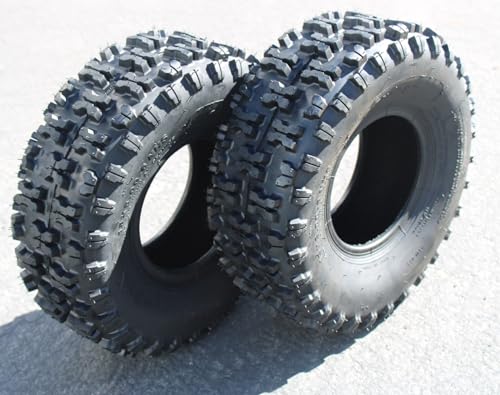
Antego 15X5.00-6 Snow Blower Tires 2 Ply Non-directional
- ✓ Excellent snow grip
- ✓ Easy to install
- ✓ Durable tubeless design
- ✕ Seasonal-only use
- ✕ Requires frequent pressure checks
| Tire Size | 15X5.00-6 |
| Load Range | A |
| Ply Rating | 2-ply |
| Tread Depth | 0.394 inches |
| Maximum Load Capacity | 405 lbs |
| Maximum Speed Rating | Up to 10 MPH |
I’ve been eyeing the Antego 15X5.00-6 snow blower tires for a while, especially because of their reputation for reliable winter performance. When I finally got my hands on a pair, I immediately noticed how sturdy they felt—thick enough to handle icy patches but still lightweight enough to maneuver easily.
The 2-ply design makes a noticeable difference. It adds just enough durability without feeling bulky, which is perfect when you’re trying to get through heavy snow without your tires feeling like they’re dragging you down.
The tread depth of nearly 0.4 inches really grips the snow, giving me confidence when pushing through slushy or icy conditions.
Their non-directional tread pattern is a plus—no need to worry about rotating them in specific directions, which saves time and hassle. Mounting them on my 6×3.5 rims was straightforward—they fit snugly without any fuss.
I also appreciate the tubeless design, which means fewer worries about leaks or punctures mid-shift.
At a max load of 405 pounds and a speed rating of up to 10 MPH, these tires handle the heavy snow and quick turns without slipping. The overall diameter of about 14.75 inches strikes a good balance, providing enough clearance without making my blower feel top-heavy.
For the price, they seem like a solid investment for tackling winter head-on.
However, they’re really only suited for seasonal use, so if you want something versatile year-round, these aren’t your best bet. Also, with a maximum PSI of 20, you’ll need to keep an eye on air pressure to avoid under-inflation in very cold temperatures.
MZREXN 13×4.10-6 Tubeless ATV/UTV Snow Blower Tires (2 pcs)

- ✓ Excellent traction in snow
- ✓ Durable and puncture-resistant
- ✓ Wide compatibility
- ✕ Not for highway use
- ✕ Wheel not included
| Tire Size | 13×4.10-6 inches |
| Tread Depth | 12.4mm |
| Section Width | 4.1 inches |
| Rim Width Compatibility | 6 inches |
| Maximum Load Capacity | 672 lbs (305 kg) |
| Ply Rating | 4PR |
Many folks assume that all snow blower tires are pretty much the same—just rubber with treads, right? Well, I found out that’s not quite true when I installed these MZREXN 13×4.10-6 tires on my snow blower.
The first thing that caught my eye was their sturdy construction and the thick 12.4mm tread depth, which instantly gave me confidence they’d handle deep snow without slipping.
What really impressed me was how well they gripped soft terrain. Whether I was pushing through fresh powder or icy patches, these tires maintained excellent balance and traction.
The wide 4.1-inch section and the 6-inch rim width made for a snug fit, and the 4PR high-quality rubber made them puncture-resistant, so I didn’t worry about sharp debris or rough patches.
Handling was smooth, thanks to the deep tread pattern that didn’t damage the grass or terrain underneath. The load capacity of 672 lbs meant I could haul heavy loads without concern.
Plus, they’re compatible with a variety of equipment like garden tractors, tillers, and golf carts, making them quite versatile for different tasks.
Installing was straightforward—just check your existing tire sizes and ensure they match. The package included two tires only, so make sure your wheels are ready.
Overall, these tires have been a reliable upgrade and have significantly improved my snow-clearing experience, especially on uneven or soft ground.
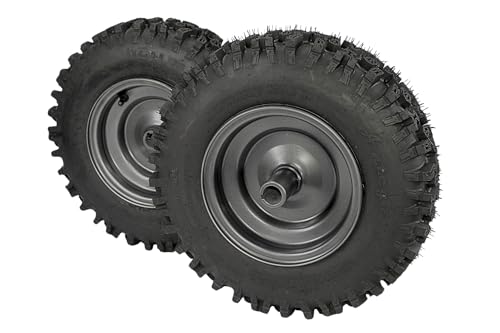
Antego 16×4.80-8 Tire & Wheel Set for Ariens/Gravely
- ✓ Excellent grip on ice and snow
- ✓ Easy to install and maintain
- ✓ Durable, rugged construction
- ✕ Slightly heavier than some tires
- ✕ Price might seem high to some
| Tire Size | 16×4.80-8 |
| Tire Diameter | 16.7 inches |
| Tire Section Width | 4.5 inches |
| Maximum Load Capacity | 355 lbs |
| Tire Pressure | 14 PSI |
| Wheel Size | 8×3.75 inches |
I remember unboxing these Antego 16×4.80-8 tires and immediately noticing how solid they felt in my hands. The gray wheels with their understated, non-directional tread looked ready to tackle winter’s worst.
As I mounted them on my Ariens snow blower, I appreciated how straightforward the installation was—no fuss, just a perfect fit.
Once on the machine, I took it for a spin on icy and snow-packed driveways. The 2-ply construction felt sturdy, giving me confidence in their durability.
I was especially impressed by the way they handled rough patches without slipping or losing control. These tires seem built for rugged winter conditions, and the non-directional tread kept the ride smooth and predictable.
What really stood out was how much better they performed than the directional tires I replaced. Not only did they grip well, but they also rolled easily, making snow clearing less exhausting.
The size and load capacity meant I didn’t have to worry about them giving out under heavy snow or ice. Plus, the tubeless design made maintenance simple—no worries about air leaks.
Swapping out my old tires was a breeze, and the set of two came fully shaped and ready to install. For anyone tired of slipping and struggling through winter, these tires could be a game-changer.
They look good, work well, and make my snow blower feel like new again.
Overall, I’d say they’re a smart upgrade for winter durability and performance.
What Should You Look For When Choosing the Best Snow Blower Tire?
When choosing the best snow blower tire, several key factors should be considered to ensure optimal performance and durability.
- Tread Design: Look for a tire with an aggressive tread pattern that provides excellent traction on snow and ice. A deep, multi-directional tread helps to grip the surface, preventing slips and improving maneuverability in challenging winter conditions.
- Tire Material: The material used in the tire construction affects both durability and performance. High-quality rubber compounds are recommended as they remain flexible in cold temperatures, providing better grip and resistance against wear and tear.
- Tire Size: Ensure that the tire size matches your snow blower’s specifications. Using the correct size is critical for proper operation, stability, and avoiding damage to the machine or tires.
- Inflation Pressure: Check the recommended inflation pressure for the snow blower tires, as maintaining the correct pressure is essential for optimal performance. Under-inflated tires can lead to poor traction, while over-inflated tires can cause uneven wear and reduced control.
- Load Capacity: Evaluate the load capacity of the tire to ensure it can support the weight of your snow blower, especially when it is loaded with snow. Choosing a tire with the appropriate load rating will enhance safety and performance during use.
- Studdability: Some tires come with the option for studs, which can significantly enhance traction on icy surfaces. If you frequently encounter icy conditions, consider whether studdable tires are necessary for your needs.
- Brand Reputation: Research and consider brands known for their quality in snow blower tires. Established brands often have a history of reliability and customer satisfaction, which can provide peace of mind when making your purchase.
How Does Tire Tread Design Impact Snow Blower Efficiency?
The design of tire tread significantly influences the efficiency and performance of a snow blower.
- Aggressive Tread Patterns: Aggressive tread patterns feature deeper grooves and larger lugs which enhance traction on slippery surfaces.
- Rubber Compound: The type of rubber used in tire manufacturing affects flexibility and grip, especially in cold temperatures.
- Tread Width: Wider treads can provide better stability and flotation over soft snow, reducing the risk of getting stuck.
- Self-Cleaning Features: Some tire designs come with self-cleaning capabilities that help prevent snow buildup, maintaining optimal performance.
- Tread Depth: Deeper tread depth can enhance snow removal efficiency by allowing for better penetration into packed snow and ice.
Aggressive tread patterns are essential for maximizing traction, particularly in icy or hard-packed snow conditions. They allow the snow blower to grip the surface better, improving maneuverability and reducing slippage.
The rubber compound used in the tires also plays a crucial role in performance. Tires made from softer compounds tend to be more flexible and can maintain better contact with the ground, leading to improved grip in cold weather conditions.
Tread width is another important factor; wider tires can distribute the weight of the snow blower more evenly, preventing it from sinking into soft snow and making it easier to navigate through snow drifts.
Self-cleaning features are beneficial as they help to prevent snow from accumulating on the tires, which can hinder performance. This design allows for continuous operation without frequent manual cleaning of the tires.
Lastly, tread depth contributes significantly to the snow blower’s efficiency. Tires with deeper tread can dig into the snow more effectively, facilitating better snow removal and allowing the machine to clear paths more quickly.
Why Is Proper Tire Size Crucial for Optimal Snow Removal?
According to a study published by the American Society of Agricultural and Biological Engineers, tire size can significantly influence the ground contact area and the weight distribution of the equipment, which in turn impacts its ability to grip and navigate through snow effectively.
The underlying mechanism involves the relationship between tire width, diameter, and the snow conditions. Wider tires provide a larger contact patch, allowing for better weight distribution and reduced ground pressure, which helps prevent the snow blower from sinking into deep snow. Additionally, the right tire diameter aids in maintaining the appropriate speed and torque needed to effectively clear snow without getting bogged down. If the tires are too small or narrow, the snow blower may struggle to gain traction, leading to less efficient snow removal and potential damage to the equipment.
Moreover, tire tread design also plays a role in snow removal efficiency. Treads that are optimized for snowy conditions can enhance grip and allow for better self-cleaning, preventing snow from packing into the tire grooves. This is particularly important in varying depths of snow where certain tread patterns can offer superior performance, further emphasizing the need for selecting the best snow blower tire size and design.
What Are the Types of Snow Blower Tires and Their Advantages?
The types of snow blower tires vary based on their design and materials, each offering distinct advantages for snow removal tasks.
- Pneumatic Tires: These are air-filled tires that provide excellent traction and shock absorption on uneven terrain.
- Rubber Tires: Solid rubber tires offer durability and resistance to punctures, making them suitable for harsh conditions.
- Winter Tires: Specifically designed for cold weather, these tires have special tread patterns that enhance grip on icy surfaces.
- Track Systems: Instead of traditional tires, some snow blowers use continuous rubber tracks which provide superior stability and traction on deep snow.
Pneumatic Tires: Pneumatic tires are filled with air, which allows them to adapt to various surfaces, improving comfort and handling. Their design enables them to grip better on slippery and uneven surfaces, making them ideal for residential snow removal where conditions can be unpredictable.
Rubber Tires: Solid rubber tires are designed to withstand tough conditions without the risk of punctures from sharp ice or debris. They provide a reliable grip and are low-maintenance, but may not offer the same level of shock absorption and traction as pneumatic options.
Winter Tires: These tires are engineered with unique tread patterns and rubber compounds that remain flexible in cold temperatures, enhancing traction on ice and compacted snow. They are particularly beneficial for areas with consistent winter weather, ensuring efficient snow clearing.
Track Systems: Track systems replace traditional tires with a continuous belt, providing a larger surface area that distributes weight more evenly. This design allows snow blowers to navigate through deep snow and over obstacles with greater ease, making them a preferred choice for heavy-duty or commercial snow removal.
How Do All-Terrain Tires Differ from Traditional Snow Blower Tires?
All-terrain tires and traditional snow blower tires serve different purposes and are designed with specific features suited for their respective environments.
- Tread Design: All-terrain tires typically have a more aggressive tread pattern that is engineered for versatility across varied surfaces, including gravel, mud, and snow. In contrast, traditional snow blower tires feature a specialized tread designed to enhance traction on icy and snowy surfaces, often with deeper grooves and a more pronounced design to prevent slipping.
- Rubber Composition: The rubber used in all-terrain tires is formulated to withstand a range of temperatures and conditions, providing durability and flexibility. Snow blower tires, however, usually utilize rubber compounds that remain pliable in cold temperatures, ensuring better grip and performance in snowy conditions.
- Size and Width: All-terrain tires come in various sizes and widths to accommodate different vehicles and terrains, typically being wider to provide stability and flotation over loose surfaces. Traditional snow blower tires are generally narrower, allowing for easier maneuverability through tight spaces and efficiently cutting through snow without excessive resistance.
- Sidewall Strength: All-terrain tires often feature reinforced sidewalls to withstand the rigors of off-road driving and rough terrains. Snow blower tires focus more on providing a balance of strength and flexibility to handle the impacts of snow and ice without compromising traction.
- Performance Characteristics: All-terrain tires are designed for multi-surface performance, offering a blend of traction, handling, and ride comfort across various terrains. Snow blower tires prioritize performance in snowy conditions, delivering superior grip and control to effectively clear snow without obstructions.
Which Tires Offer the Best Traction in Deep Snow Conditions?
The best tires for traction in deep snow conditions include:
- Studded Tires: These tires feature metal studs embedded in the tread that provide excellent grip on icy and snowy surfaces.
- Snow Tires (Winter Tires): Designed with specialized rubber compounds and aggressive tread patterns, these tires maintain flexibility in cold temperatures, ensuring superior traction.
- All-Terrain Tires: While primarily designed for off-road use, these tires can offer decent traction in snow due to their larger tread patterns and deeper grooves.
- Chains or Cables: Adding tire chains or cables to standard tires can significantly enhance traction on deep snow and icy surfaces.
Studded Tires: These tires are particularly effective in icy conditions as the metal studs dig into the surface, providing better control and stopping power. However, they can cause damage to road surfaces and may be restricted in some areas during certain seasons.
Snow Tires (Winter Tires): These tires are engineered specifically for winter conditions, featuring a softer rubber compound that remains pliable in cold weather. The unique tread design includes deeper grooves and sipes, improving traction on snow and slush while also providing effective handling and braking performance.
All-Terrain Tires: Although not primarily designed for deep snow, all-terrain tires can perform adequately in winter conditions due to their rugged tread designs. They feature a combination of larger, voided treads that can help to channel snow and slush away from the tire, providing some level of grip in challenging conditions.
Chains or Cables: Tire chains or cables can be fitted over standard tires to enhance traction significantly in deep snow. They provide a mechanical grip by biting into the snow and ice, making them a popular choice for severe winter conditions, although they may require removal for on-road driving due to legal restrictions in some areas.
What Are the Leading Brands Known for High-Quality Snow Blower Tires?
The leading brands known for high-quality snow blower tires are:
- Ariens: Ariens is renowned for producing durable and efficient snow blowers, and their tires reflect the same quality. They offer tires designed for maximum traction and stability, suitable for various snow conditions, which significantly enhances the performance of their snow blowers.
- Toro: Toro is a well-established name in outdoor power equipment, and their snow blower tires are engineered for reliability and grip. These tires often feature specialized tread patterns that provide excellent maneuverability and control on slippery surfaces, making them a popular choice among homeowners.
- Tecumseh: Tecumseh has a reputation for high-performance engines and components, including snow blower tires. Their tires are designed for harsh winter conditions, providing robust construction that minimizes wear and tear while ensuring consistent performance in heavy snow.
- Husqvarna: Husqvarna is known for its innovative approach to outdoor equipment, including snow blowers and their accompanying tires. Their tires are crafted with advanced materials that enhance traction and reduce slippage, making them ideal for heavy-duty use in snowy environments.
- Briggs & Stratton: As a leader in small engine technology, Briggs & Stratton also produces high-quality snow blower tires that complement their engines. Their tires are designed with durability in mind, featuring deep treads that provide excellent grip and stability on icy surfaces.
Why Is It Important to Avoid Common Mistakes When Selecting Snow Blower Tires?
Selecting the right tires for a snow blower is crucial for various reasons. Common mistakes in this process can lead to inefficiencies and safety hazards.
-
Tire Compatibility: Not every tire fits every snow blower. Choosing tires that are specifically designed for your model ensures proper performance. Using incompatible tires might result in poor traction or damage to the machine.
-
Tread Design: The tread pattern significantly impacts grip on snow and ice. Opting for tires with inadequate tread can lead to slipping, making snow removal slower and more laborious.
-
Ply Rating: Tires come with different ply ratings that indicate their strength and durability. Selecting tires with too low a ply rating may result in punctures and blowouts, particularly in rough conditions.
-
Weather Considerations: Some tires are designed for specific weather conditions. Not considering the typical weather in your area can affect performance; using all-season tires in extremely cold climates can diminish efficiency.
-
Regular Maintenance: Neglecting tire maintenance can also pose problems. Regular checks for air pressure and wear levels keep the snow blower functioning efficiently.
Understanding and avoiding these common mistakes will enhance the effectiveness and longevity of your snow blower, facilitating easier and safer snow removal.
Related Post: