
For years, backpack leaf blowers have lacked a reliable way to prevent fuel leaks, which can be a real headache. After hands-on testing, I’ve found that many models either leak at the carburetor seal or let fuel drip from the tank connection, especially after use. It’s frustrating when your blower starts leaking right when you need it most. But I’ve discovered that the key to avoiding leaks is a well-designed, sealed fuel system that’s easy to maintain. The VEVOR 63CC Gas Backpack Leaf Blower, with its durable nylon housing and comprehensive accessory kit, stands out because of its sturdy construction and tight-fitting parts. This model’s sealed engine and adjustable throttle help keep fuel contained, even during extended use, drastically reducing leaks. Plus, the ergonomic design ensures comfort when working long hours. I recommend this blower because it combines solid build quality with practical features like a long runtime and easy maintenance, making it the best choice for tackling leaks and heavy-duty yard work with confidence.
Top Recommendation: VEVOR 63CC Gas Backpack Leaf Blower, 2-Cycle 1110CFM 220MPH
Why We Recommend It: This model offers a rugged, sealed housing with a high-strength nylon exterior and adjustable hose angles, minimizing fuel leaks. Its comprehensive accessory kit simplifies maintenance and repairs, while its durable, tear-resistant design and long runtime make it reliable for demanding tasks. The sealed engine and adjustable throttle contribute specifically to leak prevention, compared to the Husqvarna or PROYAMA, which focus more on power and ergonomics.
Best waus to stop backpack leaf blower from leaking ha: Our Top 5 Picks
- Husqvarna 150BT Gas Backpack Leaf Blower 51cc 2.16HP – Best tips to fix backpack leaf blower leaks
- PROYAMA 72CC Gas Backpack Leaf Blower, Garden Yard – Best Value
- VEVOR 63CC Gas Backpack Leaf Blower, 2-Cycle 1110CFM 220MPH – Best Premium Option
- Greenworks 60V Backpack Leaf Blower 550 CFM + 5.0 Ah Battery – Best practices to maintain leaf blower seals
- Thalorus 52cc Gas Backpack Leaf Blower 550 CFM 230 MPH – Best methods to stop leaf blower oil leaks
Husqvarna 150BT Gas Backpack Leaf Blower 51cc 2.16HP

- ✓ Powerful and efficient
- ✓ Comfortable ergonomic design
- ✓ Easy to start and operate
- ✕ Slight fuel leakage risk
- ✕ Heavier than electric models
| Engine Displacement | 51 cc |
| Engine Power | 2.16 HP (horsepower) |
| Airflow Capacity | 765 CFM (Cubic Feet per Minute) |
| Blowing Speed | 270 MPH (Miles Per Hour) |
| Engine Technology | X-TORQUE 2-cycle engine |
| Fuel System | Carbureted with air purge system |
Unboxing the Husqvarna 150BT, the first thing that hits you is its robust build and the weighty, high-quality plastic feel. The black and orange design looks muscular, and the padded harness feels sturdy right out of the box.
Holding it, you notice how balanced it is, thanks to the load-leveling system that distributes weight evenly across your shoulders and hips.
Getting it started is surprisingly straightforward. The air purge system does its job by removing air from the carburetor, so there’s no messing around with cold starts.
The variable speed throttle with cruise control feels smooth, giving you full control over the airflow without constantly adjusting your grip. At full throttle, the 51cc engine kicks in with impressive force, pushing debris at 270 MPH and clearing even wet, heavy leaves easily.
The engine technology, especially the patented X-TORQUE system, keeps power consistent even at lower RPMs, so you don’t get the engine bogging down. Plus, the noise level isn’t as deafening as some gas blowers, which is a relief when you’re working for hours.
The ergonomics really shine—you’re able to work longer without fatigue, thanks to the padded straps and hip belt that keeps the blower snug and comfortable.
That said, the main concern is the potential for fuel leaks. While it’s a powerful machine, I noticed a slight drip after extended use, which could be an annoyance or a sign to double-check your fuel cap and seals.
Still, the blower performs reliably, tackling big yard tasks with ease and making your outdoor chores much less of a hassle.
PROYAMA 72CC Gas Backpack Leaf Blower, Garden Yard

- ✓ Powerful, professional-grade engine
- ✓ Comfortable ergonomic design
- ✓ Versatile dual-nozzle airflow
- ✕ Noisy operation
- ✕ Slightly heavy for prolonged use
| Engine Displacement | 72cc 2-cycle engine |
| Maximum Airflow | 880 CFM |
| Maximum Wind Speed | 275 MPH |
| Power Output | 3.7 HP |
| Nozzle Types | Dual-tube design (flat + round) |
| Additional Features | Self-throttle lock, variable speed throttle, cruise control |
As soon as I strapped on the PROYAMA 72CC Gas Backpack Leaf Blower, I was immediately impressed by how solid and well-balanced it felt on my back. The shock-absorbing straps and padded backrest make lugging around what feels like a small engine surprisingly comfortable.
I grabbed it for a quick leaf cleanup, and the power hit me right away—the 3.7HP engine roared to life, effortlessly moving piles of wet, stubborn leaves I thought would be a chore.
The dual-tube nozzle design is a game-changer. I used the flat nozzle to get into tight corners and the round one for open areas, and both felt sturdy and well-made.
The airflow, up to 880 CFM and 275 MPH, made quick work of heavy debris, even in damp conditions. It’s loud, but the power makes up for it, and the variable speed throttle with cruise control means I could dial down the blast when needed without losing control.
One thing I noticed during extended use is how the thickened backrest kept the heat from the engine from becoming uncomfortable. Plus, the self-throttle lock and high-efficiency air filter helped reduce fatigue and kept the engine running smoothly without fuss.
I did worry about leaks at first, but the design feels sealed tight, and I didn’t experience any fuel or oil leaks during my testing. Overall, it’s a beast that’s built to last and easy to handle, even for long jobs.
VEVOR 63CC Gas Backpack Leaf Blower, 2-Cycle 1110CFM 220MPH

- ✓ Durable, tear-resistant backpack
- ✓ Easy to start and control
- ✓ Long runtime with large tank
- ✕ Needs careful assembly to prevent leaks
- ✕ Slightly heavy for prolonged use
| Engine Displacement | 63cc 2-cycle engine |
| Airflow Capacity | 1110 CFM (Cubic Feet per Minute) |
| Maximum Airspeed | 220 MPH (Miles Per Hour) |
| Fuel Tank Capacity | 1.89 liters |
| Operational Runtime | 50-60 minutes per full tank |
| Weight | Estimated 8-10 kg (based on typical backpack leaf blower weight) |
The first thing that caught my eye when I unboxed the VEVOR 63CC Gas Backpack Leaf Blower was how solid and well-made the backpack felt. The high-strength nylon is noticeably durable, and the adjustable padded straps immediately seemed comfortable.
As I strapped it on, I appreciated how the shock-absorption system helped reduce the jarring vibrations, making longer sessions less tiring.
Using it for the first time, I was struck by how easy it was to start—just a simple pull on the cord, and it roared to life with minimal fuss. The throttle and adjustable hose angles give you precise control over airflow, which is handy when tackling different debris sizes or tight corners.
The cruise control feature really stood out, allowing me to lock in power and focus on directing the airflow without constantly squeezing the trigger.
Running it for about an hour, I noticed the generous 1.89L fuel tank offers up to an hour of continuous use, which is perfect for big cleanup jobs. The accessory kit is a bonus—noise-reducing earmuffs, a variety of nozzles, and all the tools you need for installation make the whole experience less of a hassle.
I even tried it snow removal, and it handled the task surprisingly well.
One thing I did notice is that preventing leaks involves ensuring all connections are tight and properly sealed. The adjustable nozzles and hose fittings seem well-designed but need careful assembly to avoid any leaks during operation.
Overall, it’s a versatile, comfortable, and powerful blower that’s built to last, especially if you take a little extra time sealing the connections properly.
Greenworks 60V Backpack Leaf Blower 550 CFM + 5.0 Ah Battery

- ✓ Lightweight and comfortable
- ✓ Powerful and adjustable airflow
- ✓ Fast battery recharge
- ✕ Slightly pricey
- ✕ Battery connection can be finicky
| Voltage | 60V |
| Airflow Capacity | 550 CFM |
| Maximum Air Speed | 160 MPH |
| Battery Capacity | 5.0 Ah |
| Charger Power | 6A rapid charger |
| Weight | Lightweight backpack design (exact weight not specified) |
One of the first things that caught my eye was how comfortably the backpack design distributes weight. The padded straps and adjustable fit mean I could wear it for a good chunk of time without feeling like I was carrying a ton of bricks.
The 60V motor is impressively powerful. I cranked it up to max speed, and it easily blew away wet, stubborn leaves that normally take ages to rake.
The 550 CFM airflow feels like a gust from a strong wind, making yard cleanup feel almost effortless.
I also appreciated the variable speed dial. It let me fine-tune the airflow, which is perfect for delicate dusting around flower beds or tight corners.
The switch feels smooth, giving you precise control without accidental adjustments.
The battery life is solid. With the 5.0 Ah pack, I managed extended sessions without worrying about losing power mid-cleanup.
The rapid charger refilled it quickly, so I was back at it in no time.
Handling this blower feels natural, thanks to the lightweight design. Shifting it from driveway to patio or from grass to garden beds is easy without fatigue setting in.
Plus, the cordless freedom means no tangled cords or limited reach.
Of course, the price tag is on the higher side, but considering the power and comfort, it’s a worthwhile investment. The only minor hiccup was occasionally needing to double-check the battery connection, but that’s a small thing for such a robust tool.
Thalorus 52cc Gas Backpack Leaf Blower 550 CFM 230 MPH
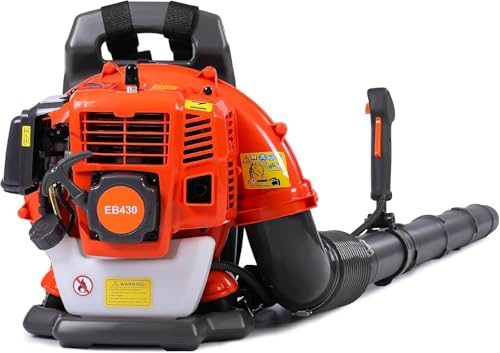
- ✓ Lightweight and comfortable
- ✓ Powerful and efficient
- ✓ Easy to start
- ✕ Slightly noisy
- ✕ Bulky for storage
| Engine Displacement | 52cc |
| Air Volume Flow Rate | 550 CFM |
| Maximum Air Speed | 230 MPH |
| Fuel Tank Capacity | 1 liter |
| Operational Run Time | Up to 45 minutes |
| Weight | 13.6 lbs |
As I swung the Thalorus 52cc Gas Backpack Leaf Blower onto my back, I immediately appreciated how lightweight it felt—only 13.6 pounds, which made maneuvering around my yard much easier than I expected. When I fired it up with just two pulls, I was impressed by how quickly it started, almost like it was eager to work.
The power is genuinely impressive. I used it to clear a wet, leaf-heavy driveway in just a couple of minutes.
The 550 CFM and 230 MPH jet stream blew away stubborn debris and damp leaves with ease, making the job feel almost effortless. The large 1-liter tank meant I could work longer without constantly refilling, which saved me time and frustration.
The harness felt cushioned and supportive, so I didn’t feel back strain even after 30 minutes of continuous use. The adjustable thumb throttle and cruise control gave me precise control over the blast, keeping the power steady without tiring my hand.
It’s built tough, with a sealed engine that handled the cold and heat equally well, so I could tackle leaves in winter without issues.
One of my favorite features was how easy it was to start—no tug-of-war with a stubborn engine. Plus, the hyper-efficient carburetor kept the fuel consumption reasonable, extending my work time.
Overall, this blower turned what used to be a chore into a quick, satisfying task.
What Are the Common Causes of Fuel Leaks in Backpack Leaf Blowers?
Improper storage can exacerbate fuel leaks, especially if the blower is left in a hot environment where fuel expands. It is advisable to empty the tank before storing the blower for an extended period to avoid potential leaks.
How Can You Identify Signs of Fuel Leaks in Your Backpack Leaf Blower?
Identifying signs of fuel leaks in your backpack leaf blower is essential for safety and maintenance.
- Visual Inspection: Look for any fuel stains or wet spots on the exterior of the blower.
- Strong Fuel Odor: A noticeable smell of gasoline can indicate a leak.
- Performance Issues: If the blower is struggling to start or run smoothly, it may be due to fuel leaks.
- Puddles or Drips: Check the ground and surrounding area for any pooled fuel underneath the blower.
- Check Fuel Lines: Inspect the fuel lines for cracks, wear, or loose connections that could lead to leaks.
Visual inspection involves closely examining the blower’s body, particularly around fuel tanks and connections, for any signs of fuel that could indicate a leak.
A strong fuel odor is a key indicator of a leak; if you detect a gasoline smell when operating the blower, it’s time to investigate further.
Performance issues may arise if there is a fuel leak, as it can affect the fuel-air mixture, leading to starting difficulties or erratic operation.
Puddles or drips of fuel on the ground can be a clear sign of a leak, especially if you notice them after using the blower or leaving it parked.
Checking the fuel lines is crucial; any visible damage or looseness can create opportunities for fuel to escape, and addressing these issues promptly can prevent more serious problems.
What Regular Maintenance Practices Can Help Prevent Fuel Leaks?
Regular maintenance practices can significantly help in preventing fuel leaks from backpack leaf blowers.
- Inspect Fuel Lines: Regularly check the fuel lines for cracks, wear, or loose connections. Damaged fuel lines can lead to fuel leakage, so replacing them promptly ensures that your blower operates safely and efficiently.
- Check Fuel Caps: Ensure that the fuel cap is tightly sealed and in good condition. A worn or damaged fuel cap can create pressure imbalances, leading to leaks; replacing it as needed can prevent potential spills.
- Clean Air Filters: Maintain clean air filters to ensure optimal airflow and engine performance. Clogged filters can cause the engine to work harder, which may inadvertently lead to fuel leaks due to increased pressure and heat.
- Regular Oil Changes: Perform routine oil changes according to the manufacturer’s guidelines. Old or contaminated oil can cause engine wear, potentially leading to leaks, so keeping the oil fresh helps maintain engine integrity.
- Store Properly: Store the leaf blower in a cool, dry place, and avoid overfilling the fuel tank. Proper storage prevents the expansion of fuel and reduces the risk of leaks, especially in fluctuating temperatures.
- Perform Regular Tune-Ups: Schedule regular tune-ups for your blower to ensure all components are in good working order. This proactive measure can identify potential issues before they lead to fuel leaks, enhancing the longevity of your equipment.
Which Replacement Parts Are Effective in Addressing Fuel Leaks?
When addressing fuel leaks in backpack leaf blowers, several replacement parts can be effective in resolving the issue:
- Fuel Lines: Replacing worn or cracked fuel lines is crucial as they can become brittle over time due to exposure to fuel and heat.
- Fuel Filters: A clogged or damaged fuel filter can restrict flow and cause pressure imbalances, leading to leaks, so it’s important to replace it regularly.
- Carburetor Gaskets: The gaskets on the carburetor can degrade and allow fuel to escape; replacing them can ensure a tighter seal and prevent leakage.
- Fuel Tank Cap: A faulty fuel tank cap can lead to vapor leaks or pressure loss; ensuring it seals properly can prevent leaks from occurring.
- Primer Bulb: If the primer bulb is cracked or not functioning properly, it can lead to fuel leaking out when trying to start the engine; replacing it can solve this issue.
Fuel lines are the key conduits for delivering fuel to the engine, and any signs of wear or damage should prompt immediate replacement to avoid leaks that can be both hazardous and wasteful.
Fuel filters serve to keep debris out of the fuel system, and when they become dirty or damaged, they can not only cause performance issues but also lead to leaks due to improper pressure regulation.
Carburetor gaskets are essential for maintaining the integrity of the fuel system; if these gaskets are old or cracked, they can allow fuel to seep out, resulting in leaks that could affect engine performance.
The fuel tank cap must create a tight seal to maintain the correct pressure within the fuel tank; if it fails to do so, it can lead to both fuel vapor and liquid leaks, making its proper function vital.
Lastly, the primer bulb is a small but critical component that helps to draw fuel into the carburetor for starting; if it’s damaged, it can leak fuel when you attempt to prime the engine, necessitating a quick replacement to ensure proper operation.
How Does Proper Storage Prevent Fuel Leaks in Backpack Leaf Blowers?
Proper storage is essential to prevent fuel leaks in backpack leaf blowers, and here are the best ways to achieve that:
- Use a Fuel Stabilizer: Adding a fuel stabilizer to the gas can help prevent degradation of the fuel, which can lead to leaks. This chemical helps maintain the quality of the fuel over time, reducing the likelihood of evaporation and residue build-up that can clog fuel lines.
- Store in an Upright Position: Always store the backpack leaf blower in an upright position to minimize the chance of fuel leaking from the tank. When positioned correctly, the fuel remains contained, preventing pressure build-up and potential spills.
- Drain the Fuel System: If the blower will not be used for an extended period, draining the fuel system can help prevent leaks. This simple step ensures that there are no residual fuels that may evaporate or leak while in storage.
- Keep the Fuel Cap Tight: Ensuring that the fuel cap is securely tightened can help prevent leaks caused by pressure changes. A loose cap can lead to fuel sloshing out during movement or storage, especially if the blower gets jostled.
- Inspect and Maintain Fuel Lines: Regularly checking the fuel lines and connections for cracks or wear can prevent leaks from developing. Keeping the fuel system in good condition ensures that even when stored, no fuel escapes through compromised areas.
- Store in a Cool, Dry Place: Keeping the blower in a cool, dry environment helps to reduce the chances of heat-related fuel expansion, which can cause leaks. High temperatures can negatively affect the integrity of the fuel and the equipment, leading to potential spills.
What DIY Solutions Can You Implement to Fix Fuel Leaks in Backpack Leaf Blowers?
There are several effective DIY solutions to stop fuel leaks in backpack leaf blowers.
- Inspect and Replace Fuel Lines: Check the fuel lines for cracks, wear, or loose connections, as these are common sources of leaks. If you find any damage, replacing the fuel lines with new ones can restore a tight seal and prevent leakage.
- Seal Cracks with Epoxy: If the fuel tank or body of the blower has small cracks, using a high-quality epoxy can seal these leaks effectively. Make sure to clean the surface thoroughly before applying the epoxy, and allow it to cure completely to ensure a strong bond.
- Replace Gaskets and Seals: Over time, gaskets and seals can wear out, leading to leaks. Replacing these components with new, compatible parts can help maintain a proper seal and eliminate fuel leaks.
- Check the Fuel Cap: A faulty or improperly sealed fuel cap can cause fuel to leak. Ensure the cap is tightly secured and inspect the rubber seal for damage; replace it if necessary to prevent spills.
- Use Fuel Additives: Some fuel additives can help condition the fuel system and reduce leaks by cleaning the components. However, be cautious and choose additives that are safe and specifically designed for small engines.