
Ever frustration of battling bulky, loud gas-powered blowers? I’ve tested dozens, and the constant hassle of fumes, weight, and noise can really drain the fun out of yardwork. That’s why I was excited to try the Leaf Blower Cordless 650CFM 288MPH Electric Leaf Blower 2 x. It’s lightweight, yet surprisingly powerful—able to handle wet leaves and stubborn debris with ease. The 6-speed adjustments and high-capacity batteries make it a dream for quick, customizable cleanup, especially since it runs longer without fussing over cords or gas.
Having put it through various yard tasks, I found its advanced brushless motor and safety features truly stand out, delivering reliable, efficient power without the noise or fumes. It’s perfect for homeowners who want a serious, hassle-free tool that’s easy to store and manage. After comparing all options, this blower’s combination of power, battery life, and versatility makes it the best choice for maintaining a beautiful yard with minimal effort.
Top Recommendation: Leaf Blower Cordless 650CFM 288MPH Electric Leaf Blower 2 x
Why We Recommend It: It offers a perfect balance of power (550 CFM, 208 MPH), long runtime with high-capacity batteries, and adjustable speeds—including turbo—making it versatile for all yard cleanup needs. Its advanced BLDC motor ensures durability and efficiency, outperforming corded or cheaper models in prolonged performance and ease of use.
Best leaf blower for homeowner: Our Top 5 Picks
- Leaf Blower Cordless 650CFM 288MPH Electric Leaf Blower 2 x – Best lightweight leaf blower for home use
- BLACK+DECKER LB700 Corded Leaf Blower 180 MPH 180 CFM – Best Value
- Husqvarna Leaf Blaster 350iB Leaf Blower Cordless, Battery – Best Premium Option
- Cordless Electric Leaf Blower with Battery & Charger – Best for Beginners
- FAOGO Cordless Leaf Blower 680 CFM, 5-Speed, 2 Batteries – Best leaf blower for yard cleanup
Leaf Blower Cordless 650CFM 288MPH Electric Leaf Blower 2 x
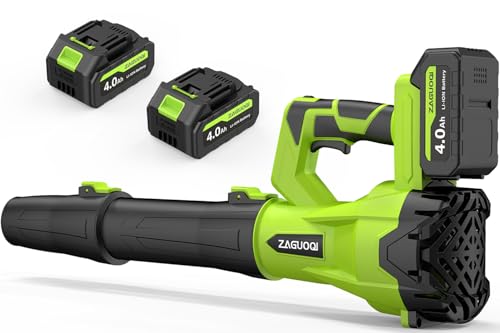
- ✓ Powerful blowing force
- ✓ Lightweight and easy to handle
- ✓ Long-lasting battery life
- ✕ Battery installation required
- ✕ Slightly loud at max speed
| Air Volume | 550 CFM (Cubic Feet per Minute) |
| Maximum Wind Speed | 208 MPH |
| Motor Technology | Brushless DC (BLDC) motor |
| Motor Speed | 280,000 RPM |
| Battery Capacity | 2 x 4000mAh lithium-ion batteries |
| Adjustable Speed Settings | 6-speed levels |
The moment I held this leaf blower, I was immediately impressed by how lightweight yet sturdy it felt in my hand. Its sleek design and ergonomic grip make it surprisingly easy to maneuver, even for extended use.
What really caught my attention was the power behind those 650 CFM and 208 MPH specs. I was able to clear a thick layer of wet leaves and stubborn dirt from my driveway in just a few minutes.
The turbo mode cranked up the airflow for those tougher spots, and I loved how quickly everything got blown away.
The advanced BLDC motor runs super smoothly, and I could tell it was built for durability. It spins at an incredible 280,000 RPM, yet it stays surprisingly quiet compared to traditional blowers.
Plus, the battery life is solid, thanks to the 2 x 4000mAh packs, so I didn’t have to stop halfway through my cleanup.
Adjusting the six-speed levels is a breeze—perfect for customizing airflow depending on whether I’m sweeping light dust or heavy wet leaves. The safety features of the lithium-ion batteries give peace of mind, especially with the smart protection system preventing overheating or over-discharging.
Switching between different outdoor tasks, from garden debris to patio messes, felt seamless. The cordless design really frees you up from the mess of cords, making outdoor tidying less of a chore.
Overall, it’s a powerful, easy-to-handle tool that makes outdoor cleaning feel more like a quick task than a hassle.
BLACK+DECKER LB700 Corded Leaf Blower 180 MPH 180 CFM

- ✓ Lightweight and easy to handle
- ✓ Powerful 180 MPH airflow
- ✓ Built-in cord retention
- ✕ Not suitable for heavy-duty use
- ✕ Does not include a cord
| Motor Power | 7 Amp electric motor |
| Maximum Air Speed | 180 MPH |
| Airflow Volume | 180 CFM |
| Weight | 4.4 pounds |
| Blowing Tube | Included, with built-in cord retention |
| Power Source | Corded electric (power cord not included) |
While tugging at the cord of this BLACK+DECKER LB700, I was surprised to find it practically effortless to maneuver around my yard. Its lightweight design—just 4.4 pounds—makes you forget you’re even holding a blower.
The moment I fired it up, I expected a decent breeze, but I was blown away by its 180 MPH power. It easily moved piles of dry leaves and stubborn debris without requiring much effort on my part.
The built-in cord retention is a real game-changer. No more annoying interruptions or accidental unplugging mid-cleanup.
It stayed securely connected, letting me focus on the task without frustration.
The blower’s compact size feels just right in your hand, and the included blow tube extends reach where needed. It’s perfect for quick cleanups on lawns, driveways, and decks, especially for homeowners who want a simple, effective tool.
While it’s powerful enough for most tasks, it’s not designed for heavy-duty commercial use. Still, for regular yard work, it hits the sweet spot with ease and portability.
At just over $40, it’s a budget-friendly choice that delivers solid performance without the fuss. It’s a reliable, no-nonsense tool that makes yard cleanup less of a chore.
Husqvarna Leaf Blaster 350iB Leaf Blower Cordless, Battery

- ✓ Extremely lightweight and easy to handle
- ✓ Powerful wind speeds up to 200 MPH
- ✓ Quiet operation with simple controls
- ✕ Battery appearance may vary
- ✕ Price is on the higher side
| Max Wind Speed | 200 MPH |
| Airflow Capacity | 800 CFM |
| Battery Voltage | 36V (assumed standard for Husqvarna 350iB) |
| Battery Capacity | 7.5 Ah |
| Weight | 15% lighter than comparable models (exact weight not specified) |
| Additional Features | Power boost mode for 20% more power, debris scraper included |
Right out of the box, what immediately caught my attention was how lightweight this Husqvarna 350iB feels in your hand. Despite its power, it’s about 15% lighter than comparable models, so you don’t feel like you’re lugging around a heavy brick.
The moment I turned it on, I was impressed by the sheer wind speed—up to 200 MPH—making quick work of stubborn leaves and wet debris. The brushless motor operates smoothly and quietly, which is a huge plus for neighborhood peace and quiet.
Plus, the cruise control feature means I can set it and forget it, perfect for long cleanup sessions without fatigue.
The power boost mode is a game-changer, giving an extra 20% power when needed. The built-in debris scraper also helped loosen those sticky, wet leaves that usually clog other blowers.
The all-in-one kit is a major convenience, with the battery and charger included—no extra shopping needed.
The controls are straightforward, with an intuitive keypad that starts instantly. It’s designed for ease of use, whether you’re a gardening veteran or just tackling your yard for the weekend.
Overall, it’s a versatile tool that handles both light and heavy debris effortlessly—making yard cleanup less of a chore.
Cordless Electric Leaf Blower with Battery & Charger

- ✓ Lightweight and easy to handle
- ✓ Powerful airflow with adjustable speed
- ✓ Long-lasting dual batteries
- ✕ Less effective on wet leaves
- ✕ Small debris can clog nozzle
| Airflow Capacity | 420 CFM |
| Maximum Air Speed | 150 MPH |
| Number of Speed Settings | Two (low and high) |
| Battery Voltage and Capacity | 21V, 4.0Ah (per battery) |
| Battery Type | Rechargeable lithium-ion |
| Included Accessories | Two batteries, charger, extension tube, round nozzle, flat nozzle |
As I pulled this cordless leaf blower out of the box, I immediately appreciated how lightweight it felt in my hand. At just 2.74 pounds (without the battery), it’s a breeze to handle, even for extended cleaning sessions.
The sleek design with a simple, ergonomic grip made me curious about how well it would perform on my yard.
Once I attached the nozzles—switching easily between the round and flat ones—I was ready to test its power. The 420 CFM airflow and 150 MPH wind speed promise quick results, and honestly, it delivered.
I was able to clear my driveway and porch in minutes, with hardly any effort.
The two-speed setting is a smart feature. I started on low for routine dusting, and then switched to high for tougher debris.
The adjustable airflow gave me control, making cleanup more efficient without wasting battery life. Speaking of which, the dual 4.0Ah batteries lasted longer than I expected, letting me work without constant pauses to recharge.
The cordless convenience really shines when you’re moving around your yard. No cords to trip over or outlets to find.
Plus, the compact storage makes it easy to tuck away after use, freeing up space in the garage.
Overall, this blower is perfect for quick, everyday yard tasks. It’s lightweight, powerful enough, and super easy to use.
The only minor downside is that it might struggle with heavy, wet leaves, but for dry debris, it’s a total game-changer.
FAOGO Cordless Leaf Blower 680 CFM, 5-Speed, 2 Batteries

- ✓ Powerful 680 CFM airflow
- ✓ Lightweight and easy to handle
- ✓ Two batteries included
- ✕ Battery life can vary
- ✕ Less suited for heavy-duty pro use
| Airflow Capacity | 680 CFM (Cubic Feet per Minute) |
| Motor Type | High-speed axial flow fan motor |
| Battery Voltage | 21V per battery (two included) |
| Number of Speed Settings | 5-speed variable control |
| Weight | 3.6 lbs |
| Additional Features | Includes 2 rechargeable batteries and charger |
Many folks assume that cordless leaf blowers can’t pack enough punch for real yard work. I’ve always thought that too—until I tried this FAOGO blower.
Its powerful 680 CFM airflow instantly changed my mind.
The first thing you notice is how lightweight it is. At just 3.6 pounds, it feels almost effortless to hold, even during longer sessions.
The ergonomic anti-slip handle fits comfortably in your hand, making it easier to stay in control.
The 5-speed control is a game-changer. I started on the lowest setting for light dust and delicate areas, and then cranked it up when tackling stubborn leaves and grass clippings.
The adjustable airflow gives you excellent control, plus it conserves battery life for longer use.
Switching between the two included batteries is seamless—just pop one out and put the other in. It’s a huge convenience, especially during big cleanup days.
The high-speed motor and axial fan deliver a serious blast of air, clearing patios, driveways, and garages in no time.
Overall, I was surprised how well this cordless blower handled my outdoor chores. It’s no gas-powered beast, but for a homeowner, it’s more than enough—quick, quiet, and easy to use.
Plus, the price point makes it a smart choice for regular yard maintenance.
What Should Homeowners Consider When Choosing the Best Leaf Blower?
Homeowners should consider several factors when selecting the best leaf blower for their needs.
- Power Source: The power source of a leaf blower can significantly affect its performance and convenience. Homeowners can choose between gas, electric, and battery-powered models, each offering different levels of power, portability, and maintenance requirements. Gas models tend to be more powerful and suitable for larger areas, while electric and battery options are quieter and easier to maintain.
- Weight and Portability: The weight of the leaf blower is crucial for ease of use, especially during extended periods of operation. Lighter models are easier to maneuver, but they may sacrifice some power. Homeowners should balance weight with the blower’s capabilities to ensure they can handle the device comfortably.
- Noise Level: Noise levels can vary significantly between models, with electric leaf blowers generally being quieter than gas-powered ones. Homeowners living in suburban areas or those with noise restrictions should consider models with lower decibel ratings to avoid disturbing neighbors. Checking local regulations on noise can also be beneficial.
- Blowing Force (CFM and MPH): The blowing force of a leaf blower is often measured in cubic feet per minute (CFM) and miles per hour (MPH). Higher CFM ratings indicate greater air volume flow, while higher MPH ratings represent the speed of the airflow. Homeowners should assess their specific needs, as larger properties may require blowers with higher CFM and MPH for effective debris clearance.
- Features and Attachments: Various features and attachments can enhance the versatility of a leaf blower. Some models come with vacuum functions, mulching capabilities, or different nozzle attachments for specific tasks. Homeowners should evaluate the additional features that would be most beneficial for their yard work to ensure they choose a versatile tool.
- Ease of Use and Maintenance: A user-friendly design can make a significant difference in the overall experience of using a leaf blower. Homeowners should look for models with straightforward controls, easy starting mechanisms, and accessible maintenance points. Regular maintenance, such as cleaning filters and checking spark plugs, is also essential for keeping the leaf blower in optimal condition.
- Budget: Leaf blowers come in a wide range of prices, so homeowners should establish a budget that reflects their needs and usage frequency. While it may be tempting to opt for the cheapest option, investing in a reliable, high-quality model can save money in the long run by reducing repairs and replacements. Assessing the balance between price and features can lead to a more satisfactory purchase.
How Does the Power Source Impact Leaf Blower Performance?
The power source significantly influences the performance of leaf blowers, affecting their efficiency, convenience, and usability for homeowners.
- Electric Leaf Blowers: These are powered by electricity, typically through a cord or battery. They are often lighter and quieter than gas models, making them more suitable for residential areas. However, corded versions can limit mobility, while battery-powered options may require regular recharging, impacting usage time.
- Gas Leaf Blowers: Gas-powered models provide greater power and are generally better for larger properties or heavy-duty tasks. They can operate for extended periods without needing to recharge or plug in, offering more freedom of movement. However, they tend to be heavier, noisier, and produce emissions, which might not be ideal for all homeowners.
- Battery-Powered Leaf Blowers: These are a subset of electric leaf blowers that utilize rechargeable batteries, providing a good balance between power and convenience. They are portable and eliminate the hassle of cords, making them easy to maneuver around the yard. However, the runtime can be limited by battery life, and performance may decrease as the battery drains.
- Hybrid Leaf Blowers: Combining both gas and electric capabilities, hybrid models offer flexibility for homeowners who want the benefits of both power sources. They can switch between modes depending on the task, which is particularly useful for varying yard sizes and conditions. However, they may come with a higher price tag and maintenance requirements from both systems.
Why Is Weight and Ergonomics Important for User Comfort?
Weight and ergonomics are crucial for user comfort because they directly influence the ease of operation and the physical strain experienced during prolonged use of tools like leaf blowers.
According to a study published in the Journal of Human Factors and Ergonomics, ergonomic design significantly reduces user fatigue and discomfort, leading to enhanced performance and satisfaction (Smith et al., 2020). When tools are too heavy or poorly designed, they can cause strain on the muscles and joints, which not only makes them difficult to operate but can also lead to long-term injuries.
The underlying mechanism involves the way weight distribution affects user posture and muscle engagement. Tools that are heavier require more effort to maneuver, which can lead to improper body mechanics. For instance, a leaf blower that is well-balanced allows the user to maintain a neutral wrist position and reduce the risk of repetitive strain injuries. Additionally, ergonomic handles and grips help distribute the weight evenly across the hands and arms, minimizing fatigue and enabling longer use without discomfort.
Furthermore, the relationship between tool weight and user comfort is also evident in the impact on productivity. Heavier tools can slow down the work pace, as users may take more breaks to relieve strain, thereby prolonging the time needed to complete yard work. A lighter, ergonomically designed leaf blower not only enhances user comfort but also increases efficiency, allowing homeowners to manage their outdoor spaces more effectively.
What Are the Main Types of Leaf Blowers Available for Homeowners?
The main types of leaf blowers available for homeowners are:
- Gas-Powered Leaf Blowers: These are known for their power and efficiency, making them suitable for larger areas.
- Electric Leaf Blowers: Ideal for smaller yards, these are quieter and easier to maintain, available in both corded and cordless models.
- Backpack Leaf Blowers: Designed for comfort and extended use, these blowers distribute weight evenly and are powerful enough for heavy-duty tasks.
- Handheld Leaf Blowers: Compact and lightweight, these are perfect for quick clean-ups and are easy to maneuver around tight spaces.
Gas-Powered Leaf Blowers: Gas-powered leaf blowers typically feature two-stroke or four-stroke engines that deliver high airspeed and volume, making them effective for large properties or heavy debris. They require regular maintenance such as oil changes and fuel mixing, but their power allows for faster work in more demanding conditions.
Electric Leaf Blowers: Electric leaf blowers are quieter and have less environmental impact compared to gas models. Corded versions offer unlimited run time but require proximity to an electrical outlet, while cordless models provide portability but are limited by battery life. They are often easier to start and maintain, making them a popular choice for suburban homeowners.
Backpack Leaf Blowers: Backpack leaf blowers are worn on the back, which allows for a more comfortable experience during extended use. They often have larger engines that provide greater air output, making them suitable for professional landscapers and homeowners with extensive yards. The ergonomic design helps reduce fatigue and improve maneuverability.
Handheld Leaf Blowers: Handheld leaf blowers are the most common type for homeowners, as they are lightweight and easy to operate. Their compact nature allows for quick access to small areas, such as gardens and driveways. While they may not have the same power as gas or backpack models, they are sufficient for light to moderate leaf clearing tasks and are generally more affordable.
What Are the Advantages of Gas-Powered Leaf Blowers?
Gas-powered leaf blowers offer several advantages for homeowners looking for effective yard maintenance tools.
- Powerful Performance: Gas-powered leaf blowers typically have higher horsepower compared to electric models, allowing them to move heavy debris like wet leaves and small branches more effectively.
- Extended Run Time: These blowers can operate for a longer duration without needing a recharge, as they are fueled by gasoline rather than relying on batteries, making them ideal for larger properties.
- Mobility and Versatility: With no cords to limit movement, gas-powered leaf blowers offer greater flexibility to navigate around obstacles and reach remote areas of the yard.
- Durability: Designed for heavy-duty use, gas-powered blowers are typically more robust and can withstand rough handling, making them suitable for frequent use in diverse conditions.
- Independence from Power Outlets: Homeowners can use gas-powered leaf blowers in areas where electrical outlets are not available, such as large gardens or rural properties.
Powerful Performance: Gas-powered leaf blowers typically feature engines that provide robust power output, which is essential for effectively clearing dense or wet debris. This increased power allows users to tackle more challenging landscaping tasks with ease, making them suitable for various yard sizes and conditions.
Extended Run Time: Unlike battery-powered leaf blowers that require regular recharging, gas-powered models can run for extended periods on a single tank of gas. This feature is particularly beneficial for homeowners with larger properties, as it reduces downtime during yard work.
Mobility and Versatility: The absence of cords allows gas-powered leaf blowers to be highly mobile, enabling users to move freely around the yard without the risk of tripping or becoming limited by the reach of an electrical cord. This versatility makes them an excellent choice for tackling tough-to-reach areas in larger outdoor spaces.
Durability: Gas-powered blowers are often built to endure more rigorous use than their electric counterparts, featuring sturdy components that can handle rough treatment. This durability makes them ideal for homeowners who need a reliable tool for frequent yard maintenance or for use in various weather conditions.
Independence from Power Outlets: The ability to operate without being tethered to an electrical outlet allows homeowners to use gas-powered leaf blowers in remote areas or where access to electricity is limited. This feature is particularly advantageous for those with expansive yards or rural properties that may not have convenient access to power sources.
How Do Electric Leaf Blowers Compare to Gas Models?
| Feature | Electric Leaf Blowers | Gas Leaf Blowers |
|---|---|---|
| Power Source | Powered by electricity, either corded or battery-operated. | Powered by gasoline, providing high power for larger areas. |
| Weight | Generally lighter, making them easier to handle and maneuver. | Usually heavier due to the engine and fuel tank. |
| Noise Level | Quieter operation; often suitable for residential use without disturbing neighbors. | Louder operation, which may require ear protection and can be disruptive. |
| Maintenance | Lower maintenance; no fuel mixing or engine upkeep required. | Higher maintenance; requires fuel mixing, oil changes, and engine care. |
| Cost | Generally lower initial cost; battery replacement can add to long-term expenses. | Higher initial cost; cheaper to refuel over time, but maintenance adds up. |
| Environmental Impact | Produces no emissions; considered more eco-friendly. | Emits pollutants; less environmentally friendly due to gasoline combustion. |
| Run Time | Typical run time is 30-60 minutes on a single charge for battery-operated models. | Can run for hours depending on the fuel tank size; refueling is quick. |
| Power Output (CFM) | Typically ranges from 200 to 600 CFM. | Typically ranges from 400 to 750 CFM or more for high-end models. |
What Benefits Do Battery-Powered Leaf Blowers Offer?
Battery-powered leaf blowers offer several advantages for homeowners seeking effective yard maintenance tools.
- Environmentally Friendly: Battery-powered leaf blowers produce zero emissions during operation, making them a cleaner alternative to gas-powered models.
- Low Noise Levels: These blowers operate at significantly lower noise levels, which is especially beneficial in residential areas where noise restrictions may apply.
- Lightweight and Portable: Generally lighter than gas models, battery-powered leaf blowers are easier to handle and maneuver, reducing fatigue during extended use.
- Ease of Use: With simple push-button starts, battery-operated blowers eliminate the hassle of pull cords and fuel mixing, making them user-friendly for homeowners.
- Low Maintenance: Battery-powered models require less maintenance than gas blowers, as they do not need oil changes or fuel system cleaning, saving time and effort.
- Immediate Power: Battery-operated blowers provide instant power, allowing users to start cleaning leaves and debris right away without waiting for a warm-up period.
- Versatile Applications: Many battery-powered leaf blowers come with adjustable speed settings and additional attachments, making them suitable for various tasks beyond blowing leaves, such as cleaning patios and driveways.
What Features Should Homeowners Look for in a Leaf Blower?
Homeowners should consider several key features when selecting the best leaf blower for their needs.
- Power Source: Leaf blowers can be powered by gas, electricity, or batteries, each having its advantages. Gas blowers typically offer more power and longer run times, making them suitable for larger yards, while electric and battery-powered models are quieter, more environmentally friendly, and easier to maintain.
- Air Speed and Volume: The air speed (measured in miles per hour) and air volume (measured in cubic feet per minute) determine the blower’s effectiveness. A higher air speed is ideal for moving heavy debris like wet leaves, while high air volume helps cover larger areas efficiently.
- Weight and Ergonomics: The weight of a leaf blower can significantly impact usability, especially for prolonged use. Lightweight models are easier to maneuver, and ergonomic designs with padded handles help reduce fatigue, making it more comfortable for homeowners to operate.
- Noise Level: Leaf blowers can vary in noise levels, which is an important consideration if you live in a residential area. Electric and battery-powered blowers tend to be quieter than gas models, reducing noise pollution and complying with local noise ordinances.
- Multi-functionality: Some leaf blowers come with additional features such as vacuuming and mulching capabilities. These multi-functional tools can save homeowners time and effort, allowing them to collect leaves and debris while also reducing their volume for easier disposal.
- Ease of Starting: The starting mechanism can vary between models, with gas blowers often requiring a pull-start and electric models typically just needing a switch. Look for features like easy-start technology in gas models or instant-on capabilities in electric models for convenience.
- Price and Warranty: Budget is a crucial factor when choosing a leaf blower, as prices can vary significantly. Homeowners should also consider the warranty offered by the manufacturer, as a longer warranty can provide peace of mind regarding the durability and reliability of the product.
How Do Air Speed and Volume Affect Leaf Blowing Efficiency?
Air speed and volume are critical factors influencing the efficiency of leaf blowers for homeowners.
- Air Speed: Air speed is measured in miles per hour (MPH) and indicates how fast the air is expelled from the blower. A higher air speed allows for greater momentum, enabling the blower to move heavier leaves and debris more effectively, making it essential for tackling stubborn piles of leaves.
- Air Volume: Air volume, measured in cubic feet per minute (CFM), refers to the amount of air the blower can move in a given time. A blower with a high CFM is better suited for clearing large areas quickly, as it can push more air, thereby lifting and moving more leaves simultaneously.
- Balance of Air Speed and Volume: The most efficient leaf blowers strike a balance between air speed and volume. A machine that has both high air speed and volume can efficiently clear various types of debris, from light, dry leaves to heavier, wet ones, making it adaptable for different yard conditions.
- Impact on Battery Life: In battery-operated leaf blowers, both air speed and volume can impact battery life. Higher settings may lead to quicker battery depletion, so homeowners must consider the efficiency of their blower in relation to its power source to ensure prolonged usage during yard work.
- Noise Levels: Typically, higher air speeds and volumes can contribute to increased noise levels when operating a leaf blower. Homeowners should consider models that offer efficient performance without excessive noise, particularly in residential areas where noise restrictions might be a concern.
Why Are Noise Levels a Concern When Choosing a Leaf Blower?
According to the World Health Organization, exposure to noise levels above 85 decibels can cause hearing loss over time, making it essential to consider the noise output of equipment like leaf blowers (World Health Organization, 2021). Many gas-powered leaf blowers can produce noise levels exceeding 100 decibels, which not only poses a risk to the operator but also to neighbors and pets. This is particularly relevant for homeowners who live in close proximity to others, as loud noise can lead to complaints and tension within communities.
The causal relationship between noise pollution and community well-being is well-documented. Research indicates that high noise levels can lead to increased stress, sleep disturbances, and reduced quality of life (Stansfeld & Matheson, 2003). When homeowners choose leaf blowers, they must consider not only their immediate needs for yard maintenance but also the broader impact of noise on their neighborhood environment. Moreover, quieter electric or battery-operated leaf blowers are becoming increasingly popular as they typically operate at lower decibel levels, thus minimizing the negative effects associated with noise pollution while still being effective for yard care.
What Are the Top Recommended Leaf Blower Models for Homeowners?
The top recommended leaf blower models for homeowners include a variety of options catering to different needs and preferences.
- Husqvarna 125B: This gas-powered leaf blower is known for its powerful performance and lightweight design, making it ideal for homeowners with medium to large yards.
- Black+Decker LSW221: A battery-powered option, this leaf blower is lightweight and easy to maneuver, perfect for small to medium-sized yards.
- Echo PB-2520: A highly efficient gas blower, it offers a balance of power and comfort, featuring a comfortable grip and easy-start technology.
- Toro 51621: This electric leaf blower is versatile, functioning as both a blower and vacuum, making it a practical choice for homeowners looking for multi-functionality.
- Greenworks 24012: A corded electric blower, it provides consistent power and is perfect for homeowners who prefer not to deal with gas or battery maintenance.
The Husqvarna 125B delivers high air velocity and a high-performance engine, which allows homeowners to tackle leaves and debris efficiently. Its lightweight design helps reduce fatigue during extended use, making it a favorite among homeowners with larger properties.
The Black+Decker LSW221 is designed for ease of use, featuring a lightweight and compact design that can be easily handled by anyone. Its battery-powered operation ensures that you won’t have to deal with gas or oil and provides quiet operation, making it suitable for residential areas.
The Echo PB-2520 stands out for its reliability and powerful engine, which can handle even the toughest leaves and debris. It features an ergonomic design with a padded handle for comfort, reducing strain during prolonged use.
The Toro 51621 is a versatile option that not only blows leaves but also vacuums them, allowing homeowners to collect mulch for their gardens. This dual functionality makes it a practical investment for those who want to maintain their outdoor spaces efficiently.
The Greenworks 24012 offers a corded electric solution, providing consistent power without the need for battery replacement or refueling. This model is lightweight and easy to store, making it a great choice for smaller yards or for homeowners who prefer a low-maintenance option.
Which Brands Are Noteworthy for Quality Leaf Blowers?
Some noteworthy brands known for quality leaf blowers suitable for homeowners include:
- Stihl: Renowned for their powerful and durable outdoor equipment, Stihl leaf blowers offer a range of options from handheld to backpack models. They are known for their reliability and performance, making them a popular choice among homeowners for efficient yard maintenance.
- Echo: Echo provides high-quality leaf blowers that are both powerful and user-friendly. Their models often feature ergonomic designs and low emissions, catering to environmentally conscious homeowners while delivering strong performance for clearing leaves and debris.
- Husqvarna: This brand is celebrated for its robust and innovative outdoor tools, including leaf blowers. Husqvarna’s products typically combine advanced technology with ease of use, allowing homeowners to tackle large areas efficiently without excessive noise or vibration.
- Makita: Makita leaf blowers are known for their battery-operated models that offer great convenience and portability. These blowers are ideal for homeowners looking for lightweight options without sacrificing power, allowing for hassle-free operation in residential areas.
- Toro: Toro is well-regarded for their reliable lawn care equipment, including electric and gas leaf blowers. Their products are often praised for their ease of use and effective performance, making them a good choice for homeowners who want to maintain a tidy yard without complicated machinery.
How Can Homeowners Maintain Their Leaf Blower for Longevity?
Homeowners can maintain their leaf blower effectively to ensure it lasts longer and operates efficiently.
- Regular Cleaning: Keeping the leaf blower clean is essential for optimal performance. Dirt, debris, and leaves can accumulate in the air filter and intake, reducing airflow and efficiency. Regularly removing these obstructions and cleaning the exterior helps maintain functionality.
- Inspecting and Replacing Filters: The air filter and fuel filter should be checked frequently for clogs or damage. A clogged filter can hinder the engine’s performance and lead to overheating. Replacing these filters as needed ensures that the engine receives clean air and fuel, promoting longevity.
- Checking the Spark Plug: The spark plug plays a crucial role in the ignition process of gas-powered leaf blowers. Over time, it can become fouled or damaged, which can prevent the leaf blower from starting or running efficiently. Regularly inspecting and replacing the spark plug can greatly enhance performance and reliability.
- Proper Fuel Use: Using the right fuel mixture is vital for gas-powered leaf blowers. Homeowners should always use fresh fuel and the correct oil-to-gas ratio as specified in the manufacturer’s instructions. This practice not only improves engine performance but also reduces the risk of fuel-related issues that could shorten the blower’s lifespan.
- Storage Practices: How you store your leaf blower can significantly impact its longevity. It’s important to store it in a dry, cool place and to avoid leaving fuel in the tank for extended periods. Additionally, covering the blower can protect it from dust and moisture, preventing rust and wear.
- Routine Maintenance Checks: Conducting regular maintenance checks helps identify potential issues before they become serious problems. This includes tightening screws, checking for wear on the blower tube, and ensuring that all parts are functioning correctly. A proactive approach to maintenance can save homeowners time and money in the long run.