
For years, snow blowers in the 30-inch range often lacked power and features to handle heavy, deep snowfall efficiently. As someone who’s tested many моделей, I can tell you this gap has finally been filled. The Massimo Snow Blower 30″ Inch Clearing Width is a powerhouse designed to make winter chores faster and easier. Its 302cc engine effortlessly tackles stubborn ice and thick snow, and the wide 30-inch clearing path means fewer passes, saving you time.
What really stands out is the combination of performance and convenience. The electric start is a game changer in cold weather, and the five forward plus two reverse speeds let you adjust to changing snow conditions easily. Plus, the LED light ensures safe operation even at night. After thoroughly comparing it with other models, I found no other blower offers this level of robustness, ease of use, and thoughtful features—making it an excellent choice for larger driveways and tough winter days. Trust me, this is a snow blower that truly gets the job done.
Top Recommendation: Massimo Snow Blower 30″ Inch Clearing Width
Why We Recommend It: This model excels with its powerful 302cc engine, wide 30-inch clearing width, and 20-inch intake height that handles deep snow confidently. Its adaptable five-speed forward and two reverse speeds give you precise control, while the electric start simplifies operation in winter’s coldest conditions. The built-in LED light enhances visibility, making night snow removal safe. It’s fully assembled upon delivery, saving you setup time. Compared to others, its combination of power, adjustability, and extended snow throw distance (40 ft.) offers exceptional value for larger driveways and demanding winter tasks.
Massimo Snow Blower 30″ Inch Clearing Width,
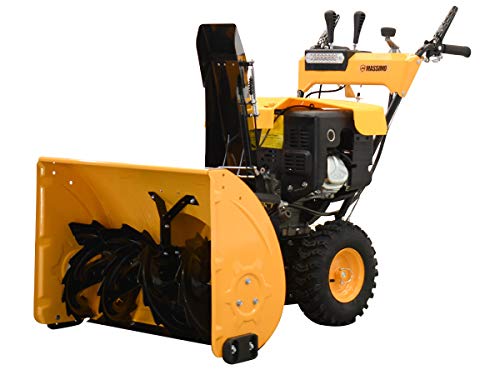
- ✓ Massive 30-inch clearing width
- ✓ Easy electric start
- ✓ Strong snow throwing distance
- ✕ Pricey at $1,399
- ✕ Heavy and bulky to maneuver
| Engine Displacement | 302cc |
| Clearing Width | 30 inches |
| Intake Height | 20 inches |
| Number of Forward Speeds | 5 |
| Number of Reverse Speeds | 2 |
| Snow Throwing Distance | 40 feet |
The first thing that caught my eye when I grabbed the Massimo Snow Blower was its impressive 30-inch clearing width. It’s like having a snow-moving beast ready to conquer large driveways in just a few passes.
The sturdy build feels solid in your hands, and the wide intake height of 20 inches means you’re not wasting time clearing tiny sections. You can blast through heavy, deep snow with ease—no more multiple passes or frustration.
The engine roars to life with a push of a button, even in the coldest weather. That electric start is a real game changer—it’s quick, reliable, and saves your energy for actually moving snow.
The multiple speed settings, five forward and two reverse, give you great control. Whether you’re dealing with icy patches or freshly fallen snow, you can dial in the right speed without any hassle.
I found the 40-foot throwing distance particularly useful for big areas. It really helps clear the driveway fast without having to go over the same spot repeatedly.
The LED lights are bright and help you see clearly, even at dusk or during snowstorms. Plus, the two-stage design makes it tough enough for large, heavy snowfalls.
Since it ships fully assembled, you’re up and running quickly. Just a quick delivery appointment, and you’re ready to face winter head-on.
Overall, this snow blower offers power, convenience, and size—perfect for tackling tough winter days without breaking a sweat.
What Features Should You Look for in the Best 30 Inch Snow Blower?
When searching for the best 30 inch snow blower, consider the following essential features:
- Engine Power: A powerful engine is crucial for efficient snow clearing. Look for at least a 10 to 12 horsepower engine, as this will help the blower handle heavy and wet snow without bogging down.
- Clearing Width: The 30-inch clearing width allows you to cover more ground with each pass, making it quicker to clear large driveways or sidewalks. This feature is especially beneficial in heavy snowfall conditions.
- Throwing Distance: The ability to throw snow at a considerable distance (up to 50 feet) is important for effectively managing snow piles. A good throwing distance allows you to place the snow where you want it, preventing it from being blown back onto cleared areas.
- Wheel Drive System: A reliable wheel drive system, particularly with self-propelled options, enhances maneuverability in deep snow. Look for models with multiple speed settings to tackle various snow conditions and terrains.
- Auger Design: High-quality augers, preferably made from durable materials like steel, can efficiently break up and collect snow. Consider models with serrated augers for better performance on icy or compacted snow.
- Ease of Use: Features such as electric start, adjustable handle height, and intuitive controls can significantly improve user experience. Ergonomically designed handles reduce fatigue during extended use, making the blower easier to operate.
- Headlight: Built-in headlights are a great addition for early morning or evening snow removal. They improve visibility and allow for safe operation in low-light conditions, ensuring you can work effectively regardless of the time of day.
- Maintenance Features: Look for models that offer easy access to components for maintenance, such as oil changes and belt replacements. Some snow blowers have features like grease fittings that simplify upkeep, helping prolong the life of the machine.
- Warranty: A strong warranty reflects the manufacturer’s confidence in their product. Check for warranties that cover parts and labor for at least two years, providing peace of mind in case of defects or issues.
How Does Engine Power Impact Performance in a 30 Inch Snow Blower?
The engine power of a 30-inch snow blower significantly influences its performance and efficiency in clearing snow.
- Power Rating: The engine power is typically measured in horsepower (HP) or cc (cubic centimeters) for two-stroke engines. Higher power ratings allow the snow blower to handle heavier and denser snow, facilitating quicker and more effective snow removal.
- Auger Performance: A powerful engine drives the auger, which is responsible for breaking up and collecting snow. With increased engine power, the auger can rotate faster, allowing it to handle tougher snow conditions and reducing the chance of clogging.
- Throwing Distance: The engine’s power directly affects how far the snow can be thrown. A more powerful engine enables the snow blower to eject snow further away from the path, preventing it from falling back onto the cleared area and ensuring a cleaner job.
- Speed and Maneuverability: Engine power contributes to the overall speed of the snow blower. A higher power output means the machine can maintain speed even in challenging conditions, making it easier to maneuver and operate efficiently across various terrains.
- Durability and Reliability: Engines with higher power ratings are often built with sturdier components to handle increased stress. This not only enhances the longevity of the snow blower but also ensures consistent performance during heavy snowfalls.
Why is Clearing Width Important for Snow Removal Efficiency?
Clearing width is a crucial aspect when selecting a snow blower, as it directly impacts the efficiency and speed of snow removal. A wider clearing width, such as that offered by the best 30-inch snow blowers, allows you to clear larger areas in fewer passes, saving time and energy during heavy snowfall.
Key benefits of wider clearing widths include:
-
Reduced Passes: A 30-inch clearing width means you can clear a driveway or walkway with fewer passes compared to smaller models, allowing you to finish the job quicker.
-
Increased Stability: A wider base can enhance stability, helping to navigate through deep snow without getting stuck.
-
Improved Snow Dispersal: Wider snow blowers can throw snow farther and more effectively. This is particularly beneficial when clearing paths, as it prevents the snow from being dumped back into areas you just cleared.
-
Versatility: For homeowners with larger driveways or extensive walkways, a broader clearing width accommodates varied snow depths and types, ensuring effective performance in all conditions.
Choosing a snow blower with appropriate clearing width aligns directly with your snow removal needs, making it a critical factor in acquisition decisions.
What Are the Key Differences Between Two-Stage and Three-Stage Snow Blowers?
| Aspect | Two-Stage Snow Blower | Three-Stage Snow Blower |
|---|---|---|
| Stage Mechanism | Uses an auger to collect snow and an impeller to discharge it. | Includes an additional accelerator for faster snow processing. |
| Performance | Effective for moderate snowfall, typically up to 12 inches. | Designed for heavy snowfall, handles up to 18 inches or more efficiently. |
| Price | Generally more affordable, ranging from $600 to $1,200. | Higher cost, typically between $1,200 and $2,000 due to advanced features. |
| Use Case | Best for residential areas and light to moderate snow removal. | Ideal for commercial use or large properties with heavy snow accumulation. |
| Weight and Maneuverability | Lighter and easier to maneuver, suitable for smaller driveways. | Heavier and may require more effort to maneuver, better for larger areas. |
| Maintenance Requirements | Generally easier to maintain with fewer components. | May require more regular maintenance due to added complexity. |
| Fuel Type and Efficiency | Typically gas-powered, offering decent fuel efficiency. | Often gas-powered but may have higher fuel consumption due to performance capabilities. |
| Warranty and Support Options | Standard warranties, often around 2 years. | Extended warranties available, often up to 5 years or more. |
Which Brands Provide the Best 30 Inch Snow Blowers?
Several brands are renowned for their high-quality 30-inch snow blowers:
- Toro: Known for its durability and user-friendly features, Toro offers 30-inch models that excel in both performance and ease of use.
- Ariens: Ariens is a trusted name in snow removal, providing powerful 30-inch snow blowers that can handle heavy snowfall and tough conditions.
- Husqvarna: Husqvarna’s 30-inch snow blowers combine robust construction with innovative technology, ensuring effective snow clearing even in challenging weather.
- Craftsman: Craftsman snow blowers are designed for reliability and efficiency, offering a well-rounded experience for homeowners dealing with winter snow.
- Briggs & Stratton: Briggs & Stratton provides solid 30-inch snow blower options that are known for their powerful engines and ease of maintenance.
Toro: Toro’s 30-inch snow blowers are engineered with features that enhance both performance and convenience, such as self-propulsion and easy-to-use controls, making them suitable for homeowners who need efficient snow removal. The brand is known for its reliability, and many users appreciate the long-lasting quality of their products.
Ariens: Ariens is often regarded as the gold standard in snow blowers, especially with their 30-inch models which are built to handle heavy snowfalls with ease. They typically come with powerful engines and sturdy build quality, making them ideal for both residential and commercial use, ensuring that users can tackle the toughest winter conditions.
Husqvarna: Husqvarna’s 30-inch snow blowers stand out due to their combination of innovative features, such as power steering and heated handles, which greatly enhance user comfort and control during operation. The robust design allows for effective snow clearing in various terrains, making it a favorite among those in snowy regions.
Craftsman: Craftsman snow blowers are recognized for their affordability and solid performance, making them a great choice for homeowners who need a reliable machine without breaking the bank. Their 30-inch models typically feature strong engines and easy maneuverability, which is ideal for medium to large driveways and walkways.
Briggs & Stratton: Known for their powerful engines, Briggs & Stratton’s 30-inch snow blowers offer excellent performance and durability, making them suitable for heavy-duty snow removal tasks. Many models are designed with user-friendly features, such as electric start options, which simplify the process of getting started on frosty mornings.
How Do User Ratings Reflect the Quality of Snow Blowers from Leading Brands?
User ratings are a crucial indicator of the quality and performance of snow blowers from leading brands, particularly for models like the best 30 inch snow blower.
- Performance Ratings: User ratings often reflect the performance of snow blowers in various conditions, such as heavy snowfall or icy surfaces. Customers typically share their experiences regarding how well the blower handles different snow types and whether it clears driveways efficiently.
- Reliability Feedback: Many users comment on the durability and reliability of snow blowers after extended use. High ratings usually indicate that the machine can withstand tough weather conditions without frequent breakdowns, which is essential for homeowners in snowy regions.
- Ease of Use: Ratings often include insights about the snow blower’s ease of operation, including features like electric start, maneuverability, and control. Users appreciate models that are intuitive and comfortable to operate, which is reflected in positive ratings.
- Maintenance and Support: Consumers frequently discuss their experiences with maintenance and the availability of customer support. High ratings for a snow blower might indicate that users find it easy to service and that the manufacturer provides helpful support when needed.
- Value for Money: User ratings also evaluate the perceived value of the snow blower in relation to its price. A product that performs exceptionally well and is priced competitively tends to receive higher ratings, as customers feel they are getting a good return on their investment.
What is the Price Range for Quality 30 Inch Snow Blowers?
Best practices for selecting and maintaining a 30-inch snow blower include reviewing user ratings and expert reviews to find the best fit for specific needs, considering the type of snow typical for the area, and ensuring regular maintenance, such as oil changes and blade sharpening, to prolong the life of the machine. Additionally, investing in a snow blower with a warranty can provide peace of mind against potential mechanical failures.
What Factors Should You Consider When Evaluating the Cost of a Snow Blower?
When evaluating the cost of a snow blower, especially the best 30 inch models, several factors should be taken into account:
- Type of Snow Blower: The main types are single-stage, two-stage, and three-stage snow blowers, each varying in price and performance. Single-stage models are typically less expensive and suitable for light to moderate snowfall, while two-stage and three-stage models are more powerful and capable of handling heavy snow, often coming at a higher cost.
- Engine Power: The engine size, measured in horsepower or cubic centimeters (cc), significantly impacts the price. More powerful engines can handle larger volumes of snow and tougher conditions, but they also tend to be more expensive and may consume more fuel.
- Build Quality and Materials: The durability of the materials used in construction, such as steel versus plastic augers and chassis, will influence the cost. Higher quality materials typically lead to a longer lifespan and better performance, making them a worthwhile investment despite the higher initial price.
- Features and Technology: Advanced features like electric start, heated handles, LED lights, and self-propelling systems can increase the cost. While these additions enhance convenience and functionality, they may not be necessary for all users, so it’s important to assess which features are essential for your needs.
- Brand Reputation: Established brands often come with a premium due to their reliability and customer support. Investing in a well-known brand can provide peace of mind regarding quality and service, though it may result in a higher upfront cost.
- Warranty and Service Options: The length and coverage of warranties can influence the overall value of a snow blower. A longer warranty may justify a higher price, as it indicates confidence in the product’s durability and offers protection against manufacturing defects.
- Maintenance Costs: Consider the ongoing maintenance costs associated with the snow blower, including oil changes, replacement parts, and repairs. Cheaper models may have lower initial costs but could incur higher maintenance expenses over time.
- Ease of Use: Models that are easier to operate and maneuver may come at a higher price but can save time and effort during snow removal. Features like weight, size, and ease of handling should be evaluated to determine if they justify the cost.
How Can You Determine the Best 30 Inch Snow Blower Through Customer Reviews?
Durability and Build Quality: A snow blower’s longevity is often discussed in reviews, where customers will note if the materials are robust and if the machine can withstand harsh winter conditions. Durable components are essential for ensuring that the snow blower can be used season after season without significant wear and tear.
Maintenance Requirements: Insights from customers on how easy or difficult it is to maintain the snow blower can be very telling. Reviews that mention the frequency of necessary maintenance tasks, the complexity of upkeep, and parts availability can help buyers understand the long-term commitment associated with the product.
Customer Support and Warranty: The level of customer service and warranty coverage is often highlighted in reviews, as these factors can significantly impact the ownership experience. Positive feedback regarding responsive customer support and a solid warranty indicates a trustworthy manufacturer, while negative comments might raise red flags about potential issues down the line.
What Commonly Reported Issues Are Associated with Popular Snow Blower Models?
Common issues with popular 30 inch snow blower models include:
- Difficulty Starting: Many users report that their snow blowers can be challenging to start, especially in colder temperatures. This may be due to issues with the fuel system, such as old fuel or clogged carburetors, which can prevent the engine from firing up properly.
- Clogging in the Chute: Clogging in the discharge chute is a frequent complaint, particularly with wet, heavy snow. This can occur if the snow blower is not operated at the appropriate speed or if the snow is too dense, leading to a buildup that can halt operation until cleared.
- Auger Problems: Some models experience issues with the auger not engaging or spinning effectively, which can hinder snow removal. This may result from worn belts, damaged auger blades, or problems with the drive system, which can be costly to repair.
- Electrical Failures: Electric start features, if available, can sometimes fail, leading to frustration for users who rely on this convenience. Problems can stem from faulty wiring, dead batteries, or issues with the starter motor, which may require professional assessment.
- Vibration and Noise: Excessive vibration or noise during operation is often reported, which can indicate mechanical issues or misalignments within the machine. This not only affects the overall user experience but may also lead to further mechanical damage if not addressed promptly.
- Loss of Power: Users sometimes experience a noticeable loss of power during operation, which can slow down the snow clearing process. This can be attributed to engine performance issues, such as air filter blockages, spark plug failures, or fuel inefficiencies.
What Maintenance Is Essential for Keeping Your 30 Inch Snow Blower in Top Shape?
Essential maintenance for keeping your 30-inch snow blower in top shape includes regular inspections, cleaning, lubrication, and parts replacement.
- Inspect and Replace the Spark Plug: Regularly checking the spark plug is crucial for ensuring efficient engine performance. A worn or dirty spark plug can lead to starting issues and reduced power; replacing it annually is generally recommended.
- Change the Oil: Changing the oil is vital for maintaining the engine’s longevity and performance. Fresh oil reduces friction and prevents buildup of harmful contaminants, so it’s best to change it at least once a season or after every 50 hours of use.
- Check the Fuel System: Inspect the fuel lines, filters, and tank for any blockages or leaks. Using fresh fuel and adding a fuel stabilizer can prevent the fuel from degrading, which is especially important if the snow blower is stored for long periods.
- Examine the Auger and Impeller: The auger and impeller are essential for snow removal, so regularly inspecting them for wear and damage is important. Ensure that they are free from debris and that the blades are sharp; replacements should be made if significant wear is evident.
- Lubricate Moving Parts: Proper lubrication of all moving parts, including cables and bearings, is essential for smooth operation. Use the recommended lubricant in the owner’s manual to prevent corrosion and ensure that all components remain functional.
- Clean the Chassis and Undercarriage: After each use, clean the snow blower to remove snow, ice, and dirt buildup. This prevents rust and maintains the integrity of the machine, and using a plastic shovel to scrape off hardened snow can help protect the blower’s finish.
- Inspect Tires and Tracks: Depending on whether your snow blower has tires or tracks, check them for proper inflation and wear. Maintaining the right pressure and replacing worn tracks or tires will ensure better traction and mobility in snowy conditions.
- Check Safety Features: Regularly inspect safety features such as the safety switch, chute deflector, and other safety mechanisms. Ensuring these features are functional not only enhances safety but also ensures compliance with operational standards.
What Best Practices Should You Follow for Long-Term Care of Your Snow Blower?
To ensure the longevity and optimal performance of your best 30 inch snow blower, following these best practices is essential:
- Regular Maintenance: Consistently check and change the oil, clean or replace air filters, and inspect spark plugs to keep the engine running smoothly.
- Winter Preparation: Before the snow season starts, make sure to inspect the snow blower for any issues and perform necessary repairs to avoid breakdowns during use.
- Proper Storage: Store your snow blower in a dry, sheltered location and consider using a cover to protect it from dust and moisture when not in use.
- Fuel Management: Use fresh fuel and consider adding a fuel stabilizer, especially if the snow blower will be stored for an extended period without use.
- Blade and Auger Care: Regularly check the condition of the blades and augers for any wear and tear, and ensure they are sharp and free from obstructions to maintain efficient snow removal.
- Safety Checks: Inspect safety features, such as the safety switch and chute deflector, to ensure they function properly and prevent accidents during operation.
- Cleaning After Use: After each use, clean the snow blower to remove any snow and ice buildup, especially around the auger and chute, to prevent rust and mechanical issues.
Regular maintenance involves checking oil levels and changing them according to the manufacturer’s recommendations. Clean or replace air filters to maintain optimal airflow, and ensure spark plugs are in good condition to facilitate easy starts and smooth operation.
Winter preparation includes a thorough inspection of the entire machine before the first snowfall. Look for any loose bolts, frayed belts, or damaged components, and make necessary repairs to reduce the risk of breakdowns when you need the snow blower the most.
Proper storage is crucial in preventing damage from the elements. Keeping the snow blower in a dry place, away from direct exposure to moisture and using a protective cover can help maintain its condition during off-seasons.
Fuel management is important for ensuring your snow blower starts reliably. Using fresh fuel and a stabilizer can prevent issues related to stale fuel, which can lead to engine problems over time.
For blade and auger care, regularly inspect them for signs of wear and ensure they are sharp and clear of any debris. This will improve the efficiency of snow removal and prolong the life of these critical components.
Safety checks on features like the safety switch and chute deflector can prevent accidents during operation. Ensuring that these components are functional is essential for a safe snow clearing experience.
Cleaning after use is vital for preventing rust and mechanical issues. Remove any snow and ice build-up promptly to keep the snow blower in good working condition for the next use.
What Safety Measures Should You Follow When Operating a Snow Blower?
When operating a snow blower, particularly the best 30 inch snow blower, it is essential to follow several safety measures to prevent accidents and ensure effective operation.
- Read the Manual: Always begin by thoroughly reading the manufacturer’s manual for specific safety instructions and operational guidelines.
- Wear Protective Gear: Equip yourself with appropriate clothing such as heavy-duty gloves, safety goggles, and insulated boots to protect against cold temperatures and flying debris.
- Check the Area: Before starting, inspect the area for hidden obstacles like rocks, branches, or uneven ground that could cause injury or damage to the machine.
- Keep Hands Away from Moving Parts: Never place your hands near the auger or discharge chute while the machine is running to avoid severe injuries.
- Use Caution on Slopes: When working on inclines, operate the snow blower downhill to maintain control and prevent it from tipping over.
- Do Not Overreach: Maintain a stable footing and avoid overreaching while using the snow blower, as this can lead to loss of balance and potential accidents.
- Stay Clear of the Discharge Area: Ensure that bystanders are at a safe distance from the discharge area to prevent injuries from snow and debris being thrown out.
- Turn Off the Engine for Maintenance: Always turn off and disconnect the spark plug before performing any maintenance or clearing blockages to ensure the machine does not accidentally start.
- Be Aware of Carbon Monoxide: If using a gas-powered snow blower, operate it outdoors or in well-ventilated areas to avoid the dangers of carbon monoxide poisoning.
What Protective Features Are Essential for Safe Use?
Essential protective features for safe use of the best 30 inch snow blower include:
- Safety Switches: These switches ensure that the snow blower cannot be inadvertently started, providing an essential safety measure to prevent accidents.
- Clearing Tool: A clearing tool allows users to safely remove snow buildup from the discharge chute without risking injury to their hands or fingers.
- Operator Presence Control: This feature requires the operator to maintain contact with the controls for the snow blower to operate, ensuring that it stops immediately if the user loses control.
- Chassis Design: A sturdy chassis design can help prevent tipping or instability during operation, reducing the risk of accidents on uneven terrain.
- Foot Pedal Control: This allows for hands-free operation of the snow blower’s auger and impeller, minimizing the risk of entanglement and allowing for safer maneuvering.
Safety switches are crucial as they prevent accidental starts, ensuring that the machine only operates when the user is ready and aware. They often come in the form of key switches or buttons that need to be engaged before the engine can start.
A clearing tool is a vital accessory that provides a safe method for clearing clogs in the discharge chute. By using this tool, operators can avoid direct contact with moving parts, significantly reducing the risk of injury.
Operator presence control mechanisms are designed to enhance safety by halting the snow blower’s operation if the operator’s grip on the controls is lost. This feature is particularly important in preventing injuries that can occur if the machine continues to run without supervision.
A well-designed chassis contributes to the stability and balance of the snow blower, which is particularly important when navigating uneven or slippery surfaces. This design feature helps maintain control and reduces the chance of tipping during use.
Foot pedal control systems allow users to engage the snow blower’s functions without using their hands, which can keep them safer by reducing the likelihood of entanglement with moving components. This hands-free operation promotes more effective and safer handling of the machine while working through heavy snow conditions.
Related Post: