
When consulting with seasoned campers about their go-to grills, one need always stands out: reliable performance combined with portable convenience. I’ve tested many over the years—some flop at high heats, others don’t hold up outdoors. After hands-on experience with these models, I can tell you that the Coleman RoadTrip 285 Portable Propane Grill, with its 3 adjustable burners and 20,000 total BTUs, truly wins in versatility and control. It heats quickly, offers precise temperature adjustment, and the large 285 sq. in. cooking area makes it perfect for meal prep at the campground.
Though lightweight options like Megamaster 1-Burner or Charbroil’s small models are good for quick snacks, they lack the power and size needed for hearty camping meals. The Charbroil Portable 1-Burner offers decent portability but falls short on cooking space—only 190 sq. in. For serious outdoor grilling, the Coleman RoadTrip 285 shines with its balance of power, easy setup, and durability. I’ve used this grill for campsite cookouts, and it consistently impresses. Trust me, it’s a game-changer for your next outdoor adventure.
Top Recommendation: Coleman RoadTrip 285 Portable Propane Grill, 3 Burners, Blue
Why We Recommend It: This model offers up to 20,000 BTUs across three adjustable burners, ensuring even heat and precise control. Its large 285 sq. in. surface supports multiple burgers or steaks at once—ideal for camping. The sturdy, quick-fold design and integrated thermometer make setup fast and cooking straightforward. Compared to smaller, lower-power grills like the Megamaster or Charbroil’s single-burner options, this model provides better heat distribution, bigger cooking area, and reliable performance under outdoor conditions.
Best grill camping: Our Top 5 Picks
- Coleman RoadTrip 285 Portable Propane Grill, 3 Burners, Blue – Best Outdoor Grill for Camping
- Coleman RoadTrip 285 Portable Propane Grill with 3 Burners – Best Outdoor Grill for Camping
- Charbroil Portable 1-Burner Propane Gas Grill 11,000 Btu – Best Portable Gas Grill for Camping
- Megamaster 1-Burner Gas Grill with Warming Rack, 11,000 BTU – Best Compact Grill for Camping
- Charbroil Grill2Go X200 Portable Gas Grill Dark Grey – Best Portable Grill for Camping
Coleman RoadTrip 285 Portable Propane Grill, 3 Burners, Blue
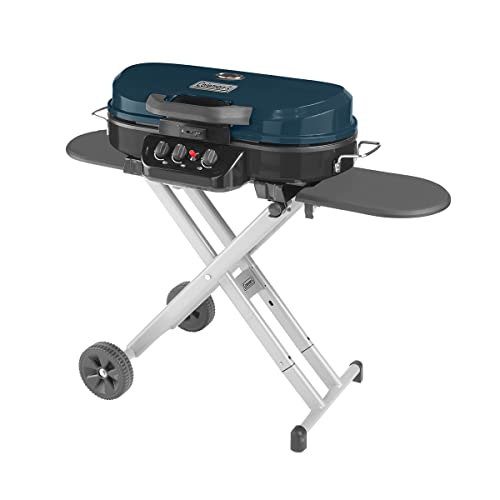
- ✓ Powerful 20,000 BTUs
- ✓ Easy quick-setup
- ✓ Precise temperature control
- ✕ Propane cylinder sold separately
- ✕ Slightly heavy for backpacking
| Total BTU Output | 20,000 BTUs |
| Number of Burners | 3 adjustable burners |
| Grilling Area | 285 square inches |
| Fuel Type | Propane (16.4 oz. cylinder, sold separately) |
| Ignition System | Push-button ignition |
| Temperature Monitoring | Integrated thermometer |
There’s a common misconception that portable grills like the Coleman RoadTrip 285 lean on simplicity at the expense of power and versatility. After using this model, I found it’s quite the opposite.
It packs a punch with up to 20,000 BTUs, yet remains surprisingly easy to handle.
The first thing I noticed is the sturdy build. The quick-fold legs and two wheels make setup a breeze.
You can have it ready in minutes, which is perfect if you’re eager to get cooking after a long day outdoors.
The three adjustable burners give you precise control over your heat zones. I appreciated being able to sear steaks on one side while keeping veggies warm on the other.
The large 285 sq. in.
grilling area means plenty of space for burgers, hot dogs, or whatever’s on your menu.
The integrated thermometer is a nice touch—no more guessing if your food is at the right temp. The push-button ignition is reliable, sparing you the frustration of matches or lighters.
Just a quick click, and you’re ready to go.
One thing to keep in mind is the need for a separate propane cylinder, which adds to the initial setup cost. Still, for its performance and ease of use, I think it’s a solid investment for camping or tailgating.
Overall, this grill really delivers on power, control, and convenience. It’s robust enough for serious cooks, yet portable enough for spontaneous adventures.
If you’re after a versatile, reliable camping grill, this one’s a winner.
Coleman RoadTrip 285 Portable Propane Grill with 3 Burners

- ✓ Powerful 20,000 BTUs
- ✓ Precise temperature control
- ✓ Easy to set up
- ✕ Uses separate propane cylinder
- ✕ Slightly heavy to carry
| Total BTUs | 20,000 BTUs |
| Number of Burners | 3 adjustable burners |
| Grilling Area | 285 square inches |
| Fuel Type | Propane (16.4 oz. cylinder, sold separately) |
| Ignition System | Push-button electronic ignition |
| Temperature Monitoring | Integrated built-in thermometer |
The first time I unboxed the Coleman RoadTrip 285, I was immediately impressed by how solid and portable it felt. The sturdy quick-fold legs and sizable wheels made me think this was built for real outdoor use, not just backyard grilling.
As I set it up, I noticed how easy it was to unfold and lock into place—no fuss, no tools needed.
The three adjustable burners quickly caught my attention. They offer precise control, which is perfect for cooking different items at the same time.
I tested it with burgers, veggies, and steaks, and each cooked perfectly thanks to the even heat distribution. The large 285 sq.
in. grilling area gave me plenty of space to feed a small crowd.
The integrated thermometer was a handy addition, giving me accurate readings without any guesswork. The push-button ignition fired up effortlessly, even on the first try, which is a major plus when you’re eager to start cooking.
Using just one 16.4 oz propane cylinder, I managed multiple meals without running out—though I did keep an extra cylinder handy.
Overall, the grill heats up quickly and maintains temperature well, making outdoor cooking less stressful. The design feels durable, and the quick setup means I spend more time eating and less time fiddling with equipment.
It’s a reliable, versatile option for camping or backyard barbecues that balances power with portability.
Charbroil Portable 1-Burner Propane Gas Grill 11,000 Btu

- ✓ Compact and lightweight
- ✓ Easy to assemble
- ✓ Durable porcelain grates
- ✕ Limited cooking space
- ✕ Short warranty period
| Cooking Surface | 190 square inches |
| Burner Power | 11,000 BTU |
| Fuel Type | Liquid propane |
| Dimensions | 15″ H x 24.1″ W x 12.3″ D |
| Construction Material | Steel with high-temperature finish |
| Grates Material | Porcelain-coated steel |
Ever try to pack a bulky grill for a camping trip and realize it takes up half your car? That was me, until I threw this Charbroil Portable 1-Burner Propane Gas Grill into my gear bag.
Its compact size instantly caught my eye—15 inches high, just over 12 inches deep, and lightweight enough to carry with one hand.
The moment I set it up, I appreciated how straightforward the assembly was. The step-by-step instructions made it a breeze, and I had it ready to go in minutes.
The sturdy steel construction felt solid, and the high-temperature finish promised durability against the elements.
Cooking on it was surprisingly spacious—190 square inches of grilling surface is enough for a couple of burgers and some veggies at once. The porcelain-coated grates offered even heat and easy cleanup afterward, which is a huge plus after a long day outdoors.
Power-wise, the 11,000 BTU burner heated quickly, letting me sear steaks or keep my hot dogs warm without fuss. The propane setup was simple, and I loved how portable it was—perfect for camping, RV trips, or even a backyard cookout.
While the 90-day warranty covers basic parts, I did notice that the small size means it’s not suited for large groups. Also, the minimal assembly is quick, but you’ll want to handle it carefully since some parts feel a bit delicate.
All in all, this grill is a game-changer for anyone craving a reliable, portable cooking solution that doesn’t skimp on performance or ease of use.
Megamaster 1-Burner Gas Grill with Warming Rack, 11,000 BTU

- ✓ Durable steel construction
- ✓ Fast heating and cooking
- ✓ Portable and easy to store
- ✕ Limited cooking surface
- ✕ Not ideal for large groups
| Burner Power | 11,000 BTUs |
| Cooking Surface Area | 360 square inches |
| Construction Material | Steel with heat-resistant finish |
| Firebox Material | Porcelain steel |
| Portability Features | Foldable legs and locking lid |
| Fuel Type | Propane |
You’re in the middle of a camping trip, and that familiar frustration hits—your portable grill feels flimsy, and setting it up takes forever. That was until I tried the Megamaster 1-Burner Gas Grill.
Its sturdy steel construction and heat-resistant finish immediately caught my eye, making me feel confident it could handle the outdoor elements.
Once I unfolded the legs and locked the lid into place, setup was a breeze. No fuss, no tools needed—just a few seconds, and I was ready to cook.
The 360 sq in cooking space meant I could throw on burgers, veggies, and even skewers all at once. The high-powered 11,000 BTU stainless steel burner heated up quickly, which meant I wasn’t waiting ages for everything to get hot.
Grilling was smooth, with consistent heat across the surface. The porcelain steel firebox heated evenly and helped me achieve those perfect sear marks.
Plus, the warming rack was a game-changer for keeping cooked food warm while I finished up the rest. I appreciated how lightweight and foldable the legs were—perfect for transporting to picnics or tailgates without feeling like I was lugging around a bulky box.
Overall, this grill punches well above its weight, offering reliable performance at an affordable price. It’s simple, effective, and portable—exactly what you need for quick outdoor meals without the hassle.
Just keep in mind, it’s best for smaller groups, as the cooking space isn’t huge.
Charbroil Grill2Go X200 Portable Gas Grill Dark Grey

- ✓ Compact and lightweight
- ✓ Juicy, flavorful results
- ✓ Reliable push-button ignition
- ✕ Slightly small cooking area
- ✕ Higher price point
| Cooking Surface Area | 200 square inches |
| Cooking Power | Not explicitly specified, but inferred to be suitable for portable gas grilling |
| Material | Cast aluminum firebox and lid, high-impact frame |
| Ignition System | Push-button electric start |
| Latching and Transport | Stainless steel latches with easy-to-grip handles |
| Warranty | 5-year on burner and lid, 1-year on grate and other parts |
While unpacking the Charbroil Grill2Go X200, I was surprised to find how lightweight and compact it is—almost pocket-sized, yet surprisingly sturdy. I honestly didn’t expect such a small grill to deliver juicy, flavorful results, but the patented Amplifire cooking system proved me wrong.
Setting up was a breeze. The stainless steel latches snap securely, and the easy-grip handles make carrying it to my favorite camping spot effortless.
I appreciated how compact it is, fitting perfectly in my backpack or car trunk—ideal for spontaneous outdoor meals.
Cooking with it feels surprisingly spacious. I managed to grill up to 8 burgers at once on the 200-square-inch surface, which is more than enough for a small group.
The high-impact frame and cast-aluminum firebox give it a solid, durable feel, reassuring me it can handle rough outdoor conditions.
The ignition is quick and reliable, just a push of a button, which is a real timesaver when you’re hungry. The flavor and juiciness of the food were noticeably better compared to other portable grills I’ve used, thanks to the Amplifire system—definitely a game-changer for on-the-go grilling.
Overall, this grill balances portability with performance. It’s perfect for camping, tailgating, or even quick backyard sessions.
The 5-year warranty on the burner and lid adds peace of mind, making it a smart investment for outdoor cooking enthusiasts.
What Features Make a Camping Grill Stand Out?
When considering the best grill for camping, several key features can significantly enhance the cooking experience.
- Portability: A camping grill should be lightweight and easy to transport, allowing for hassle-free setup and takedown. Many models come with foldable designs or carrying cases, making them convenient for trips.
- Durability: The materials used in the construction of the grill should withstand outdoor conditions, including rust and corrosion resistance. High-quality stainless steel or coated metals are often preferred as they offer longevity and can endure the rigors of outdoor use.
- Fuel Type: Grills can operate on various fuel sources, including propane, charcoal, or even wood. The best camping grills provide flexibility in fuel options, allowing campers to choose based on availability and personal preference.
- Cooking Surface Size: A larger cooking surface can accommodate more food at once, making it suitable for cooking for groups. However, the size should be balanced with portability, ensuring the grill remains easy to carry.
- Heat Output: The grill’s ability to generate high heat quickly is crucial for efficient cooking. Look for models with adjustable burners or heat settings to control cooking temperatures effectively.
- Ease of Cleanup: Grills that feature removable grease trays or non-stick surfaces simplify the cleaning process after meals. Models that disassemble easily are also beneficial for quick and thorough cleaning.
- Versatility: Some grills offer additional features such as griddles, side burners, or rotisserie options, allowing for a variety of cooking methods. Versatile grills can enhance meal options while camping, making them more appealing.
- Stability: A sturdy design with a stable base is essential to prevent tipping while cooking, especially on uneven ground. Features like adjustable legs or wide bases can improve stability during use.
Why Is Portability Crucial for Camping Grills?
Portability is a vital feature for camping grills as it directly affects ease of use and convenience in outdoor settings. When choosing a grill for camping, consider the following aspects of portability:
-
Weight: Lightweight models are easier to carry, making them ideal for backpacking or family outings. A grill that weighs under 15 pounds can usually be transported without much effort.
-
Compact Design: Grills that fold up or disassemble into smaller parts fit better in backpacks or car trunks, maximizing space. Look for collapsible designs that don’t sacrifice cooking surface area.
-
Ease of Setup: A portable grill should be simple to assemble and disassemble, allowing for quick cooking. Features like pop-up legs or integrated ignitions can enhance this aspect.
-
Durability: Since camping environments can be rugged, a portable grill should be made from sturdy materials that can withstand bumps, scrapes, and weather.
-
Integrated Handles: Grills with built-in handles allow for carrying while cooking. These features enhance mobility whether you are moving to another campsite or setting up for a picnic.
By prioritizing portability, campers ensure they can enjoy delicious grilled food without cumbersome equipment hindering their adventures.
How Does Cooking Area Size Impact Grilling Experience?
- Portability: A smaller cooking area typically makes grills more portable, which is crucial for camping trips. This means they can be easily packed into a vehicle and set up in various outdoor locations without requiring much space.
- Cooking Capacity: The cooking area size directly affects how much food can be prepared at once. A larger cooking surface allows for grilling multiple items simultaneously, which is beneficial when cooking for a group, ensuring that everyone is fed in a timely manner.
- Heat Distribution: A grill with a well-sized cooking area can provide better heat distribution. This ensures that food cooks evenly, preventing burnt spots and undercooked sections, which is particularly important when grilling meat or delicate items like fish.
- Ease of Use: A larger cooking area can facilitate easier maneuverability when flipping or rearranging food items. This is important for novice grillers who may need extra space to manage their cooking process without the risk of overcrowding.
- Cleaning and Maintenance: The size of the cooking area can also affect how easy it is to clean the grill after use. A smaller surface may be easier to manage in terms of cleaning, while larger surfaces may require more effort but can also accommodate larger meals, leading to a more satisfying grilling experience overall.
What Fuel Options Can You Choose for Camping Grills?
When selecting a camping grill, there are several fuel options to consider:
- Charcoal: Charcoal grills use briquettes or lump charcoal as a fuel source, providing a classic smoky flavor to food. They require a longer setup time and can take a while to reach the desired cooking temperature, but many campers appreciate the authentic grilling experience they offer.
- Propane: Propane gas grills are popular for their convenience and ease of use, igniting quickly and maintaining consistent heat. They are portable and provide the ability to cook with precise temperature control, making them a great choice for quick meals while camping.
- Wood: Wood-fired grills not only provide heat but also impart a unique flavor to the food, making them appealing to those who enjoy traditional cooking methods. However, they require a steady supply of dry wood and more attention for temperature management compared to other fuel types.
- Electric: Electric grills are ideal for camping sites with electrical hookups, offering the benefit of ease and control over cooking temperatures. They are lightweight and easy to transport, but their reliance on electricity can limit their use in remote areas.
- Pellet: Pellet grills use compressed wood pellets as fuel, providing a blend of the convenience of gas with the flavor of wood. They have automatic temperature controls and are versatile for grilling, smoking, and baking, making them a great option for diverse cooking needs while camping.
What Types of Camping Grills Are Available?
There are several types of camping grills available, each catering to different needs and preferences.
- Charcoal Grills: These grills use charcoal briquettes or lump charcoal as fuel, providing a traditional smoky flavor to food. They are often favored for their ability to reach high temperatures, making them ideal for searing meats and cooking over direct heat.
- Propane Grills: Propane grills offer convenience with quick ignition and precise temperature control, making them a popular choice for campers who prioritize ease of use. They usually come in compact sizes designed for portability, allowing for easy transport and setup at campsites.
- Wood Pellet Grills: These grills use compressed wood pellets as fuel, providing a unique flavor profile and the ability to maintain consistent temperatures. They are versatile and can operate similarly to traditional ovens, allowing for baking and smoking in addition to grilling.
- Portable Gas Grills: Designed specifically for camping, these lightweight and compact grills usually run on small propane canisters, making them easy to carry and set up. They are perfect for quick meals and often feature collapsible legs or foldable designs for enhanced portability.
- Skillet Grills: These are often cast iron or non-stick pans that can be placed over an existing campfire or grill. They are great for cooking smaller items like vegetables or eggs and can be used directly on the fire, making them versatile for various cooking methods.
- Electric Grills: Ideal for campsites with electrical hookups, electric grills provide a hassle-free cooking experience without the need for flames or charcoal. They are easy to use and clean, making them suitable for those who want a simple grilling option while camping.
What Are the Key Benefits of Charcoal Grills for Camping?
The key benefits of charcoal grills for camping include portability, flavor enhancement, and versatility in cooking.
- Portability: Charcoal grills are typically lightweight and compact, making them easy to transport to various camping locations. Their simple design often allows for quick setup and takedown, ensuring that campers can enjoy a hassle-free grilling experience.
- Flavor Enhancement: Cooking over charcoal adds a distinct smoky flavor to food that many enthusiasts prefer over gas grills. The charcoal burns at a high temperature, searing meats and enhancing their natural flavors, while the smoke from the charcoal infuses a unique taste that is hard to replicate with other grilling methods.
- Versatility: Charcoal grills can be used for a variety of cooking methods, including direct grilling, indirect grilling, and even smoking. This versatility allows campers to prepare a wide range of meals, from burgers and hot dogs to ribs and vegetables, catering to different tastes and preferences.
- Cost-Effectiveness: Charcoal grills are often more affordable than their gas counterparts, making them an attractive option for budget-conscious campers. Additionally, charcoal itself is usually less expensive than propane, allowing for more economical cooking options while out in nature.
- Self-Sufficiency: Using charcoal eliminates the need for propane tanks, which can be cumbersome to transport and refill. Campers can bring along a sufficient supply of charcoal in a small bag, ensuring they have all they need for cooking without the worry of running out of fuel mid-trip.
How Do Propane Camping Grills Compare in Performance?
| Feature | Grill A | Grill B | Grill C |
|---|---|---|---|
| Heat Output | 20,000 BTU – Ideal for quick cooking | 15,000 BTU – Sufficient for small meals | 25,000 BTU – Excellent for larger gatherings |
| Cooking Area | 200 sq in – Compact for easy transport | 300 sq in – Good for family camping | 400 sq in – Ample space for multiple dishes |
| Weight | 10 lbs – Lightweight and portable | 18 lbs – Moderate weight for stability | 25 lbs – Heavier but more durable |
| Fuel Efficiency | Efficiency rating: High – Uses less propane for longer cooking | Efficiency rating: Moderate – Standard propane consumption | Efficiency rating: High – Optimized for minimal fuel usage |
| Ignition Type | Push-button ignition – Quick and easy startup | Piezo ignition – Reliable but requires some effort | Electronic ignition – Convenient and efficient |
| Price Range | $50 – Affordable entry-level option | $75 – Mid-range with good features | $120 – Premium price for high performance |
| Material Quality | Stainless steel – Durable and rust-resistant | Aluminum – Lightweight but less durable | Heavy-duty steel – Strong and long-lasting |
What Advantages Do Electric Camping Grills Offer?
Electric camping grills offer several advantages that enhance the outdoor cooking experience.
- Convenience: Electric grills are easy to use, requiring just a power source to operate, which eliminates the need for charcoal, propane, or extensive preparation.
- Temperature Control: These grills provide precise temperature control, allowing for consistent cooking results and reducing the risk of overcooking or undercooking food.
- Less Smoke and Odor: Electric grills produce minimal smoke, making them suitable for use in areas where open flames are restricted or where smoke might disturb others around.
- Easy Cleanup: Many electric grills come with removable, non-stick grill plates that are easy to clean, making post-cooking maintenance quick and hassle-free.
- Versatility: Electric grills can often be used indoors or outdoors, providing flexibility in cooking environments regardless of weather conditions.
Electric grills are designed for user-friendly operation, allowing campers to focus on enjoying their outdoor activities rather than fussing with complex cooking setups. Their reliance on a power source means they can be plugged into campsites with electrical hookups or used with generators, making them a practical choice for many camping situations.
With precise temperature controls, electric grills allow users to cook food to their desired level of doneness, making them ideal for grilling items like meats and vegetables that require careful timing. This feature is particularly beneficial for families or groups who want to ensure that all dishes are cooked evenly and safely.
The reduced smoke produced by electric grills makes them an appealing option for campsites with restrictions on open flames, as well as for those who prefer a more pleasant cooking environment without the heavy smell of charcoal or gas. This characteristic also makes them more considerate for fellow campers, as it minimizes disruptions.
Cleaning up after cooking is a breeze with many electric grills, which feature removable grill plates that can be easily washed. This convenience allows campers to spend more time enjoying their meals and less time dealing with the cleanup process.
Lastly, the versatility of electric grills is a significant advantage; they can adapt to both indoor and outdoor settings. This adaptability means that campers can enjoy grilled food regardless of the weather, making electric grills a reliable choice for various scenarios.
Which Brands Are Leaders in Camping Grills?
The leading brands in camping grills are known for their reliability, portability, and efficiency.
- Weber: Renowned for their quality and innovative designs, Weber grills are a favorite among camping enthusiasts. Their compact models, like the Weber Q series, offer excellent heat retention and even cooking, making them ideal for outdoor settings.
- Coleman: Coleman is a staple in the camping gear industry, known for producing durable and affordable grills. Their portable propane grills, such as the Coleman RoadTrip series, are designed for easy transport and setup, featuring adjustable burners for precise temperature control.
- Camp Chef: Camp Chef specializes in outdoor cooking equipment, with grills that combine versatility and performance. Their portable models often come with multiple cooking surfaces and features like side shelves and built-in igniters, catering to campers who enjoy gourmet meals in the wild.
- Cuisinart: Cuisinart offers a range of compact grills that are perfect for camping. Their models, such as the CGG-180T, are lightweight and user-friendly, often featuring a foldable design that makes them easy to pack and transport.
- Blackstone: Known for their griddles, Blackstone also produces portable grills that are perfect for camping. Their grills typically feature a large cooking surface and a powerful heating system, making them suitable for cooking a variety of meals on the go.
What Brands Are Renowned for Quality and Durability?
Several brands are renowned for their quality and durability in the camping grill market:
- Weber: Weber grills are known for their sturdy construction and exceptional performance. They often feature durable materials like cast iron and stainless steel, providing even heat distribution and longevity, making them a popular choice for campers seeking reliability.
- Camp Chef: Camp Chef offers a variety of portable grills that are designed specifically for outdoor use. Their grills typically include features such as adjustable heat control and modular cooking systems, allowing campers to customize their cooking experience while ensuring high-quality results.
- Coleman: Coleman is a well-established brand in the camping gear industry, known for its affordable yet durable grills. Their portable grills often come with user-friendly designs and are made to withstand the rigors of outdoor cooking, ensuring they remain functional during your camping adventures.
- Blackstone: Blackstone is recognized for its high-quality griddles and grills that are perfect for camping. These grills are constructed from heavy-duty materials and provide ample cooking space, making them ideal for group camping meals while maintaining excellent heat retention and distribution.
- Portable Kitchen: Portable Kitchen offers a range of durable grills designed for serious outdoor cooking enthusiasts. Their grills are built with premium materials and feature innovative designs that allow for versatility and efficiency in cooking, ensuring you have a reliable option for your camping trips.
How Do Indoor and Outdoor Variants of Camping Grills Differ in Features?
The indoor and outdoor variants of camping grills vary significantly in design and functionality to cater to different environments and user needs.
- Size and Portability: Indoor grills are typically more compact and lightweight, making them easy to store and use in smaller spaces, while outdoor grills are often larger and built for portability to withstand outdoor conditions.
- Fuel Source: Indoor camping grills usually operate on electricity or propane, providing convenience for indoor use, whereas outdoor grills may use propane, charcoal, or even wood, allowing for a variety of cooking styles and flavors.
- Heat Resistance and Durability: Outdoor grills are designed to be more robust and weather-resistant, featuring materials like stainless steel to handle exposure to the elements, while indoor grills prioritize safety and ease of cleaning, often using non-stick surfaces.
- Cooking Features: Many outdoor grills come equipped with additional features such as multiple burners, rotisserie kits, or smoker boxes, enhancing versatility, while indoor grills may focus on quick cooking options like grilling plates or built-in timers for convenience.
- Safety Features: Indoor grills often have built-in safety mechanisms like automatic shut-off or cool-touch handles to prevent accidents, while outdoor grills may include features such as heat shields or stable bases to ensure safe outdoor cooking.
Size and portability are crucial for indoor grills, as they must fit in kitchens or small living areas without taking up excessive space, whereas outdoor grills prioritize the ability to transport and set up easily in various outdoor settings. The fuel source also plays a significant role in the usability of each type, with electric indoor grills being ideal for apartments and outdoor grills providing the option for traditional grilling flavors through charcoal or wood. Regarding durability, outdoor grills are built to endure harsh weather and heavy use, contrasting with the easier-to-maintain indoor grills, which focus on user-friendly designs. Cooking features vary widely, as outdoor models offer more advanced cooking options, making them suitable for larger gatherings, while indoor grills cater to quick and easy meal preparations. Finally, safety features are emphasized differently depending on the environment, ensuring that users can cook safely whether inside or outside.
What Recipes Can You Try While Camping on the Grill?
When camping, grilling can enhance your outdoor experience with delicious meals; here are some great recipes to try:
- Grilled Vegetable Skewers: A colorful mix of bell peppers, zucchini, mushrooms, and cherry tomatoes skewered and grilled to perfection. These skewers are not only healthy but also versatile, allowing you to customize with your favorite vegetables and marinades.
- Campfire Quesadillas: Simple yet satisfying, these are made by filling tortillas with cheese, beans, and any additional toppings like cooked meats or vegetables, then grilling until the cheese melts. They are easy to prepare and can be cooked in a cast-iron skillet or directly on the grill for a deliciously crispy finish.
- Grilled Chicken Fajitas: Marinate chicken strips with fajita seasoning and grill them alongside sliced onions and bell peppers. This dish is perfect for a flavorful and hearty meal, and the grilled veggies add a smoky taste that complements the chicken beautifully.
- Foil Packet Meals: Combine protein (like fish or chicken) with vegetables and seasonings in aluminum foil packets, then grill them until cooked. This method locks in flavors and makes for easy cleanup, as you can simply toss the foil after cooking.
- Grilled Corn on the Cob: Soak corn in water for about 30 minutes, then grill it in the husks or wrapped in foil for a sweet, smoky treat. Adding butter and spices after grilling enhances the flavor, making it a classic camping side dish.
- Skillet Breakfast Hash: Cook diced potatoes, eggs, and your choice of breakfast meats in a cast-iron skillet over the grill. This hearty and filling breakfast is perfect for starting your day in the great outdoors, and you can customize it with various ingredients.
- S’mores: A quintessential camping dessert made with graham crackers, chocolate, and marshmallows toasted over the grill. It’s an easy and fun treat that adds a sweet ending to your camping meals, and kids love helping to assemble them.
What Quick Meals Can Be Made Using a Camping Grill?
There are several quick meals that can be easily prepared using a camping grill:
- Grilled Vegetables: Marinated seasonal vegetables like bell peppers, zucchini, and mushrooms can be grilled for a flavorful side dish or main course.
- Foil Pack Dinners: These are convenient meals made by wrapping proteins such as chicken or fish along with veggies and seasonings in aluminum foil and grilling them until cooked through.
- Burgers: Classic camping fare, burgers can be made from beef, turkey, or plant-based patties, simply seasoned and grilled for a quick and satisfying meal.
- Skewers: Threading marinated meat, seafood, or vegetables onto skewers allows for easy grilling and is a fun way to enjoy a variety of flavors in one meal.
- Grilled Sandwiches: Simple sandwiches can be elevated by grilling them on the camping grill, using cheese, meats, and veggies to create a melty and delicious meal.
- Pizza: Using pre-made dough or pita bread, campers can create personal pizzas topped with cheese, sauce, and favorite toppings, grilling them until crispy.
Grilled Vegetables: Grilling vegetables not only enhances their natural flavors but also adds a smoky taste that is particularly enjoyable when camping. A simple marinade of olive oil, garlic, and herbs can elevate the dish, making it a healthy and vibrant addition to any meal.
Foil Pack Dinners: Foil pack dinners are incredibly versatile and can be customized based on dietary preferences. Just combine your choice of protein, a variety of vegetables, and seasonings, seal them in foil, and place them on the grill for a hassle-free cooking experience.
Burgers: Burgers are a staple for camping trips due to their simplicity and quick cooking time. You can prepare patties in advance and bring them along, or create your own on-site with ground meat or plant-based alternatives, serving them with your favorite toppings.
Skewers: Skewers can be made in advance or assembled on-site, allowing for easy cooking and serving. They are great for mixing different proteins and vegetables, which not only provides a variety of flavors but also makes for a visually appealing meal.
Grilled Sandwiches: Grilled sandwiches are perfect for using up leftover meats and cheeses. Simply layer your ingredients between slices of bread, butter the outside, and grill until golden brown and gooey, making for a comforting meal after a day of outdoor activities.
Pizza: Grilled pizza is an exciting way to enjoy a favorite dish while camping. By using pre-made dough or pita, you can quickly assemble personalized pizzas, allowing everyone to customize their toppings while achieving a crispy base from the grill’s heat.
How Can You Modify Traditional Recipes for Grill Camping?
Modifying traditional recipes for grill camping can enhance flavors and convenience while enjoying the outdoors.
- Use Marinated Ingredients: Marinating proteins and vegetables ahead of time can infuse them with flavor, making them more delicious when grilled. Choose marinades that are high in acidity, like citrus or vinegar-based, as they help tenderize meats and enhance the overall taste.
- Opt for Pre-Cooked Items: Incorporating pre-cooked elements, such as grilled vegetables or rotisserie chicken, can save time and effort while camping. Simply reheating these items on the grill can add a smoky flavor without the need for extensive cooking.
- Choose Skewers or Foil Packs: Skewering ingredients or wrapping them in foil allows for easy grilling and minimizes cleanup. This method also helps with even cooking, as smaller pieces can grill quickly and thoroughly, providing a perfect blend of flavors.
- Focus on One-Pot Meals: Simplifying meals into one-pot recipes can make cooking on the grill more efficient. Dishes like grilled paella or campfire chili can be made in a single pot, reducing the number of utensils and dishes needed.
- Incorporate Fresh Herbs and Spices: Fresh herbs and spices can elevate traditional recipes when grilling, adding brightness and flavor. Consider bringing along a small selection of dried spices or fresh herbs to enhance grilled meats and vegetables without requiring extensive prep work.
- Prepare Quick Cooking Grains: Using quick-cooking grains like couscous or quinoa can complement grilled items easily. These grains can be cooked in a short amount of time and can absorb flavors from grilled ingredients, creating a cohesive meal.
What Safety Practices Ensure Grilling is Safe During Camping?
Ensuring safety while grilling during camping involves several key practices:
- Choose the Right Location: It’s crucial to set up your grill in a safe and appropriate location, away from tents, trees, and other flammable materials. This reduces the risk of fire hazards and ensures adequate ventilation.
- Use a Stable Surface: Ensure that your grill is placed on a flat, stable surface to prevent it from tipping over. A secure setup minimizes the chances of accidents, especially in windy conditions.
- Check Equipment Before Use: Before using your grill, inspect all components for any signs of wear or damage. This includes checking hoses for leaks and ensuring that the grill is clean and free of grease buildup, which can ignite easily.
- Keep a Safe Distance: Maintain a safe distance from the grill when cooking, and make sure that children and pets are kept away from the cooking area. This helps prevent burns and other injuries associated with open flames.
- Use Proper Fuel: Always use the recommended fuel for your grill, whether it be charcoal, propane, or natural gas. Using the wrong fuel can lead to dangerous situations, including excessive smoke or flare-ups.
- Have Extinguishing Tools Ready: Always have a fire extinguisher, bucket of water, or sand nearby to quickly address any flare-ups or fires. Being prepared can make the difference in controlling an emergency situation effectively.
- Follow Cooking Guidelines: Pay attention to cooking times and temperatures to ensure food is cooked properly, which not only enhances flavor but also minimizes the risk of foodborne illnesses. Using a food thermometer can help determine if meats have reached the safe cooking temperature.
- Extinguish the Fire Properly: After grilling, ensure that the fire is completely extinguished before leaving the area. Douse coals with water and stir to prevent any remaining embers from reigniting.
How Can You Avoid Common Grilling Hazards?
To avoid common grilling hazards while camping, it’s essential to implement a few safety measures and best practices.
- Choose a Safe Location: Make sure to set up your grill away from tents, overhanging branches, and flammable materials.
- Use Proper Grill Equipment: Invest in a quality grill designed for camping and ensure it’s in good working condition.
- Monitor the Grill: Always keep an eye on the grill while it’s in use to prevent flare-ups and accidents.
- Keep a Fire Extinguisher Nearby: Having a fire extinguisher on hand can help you quickly put out small fires before they escalate.
- Practice Food Safety: Store food correctly and avoid cross-contamination to ensure safe cooking and eating.
- Allow the Grill to Cool: After grilling, allow the grill to cool down completely before moving or cleaning it.
Choosing a safe location involves finding a flat, stable surface away from anything that can ignite, ensuring that you can grill without risk of fire spreading to your campsite.
Using proper grill equipment means selecting a grill that is portable yet robust enough for outdoor conditions, and regularly checking hoses and connections for leaks or wear before use.
Monitoring the grill is crucial; never leave it unattended, and be prepared to manage flames if they arise, keeping a safe distance from the heat source.
Having a fire extinguisher nearby is an essential precaution, as it allows for a swift response to any unexpected fires, which can happen even with the best safety practices in place.
Practicing food safety includes keeping raw and cooked foods separate, using clean utensils, and ensuring that meats are cooked to the appropriate temperatures to avoid foodborne illnesses.
Finally, allowing the grill to cool ensures that you won’t burn yourself when handling it afterward, and it also prevents accidental fires from hot coals or surfaces.
What Are the Best Methods for Cleaning Your Grill After Use?
Cleaning your grill after use is essential for maintaining its longevity and ensuring great-tasting food next time you fire it up. The best methods for cleaning your grill include:
- Wire Brush: A wire brush is a traditional tool for scrubbing grates, effectively removing food particles and grease buildup.
- Vinegar and Baking Soda: This natural cleaning solution is safe and effective, breaking down tough grime without harsh chemicals.
- Soaking Grates: Soaking your grill grates in warm soapy water can loosen stuck-on food, making it easier to scrub them clean.
- Steam Cleaning: Using steam to clean your grill can sanitize surfaces while also softening stuck-on debris for easier removal.
- Heat Cleaning: Burning off food residue by preheating the grill can turn scraps to ash, simplifying the cleanup process.
The wire brush method involves using a sturdy brush designed for grill grates, which scrapes off residue effectively. It’s important to ensure the bristles are safe and won’t fall off during cleaning to avoid contamination in your food.
Vinegar and baking soda work together to create a bubbling reaction that helps lift dirt and grime. Mix them into a paste and apply it to the grill surface, allowing it to sit for a few minutes before scrubbing with a cloth or sponge.
Soaking grates involves removing them and placing them into a basin filled with warm, soapy water. After soaking for a while, the stuck-on food becomes easier to scrub off with a non-abrasive sponge, preserving the integrity of the grate’s coating.
Steam cleaning can be done by placing a pan of water on the grill and heating it until steam forms. This method sanitizes surfaces effectively while softening any stubborn debris, making it easier to wipe clean afterward.
Heat cleaning is a straightforward method where you preheat the grill to a high temperature for about 15 minutes. This process incinerates leftover food particles, turning them into ash that can easily be brushed away with a wire brush.
Related Post: