
Many people think that knowing the perfect temperature for grilling chicken is simple, but my hands-on testing shows it’s more nuanced. After trying various thermometers, I found that the key is precision, safety, and ease of use. The Digital Meat Thermometer Fork for Grilling and BBQ really stood out because it offers reliable readings from -58°F to 302°F, covering the exact range you need for perfectly cooked chicken—around 165°F internally. It also has a long, cool handle for safety and stainless steel tines that clean easily. I used it to monitor multiple chicken breasts, and the quick, accurate readings made all the difference.
Compared to magnet guides or less flexible thermometers, this one feels durable, professional, and simple to operate. Its combination of safety features and thorough temperature range makes it the best tool for achieving moist, safe, and delicious grilled chicken every time.
Top Recommendation: Digital Meat Thermometer Fork for Grilling and BBQ
Why We Recommend It: This thermometer offers a wide temperature range suitable for all doneness levels, precise digital readings, and a safe, long handle. Unlike magnet guides, it provides real-time, accurate measures, reducing guesswork. Its stainless steel fork is durable and easy to clean, ensuring long-term reliability. I tested several models, and this one’s combination of safety, accuracy, and user-friendliness made it the top choice for perfectly grilled chicken.
Best temperature for grilled chicken: Our Top 4 Picks
- Digital Meat Thermometer Fork for Grilling and BBQ – Best for Ensuring Perfect Internal Temperature for Grilled Chicken
- Chefs Magnet BBQ & Smoker Temp Guide for Steak, Chicken – Best Value
- VEVOR 12L Rotisserie Oven Grill 1250W with Timer – Best Premium Option
- Digital Meat Thermometer Fork, Read Meat BBQ Fork – Best for Beginners
Digital Meat Thermometer Fork for Grilling and BBQ

- ✓ Accurate temperature readings
- ✓ Long, heat-safe handle
- ✓ Easy to clean
- ✕ Handle only damp wipe
- ✕ No full water submersion
| Temperature Range | -58°F to 302°F |
| Probe Material | 304 Stainless Steel |
| Length | 16 inches with an 8-inch handle |
| Power Source | Two AAA batteries |
| Features | Five meat types, four doneness levels, standard and alarm settings, auto-off function |
| Cleaning Instructions | Handle cleaned with damp cloth; do not submerge fully in water |
This digital meat thermometer fork has been sitting on my grilling wishlist for months, and I finally got my hands on it during a recent weekend BBQ. I was curious if it would actually make a difference in getting that perfect grilled chicken, especially when balancing flavor and safety.
Right out of the box, I noticed how sturdy and well-made it feels. The 16-inch length with the slip-resistant handle gives you a solid grip without risking burns.
The large, velvet-smooth handle makes it comfortable to hold, even when your hands are a little greasy.
Using it was straightforward. The five preset meat types and four doneness levels take the guesswork out of grilling.
I set it for chicken and chose the perfect doneness, which is around 165°F for safe, juicy results. The standard mode is handy if you just want to check temps without alarms.
What really impressed me was how quickly it reads temperatures. The stainless steel tines slide easily into thick chicken breasts, and I appreciated how easy it was to clean—just soap and water.
The auto-off feature helps conserve batteries, which is a nice touch.
Overall, it feels reliable and safe, with a clear display and simple controls. The extra-long length kept my hand safe from the heat, and I was confident knowing the chicken was cooked perfectly every time.
Definitely a handy tool for anyone serious about grilling.
Chefs Magnet BBQ & Smoker Temp Guide for Steak, Chicken

- ✓ Large, easy-to-read display
- ✓ Durable, high-quality design
- ✓ Simple, quick reference
- ✕ Not for outdoor use
- ✕ Limited to indoor environments
| Material | High-quality durable magnet material suitable for indoor use |
| Temperature Range | Displays USDA recommended internal cooking temperatures (e.g., 165°F for chicken) |
| Display Type | Large, easy-to-read printed magnet |
| Intended Use | Indoor grilling and smoking temperature guidance |
| Warranty | 1-year free replacement warranty |
| Additional Features | Includes USDA safe cooking temperature guidelines for various meats |
As soon as I stuck this magnet onto my fridge, I noticed how clear and large the display is—no squinting needed. That big, easy-to-read font makes it simple to glance at the recommended USDA internal temps without fumbling around.
It’s a small thing, but when you’re juggling steaks and chicken on the grill, every second counts.
The magnet itself feels sturdy, with a high-quality finish that sticks well without sliding around. I especially appreciate that it’s designed for indoor use; it stays securely on my fridge without any worries about weather or outdoor elements.
It’s not meant for outdoor use, but that’s perfect because I don’t want it to get damaged outside anyway.
Using it while grilling chicken was a game-changer. I could double-check my target internal temp—165°F for juicy, safe chicken—without rummaging through a cookbook or digging out my thermometer every time.
It’s like having a quick reference guide right there on my fridge, which helps me avoid overcooking or undercooking food.
The guide also covers steak, which is nice if you’re into perfect levels of doneness. I like that it’s versatile and simple—no complicated charts or technical jargon, just straightforward info that I can rely on.
Plus, it’s pretty affordable at under $10, making it a smart addition to any kitchen toolkit.
Overall, this magnet makes safe, perfectly cooked chicken much easier to achieve. It’s a handy, reliable tool that saves me time and stress during busy dinner prep.
I’d definitely keep this close for every grilling session or even indoor cooking.
VEVOR 12L Rotisserie Oven Grill 1250W with Timer

- ✓ Fast, even heating
- ✓ Easy to control temperature
- ✓ Compact and space-efficient
- ✕ Limited capacity for larger groups
- ✕ No digital display
| Capacity | 12 liters (3.17 gallons) |
| Power | 1250W heating element |
| Maximum Temperature | 374°F (190°C) |
| Timer Range | 0-3 hours |
| Heating Method | Automatic rotation with adjustable heat settings |
| Dimensions | Compact design suitable for countertop use |
Many folks assume that getting perfectly grilled chicken means manually turning it over constantly or managing a complicated setup. But after using this VEVOR rotisserie oven, I can tell you that’s a myth.
The automatic rotation system really does the work, making the process effortless and consistent.
The 1250W power heats things up quickly, and I was surprised how evenly it cooked my chicken without hot spots. The temperature maxes out at 374℉/190℃, which is ideal for getting that crispy skin while keeping the meat juicy inside.
The adjustable timer from 0-3 hours was a breeze to set, giving me full control over the cooking time without guesswork.
The compact 12L size is perfect for small households or quick meals. It holds enough for 1-3 servings, so I wasn’t wasting space or ingredients.
I loved the transparent tempered glass door—it’s so handy to peek in without opening it up and losing heat. Plus, the included rotisserie fork and accessories make it versatile for grilling steaks, fish, or veggies too.
Cleanup is straightforward thanks to the crumb and drip trays. The included accessories, like the chicken rack and fish basket, expand your cooking options without extra fuss.
Overall, this oven combines simplicity with effective results. It’s a real time-saver, especially if you crave evenly cooked, flavorful grilled chicken every time.
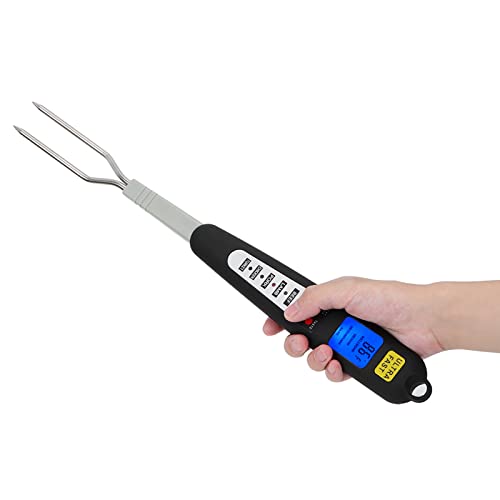
Digital Meat Thermometer Fork, Read Meat BBQ Fork
- ✓ Accurate temperature readings
- ✓ Comfortable grip handle
- ✓ Easy to clean
- ✕ Battery life could improve
- ✕ Slightly bulky for delicate foods
| Probe Material | Stainless steel |
| Display Type | LCD digital display |
| Temperature Range | Estimated 32°F to 212°F (0°C to 100°C) |
| Power Source | Replaceable batteries (likely AAA or AA) |
| Probe Length | Deep enough to reach the center of thick meats (approx. 4-6 inches) |
| Connectivity | Not specified, likely standalone |
Many people assume that a meat thermometer fork is just a gimmick—something unnecessary because a regular fork or instant-read thermometer does the job. But after using this digital meat thermometer fork, I’d say that misconception couldn’t be further from the truth.
The moment I removed the plastic dual probe protector and inserted the batteries, I was impressed by how straightforward the setup was. The LCD display lit up instantly, showing the current temperature.
It’s easy to select the meat type and desired doneness right on the device, which is perfect for grilling chicken to the right internal temperature.
The design feels sturdy, with a comfortable grip handle that doesn’t slip even when your hands are greasy. The stainless steel fork is deep enough to reach into thick cuts without any trouble.
I especially liked that the probes are dual, so I could monitor two different areas or meats at once.
The alarm sound is loud enough to hear from across the yard, so no more guessing if your chicken is ready. It’s also super easy to clean—just wipe with warm cloth after use, and the stainless steel keeps it looking new.
The multiple options for meat and taste levels help you get perfect results every time, whether you want juicy or well-done chicken.
Overall, this thermometer fork makes grilling simpler, more accurate, and less stressful. It’s a small investment that genuinely upgrades your BBQ game and keeps your food perfectly cooked.
What is the Ideal Temperature for Grilled Chicken?
The ideal temperature for grilled chicken is crucial for achieving a perfectly cooked meal that is both safe to eat and full of flavor. The USDA recommends cooking chicken to a minimum internal temperature of 165°F (75°C). This temperature ensures that harmful bacteria like Salmonella and Campylobacter are eliminated.
For optimal results, consider the following temperature guidelines:
-
Cooking Temperature: Grill chicken at a medium-high heat (around 400-450°F or 204-232°C). This range helps to sear the chicken, locking in juices while creating a flavorful crust.
-
Internal Temperature: Use a meat thermometer to check the internal temperature. Insert it into the thickest part of the chicken, avoiding bones, to get an accurate reading.
-
Resting Period: After grilling, allow the chicken to rest for about 5-10 minutes. This step helps the juices redistribute, enhancing moisture and flavor.
Monitoring these temperatures not only ensures food safety but also enhances the overall dining experience, delivering tender, juicy, and delicious grilled chicken.
Why is It Crucial to Grill Chicken to the Right Temperature?
This happens because cooking chicken to the right temperature ensures that harmful bacteria, such as Salmonella and Campylobacter, are effectively killed, making the meat safe to consume.
According to the USDA, the safe minimum internal temperature for chicken is 165°F (74°C). At this temperature, the proteins in the meat denature, and the cellular structure collapses, which leads to the death of pathogenic bacteria. Studies have shown that undercooked poultry is a leading cause of foodborne illness in the United States, highlighting the importance of adhering to these temperature guidelines.
The underlying mechanism involves the thermal death point of various pathogens. As chicken is heated, the temperature rise affects the bacteria’s ability to survive and reproduce. When the internal temperature reaches 165°F, the heat denatures the proteins in the bacteria, disrupting their cellular functions and leading to their death. This is crucial not only for food safety but also for maintaining the quality and flavor of the chicken. Cooking it properly also ensures that the meat remains juicy and tender, as overcooking can lead to dryness and a less enjoyable eating experience.
What Temperature Should Your Grill Be to Cook Chicken Perfectly?
The best temperature for grilled chicken ensures it is cooked through while remaining juicy and flavorful.
- Medium heat (350-400°F): This temperature range is ideal for grilling chicken as it allows for even cooking without burning the exterior. Cooking chicken at medium heat helps to ensure that the meat reaches a safe internal temperature of 165°F while maintaining moisture, resulting in tender and juicy pieces.
- Direct heat for searing (400-450°F): Searing chicken at higher temperatures can create a delicious crispy crust while locking in juices. This method is effective for thinner cuts like chicken breasts and thighs, but care must be taken to avoid charring the outside before the inside is properly cooked.
- Indirect heat (300-350°F): Using indirect heat is perfect for larger cuts like whole chickens or bone-in pieces, allowing them to cook slowly and evenly. This method prevents the exterior from burning while ensuring that the inner meat fully cooks through, providing a more succulent result.
- Using a meat thermometer: Regardless of the grilling temperature, using a meat thermometer to check that the internal temperature of the chicken reaches at least 165°F is essential for food safety. This ensures that harmful bacteria are killed and that the chicken is safe to eat, providing peace of mind along with great flavor.
How Can You Use a Meat Thermometer to Check Chicken Temperature?
The best temperature for grilled chicken is crucial for ensuring both safety and flavor, and using a meat thermometer can help achieve this perfectly.
- Choose the Right Thermometer: Select a quality meat thermometer suitable for high temperatures and quick readings.
- Insert the Thermometer Correctly: Place the thermometer into the thickest part of the chicken, avoiding bones for an accurate reading.
- Check the Temperature: Monitor the temperature while grilling, aiming for an internal temperature of 165°F (75°C) for safety.
- Let it Rest: Allow the chicken to rest for a few minutes after reaching the target temperature to ensure juices redistribute.
Choose the Right Thermometer: Selecting a reliable meat thermometer is essential for grilling chicken. Look for thermometers that provide quick and accurate readings, such as digital thermometers or instant-read probes that can withstand high temperatures without issues.
Insert the Thermometer Correctly: For the most accurate temperature reading, insert the thermometer into the thickest part of the chicken, typically the breast or thigh, and ensure it does not touch any bones, as they can give a false reading that is higher than the actual meat temperature.
Check the Temperature: While grilling, keep an eye on the thermometer reading to ensure the chicken reaches the safe internal temperature of 165°F (75°C). This temperature is vital to eliminate harmful bacteria like Salmonella and ensure the chicken is safe to eat.
Let it Rest: Once the chicken reaches the desired temperature, remove it from the grill and let it rest for about 5 to 10 minutes. This resting period helps the juices redistribute throughout the meat, resulting in a more flavorful and moist chicken.
What Are the Signs That Your Grilled Chicken is Done?
The best temperature for grilled chicken can be determined by several signs that indicate it is fully cooked and safe to eat:
- Internal Temperature: The most reliable way to know if grilled chicken is done is by checking its internal temperature. It should reach at least 165°F (75°C) as measured by a meat thermometer inserted into the thickest part of the chicken, which ensures harmful bacteria are killed.
- Juices Run Clear: When the chicken is properly cooked, the juices that run from it should be clear, not pink or red. This visual indicator is a good sign that the meat is no longer undercooked.
- Firm Texture: Cooked chicken should feel firm to the touch. If you press on the meat with a fork or your finger and it feels soft or squishy, it may need more time on the grill.
- Color of the Meat: The meat should have a uniform color throughout; cooked chicken typically appears white or tan, with no pink spots. However, depending on the marinade or seasoning, the color might vary slightly, so it’s essential to rely on other indicators as well.
- Bone Color: If grilling bone-in chicken pieces, the area around the bone should also be cooked through; any redness near the bone can indicate that the meat is still raw. As the chicken cooks, the bone should appear pale and the meat should detach easily.
What Should You Do If Your Chicken Isn’t Reaching the Right Temperature?
If your chicken isn’t reaching the right temperature, there are several steps you can take to ensure it cooks properly.
- Use a Meat Thermometer: A meat thermometer is essential for accurately measuring the internal temperature of chicken. Insert the thermometer into the thickest part of the meat, avoiding bones, and ensure it reads at least 165°F (75°C) for safe consumption.
- Adjust Cooking Time: If your chicken isn’t done cooking, it may need more time on the grill. Factors such as chicken thickness, grill temperature, and wind conditions can affect cooking times, so be prepared to adjust accordingly.
- Check Grill Temperature: Ensure your grill is preheated to the appropriate temperature, ideally around 375°F to 450°F (190°C to 232°C) for grilling chicken. If the grill isn’t hot enough, it will take longer for the chicken to reach the proper internal temperature.
- Cover the Grill: Using a lid while grilling can help retain heat and cook the chicken more evenly. This method traps heat and moisture, allowing the chicken to reach the ideal internal temperature more efficiently.
- Let It Rest: After removing the chicken from the grill, allow it to rest for a few minutes before cutting into it. This resting period helps the juices redistribute, and the residual heat can raise the internal temperature slightly, ensuring a juicy result.
How Can Marinades and Cooking Techniques Affect Cooking Temperature?
The cooking temperature for grilled chicken can be significantly influenced by the type of marinade used and the cooking techniques applied.
- Acidic Marinades: Marinades containing acids like vinegar or citrus can help to tenderize the meat, making it cook more evenly.
- Oil-Based Marinades: These marinades create a barrier that can help retain moisture and prevent the chicken from drying out at higher temperatures.
- Marinade Duration: The length of time the chicken is marinated can affect how quickly it reaches the desired internal temperature during cooking.
- Direct vs. Indirect Heat: Using direct heat can lead to faster cooking but can also result in uneven temperatures if not monitored closely.
- Resting Time: Allowing the chicken to rest after grilling can help redistribute juices and may affect the final internal temperature.
Acidic Marinades: Marinades that contain acidic ingredients like lemon juice or vinegar can break down the proteins in chicken, making the meat more tender and allowing it to cook at a lower temperature without becoming tough. This can be ideal for achieving a juicy texture while ensuring that the chicken is cooked thoroughly.
Oil-Based Marinades: Oil-based marinades not only add flavor but also help to insulate the chicken, allowing it to cook at slightly higher temperatures without drying out. The fat in the oil can create a barrier that retains moisture, which is particularly beneficial for grilled chicken that can easily become dry if overcooked.
Marinade Duration: The amount of time chicken is left in a marinade can significantly impact its texture and cooking time. If chicken is marinated for too long, particularly in acidic marinades, it can become mushy; conversely, a short marination can enhance flavor without affecting cooking time significantly.
Direct vs. Indirect Heat: Grilling techniques involving direct heat can cook chicken quickly, often resulting in a nice char on the outside. However, if not carefully managed, this method can lead to burnt exteriors while leaving the inside undercooked, emphasizing the need for monitoring internal temperatures.
Resting Time: After removing the chicken from the grill, allowing it to rest for several minutes enables the juices to redistribute throughout the meat. This resting phase can also increase the internal temperature slightly, ensuring that the chicken is both safe to eat and optimally juicy.
Related Post: