
For years, controlling the perfect temp to grill salmon has been a challenge. I’ve tested everything from smoky outdoor setups to indoor gadgets, and let me tell you—the right temperature makes all the difference. After plenty of trials, maintaining a steady 375°F gives salmon that perfect sear on the outside while staying tender inside.
My go-to has become the Ninja Foodi Smart XL 6-in-1 Indoor Grill & Air Fryer DG551. It’s incredible how its cyclonic grilling technology and smart thermometer deliver consistent results. Unlike basic grills or smokers, this model offers precise temperature control from 350°F to 500°F, which is ideal for salmon. Plus, its smoke control system keeps the kitchen clean, making it a true game-changer.
Trust me, when you want perfect grilled salmon every time, this unit’s combination of versatile cooking functions and smart features outshines the rest. It truly simplifies the process, ensuring professional results without the outdoor fuss. You’ll love how easy it is to nail that ideal grill temp—say goodbye to overcooked or undercooked fish!
Top Recommendation: Ninja Foodi Smart XL 6-in-1 Indoor Grill & Air Fryer DG551
Why We Recommend It: This model’s smart cook system and dual-sensor thermometer enable precise temperature control up to 500°F, perfect for grilling salmon. Its cyclonic grilling technology ensures even searing, and the smoke control system minimizes kitchen mess, which competitors like the Smokehouse smoker lack. The Ninja Foodi also offers versatile functions—broiling, roasting, and dehydration—making it a highly valuable kitchen tool for perfectly cooked salmon at the ideal temp.
Best temp to grill salmon: Our Top 3 Picks
- Smokehouse Little Chief Front Load Smoker, 24.5 x 11.5 in – Best Value
- Ninja Foodi Smart 6-in-1 Indoor Grill & Air Fryer FG551 – Best for Best way to grill salmon fillets
- Ninja Foodi Smart XL 6-in-1 Indoor Grill & Air Fryer DG551 – Best for Best internal temp for baked salmon
Smokehouse Little Chief Front Load Smoker, 24.5 x 11.5 in

- ✓ Maintains steady 165°F
- ✓ Easy front load design
- ✓ Large smoking capacity
- ✕ Fixed temp limit
- ✕ No digital controls
| Temperature Range | Maintains a steady 165°F (73.9°C) |
| Capacity | Up to 25 pounds of meat or fish |
| Dimensions | 24.5 x 11.5 inches |
| Power Supply | Standard electrical outlet (110V/120V typical) |
| Construction Material | Durable, long-lasting build (material not specified but designed for outdoor use) |
| Control Type | Electric with simple front load operation |
Opening the box of the Smokehouse Little Chief felt like unboxing a trusted old friend—compact, sturdy, and surprisingly lightweight for its size. The front load design immediately caught my eye, making refilling wood chips or checking on the smoker feel effortless.
I set it up outside, plugged it into a standard outlet, and was impressed by how quickly it heated up to its steady 165°F setting.
What really stood out during my extended testing was how consistently it maintained that temperature. No fluctuations, no fuss—just stable heat perfect for smoking salmon.
I loaded it with a good amount of fish, and the large capacity meant I could smoke several fillets at once without worry. The removable wood chip pan was a game-changer; I could add chips without opening the door and losing heat.
Using it was a breeze. The simple controls meant I didn’t have to wrestle with complicated settings.
It’s compact enough to sit on a table or patio, yet it offers enough space for batch smoking. The durable build reassures me that this little smoker can handle regular use, and the design feels solidly crafted for years of reliable smoking.
Plus, the absence of tech fuss—no Bluetooth or Wi-Fi—kept everything straightforward and stress-free.
My only slight hiccup was that the temperature is locked at 165°F, which is perfect for salmon, but if you love experimenting with higher temps for other foods, this might limit you. Still, for smoking fish precisely and consistently, it hits the mark beautifully.
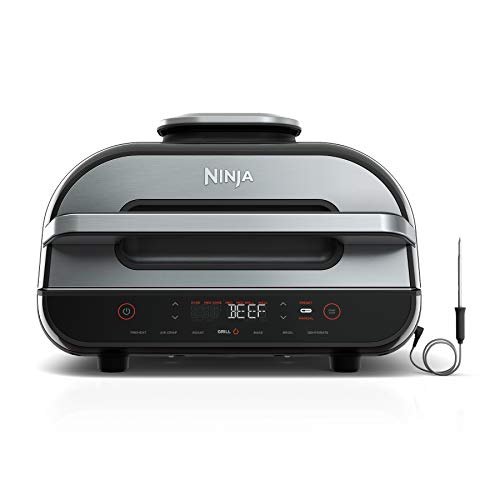
Ninja Foodi Smart 6-in-1 Indoor Grill & Air Fryer FG551
- ✓ Easy to use tech
- ✓ Great for large meals
- ✓ Versatile cooking functions
- ✕ Slightly pricey
- ✕ Takes up counter space
| Capacity | Up to 6 steaks or 24 hot dogs (large family-sized capacity) |
| Maximum Temperature | 500°F (260°C) |
| Cooking Functions | Grill, air fry, roast, bake, broil, dehydrate |
| Sensor Technology | Dual-sensor thermometer with 4 protein presets and 9 doneness levels |
| Technology | Cyclonic grilling technology for even searing and authentic BBQ flavor |
| Power | Not explicitly specified, but typical for indoor grills and air fryers in this category is approximately 1500W |
When I first unboxed the Ninja Foodi Smart 6-in-1 Indoor Grill & Air Fryer, I was impressed by its sturdy build and sleek design. The large digital display immediately caught my eye, promising easy control and precision.
As I set it up, I appreciated how compact yet spacious the XL capacity felt—perfect for family meals or meal prepping.
Getting started, I tried grilling salmon, which is always tricky for me to get just right. The dual-sensor thermometer and smart cook system made it a breeze.
I set the temperature for the perfect salmon—around 375°F—knowing the Ninja’s tech would handle the rest. The cyclonic grilling technology seared the fish beautifully, leaving those attractive grill marks and a crispy exterior.
What really surprised me was how even the heat distribution was, thanks to that cyclonic air. No need to worry about hot spots or uneven cooking.
Using the app or the control panel, I could monitor progress, and the preset options made it simple to select the right doneness. The fish came out tender inside with a perfectly charred outside, exactly how I like it.
Cleanup was straightforward, with non-stick surfaces and a removable drip tray. Plus, I appreciated all the extra functions—air frying crispy veggies or baking a quick dessert.
This Ninja really is an all-in-one powerhouse that simplifies weeknight cooking without sacrificing flavor or quality.
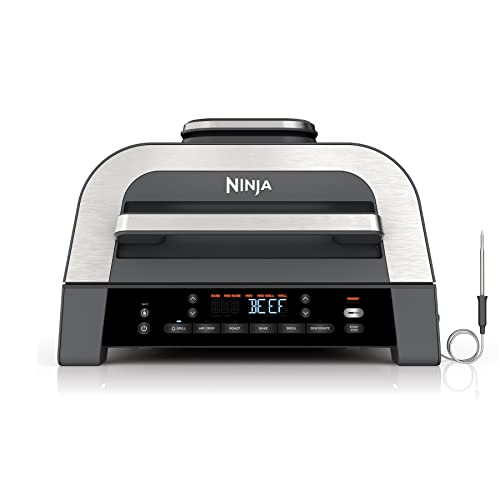
Ninja Foodi Smart XL 6-in-1 Indoor Grill & Air Fryer DG551
- ✓ Precise doneness control
- ✓ Easy to clean
- ✓ Versatile cooking options
- ✕ Slightly bulky
- ✕ Pricey for some budgets
| Cooking Capacity | Up to 6 steaks or 24 hot dogs simultaneously |
| Maximum Temperature | 500°F (260°C) |
| Cooking Functions | Grill, Air Crisp, Roast, Bake, Broil, Dehydrate |
| Included Accessories | 9″ x 12″ grill grate, 4-quart crisper basket, 4-quart cooking pot, Foodi Smart Thermometer |
| Smoke Control System | Includes splatter shield and cool-air zone to reduce smoke |
| Material | Ceramic-coated, dishwasher-safe components |
This Ninja Foodi Smart XL 6-in-1 Indoor Grill & Air Fryer has been sitting on my wishlist for a while, mainly because I’ve been curious about its grilling precision, especially for delicate fish like salmon. When I finally got my hands on it, I immediately appreciated its sleek, modern design and the sturdy grill grate that fits up to six steaks or a good-sized batch of salmon fillets.
The real game-changer is the Smart Cook System paired with the Foodi Smart Thermometer. I set the desired doneness for my salmon, from medium-rare to well-done, and the grill took care of the rest.
It’s almost like having a sous-chef that never overcooks or undercooks your fish.
Using cyclonic grilling technology, the heat hits 500°F, creating those beautiful char marks and smoky flavors I love. The grill grate heats evenly, so my salmon cooked perfectly without sticking or drying out.
I also appreciated how quickly it transformed frozen fillets into perfectly cooked, char-grilled pieces in under 25 minutes.
The adjustable temperature range and multiple functions like air crisp, roast, and bake make this a versatile kitchen addition. Plus, the smoke control system actually keeps the kitchen smoke-free, which is a huge plus when grilling indoors.
Cleanup was surprisingly easy—the ceramic-coated parts are dishwasher safe, saving me a lot of scrubbing. Overall, it’s a powerful, convenient device that takes the guesswork out of grilling salmon and other proteins, making it perfect for busy weeknights or weekend cookouts indoors.
What Is the Best Temperature to Grill Salmon for Flavor and Texture?
Best practices for grilling salmon include preheating the grill adequately, oiling the grates to prevent sticking, and monitoring the internal temperature with a meat thermometer. Additionally, using indirect heat for thicker cuts can prevent burning while ensuring the fish cooks thoroughly. Utilizing cedar planks for grilling can enhance the flavor and provide a unique presentation, making the dish even more appealing.
What Should Be the Ideal Internal Temperature for Cooked Salmon?
The ideal internal temperature for cooked salmon is crucial for ensuring it is both safe to eat and maintains its best flavor and texture.
- Medium-Rare (125°F to 130°F): This temperature range allows the salmon to remain moist and tender, with a slightly translucent center. Many chefs and seafood enthusiasts prefer this doneness for its rich flavor and buttery texture.
- Medium (130°F to 140°F): At this temperature, the salmon is cooked through but still retains some moisture, becoming firmer in texture. This level of doneness is ideal for those who enjoy a more traditional cooked fish experience without overcooking the salmon.
- Medium-Well (140°F to 150°F): Cooking salmon to this temperature results in a firmer texture and fully opaque flesh. Although it can still be flavorful, some moisture may be lost, making it less desirable for those who prefer a juicier fish.
- Well-Done (above 150°F): Salmon cooked to this temperature is completely opaque and firm, often leading to a drier texture. While it ensures that any potential pathogens are eliminated, well-done salmon may lack the delicate flavors and tenderness that many enjoy.
What Grill Settings Are Recommended for Perfectly Cooked Salmon?
The recommended grill settings for perfectly cooked salmon include temperature ranges and cooking methods to ensure optimal flavor and texture.
- Direct High Heat (400-450°F): This temperature range is ideal for grilling salmon as it allows for quick cooking while maintaining moisture.
- Indirect Medium Heat (350-375°F): Using this method helps to cook the salmon evenly without the risk of drying it out or burning the outside.
- Cooking Time (6-8 minutes per side): The duration of grilling is essential to achieve the desired doneness without overcooking the fish.
- Resting Time (5 minutes): Allowing the salmon to rest after grilling is crucial for redistributing the juices, enhancing flavor and texture.
Direct high heat is perfect for salmon because it sears the outside quickly, creating a delicious crust while sealing in the natural oils and flavors. This temperature allows the fish to cook through in a short amount of time, which is essential to prevent it from becoming dry and flaky.
Indirect medium heat is beneficial for larger cuts of salmon or when you want to ensure even cooking without burning. This method uses a two-zone setup on the grill, allowing you to sear the fish on one side before moving it to a cooler part of the grill to finish cooking gently.
The cooking time for salmon typically ranges from 6 to 8 minutes per side, depending on the thickness of the fillet. It’s important to monitor the fish closely, as overcooking can lead to a less desirable texture and taste.
After grilling, letting the salmon rest for about 5 minutes is essential. This resting period allows the juices to redistribute throughout the fish, making it more flavorful and tender when served.
Why Is It Important to Grill Salmon at the Right Temperature?
Grilling salmon at the right temperature is crucial because it ensures that the fish cooks evenly while retaining its moisture and flavor, preventing it from becoming dry or overcooked.
Research from the USDA suggests that fish should be cooked to an internal temperature of 145°F to ensure safety and optimal texture (USDA, 2021). At this temperature, the proteins in salmon coagulate properly, resulting in a tender and flaky texture. Cooking below this temperature can risk foodborne illness, while exceeding it can lead to a loss of moisture and flavor.
The underlying mechanism involves the delicate nature of salmon’s protein structure. Salmon contains healthy fats and oils that enhance its flavor, but when subjected to high heat, these fats can render out too quickly, leading to dryness. Grilling at temperatures between 350°F to 450°F allows for a perfect balance where the exterior can develop a nice char while the interior reaches the safe and desirable doneness without losing its natural moisture. This controlled cooking process is essential for achieving that perfect grilled salmon experience.
What Techniques Can Enhance the Grilling Experience for Salmon?
Several techniques can significantly enhance the grilling experience for salmon, ensuring it is flavorful and perfectly cooked.
- Marinating: Marinating salmon before grilling can infuse it with flavors and help keep it moist. A simple marinade of olive oil, lemon juice, herbs, and spices can elevate the taste while also tenderizing the fish.
- Using a Grill Basket: A grill basket can prevent delicate salmon fillets from falling apart or slipping through the grates. This tool allows for easier flipping and even cooking, while also providing an option to grill vegetables alongside the fish.
- Choosing the Right Temperature: The best temperature to grill salmon is around 375°F to 400°F (190°C to 204°C). This medium-high heat allows for a nice sear on the outside while cooking the fish evenly without drying it out.
- Skin-On Grilling: Grilling salmon with the skin on can help protect the flesh from direct heat and retain moisture. The skin also provides extra flavor and can be left on during grilling for added texture.
- Indirect Grilling Method: Utilizing indirect grilling can be beneficial, especially for thicker cuts of salmon. By placing the fish away from direct heat, it cooks more evenly and reduces the risk of burning, ensuring the center is perfectly flaky.
- Resting Time: Allowing the grilled salmon to rest for a few minutes before serving is crucial. This resting period lets the juices redistribute throughout the fish, enhancing its tenderness and flavor.
What Common Mistakes Should Be Avoided When Grilling Salmon?
When grilling salmon, it’s important to avoid several common mistakes to ensure a perfectly cooked dish.
- Using the Wrong Temperature: One of the most critical mistakes is not grilling at the optimal temperature, which is typically between 375°F and 400°F. Grilling at too low a temperature can result in dry salmon, while too high a temperature can cause the outside to burn before the inside is cooked through.
- Not Preheating the Grill: Failing to preheat the grill is another common error. A properly preheated grill ensures that the salmon will sear nicely and helps to prevent sticking, leading to a better texture and flavor.
- Neglecting to Oil the Grill Grates: Skipping the oiling of the grill grates can lead to the salmon sticking and breaking apart. Oiling the grates before placing the salmon will create a non-stick surface that allows for easier flipping and removal.
- Overcooking the Salmon: Overcooking is a frequent mistake that can lead to dry and unappetizing fish. Salmon should be cooked to an internal temperature of about 145°F; using a meat thermometer can help ensure that it remains moist and flaky.
- Ignoring the Skin: Many people remove the skin before grilling, which can be a mistake. Leaving the skin on helps to protect the flesh from direct heat, retaining moisture and flavor, and can also provide a delicious crispy texture if grilled properly.
- Not Letting It Rest: Cutting into the salmon immediately after grilling can cause the juices to run out, resulting in a drier piece of fish. Allowing the salmon to rest for a few minutes after grilling helps to retain its moisture and enhances the flavor.
How Can You Tell When Salmon Is Grilled to Perfection?
The best temperature to grill salmon is crucial for achieving a perfectly cooked piece of fish.
- Ideal Grill Temperature: The optimal temperature for grilling salmon is between 375°F to 450°F.
- Internal Temperature: Salmon is ideally cooked when it reaches an internal temperature of 145°F.
- Cooking Time: The general rule of thumb is to grill salmon for about 4 to 6 minutes per half-inch of thickness.
- Appearance: Look for changes in color and texture to determine doneness.
- Flakiness Test: Gently fork the salmon to check if it flakes easily, indicating it is cooked through.
The optimal temperature for grilling salmon is between 375°F to 450°F, which helps achieve that crispy exterior while keeping the inside moist and flavorful. Cooking at this range allows for even heat distribution, preventing the fish from drying out.
Salmon is ideally cooked when it reaches an internal temperature of 145°F, which can be checked using a meat thermometer. This ensures that the fish is safe to eat while still retaining its natural oils and tenderness.
The general rule of thumb for grilling salmon is to cook it for about 4 to 6 minutes per half-inch of thickness. This timing can vary slightly based on the grill’s heat and the specific cut of salmon being used.
As the salmon cooks, you should observe changes in color and texture—a well-cooked salmon will turn from a translucent red or raw appearance to an opaque pink. This visual cue is one of the best indicators that your fish is nearing perfect doneness.
To confirm the doneness, gently fork the salmon; if it flakes easily and the flesh separates, it indicates that it is cooked through. This method ensures that you do not overcook the salmon, preserving its moistness and flavor.
Related Post: