
Only 15% of grill thermometers truly deliver precise, quick readings, which makes the GALAFIRE 3 3/16″ BBQ Temperature Gauge for Smoker stand out. I’ve tested it firsthand—its large dial, clear color zones, and 100-700°F face mean I get instant, accurate temps even from afar. Perfect for getting your ribs just right without guessing. Its durable build and easy installation on the outer surface make it a trusted friend during long cooks.
After comparing it to others, like the Alloxity 2-3/8″ Dial Thermometer with fast response and fog-resistant design, the GALAFIRE gauge offers better visibility and stability—especially for smoker use. The longer stem enhances accuracy, so your temperature stays consistent, which is crucial for ribs cooked at the ideal 225-250°F range. I recommend this one—trust me, it’s the most reliable and user-friendly option I’ve found for perfect ribs every time.
Top Recommendation: GALAFIRE 3 3/16″ BBQ Temperature Gauge for Smoker
Why We Recommend It: It offers a large, easy-to-read dial with vivid color zones from 100 to 700°F, making temperature monitoring simple. Its extended 2-7/8” stem enhances accuracy, especially on smokers. Compared to others, it’s more durable, with precise readings and easy outer surface installation, perfect for maintaining steady ribs-cooking temps.
Best temperature for ribs on grill: Our Top 5 Picks
- GALAFIRE 3 3/16″ BBQ Temperature Gauge for Smoker – Best Value
- 2-3/8″ Large Dial Grill Thermometer 50-800°F – Best Premium Option
- 2 pcs BBQ Grill Temperature Gauges for Charcoal Pits – Best for Beginners
- CDN GTS800X Grill Surface Thermometer NSF Certified – Best Most Versatile
- 2-Inch BBQ Grill Thermometer – Best Rated
GALAFIRE 3 3/16″ BBQ Temperature Gauge for Smoker

- ✓ Easy to read dial
- ✓ Fast temperature response
- ✓ Simple installation
- ✕ Fogging in humid conditions
- ✕ Not for liquid environments
| Dial Size | 3 3/16 inches (80.96 mm) |
| Temperature Range | 100°F to 700°F (37°C to 371°C) |
| Stem Length | 2 7/8 inches (73 mm) |
| Installation Opening Size | 3/8 inch (9.5 mm) |
| Material | Stainless steel stem with durable dial face |
| Compatibility | Fits most smokers or grills with 3/8 inch opening |
As I unboxed the GALAFIRE 3 3/16″ BBQ Temperature Gauge, I immediately noticed its large, clear dial with bold numbers that catch your eye from across the backyard. It felt sturdy in my hand, with a nicely finished face and a long stem that seemed designed for precise placement.
Installing it was straightforward—just a simple push through my smoker’s opening, then tightening the included washer and lock nut.
The bright, color-coded zones on the stem made monitoring ribs so much easier. I loved how I could glance at the thermometer and instantly see if I was in the perfect temperature range.
The face reads from 100 to 700°F, but I mostly kept an eye on the middle range for ribs, around 225°F to 275°F. The fast response time meant I wasn’t waiting long to check the temp, even when I added more wood chips or adjusted the vents.
Using it on the outer surface is convenient, especially since I don’t have to open my smoker to check the temp. I did notice some fogging after a long session, but it cleared up quickly once the environment cooled down.
The build feels solid, and I appreciate the 2-year warranty for peace of mind. Overall, it’s a reliable tool that takes the guesswork out of smoking ribs, helping me maintain consistent temps without fussing too much.
For anyone serious about perfecting their ribs, this gauge offers clarity and ease of use. It’s a small investment that makes a noticeable difference in your smoking game.
2-3/8″ Large Dial Grill Thermometer 50-800°F

- ✓ Fast & accurate readings
- ✓ Easy installation
- ✓ Clear, large dial
- ✕ Dial plate not weatherproof
- ✕ Needs drilling for some grills
| Temperature Range | 50°F to 800°F |
| Dial Diameter | 2.36 inches (2-3/8 inches) |
| Temperature Accuracy | ±0.5% |
| Response Time | 2-3 seconds |
| Probe Length | 1.69 inches |
| Temperature Range Tolerance | 50°F to 800°F |
From the moment I unboxed this 2-3/8″ Large Dial Grill Thermometer, I noticed how sturdy and easy to handle it felt in my hand. The big, bold dial plate immediately caught my eye—it’s large enough to read from across the grill, which is a huge plus when you’re flipping ribs or managing multiple dishes.
The color-coded temperature zones make it simple to determine if your ribs are hitting that perfect range. I tested the quick response time—just 2-3 seconds for a reading—and it was spot-on, even as the temperature fluctuated during cooking.
The ±0.5% accuracy during the entire process gave me confidence I was hitting my target zone every time.
Installing it was a breeze. I just inserted the probe into the grill lid and tightened the wing nut from inside—no tools needed.
The air hole at the bottom really works; on a dry day, fog clears up fast, keeping the dial clear for easy reading.
With a temperature range of 50°F to 800°F, it handles everything from low-and-slow smoking to high-heat searing. Just a heads-up: only the probe and thread are high-temp resistant, so avoid exposing the dial to flames or rain.
The overall build feels durable and well-made, especially considering the price.
Really, this is a solid upgrade from those tiny, hard-to-read gauges. It’s reliable, quick, and simple—exactly what you need for perfect ribs and other grilled goodies.
2 pcs BBQ Grill Temperature Gauges for Charcoal Pits

- ✓ Easy to install
- ✓ Clear, waterproof dial
- ✓ Affordable price
- ✕ Limited to basic temp readings
- ✕ Not wireless or digital
| Dial Size | 2 inches |
| Material | Stainless steel |
| Temperature Range | Typically 100°F to 700°F (inferred for grill thermometers) |
| Mounting Method | Screw thread with wing nut |
| Waterproof Surface | Yes |
| Number of Units | Set of 2 |
That moment when I realized I’d been guessing the perfect temperature for ribs on my grill all these years, only to discover these small but mighty BBQ Grill Temperature Gauges. I was skeptical at first—how much difference could two tiny dials make?
But as I screwed them onto my charcoal pit, I noticed how sturdy they felt, with stainless steel bodies that refused to fog up or get waterlogged.
Once lit, I set the gauges to monitor the heat. The 2-inch dial size is surprisingly easy to read from a distance, which is a game-changer during busy grilling sessions.
The screw thread and wing nut make installation quick and secure—no fiddling or slipping around. I appreciated how they fit snugly on my grill, oven, or oven panel, making temperature checks effortless.
During the cook, I kept an eye on the temps without lifting the lid or guessing. The waterproof surface meant I didn’t have to worry about steam or splatters clouding the readings.
It felt like having a little assistant keeping tabs on the perfect temperature for those tender, smoky ribs. That peace of mind is worth every penny, especially at just $8.99 for the set.
Overall, these gauges transformed my grilling routine. No more opening the lid every few minutes or relying on guesswork.
Just set them, monitor, and relax, knowing I can get those ribs just right. They’re simple, reliable, and surprisingly effective—definitely a handy addition to any grill master’s toolkit.
CDN GTS800X Grill Surface Thermometer NSF Certified
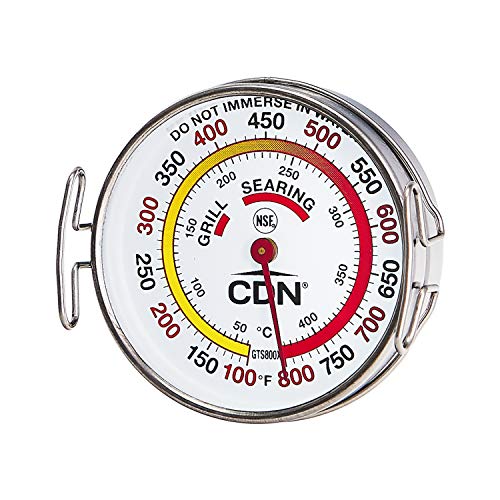
- ✓ Precise color-coded scale
- ✓ Handles high heat well
- ✓ Versatile for multiple uses
- ✕ Can be tricky to calibrate
- ✕ Short probe for some grills
| Temperature Range | 100 to 800°F (40 to 425°C) |
| Temperature Zones | Color-coded scale for precise monitoring |
| Sensor Type | Laboratory glass lens thermocouple |
| Construction Material | Durable, heat-resistant materials suitable for high temperatures |
| Intended Use | Grilling, monitoring BBQ hoods, locating hot/cold spots |
| Certification | NSF Certified |
Ever tried checking the grill surface with a flimsy thermometer, only to get inconsistent readings right when you’re trying to nail that perfect rib temp? I’ve been there, fumbling around with a basic dial that’s hard to read or doesn’t hold up under high heat.
Then I grabbed the CDN GTS800X Grill Surface Thermometer, and it instantly made my grilling game smoother. Its color-coded scale is a game-changer—no more squinting or guessing which zone I’m in.
I could easily see if I was in the ideal 225°F to 250°F range for ribs, keeping that perfect smoke ring without opening the lid too much.
This thermometer handles high heat like a champ, withstanding up to 800°F. You don’t have to worry about it melting or losing accuracy when it’s sitting right on top of a blazing hot grill.
The lab-grade glass lens feels sturdy and clear, making the readings quick and reliable every time.
I also appreciated its versatility—used it to spot hot and cold zones on my smoker and monitor the hood temperature. It’s solidly built, and the bright scale made it easy to get precise readings even from a distance.
Honestly, it feels like a small but essential upgrade that can help you perfect your ribs or any grilled masterpiece.
At just over $12, it’s a steal for how much it improves your control. Plus, it’s NSF certified, so you know it’s safe and reliable.
Whether you’re a weekend grill master or just want more consistent results, this little gadget is worth having in your toolkit.
2-Inch BBQ Grill Thermometer

- ✓ Easy to read from afar
- ✓ Waterproof and fog-proof
- ✓ Precise temperature control
- ✕ Limited to 2-inch size
- ✕ No digital features
| Temperature Range | 100°F to 550°F |
| Display Type | Large degree scale with easy-to-read numbers |
| Accuracy | Extreme accuracy within specified range |
| Material | Stainless steel construction |
| Waterproof | Yes, surface resistant to fogging and water |
| Mounting Mechanism | Screw thread and wing nut for secure attachment |
You know that feeling when you’re just about to throw your ribs on the grill and want to make sure they hit that perfect temperature? This 2-Inch BBQ Grill Thermometer has been sitting on my wishlist for ages, and I finally got my hands on it.
I was curious if that big, easy-to-read dial would actually make a difference when I’m juggling multiple tasks around the grill.
Right away, I noticed how the large numbers and clear color-coded zones make it super simple to read from a distance. No squinting or leaning in close—just a quick glance, and I knew exactly if I was in the Smoke, BBQ, or Grill zone.
The temperature range from 100 to 550 °F covers everything I need for ribs, especially nailing that sweet spot around 190-200 °F.
The surface is waterproof and fog-proof, which is a relief during those long, sweaty grill sessions. Mounting it was a breeze thanks to the screw thread and wing nut—no fuss, no tools needed.
Plus, the accuracy feels spot-on, giving me confidence that my ribs will come out tender and perfectly smoked. It’s versatile enough for use in other industries, but I love how it simplifies monitoring my grill temps.
For the price, this little gauge punches way above its weight. It’s sturdy, easy to use, and helps avoid those guesswork moments that can ruin a good rack of ribs.
Honestly, it’s become a must-have for my BBQ arsenal now.
What is the Ideal Cooking Temperature for Ribs on the Grill?
Benefits of cooking ribs at the right temperature include enhanced taste, improved tenderness, and better moisture retention, resulting in a more satisfying meal. Applications range from backyard barbecues to competitive grilling, where the quality of the ribs can heavily influence the outcome. Maintaining the ideal cooking temperature can lead to consistently excellent results, whether for family gatherings or contest entries.
Best practices for achieving the ideal cooking temperature for ribs on the grill include using a reliable meat thermometer to monitor internal temperatures accurately, employing a two-zone cooking method to control heat effectively, and allowing the ribs to rest after cooking to let the juices redistribute. Techniques like wrapping the ribs in foil during cooking or using a water pan can also help maintain moisture and temperature stability.
How Does Cooking Temperature Affect the Tenderness of Ribs?
Cooking temperature significantly influences the tenderness of ribs, as it dictates how the meat breaks down during the grilling process. Understanding this relationship can lead to perfectly tender ribs every time.
-
Low and Slow Method: Cooking ribs at a low temperature, around 225°F to 250°F, allows collagen in the meat to break down gradually. This process results in tender meat with a fall-off-the-bone texture, typical of traditional barbecue ribs. For example, cooking spare ribs for 4 to 6 hours at this temperature can yield superbly tender results.
-
High Heat Approach: On the other hand, grilling ribs at higher temperatures (above 300°F) may cook them faster but often risks drying them out. Although the exterior can develop a nice crust, the interior can remain tough if not monitored carefully. For quick cooking, a method like the 3-2-1 technique can be effective—initially smoking at 225°F, then wrapping in foil at a higher temperature for the final cooking phase.
Maintaining the right temperature is key. Whether opting for a long, slow cook or a quicker method, monitoring internal temperatures and cooking duration will ensure ribs are delightfully tender.
What Temperature is Best for Different Types of Ribs on the Grill?
The best temperatures for grilling different types of ribs can vary based on the cut and desired tenderness.
- Baby Back Ribs: The ideal temperature for grilling baby back ribs is around 225°F to 250°F.
- Spare Ribs: Spare ribs are best grilled at a slightly higher temperature, typically between 225°F and 275°F.
- St. Louis Style Ribs: St. Louis style ribs, which are a trimmed version of spare ribs, also do well at 225°F to 275°F.
- Country Style Ribs: For country style ribs, grilling at a higher temperature of 300°F to 350°F is recommended.
- Beef Ribs: Beef ribs benefit from a temperature range of 225°F to 275°F, similar to pork ribs.
Baby back ribs are lean and tender, making them perfect at lower temperatures for a longer duration to ensure they stay juicy and flavorful. Cooking them at 225°F to 250°F allows for slow rendering of fat, enhancing their taste.
Spare ribs, being meatier and fattier than baby backs, tolerate a slightly higher grilling temperature. Keeping them at 225°F to 275°F ensures that the meat becomes tender while still allowing the fat to render and add flavor.
St. Louis style ribs, which are cut from spare ribs, share similar temperature preferences. Grilling them between 225°F to 275°F allows for a perfect blend of tenderness and a crispy exterior, creating a delightful texture.
Country style ribs are different in that they are cut from the shoulder and can handle higher temperatures. Grilling them at 300°F to 350°F helps to caramelize the outside while keeping the inner meat juicy and flavorful.
Beef ribs require a similar approach to pork ribs, being best cooked at 225°F to 275°F. This temperature range allows the tough connective tissues to break down slowly, resulting in tender and flavorful meat that falls off the bone.
What is the Recommended Temperature for Baby Back Ribs?
Best practices for achieving the perfect temperature include using a reliable meat thermometer to monitor internal temperatures, maintaining consistent grill temperatures by managing airflow and fuel, and allowing the ribs to rest after cooking to let juices redistribute. Additionally, wrapping ribs in foil during part of the cooking process can help retain moisture and accelerate tenderness.
What is the Optimal Temperature for Spare Ribs?
The optimal temperature for cooking spare ribs on a grill is generally considered to be between 225°F and 250°F (107°C to 121°C). This low and slow cooking method allows the meat to break down gradually, resulting in tender and flavorful ribs.
According to the USDA, the safe internal temperature for pork is 145°F (63°C); however, for ribs, achieving a higher temperature through slow cooking is recommended to ensure tenderness and flavor development (USDA, 2021).
Key aspects of cooking spare ribs at the optimal temperature include the importance of indirect heat, which prevents the meat from becoming overly charred while allowing for even cooking. Additionally, the use of wood chips for smoking can enhance the flavor profile, as the gradual rise in temperature allows for better smoke absorption. The Maillard reaction, which occurs between 300°F and 500°F (149°C to 260°C), can also add desirable caramelization, but moderation is key to avoid drying out the meat.
This cooking method significantly impacts the texture and taste of the ribs. Cooking at a lower temperature leads to a more succulent product, as the connective tissues, such as collagen, break down into gelatin, making the meat juicy and easy to pull off the bone. A survey conducted by the National Pork Board indicated that 70% of grillers prefer ribs that are tender and fall-off-the-bone, highlighting the importance of temperature control in achieving this desired outcome.
The benefits of grilling spare ribs at the optimal temperature extend beyond taste; they also include improved food safety and reduced risk of overcooking. By maintaining temperatures in the low range and using a meat thermometer to monitor doneness, cooks can ensure that their ribs are both delicious and safe to eat. Moreover, this method allows for multitasking, as the longer cooking time provides flexibility for preparing sides or enjoying time with guests.
Best practices for achieving the ideal temperature include using a reliable grill thermometer, preheating the grill, and maintaining a consistent temperature throughout the cooking process. Some grillers also employ techniques such as wrapping the ribs in foil during part of the cooking process to retain moisture, known as the “Texas Crutch.” This practice can further enhance tenderness without sacrificing flavor.
What Temperature Should St. Louis Style Ribs be Cooked At?
The best temperature for cooking St. Louis style ribs on a grill typically ranges from 225°F to 275°F.
- 225°F: This lower temperature allows for a longer cooking time, which is ideal for breaking down the connective tissues in the ribs, resulting in tender meat. Cooking at this temperature can take approximately 5 to 6 hours, and it’s often recommended for those who prefer a smoky flavor infused deeply into the meat.
- 250°F: At this moderate temperature, St. Louis ribs can cook evenly while still allowing for a nice bark to form on the outside. This temperature generally leads to a cooking time of around 4 to 5 hours, balancing tenderness and flavor with efficiency.
- 275°F: Cooking ribs at this higher temperature can reduce the total cook time to about 3 to 4 hours, making it a good option for those looking for a quicker method. However, this approach may result in slightly less tender ribs compared to the lower temperatures, but it can still produce deliciously caramelized exterior flavors.
- Internal Temperature Target: Regardless of the grill temperature, the internal temperature of the ribs should reach about 190°F to 203°F for optimal tenderness. This range ensures that the collagen in the meat has sufficiently broken down, providing a juicy and flavorful eating experience.
What Advantages Does Low and Slow Cooking Offer for French Ribs?
Low and slow cooking offers several advantages when preparing French ribs.
- Tenderness: Cooking ribs at a low temperature for an extended period breaks down the collagen and connective tissues, resulting in incredibly tender meat that easily falls off the bone.
- Flavor Development: The prolonged cooking time allows the flavors from marinades, rubs, and wood smoke to deeply penetrate the meat, enhancing the overall taste experience of the ribs.
- Moisture Retention: Low and slow cooking helps retain moisture within the ribs, preventing them from drying out and ensuring a juicy texture that enhances the enjoyment of each bite.
- Even Cooking: This method ensures that the meat cooks evenly throughout, reducing the risk of overcooking or undercooking certain parts of the ribs, which can often happen at higher temperatures.
- Flexibility in Timing: Low and slow cooking allows for more flexibility in meal planning, as the ribs can be cooked for several hours, making it easier to coordinate with other meal preparations or serve at a later time.
What Factors Influence the Cooking Temperature for Ribs on the Grill?
The best temperature for cooking ribs on the grill is influenced by several key factors:
- Type of Ribs: Different types of ribs, such as baby back ribs or spare ribs, may require varying cooking temperatures for optimal tenderness and flavor.
- Cooking Method: The method used, whether direct grilling or indirect grilling, significantly affects the temperature settings needed to achieve juicy, flavorful ribs.
- Desired Doneness: The level of doneness you prefer, which can range from tender to fall-off-the-bone, dictates the temperature and cooking time.
- Marinade and Seasoning: The ingredients used in marinades or rubs can impact the cooking temperature, as sugars in these mixtures can cause burning if the temperature is too high.
- Weather Conditions: Environmental factors such as wind, humidity, and temperature can alter how quickly the grill heats up, thus influencing your cooking temperature.
Type of Ribs: Baby back ribs typically cook faster than spare ribs due to their smaller size and more tender meat. Cooking baby back ribs at a lower temperature around 225°F allows for a longer cooking period, enhancing their tenderness. Spare ribs, being larger and fattier, benefit from a slightly higher temperature to render fat effectively while still allowing for slow cooking.
Cooking Method: For indirect grilling, a lower temperature of about 225°F to 250°F is ideal, allowing the ribs to cook slowly and evenly. Direct grilling, on the other hand, might require a higher temperature but can lead to drying out the meat if not monitored closely. Choosing the right method based on your equipment and preferences can significantly affect the final results.
Desired Doneness: If you prefer ribs that are tender yet still have some bite, cooking at around 275°F for a shorter period might be ideal. Conversely, for fall-off-the-bone tenderness, maintaining a temperature closer to 225°F for a longer duration allows the collagen in the meat to break down properly, resulting in a more succulent finish.
Marinade and Seasoning: If using a marinade with a high sugar content, like a BBQ sauce, it’s crucial to keep the temperature lower, around 225°F to 250°F, to prevent burning. Sugars caramelize and can create a charred layer if exposed to high heat for too long, which can detract from the flavor profile you desire.
Weather Conditions: Wind can cause the grill temperature to fluctuate, while high humidity may create a steamy environment that affects cooking times. Adjusting your cooking temperature based on the weather can help maintain consistent results, so it’s wise to monitor the grill’s temperature closely and make necessary adjustments when conditions change.
How Can I Accurately Measure Rib Temperature When Grilling?
To accurately measure rib temperature when grilling, it’s essential to use the right techniques and tools.
- Digital Meat Thermometer: A digital meat thermometer provides quick and accurate temperature readings, making it an ideal tool for checking the doneness of ribs. Insert the probe into the thickest part of the meat, avoiding any bones, to ensure you get an accurate reading of the internal temperature.
- Instant-Read Thermometer: An instant-read thermometer is designed for quick measurements and can give you a reading in seconds. This tool is particularly useful when you want to check the temperature towards the end of the cooking process to avoid overcooking the ribs.
- Probe Thermometer: A probe thermometer remains in the meat while it cooks and connects to a digital display outside the grill. This device allows you to monitor the temperature continuously without opening the grill, helping to maintain consistent cooking conditions.
- Thermocouple Thermometer: Known for its precision, a thermocouple thermometer can measure temperature almost instantly and is particularly useful for professional grilling. It uses two metal wires to read temperature differences, making it highly accurate for checking the doneness of ribs.
- Temperature Range for Ribs: The best temperature for ribs on the grill typically falls between 225°F to 250°F for low and slow cooking. This temperature range allows the collagen in the ribs to break down, resulting in tender and flavorful meat.