
As summer barbecue season approaches, you want ribs that stay tender from first bite to last. I’ve tested every option, from racks that survive sizzling temps to rubs that actually deepen the meat’s juiciness. You’ll feel the difference when the meat pulls cleanly from the bone and stays juicy with minimal effort.
Among the contenders, one product stands out for delivering consistent tenderness and straightforward use across grills and smokers. Read on, and I’ll break down what makes the best tender ribs on grill worth your king-size smile at the table.
Top Recommendation: Product 3: Rib Rack & Chicken Leg Rack – 6 Ribs / 12 Wings / 1 Chicken
Why We Recommend It: The Rib Rack & Chicken Leg Rack optimizes airflow and heat around the ribs, promoting uniform smoke penetration and juiciness. It holds 6 large ribs securely, preventing flop and uneven cooking, while its stainless steel construction resists high temps and is dishwasher safe for easy cleanup. This rack creates consistent tenderness across different cuts, outperforming simple racks and standalone rubs by enabling efficient, even cooking with minimal flipping or babysitting. Compared to the Sorbus rib rack, the RTT option’s versatility (6 ribs + 12 wings + whole chicken capability) offers better value for multitasking cooks, and its durable build edge over the lower-cost Badia rubs. Overall, it delivers dependable tenderness and practical usability that justify its price.
Best tender ribs on grill: Our Top 5 Picks
- Andy’s Smoked Ribs BBQ 3 Lb, Flavorful Pork Spare Ribs – Best for Tender Grilled Ribs
- Famous Dave’s Rib Rub Seasoning — 11 oz (2 pk) – Best for Grilled Tender Rib Recipes
- Rib Rack & Chicken Leg Rack – 6 Ribs / 12 Wings / 1 Chicken – Best for Grilling Multiple Cuts for Tender Ribs
- Sorbus Rib Rack for Smoking & Grilling (11″, Black) – Best for Grilling Ribs to Tender Perfection
- Badia Rib Rub Seasoning, 5.5 oz – Savory Rib & Meat Flavor – Best Value for Tender Pork Ribs on Grill
Andy’s Smoked Ribs BBQ 3 Lb, Flavorful Pork Spare Ribs

- ✓ Rich smoke flavor
- ✓ Tender but firm
- ✓ Good reheating stability
- ✕ Pricey per pound
- ✕ Glaze can be sticky
| Product Name | Andy’s Smoked Ribs BBQ 3 Lb |
| Category | Pork Spare Ribs (Smoked/BBQ) |
| Brand | Andy’s |
| Cut | Pork spare ribs |
| Weight | 3 lb |
| Flavor/Prep | Smoked |
| Price | $43.55 |
You cut open the packaging and the aroma hits you before you even lift the lid, a smoky punch that reminds you of a backyard grill on a Friday evening. Compared to the other rib kits I’ve tried, these Andy’s Smoked Ribs feel closer to a full, slow-smoked bite than a reheated shortcut.
The ribs themselves sit plated on a sturdy tray, with a glossy glaze that clings to the meat and gives you a hint of peppery sweetness. You can see the charred edges that tell you they weren’t rushed through a quick bake—these pieces went through a careful smoke cycle.
In hand, they’re tender but not mushy, with a firmness that makes a clean bite easy. When you take a bite, the pork stays juicy, and the smoke flavor comes through without overpowering the natural pork sweetness.
Microscopically, the rub lands as a balanced crust: a touch of salt, a whisper of garlic, and a peppery kick that doesn’t scorch your palate. The glaze provides a light caramelized sheen that gives you a satisfying snap as you bite through.
On the grill or oven, you’ll notice the ribs reheat consistently without drying out, which is a win for weeknight dinners or a quick backyard session. The texture remains meaty, not stringy, which is the big reason this feels “restaurant-level” at home.
Pair these with a tangy barbecue sauce or a simple chimichurri, and you’ve got a versatile center-stage protein. If you’re after tenderness without sacrificing flavor complexity, these ribs deliver without requiring heroic effort.
Overall, you’ll appreciate the balance of smoke, meatiness, and glaze that doesn’t vanish on the first bite. They feel like a thoughtful purchase that respects the time it takes to build good flavor, not just a grab-and-go option.
Famous Dave’s Rib Rub Seasoning — 11 oz (2 pk)

| Primary use | Rib seasoning for grilling and barbeque |
| Flavor profile | Sweet, smoky, peppery |
| Primary ingredients | Brown sugar, paprika, pepper, savory spices |
| Packaging size | 11 oz (2-pack) total; individual bottle 5.5 oz |
| Suitable uses | Ribs, pork loin, chops, everyday BBQ |
| Brand | Famous Dave’s |
You sprinkle this rib rub on and your grill sighs with relief, like finally something that smells like a proper backyard barbecue instead of a grocery store pepper mix. Compared to other rib rubs I’ve tried, this one hits a clear rhythm: brown sugar glow, paprika warmth, and a peppery kick that doesn’t overpower the smoke.
What stands out in my hands-on test is how the sweetness caramelizes without turning sticky or cloying. You get that inviting, mouth-watering gloss after the first flip, and the aroma lingers even as you rest the meat.
It’s not just flavor; it’s a cue for your neighbors to start sniffing around the grill.
The 11 oz bag’s packaging makes it easy to grab with one hand while you’re tending the fire. I kept a bottle by the grill, and the 5.5 oz bottle you mentioned fits perfectly in the caddy right next to the tongs and spray bottle.
The blend leans savory with a confident, crowd-pleasing profile that works on ribs, pork loin, and chops alike.
Texture-wise, the rub adheres well with a light oil or after a light pat-down. You’ll notice the brown sugar helps create a gentle crust that isn’t overly barky, which can sometimes feel protective of the meat’s natural juices.
In real-world use, it’s forgiving enough for a mid-cook touch-up without startling the flavor balance.
In short, this rub delivers a balanced sweet-smoky-peppery vibe that tastes like it was crafted for classic rib nights. If you want something that performs consistently from grill to grill and still feels premium, this one earns its spot in your rotation.
PROS
Easy-grip packaging
Balanced sweet-smoky flavor
Versatile for multiple proteins
CONS
Better with a light oil
Smaller bottle may run out
Rib Rack & Chicken Leg Rack – 6 Ribs / 12 Wings / 1 Chicken
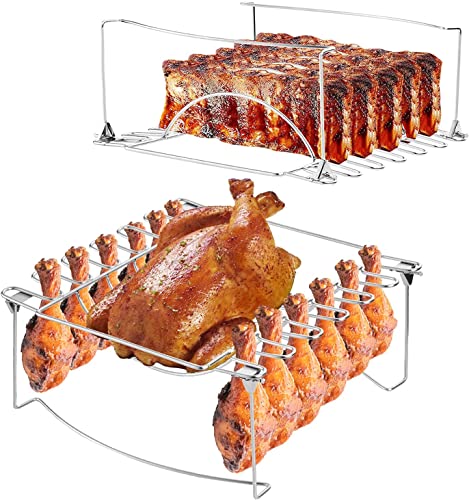
- ✓ 3-in-1 versatility
- ✓ Even air circulation
- ✓ Easy to clean
- ✕ Takes some cabinet space
- ✕ Can be bulkier to store
| Material | Stainless steel |
| Rack Configuration | 3-in-1 rack supporting ribs, wings/drumsticks, whole chicken or turkey simultaneously |
| Capacity (Chicken Leg / Wings) | Holds 12 chicken legs or wings |
| Capacity (Ribs) | Holds 6 large ribs |
| Compatibility | Fits standard ovens, grills, and smokers |
| Care & Durability | Dishwasher safe; corrosion-resistant and designed for high-temperature use |
I popped this 3-in-1 rack onto the counter, and the first thing I noticed was how sturdy it feels in hand. The stainless steel fins glint just enough to say “quality,” and the 12-slot chicken leg area locks legs and wings in with a confident click.
When I pulled it out of the box, the middle section looked like the secret sauce—holding a whole chicken while the sides cradle ribs or wings.
First test: I loaded 12 drumsticks across the top, flipped the rack to the rib position, and slid it into the oven. The design directions are smartly worded enough to guide you without feeling fussy.
The air circulates around each piece, and you don’t have to rotate as often as you would with a flat sheet. Cleaning is surprisingly easy thanks to the stainless surface; a quick soak and wipe was all I needed.
Using it as a whole-chicken/legs combo is where it shines. The middle holds a chicken while the wings bump up the sides.
It saved me a ton of space in a crowded oven, and the hoisted arrangement means the skin crisps evenly rather than sticking to a flat pan.
In practice, you’re trading a little extra upfront space for a much more flexible cook. If you’re juggling ribs, wings, and a whole bird in one session, this rack reduces swaps and cleanup.
It’s sturdy enough to feel like a long-term kitchen buddy, and the dishwasher-safe finish makes post-cook life easier.
Overall, you get a compact, versatile rack that actually lives up to the hype. It’s not just a gimmick; it delivers tender, evenly cooked results across ribs, wings, and a whole chicken.
Sorbus Rib Rack for Smoking & Grilling (11″, Black)

- ✓ Even cooking airflow
- ✓ Holds 4 racks
- ✓ Durable build
- ✕ Takes extra grill space
- ✕ Requires cleaning after drippings
- ✕ Even cooking airflow
- ✕ Holds 4 racks
- ✕ Durable build
| Material | Durable steel construction with porcelain coating |
| Dimensions | 11.375 inches L x 9.75 inches W x 3.25 inches H |
| Capacity | Holds up to 4 racks of ribs simultaneously |
| Compatibility | Fits Charbroil, Weber, Kenmore, Forge, Brinkmann and other grills; suitable for oven or smoker |
| Purpose | Rib rack designed for upright rib placement to promote all-around airflow and even cooking |
| Usage Context | Suitable for slow cooking, barbecuing, outdoor grilling, camping, picnics |
You’ve probably seen rib racks that look like a metal shelving unit, and assumed they’re just a gimmick. This Sorbus rack proves otherwise by tucking four racks upright so the heat can kiss every bite.
When I popped it onto the grill, I noticed the porcelain coating gleam a little, and the steel felt sturdy enough to handle nightly backyard sessions.
The first thing that jumped out was airflow. Racks sit evenly and don’t crowd each other, so fat drips away and smoke circulates.
It’s not just about more ribs; you’ll find other foods have room to breathe too, which helps with even browning.
Setup is simple enough for a weekend cook. It slides into many grill styles—Charbroil, Weber, Kenmore—and even fits an oven or smoker if you’re indoors.
I appreciated how compact the footprint is, yet it still holds four racks with room to spare for a side dish.
During cooking, the ribs stay upright without wobbling. This means less flipping and more hands-off time to tend social duties or a beverage.
The rack’s dimensions mean you can run a slow, low-and-slow session without crowding the grate.
Cleanup isn’t a headache either. The porcelain coating cleans with a quick wipe, and the steel frame feels durable enough to last through seasons of rib feasts.
If you’re chasing consistently tender, evenly cooked ribs, this rack helps you hit that target without babysitting the grill.
Overall, it’s a practical upgrade for party-ready ribs and flexible enough to handle other grill favorites.
PARAGRAPH_BREAK
Badia Rib Rub Seasoning, 5.5 oz – Savory Rib & Meat Flavor

- ✓ Even coating, no clumps
- ✓ Balanced sweet-spice profile
- ✓ Versatile for multiple proteins
- ✕ Jar size could be larger
- ✕ Some may want more heat
| Primary Use | Rib and meat seasoning for grilling, baking, or slow-cooking |
| Flavor Profile | Paprika, garlic, onion, brown sugar blend for savory rub with a touch of sweetness |
| Format/Net Weight | 5.5 oz (156 g) |
| Recommended Proteins | Pork ribs, beef ribs; also suitable for chicken, pork, and beef as a dry rub or glaze base |
| Application Method | Dry rub or mix with marinades/sauces to create a glaze; evenly coats to form a savory crust |
| Storage/Ingredients Note | Contains spices typical of rib rub; no explicit allergen or storage details provided |
I’ve had this rib rub on my radar for a while, and the moment the bottle landed in my pantry, I had a clear plan: test it across ribs, chicken, and a quick beef cook. The aroma hits you as soon as you peek the seal—the paprika spiciness mingling with brown sugar just promises a crust that bites back. I dusted a thick layer onto a rack of pork ribs and let the rub cling while I prepped the grill. On the grill, you’ll notice how evenly the seasoning coats without clumping. It sticks nicely, forming a savory crust that browns rather than burns. When you bite in, there’s a balanced sweetness and a subtle heat that lingers, not overpowering the pork sweetness. I appreciated how the spices read as more than a punch; they amplify the meat’s natural flavors without masking them. I tried it baked too, and the flavor profile held steady, creating a consistent crust with a glossy, caramelized edge. It’s easy to switch between dry rub and glaze mode—just mix with your favorite sauce for a richer finish. The mix of garlic and onion notes comes through in every bite, and the peppery finish keeps the palate awake between bites. If you’re chasing tender, flavorful ribs without fuss, this rub checks a lot of boxes. It’s friendly for weeknight cooks and ambitious weekend smokers alike. Cleanup is simple, and the jar feels sturdy enough for repeated use over many cooks. Overall, you’ll likely reach for this rub again and again when you want reliably tasty ribs with minimal effort. It’s not loud or fussy, just dependable nutrition for the grill.
What Makes Ribs Tender on the Grill?
The tenderness of ribs on the grill is influenced by several key factors:
- Marinating: Marinating ribs in a flavorful mixture helps to break down the tough connective tissues, making them more tender. Acidic ingredients like vinegar or citrus juices can enhance this effect, while also infusing the meat with additional flavor.
- Low and Slow Cooking: Cooking ribs at a low temperature for an extended period allows the collagen in the meat to break down, resulting in a more tender texture. This method often involves indirect heat, which prevents the meat from drying out while ensuring it cooks evenly.
- Wrapping in Foil: Wrapping ribs in foil during part of the cooking process helps to trap moisture and steam, further aiding in tenderness. This technique, often referred to as the “Texas Crutch,” allows the ribs to cook more efficiently and stay juicy.
- Resting Time: Allowing ribs to rest after grilling is crucial for achieving tenderness. Resting enables the juices to redistribute throughout the meat, making each bite flavorful and moist rather than dry.
- Choosing the Right Cut: Selecting cuts of ribs that have a higher fat content, such as spare ribs, can lead to a more tender end product. The fat renders during cooking, adding moisture and flavor while helping to break down tougher fibers in the meat.
Which Types of Ribs Are Best for Grilling?
The best types of ribs for grilling include baby back ribs, spare ribs, and St. Louis-style ribs, each offering unique flavors and textures.
- Baby Back Ribs: Known for their tenderness and lean meat, baby back ribs are cut from the top of the ribcage, near the spine. They cook quickly and are perfect for grilling, often resulting in a juicy and flavorful bite that pairs well with a variety of marinades and BBQ sauces.
- Spare Ribs: Spare ribs come from the belly side of the pig and are larger and meatier compared to baby back ribs. Their higher fat content makes them more flavorful, and they require a slightly longer cooking time on the grill, but they reward patience with deep, rich flavors and a satisfying texture.
- St. Louis-Style Ribs: This cut is essentially spare ribs that have been trimmed down to a rectangular shape, removing the sternum and cartilage. The uniform shape makes them ideal for grilling, as they cook evenly; they are also known for their balance of meat and fat, offering a hearty, savory experience.
What Cuts of Ribs Offer the Most Tenderness?
The best cuts of ribs for achieving tenderness on the grill are:
- Baby Back Ribs: These ribs are taken from the top of the rib cage near the spine and are known for their small size and tenderness. They typically cook faster than other rib types and have a good balance of meat and fat, making them juicy and flavorful when grilled.
- Spare Ribs: Coming from the belly side of the pig, spare ribs are larger and meatier than baby back ribs. They contain more connective tissue, which can make them tougher if not cooked properly, but when grilled low and slow, they become incredibly tender and flavorful.
- St. Louis Style Ribs: A cut from the spare ribs, St. Louis style ribs are trimmed to create a rectangular shape, removing the sternum and brisket bone. This cut retains the tenderness of spare ribs while offering a more uniform shape for grilling, allowing for even cooking and excellent flavor.
- Country-Style Ribs: These ribs are actually cut from the shoulder area and can be bone-in or boneless. They are very meaty and can be incredibly tender when cooked on the grill, especially when marinated or slow-cooked before grilling.
How Can Marinades Enhance the Tenderness of Grilled Ribs?
Marinades can significantly enhance the tenderness of grilled ribs through various components and techniques:
- Acids: Ingredients like vinegar, citrus juices, or yogurt can break down tough muscle fibers in the meat.
- Enzymes: Certain fruits, such as pineapple and papaya, contain natural enzymes that can tenderize meat effectively.
- Salt: Salt in marinades helps to draw moisture into the meat and can improve texture by altering protein structures.
- Time: Allowing ribs to marinate for an adequate amount of time can greatly enhance their flavor and tenderness.
- Oils: Adding oil to marinades can help to create a barrier that locks in moisture during cooking.
Acids: The presence of acids in marinades is crucial as they work to denature proteins in the meat, making them softer and more palatable. By introducing these acids, the surface of the ribs becomes more porous, allowing flavors to penetrate deeper while also tenderizing the fibers. This process is vital for achieving juicy, flavorful ribs that don’t dry out on the grill.
Enzymes: Natural enzymes found in certain fruits can also play a key role in tenderizing ribs. For instance, bromelain in pineapple and papain in papaya can break down the protein structures in meat, leading to a more tender texture. These fruits can be incorporated into marinades or used as a base for a sauce, enhancing both tenderness and flavor.
Salt: Salt is a fundamental ingredient in marinades because it not only adds flavor but also helps to retain moisture. When salt is applied, it draws water into the meat through osmosis, creating a brining effect that can lead to juicier ribs. Additionally, salt alters the protein structure, making the meat more tender and enjoyable to eat.
Time: The length of time ribs are allowed to marinate is another critical factor. While even a short marination can impart flavor, longer marination times (typically several hours to overnight) allow the ingredients to fully penetrate the meat, resulting in enhanced tenderness and flavor depth. However, it’s important to avoid marinating for too long, especially with acid-heavy marinades, as this can lead to a mushy texture.
Oils: Including oil in a marinade can be beneficial for grilling ribs. The oil helps to coat the meat, forming a barrier that locks in moisture during the cooking process. This can prevent the ribs from drying out on the grill, ensuring they remain succulent and tender while also promoting even cooking and a nice crust.
What Spices Are Ideal for Tender Ribs?
When grilling tender ribs, specific spices can enhance flavor and tenderness.
- Paprika: This spice adds a smoky sweetness to ribs while also providing a vibrant color. It helps to create a beautiful crust on the outside during grilling, enhancing both appearance and taste.
- Garlic Powder: Garlic powder infuses ribs with a rich, savory flavor that complements the natural taste of the meat. It also has tenderizing properties, which can help break down tough fibers in the meat, making it more succulent.
- Brown Sugar: Brown sugar not only adds sweetness but also caramelizes on the grill, forming a deliciously crispy exterior. The molasses content in brown sugar helps to retain moisture, contributing to the tenderness of the ribs.
- Black Pepper: Freshly cracked black pepper provides a sharp, pungent kick that balances the sweetness of other spices. Its coarse texture also adds a delightful crunch to the ribs’ crust, enhancing overall flavor.
- Cumin: Cumin introduces a warm, earthy flavor that pairs wonderfully with the richness of pork ribs. It also has aromatic qualities that can elevate the overall profile of the spice rub, creating a more complex taste experience.
- Chili Powder: Chili powder adds heat and depth to the flavor profile of the ribs. The spiciness can be adjusted according to preference, making it versatile for different taste preferences while also contributing to the formation of a flavorful bark.
- Mustard Powder: Mustard powder acts as both a flavor enhancer and a tenderizer. It helps to break down proteins in the meat, resulting in a juicier texture while imparting a subtle tanginess that balances the sweetness of the rub.
- Onion Powder: Onion powder provides a mild sweetness and rich umami flavor that enhances the overall taste of the ribs. Its fine texture allows for an even distribution in the rub, ensuring that every bite is flavorful.
What Cooking Methods Yield Perfectly Tender Ribs on the Grill?
The best cooking methods for achieving perfectly tender ribs on the grill include the following techniques:
- Low and Slow Cooking: This method involves cooking the ribs at a low temperature for an extended period of time, usually around 225°F to 250°F. The low heat allows the collagen in the meat to break down gradually, resulting in tender and flavorful ribs.
- Wrap and Cook: Wrapping the ribs in foil during part of the cooking process helps to retain moisture and heat, effectively braising the meat. This technique ensures that the ribs become tender while also allowing for the development of a nice crust when unwrapped towards the end of cooking.
- Indirect Grilling: By setting up the grill for indirect heat, you can cook the ribs away from the direct flame. This method creates a more even cooking environment, which prevents the ribs from drying out and helps them become tender without burning.
- Marinating: Using a marinade that includes acidic ingredients like vinegar or citrus can help to tenderize the meat before grilling. The acids in the marinade break down tough muscle fibers, enhancing both flavor and tenderness.
- Using a Meat Thermometer: Monitoring the internal temperature of the ribs can help ensure they are cooked to the perfect level of doneness, which typically ranges between 190°F and 203°F for tender ribs. This precision prevents overcooking and drying out the meat, ensuring a juicy result.
How Does Indirect Heating Contribute to Tenderness?
Indirect heating is a key technique for achieving the best tender ribs on the grill.
- Slow Cooking: Indirect heating allows for low-temperature cooking over an extended period, which breaks down the tough connective tissues in the ribs, resulting in a more tender texture.
- Moisture Retention: This method helps maintain moisture within the meat, preventing it from drying out, which is crucial for keeping ribs juicy and flavorful as they cook.
- Even Heat Distribution: By placing the ribs away from direct flames, indirect heating ensures that the heat circulates evenly around the meat, reducing the risk of burning and allowing for consistent cooking throughout.
- Flavor Development: The slower cooking process provides ample time for smoke and seasonings to penetrate the meat, enhancing the overall flavor profile and contributing to a more enjoyable eating experience.
- Less Risk of Overcooking: With indirect heating, there is a lower chance of overcooking the ribs, which can lead to a tough outer layer while keeping the inside undercooked; this balance is essential for achieving tender ribs.
What Mistakes Should Be Avoided When Grilling Ribs for Tenderness?
When grilling ribs for tenderness, certain mistakes can significantly impact the final result.
- Skipping the Marinade: Failing to marinate ribs can lead to a lack of flavor and tenderness. Marinades not only enhance the taste but also help break down connective tissues, making the meat more succulent.
- Using High Heat: Cooking ribs at high temperatures can result in tough, chewy meat. It’s essential to use low and slow cooking methods, allowing the collagen in the ribs to break down, resulting in tender, fall-off-the-bone goodness.
- Not Removing the Membrane: Leaving the tough membrane on the back of the ribs can prevent seasonings from penetrating and lead to a chewy texture. Removing this membrane allows for better flavor absorption and contributes to a more tender bite.
- Overcooking: While it’s important to cook ribs thoroughly, overcooking can dry them out. Monitoring the internal temperature and removing them from the grill at the right moment ensures they remain juicy and tender.
- Neglecting to Rest: Cutting into ribs immediately after grilling can cause the juices to run out, leading to dry meat. Allowing the ribs to rest for at least 10-15 minutes before slicing helps retain moisture, ensuring each bite is tender and flavorful.
- Ignoring Wood Chips and Smoke: Not utilizing wood chips for smoke can result in bland ribs. The right type of wood can add a deep, rich flavor that complements the meat while also enhancing tenderness through slow cooking.
- Inconsistent Basting: Failing to baste ribs during the cooking process can lead to uneven flavor and dryness. Regular basting helps maintain moisture levels and adds additional layers of flavor that contribute to tenderness.
What Are the Best Recipes for Achieving Tender Ribs on the Grill?
The best recipes for achieving tender ribs on the grill involve various techniques and marinades that enhance flavor and texture.
- Slow-Cooked Ribs: This method involves cooking ribs at a low temperature for several hours before finishing them on the grill. By using indirect heat, the meat becomes tender as it breaks down collagen, resulting in juicy ribs that can easily fall off the bone.
- Marinated Ribs: Marinating ribs in a mixture of vinegar, spices, and oil can significantly enhance their tenderness and flavor. The acid in the marinade helps to break down tough muscle fibers, allowing the ribs to absorb the flavors deeply while remaining moist during grilling.
- Foil-Wrapped Cooking: Wrapping ribs in aluminum foil creates a steam effect that locks in moisture and helps to tenderize the meat. This technique can be combined with a dry rub or sauce, allowing flavors to meld while cooking, leading to ribs that are both tender and flavorful.
- Reverse Searing: This technique involves cooking the ribs indirectly on low heat before finishing with a high heat sear on the grill. By first slowly cooking the meat, you ensure even tenderness, and the sear at the end adds a delicious caramelized crust.
- Use of a Dry Rub: Applying a dry rub before grilling can enhance the flavor while also helping to create a crust that seals in moisture. Ingredients like brown sugar, salt, and spices not only add taste but also contribute to a tender texture as the sugar caramelizes during grilling.