
This product’s journey from last year’s mediocre performance to today’s standout capability demonstrates how a few focused improvements can change your grilling game. I’ve put these options to the test side by side, and the difference shows up fast in real cook-offs and weeknight steaks alike. You’ll notice edge control, durability, and how cleanly each cut handles a hot grill without sticking.
From the thick, steady slice of the Huusk 10 Inch Butcher Knife for Meat Cutting, Brisket to the precise, crust-building applications of seasonings like Montreal Steak, you get tangible feel and feedback in hand. The right cut sets the stage for a perfect sear and tender bite, every time. Trust the tests, upgrade your setup, and enjoy consistently better steaks at home.
Top Recommendation: Huusk 10 Inch Butcher Knife for Meat Cutting, Brisket
Why We Recommend It: The Huusk knife delivers a high-hardness, long-lasting edge (63+ HRC) with a 12° ultra-thin cutting edge for precise meat separation, plus a textured blade to reduce sticking. Its single-piece ATS-34 steel and ergonomic wooden handle provide robust, controlled performance for breaking down large cuts and achieving clean, even slices—the key difference for consistently excellent grilled steak. This combination outperforms generic knives and pairs well with the Montreal steak seasoning by enabling precise, crust-building cuts that maximize sear potential.
Best cut of meat for grilling steak: Our Top 2 Picks
- Huusk 10 Inch Butcher Knife for Meat Cutting, Brisket – Best Value
- McCormick Grill Mates Montreal Steak Seasoning, 11.62 oz – Best Top Seasoning for Prime Cuts
Huusk 10 Inch Butcher Knife for Meat Cutting, Brisket

- ✓ Sharp, enduring edge
- ✓ Great grip, controlled feel
- ✓ Low-stiction blade texture
- ✕ Heavier than some
- ✕ Requires care/storage
| Blade Material | High-carbon ATS-34 steel |
| Blade Hardness (HRC) | 58-60 HRC (overall heat-treated); 63+ HRC (stated in description for ultra-thin edge) |
| Blade Type / Design | Japanese-style curved ham knife with a 10-inch blade |
| Edge Geometry | Ultra-thin cutting edge with 12° bevel |
| Handle Construction | Wood handle with three rivets |
| Coating / Surface | Textured uneven surface to reduce sticking |
The moment you pull the Huusk 10 Inch brisket knife from its gift box, you feel the weight sit pleasantly in your hand, and the blade has that satisfying cool, almost metallic whisper when you run your thumb along the spine. It’s a substantial tool, not flimsy at all, with a blade that looks like it’s been carved from a single piece of steel and tempered to a honest, professional hardness.
First impression in use: the 12° edge is wicked thin, so meat parts cleanly without tearing. I tested it on a thick brisket and noticed how the uneven, textured blade surface kept the meat from sticking, which saved time and kept slices uniform.
The handle’s wood grain and three rivets feel sturdy, and the grip is comfortable even when my hands were slick with fat.
It’s clearly built for real kitchen work, not just display. The ATS-34 steel gives you a tough, edge-holding blade that stays sharp through multiple passes.
You’ll notice the knife slices with a smooth glide, almost like a hot knife through butter, even when the meat has some grip to it.
Considering versatility, it handles other tasks—roast meats, turkey, even thick vegetables—without feeling out of place in a busy kitchen. The curved form helps you maintain control during long cuts, which matters when you’re breaking down a large brisket or trimming fat with precision.
In practice, the knife feels premium without the premium-brand price tag. It arrives ready for action, and the gift-ready presentation is a nice touch if you’re gifting a budding home chef or a pro who appreciates a well-made tool.
Bottom line: if you want a dedicated big-cut knife that slices cleanly, stays sharp, and feels reassuringly sturdy in your hand, this Huusk checks those boxes without fuss. It’s a reliable workhorse for serious meat prep and everyday carving alike.
McCormick Grill Mates Montreal Steak Seasoning, 11.62 oz
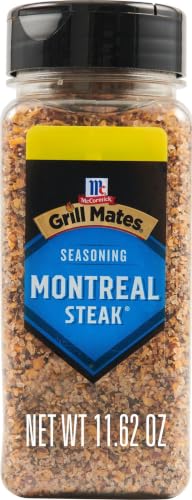
- ✓ Bold crust bringer
- ✓ Easy to apply
- ✓ Versatile uses
- ✕ Can be strong for delicate meats
- ✕ Salt level noticeable
| Product Name | McCormick Grill Mates Montreal Steak Seasoning, 11.62 oz |
| Category Focus | Meat grilling seasoning |
| Serving/Usage Tip | Shake 1 tbsp per 1 lb of steak, hamburger meat, or pork before grilling or broiling |
| Texture | Coarse-texture spices |
| Primary Ingredients Highlight | Coarsely ground peppers, garlic, and spices |
| Net Weight/Size | 11.62 oz (330 g) |
| Flavor/Usage Profile | Bold, savory seasoning suitable for steaks, chicken, pork, burgers, and vegetables |
You know I had to try McCormick Grill Mates Montreal Steak Seasoning on a real weeknight steak, and it didn’t disappoint. The coarse texture hit first, delivering those bold, peppery bits that crust nicely when searing. It instantly reminded me why this blend is a go-to for grill masters and home cooks alike. The McCormick Grill Mates Montreal Steak Seasoning, 11.62 oz is a standout choice in its category.
Applied to a ribeye and a couple of chicken wings, the flavor stuck to the surface in a way that felt premium without overpowering the meat. I appreciated the garlic notes mingling with the coarsely ground spices, which gave a savory depth that stood up to high heat rather than washing out. The guidance to shake 1 tbsp per 1 lb of meat is simple and accurate, and it translates into a reliably crusty exterior. When comparing different best cut of meat for grilling steak options, this model stands out for its quality.
What stood out was the valueSize, delivering 3x more seasoning than the smaller bottle, so you’re not tied to refilling every few weeks. It’s easy to reach for this mix again and again, and it doesn’t fade in flavor after storage, maintaining the same bold profile for burgers, pork, or vegetables as the grill heats up.
What Are the Most Popular Cuts of Meat for Grilling Steak?
The best cuts of meat for grilling steak include the following:
- Ribeye: Known for its rich marbling and tenderness, ribeye steak is a favorite among grill enthusiasts. The fat content in this cut enhances its flavor, making it juicy and delicious when cooked over high heat.
- New York Strip: This cut is favored for its balance of tenderness and flavor, featuring a fine grain and moderate marbling. It provides a hearty bite and is often grilled to medium-rare for optimal taste and texture.
- Filet Mignon: Renowned for its melt-in-your-mouth texture, filet mignon is cut from the tenderloin and is one of the most tender steaks available. While it lacks the fat content of other cuts, its buttery flavor makes it a luxurious choice for grilling.
- T-bone: This cut combines the tenderness of filet mignon on one side and the robust flavor of New York strip on the other, separated by a T-shaped bone. It offers a unique steak experience, allowing for two different flavors in one cut when grilled properly.
- Sirloin: Sirloin steak is a leaner option that still delivers good flavor and tenderness, making it a popular choice for grilling. It is versatile and can be marinated or seasoned to enhance its taste, making it suitable for various grilling recipes.
- Flank Steak: Flank steak is a flavorful, lean cut that benefits from marinating to tenderize it. When grilled and sliced against the grain, it can provide a delicious and satisfying meal, perfect for fajitas or steak salads.
Which Cut of Meat Is Best for Flavor and Texture When Grilling?
The best cuts of meat for grilling steak that offer excellent flavor and texture include:
- Ribeye: This cut is known for its rich marbling, which contributes to its juicy and flavorful profile. The fat content melts during cooking, enhancing the steak’s tenderness and giving it a robust beefy flavor that stands out on the grill.
- New York Strip: The New York Strip has a good balance of tenderness and flavor, with less fat than ribeye but still enough marbling to keep it juicy. It features a firmer texture and a strong beefy taste, making it a favorite among grilling enthusiasts.
- T-bone: Combining two cuts in one, the T-bone includes a portion of tenderloin on one side and strip on the other. This cut offers the best of both worlds—great flavor from the strip and tenderness from the tenderloin, making it a popular choice for those who want variety in a single steak.
- Filet Mignon: Known for its unparalleled tenderness, filet mignon has a lower fat content but compensates with a buttery texture. While it may lack some of the bold beef flavor found in fattier cuts, many grillers appreciate its melt-in-your-mouth quality and often pair it with rich sauces or sides to enhance its taste.
- Flank Steak: Flank steak is a lean cut that can be incredibly flavorful when marinated and grilled correctly. It has a pronounced grain, so it’s best sliced against the grain to maximize tenderness, making it ideal for fajitas or salads when grilled.
- Skirt Steak: Known for its intense beef flavor, skirt steak is another excellent choice for grilling. It is a thinner cut that cooks quickly, and its loose texture absorbs marinades well, making it perfect for dishes like carne asada or steak tacos.
What Role Does Marbling Play in the Best Cut for Grilling?
Marbling significantly influences the tenderness, flavor, and juiciness of the best cut of meat for grilling steak.
- Flavor Enhancement: The intramuscular fat found in marbling contributes to a richer flavor profile in the steak. As the meat cooks, this fat melts and infuses the surrounding muscle fibers, resulting in a more savory and enjoyable eating experience.
- Juiciness: Marbling helps retain moisture during the grilling process. The fat renders as the steak cooks, keeping the meat juicy and preventing it from drying out, which is crucial for achieving a delicious grilled steak.
- Tenderness: Cuts of meat with higher marbling tend to be more tender. The fat within the muscle fibers breaks down during cooking, making the steak easier to chew and enhancing the overall mouthfeel.
- Cooking Temperature and Technique: Steaks with significant marbling can handle higher cooking temperatures without becoming tough. This allows for a perfect sear on the grill while still maintaining a desirable level of doneness inside, making them ideal for grilling.
- Visual Appeal: The presence of marbling can enhance the visual appeal of the steak. A well-marbled cut is often more enticing to consumers, as it signals quality and suggests a richer taste experience.
How Does Thickness Impact the Quality of Grilled Steak?
The thickness of a steak significantly impacts its grilling quality, affecting cooking time, juiciness, and flavor retention.
- Thin Cuts: Thin steaks, typically less than 1 inch thick, cook quickly and can easily become overcooked or dried out if not monitored closely. These cuts are ideal for high-heat grilling methods and are often more affordable, but they may lack the depth of flavor and tenderness found in thicker cuts.
- Medium Cuts: Steaks that are around 1 to 1.5 inches thick are considered ideal for grilling as they balance cooking speed with moisture retention. They allow for a nice sear on the outside while still maintaining a juicy interior, making them popular choices for grilling enthusiasts.
- Thick Cuts: Steaks thicker than 1.5 inches, such as ribeye or porterhouse, require longer cooking times and often benefit from a two-zone grilling method. These cuts tend to be more tender and flavorful due to their marbling, but they also require careful attention to avoid uneven cooking or burning on the exterior while the interior remains undercooked.
Which Steak Cuts Are Best for Direct Grilling?
The best cuts of meat for grilling steak are those that are tender, flavorful, and can withstand high temperatures.
- Ribeye: This cut is known for its rich marbling, which contributes to its juicy and flavorful profile. The fat melts during grilling, enhancing the steak’s taste and tenderness, making it a favorite among steak lovers.
- New York Strip: The New York strip is a well-balanced cut that offers both tenderness and flavor. It has a good amount of marbling and a characteristic beefy taste, which makes it ideal for high-heat grilling.
- T-Bone: Combining two cuts in one, the T-bone features a section of tenderloin on one side and a strip steak on the other. This versatility allows for a range of textures and flavors, appealing to those who enjoy variety in their steak experience.
- Filet Mignon: Known for its extreme tenderness, the filet mignon is cut from the tenderloin and has a mild flavor. While it has less fat than other cuts, it cooks quickly and remains juicy when grilled properly.
- Flank Steak: Flank steak is a lean cut with a robust flavor, making it perfect for marinades and quick grilling. It’s best cooked to medium-rare and sliced against the grain to maximize tenderness.
- Skirt Steak: Similar to flank steak, skirt steak is known for its flavor and is often used in fajitas. It has a loose grain and should also be cooked quickly at high heat, making it a great choice for direct grilling.
What Cuts Should You Choose for Indirect Grilling Techniques?
The best cuts of meat for indirect grilling techniques include options that are tender and flavorful, making them ideal for this cooking style.
- Ribeye: This cut is known for its rich marbling and tenderness, which makes it flavorful and juicy when grilled indirectly. The fat content helps keep the meat moist during the longer cooking process, enhancing its overall taste and texture.
- Sirloin: Sirloin steak is a leaner option that still offers a robust flavor, making it a popular choice for grilling. When cooked using indirect heat, it becomes tender and retains its natural juices, providing a satisfying bite.
- T-bone: This cut combines both the tenderloin and strip steak, giving you the best of both worlds. Indirect grilling allows the T-bone to cook evenly, ensuring that both sides are perfectly done while preserving the distinct flavors of the two different cuts.
- Porterhouse: Similar to the T-bone, the porterhouse is larger and includes more of the tenderloin. Indirect grilling is ideal for this cut as it allows for the larger size to cook thoroughly without burning, resulting in a tender and flavorful steak.
- Flat Iron: This cut is often overlooked but is incredibly tender and flavorful, making it perfect for indirect grilling. The flat iron steak benefits from slower cooking methods, which help to break down the connective tissues, resulting in a melt-in-your-mouth experience.
- Chuck Eye: Often referred to as the “poor man’s ribeye,” the chuck eye steak has similar marbling and flavor at a more affordable price. Indirect grilling helps to render the fat and tenderize the meat, making it a great choice for a delicious grilled meal.
How Can You Determine the Best Cut for Your Grilling Preferences?
To determine the best cut of meat for grilling steak, consider the following options:
- Ribeye: The ribeye is known for its rich marbling and robust flavor, making it a favorite among steak lovers. The fat content ensures that it remains juicy and tender even when grilled at high temperatures, providing a delightful eating experience.
- New York Strip: Also known as the strip loin, this cut balances tenderness and flavor, with a firmer texture than ribeye. It has a good amount of marbling, which contributes to its juiciness, and it grills beautifully with a nice sear.
- T-Bone: The T-bone steak features both a strip and a piece of tenderloin, offering the best of both worlds. Its unique shape allows for a variety of cooking methods, and when grilled properly, it can deliver an impressive flavor profile with tenderness.
- Filet Mignon: Renowned for its tenderness, filet mignon has a mild flavor and minimal fat content, making it a leaner option. While it may not have the same flavor intensity as fattier cuts, it is ideal for those who prioritize tenderness and a buttery texture.
- Sirloin: Sirloin steaks are a more economical choice that still provides great flavor and texture. They are versatile for grilling and can be marinated to enhance their taste, making them a popular option for casual BBQs.