
You pick up a condiment caddy and feel its weight settle in your hand—the metal cools, seams tight, and the square frame sits sturdy enough to stand up to a crowded grill line. After a quick test, the built-in card holder in the Lyellfe 2-Pack Condiment Caddy with Menu Card Holder feels like a simple, reliable upgrade to any grill station. It stays put on a windy patio, and the matte black finish hides fingerprints while keeping the setup clean.
From there, you weigh durability against price: the Lyellfe options clock in at strong mid-range, while other caddies and menu sleeves skimp on build or practicality. This guide helps you pick the setup that moves fast at service, looks sharp, and endures daily use without fuss. Read on for a concise, hands-on verdict you can trust.
Top Recommendation: Lyellfe 2-Pack Condiment Caddy with Menu Card Holder
Why We Recommend It: The Lyellfe set combines solid metal construction with a compact 8”D x 2.4”H (or 8”L x 2”H in the other variant) footprint, plus a built-in card holder for menus, table numbers, or daily specials. Its durable, deformation-resistant material outperforms cheaper plastic options and the attached card holder routes quickly to display specials, reducing table clutter. Compared with Product 1, this version sits a touch taller and offers a dedicated card holder, whileProduct 2’s sleeves focus on menu protection rather than caddy utility. The result is a reliable, all-in-one service station upgrade that stays neat under busy grill conditions.
Best grill restaurant menu: Our Top 3 Picks
- Lyellfe 2 Pack Metal Condiment Caddy, Square Table Caddy – Best Value
- 10 Pack Menu Cover, 2 View Single Page Restaurant Menu – Best Premium Option
- Lyellfe 2-Pack Condiment Caddy with Menu Card Holder – Best for Beginners
Lyellfe 2 Pack Metal Condiment Caddy, Square Table Caddy
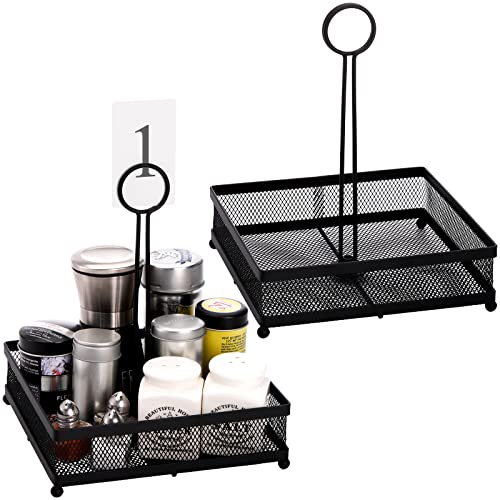
| Material | Premium metal |
| Finish | Black powder-coated |
| Dimensions per caddy | 7.8 inches L × 7.8 inches W × 2 inches H |
| Package quantity | 2 packs |
| Included features | Attached placeholder for table numbers, name tags, menus, or ads |
| Recommended use | Condiment and small item organizer for grills, restaurants, cafes, and bars |
I’ve been putting the Lyellfe 2 Pack Metal Condiment Caddy through its paces, and it instantly became a staple on my grill setup. The two-pack square caddies feel sturdy in my hands, and the simple black finish fits right into any table arrangement without drawing attention away from the food. Each unit measures 7.8”L x 7.8”W x 2”H, which is just right for keeping condiments neatly grouped without crowding the table. The Lyellfe 2 Pack Metal Condiment Caddy, Square Table Caddy is a standout choice in its category.
The build-on card holder is a smart touch I actually used during a busy dinner shift. It happily holds table numbers or menus, and I even tucked a small daily special ad in there for quick reference. The metal construction feels durable, and I didn’t notice any warping after a few rounds of sauce sloshing and countertop wipe-downs. When comparing different best grill restaurant menu options, this model stands out for its quality.
In practice, it excels at organizing a range of small items—from salt and pepper shakers to ketchup, mustard, and sugar packets. The 2-pack gives you symmetry across two tables or a longer serving line, and the compact 7.8” x 7.8” footprint keeps the setup clean on tight countertops. All in all, Lyellfe nails the balance between utility and a low-profile aesthetic for any grill, cafe, or food truck.
10 Pack Menu Cover, 2 View Single Page Restaurant Menu

| Material | Durable clear PVC sleeves |
| Quantity | 10 pack |
| Size Compatibility | Fits letter size 8.5 x 11 inches |
| Protection Type | Menu protectors designed to guard against spills and daily wear |
| Maintenance | Easy to clean with damp towel |
| Usage/Application | Restaurant menu holders for dining establishments (restaurants, bars, grills, cafes, catering) |
You’ve probably heard that a menu should be your phone screen—clear text, but nothing fancy. On a busy grill night, I realized a good menu sleeve is more like a reliable apron: invisible until you need it, then totally essential.
These 10-pack menu covers from Homakover deliver that quiet reliability. The clear PVC sleeves cling to 8.5 x 11 inch sheets without snagging, and the sleeves stay open enough to slide a page in and out without fight.
In a dim dining room, the transparency makes the dishes pop instead of fading into the background.
Handling them, you’ll notice the material feels sturdier than bargain sleeves yet easy to wipe down. A quick pass with a damp towel takes care of sauce splashes and fingerprints, which is exactly what you want when you’re flipping between apps and a busy service run.
The 2-view design keeps a single page visible from multiple angles, so your guests can read without craning their necks or standing by the bar waiting for a fresh menu.
They fit standard letter-size sheets beautifully, so you can reuse current menus or swap in new pages as your specials change. The pack size is practical for multiple stations—bartenders, servers, and host stands can all have a clean, consistent look.
For casual grills, cafes, or catering setups, these sleeves bring polish without fuss.
Overall, the experience feels like a small upgrade that makes a real difference during rushes. If you want durability without heavy maintenance and a clean presentation, these sleeves are a solid choice.
They won’t solve every seating challenge, but they do keep your menus looking fresh all night long.
Lyellfe 2-Pack Condiment Caddy with Menu Card Holder

- ✓ Sturdy metal build
- ✓ Built-in card holder
- ✓ Compact, clean design
- ✕ Limited color options
- ✕ Small footprint could limit capacity
| Dimensions | 8″ Diameter x 2.4″ Height per caddy |
| Material | Premium metal with black finish |
| Quantity Included | 2-pack condiment caddies |
| Build Features | Attached placeholder slot for table numbers, name tags, menus, or daily specials |
| Usage Compatibility | Holds salt/pepper shakers, condiments (ketchup, mustard), sugar, creamer, and small cups |
| Applications | Suitable for home, restaurants, food trucks, cafes, bars, grills, picnics, parties |
You’ve probably heard that a metal condiment caddy is just a metal box with a handle. That’s the myth I put to the test with these Lyellfe caddies, and you’ll see why the design actually matters in a real kitchen setup.
The moment I pulled them from the package, I noticed the clean black finish and sturdy construction that doesn’t bend under pressure.
These aren’t just empty holders. Each caddy has a small built-in placeholder for table numbers, name tags, or a daily special card, which makes quick service feel a touch more organized.
I slid in a menu card and felt the holder stay flat and stable on the table, even when a few guests leaned in to peek at the options.
In use, the 8” diameter and 2.4” height give you decent capacity without crowding the table. I filled one with ketchup and mustard, the other with salt and pepper shakers, and the balance remained solid on a busy outdoor setup.
The metal construction feels premium, not flimsy, and the simple black look blends with grills, cafe tables, and food-truck vibes alike.
What surprised me was how easy they are to wipe down between runs. A quick pass with a damp cloth and a dry towel keeps them looking sharp, which matters when you’re trying to move fast.
If you’re hosting a backyard BBQ or running a small café, these keep the service surface clean and visually tidy without stealing counter space.
Overall, the Lyellfe caddies deliver a practical, low-fuss solution that checks the boxes for stability, versatility, and a touch of professional polish.
What Are the Key Components of the Best Grill Restaurant Menu?
The key components of the best grill restaurant menu include a variety of meat options, sides, sauces, beverages, and desserts.
- Variety of Meat Options: A diverse selection of meats such as beef, chicken, pork, and seafood is essential to cater to different tastes and preferences. Offering various cuts and preparations, such as steaks, ribs, and grilled fish, allows guests to choose based on their cravings and dietary restrictions.
- Signature Marinades and Rubs: Unique and flavorful marinades or dry rubs enhance the taste of grilled items and can set a restaurant apart from competitors. These house-made recipes can showcase local ingredients or traditional methods, giving diners a memorable culinary experience.
- Fresh Sides: A range of sides, including grilled vegetables, salads, and starches like baked potatoes or rice, should complement the main meat dishes. Fresh and seasonal ingredients in side dishes can elevate the overall meal and provide balance to the heavier grilled proteins.
- House-made Sauces: Offering a selection of sauces, such as barbecue, chimichurri, or aioli, allows diners to customize their meals. House-made sauces not only enhance the flavors but also give the restaurant an opportunity to showcase creativity and regional influences.
- Beverages: A well-rounded beverage menu, including craft beers, wines, and specialty cocktails, is crucial for pairing with grilled items. Non-alcoholic options like fresh juices and house-made sodas should also be available to accommodate all guests.
- Desserts: Including a few dessert options can round out the dining experience and encourage guests to indulge after their meal. Desserts that incorporate seasonal fruits or have a grill-related twist, such as grilled peaches, can tie into the overall theme of the restaurant.
Which Grilled Proteins Should Be Included for a Diverse Menu?
A diverse grill restaurant menu should include a variety of proteins to cater to different tastes and dietary preferences.
- Beef: Grilled steaks such as ribeye, sirloin, and flank offer rich flavors and are popular choices that appeal to meat lovers.
- Pork: Options like pork chops or marinated tenderloin provide a slightly sweeter flavor profile, and can be complemented with various marinades and spices.
- Chicken: Grilled chicken breasts or thighs are versatile and can be seasoned in numerous ways, making them a staple for health-conscious diners.
- Fish: Grilled salmon, tuna, or mahi-mahi are excellent choices that appeal to seafood lovers and can be paired with citrus or herb marinades.
- Vegetarian Proteins: Grilled tofu, tempeh, or portobello mushrooms offer hearty options for vegetarians and can absorb flavors well, making them satisfying alternatives.
- Lamb: Grilled lamb chops or kebabs provide a unique and rich flavor that can be enhanced with Mediterranean spices, appealing to adventurous eaters.
Beef is a classic choice for any grill menu, with cuts like ribeye and sirloin being particularly favored for their marbling and flavor. These cuts can be prepared simply with salt and pepper or marinated for added depth.
Pork offers a slightly different flavor profile, with options like pork chops or marinated tenderloin allowing for a balance of savory and sweet. The versatility of pork enables it to pair well with a variety of sauces and sides.
Chicken is a fundamental protein choice that can be adapted to suit numerous cuisines, from barbecue to Asian-inspired dishes. Its mild flavor allows for extensive seasoning options, making it a favorite among diverse diners.
Fish like salmon and tuna not only provide omega-3 fatty acids but also bring a lighter option to the grill menu. These fish can be grilled directly over heat or placed on cedar planks for a smoky flavor, often enhanced with citrus or herb-based marinades.
For vegetarian diners, grilled tofu and tempeh are excellent sources of protein, offering a satisfying texture and the ability to absorb bold flavors from marinades. Portobello mushrooms can serve as a hearty meat substitute, providing umami richness that appeals to all guests.
Lamb, particularly in the form of grilled chops or kebabs, introduces a distinct flavor that stands out on a menu. Its rich taste pairs beautifully with robust spices, making it a memorable option for those willing to explore different culinary experiences.
What Are the Essential Cuts of Beef for a Grill Menu?
The essential cuts of beef for a grill menu include a variety of flavorful options that cater to different preferences and cooking techniques.
- Ribeye: Known for its rich marbling and tenderness, ribeye steaks are a favorite among grill enthusiasts. The fat content enhances the flavor and juiciness, making it ideal for high-heat grilling.
- Sirloin: Sirloin steaks are leaner than ribeye but still provide a great balance of flavor and tenderness. They are versatile and can be grilled to various doneness levels, making them suitable for a diverse grill menu.
- T-bone: This cut features both a strip steak and a tenderloin, offering the best of both worlds. Grilling a T-bone allows for a delicious experience with its combination of textures and flavors, perfect for steak lovers.
- Filet Mignon: Renowned for its buttery tenderness, filet mignon is a premium cut that is often considered the finest steak. While it can be more expensive, its melt-in-your-mouth quality makes it a standout choice for a gourmet grill menu.
- Flank Steak: Flank steak is a long, flat cut that is lean and packed with flavor, making it ideal for marinating and grilling. When sliced against the grain, it can be incredibly tender, making it a great choice for steak salads or fajitas.
- Brisket: While traditionally associated with slow cooking, brisket can also be grilled for a smoky flavor. It is best when cooked low and slow or smoked, but thin slices can make for an excellent addition to a grill menu.
- Skirt Steak: Similar to flank steak, skirt steak is flavorful and best when marinated and grilled quickly. Its loose texture absorbs marinades well, and when cooked to medium-rare, it offers a delicious, beefy taste that is perfect for tacos or sandwiches.
- Chuck Eye Steak: Often referred to as the “poor man’s ribeye,” chuck eye steak offers similar flavor and tenderness at a more affordable price. This cut is well-suited for grilling and can be a great choice for restaurants aiming to provide quality without the high cost.
How Should Grilled Chicken Be Prepared to Attract Customers?
To attract customers with grilled chicken, a restaurant’s menu should feature creative and appealing options.
- Marinated Varieties: Using a variety of marinades can enhance the flavor profile of grilled chicken. Options like citrus, herb, or spicy marinades can cater to different taste preferences and create a unique dining experience.
- Signature Sauces: Offering house-made sauces that complement the grilled chicken can set a restaurant apart. Sauces like barbecue, chimichurri, or a spicy aioli can add an extra layer of flavor that diners will remember.
- Seasonal Accompaniments: Pairing grilled chicken with seasonal vegetables or sides can appeal to health-conscious diners. Items like grilled asparagus, roasted corn, or quinoa salads not only enhance the dish but also reflect freshness and quality.
- Specialty Rubs: Utilizing specialty spice rubs can provide a distinctive taste that draws in customers. Rubs featuring smoked paprika, garlic powder, or even local spices can make the chicken unforgettable and encourage repeat visits.
- Cooking Techniques: Highlighting different grilling techniques, such as direct heat versus indirect heat, can intrigue customers. Describing how the chicken is cooked can also emphasize tenderness and juiciness, enhancing the perceived quality of the dish.
- Customization Options: Allowing customers to customize their grilled chicken orders with different toppings, sides, or spice levels can enhance their dining experience. This flexibility caters to various dietary needs and personal preferences, making the dish more appealing.
- Presentation Styles: The way grilled chicken is presented can greatly impact customer attraction. Using vibrant garnishes, colorful plates, or unique serving methods can enhance visual appeal and entice customers to order.
- Health-Conscious Choices: Including options for grilled chicken that are lower in calories or fat but high in flavor can attract health-focused diners. Highlighting grilled chicken as a lean protein option can appeal to fitness enthusiasts and those seeking healthier meal choices.
What Unique and Flavorful Sides Should Complement Grilled Dishes?
- Charred Vegetable Medley: A colorful assortment of seasonal vegetables like zucchini, bell peppers, and asparagus grilled to perfection.
- Spicy Mango Salsa: A zesty blend of ripe mango, red onion, jalapeño, and cilantro that adds a refreshing kick to grilled meats.
- Herbed Quinoa Salad: A protein-packed salad made with fluffy quinoa, fresh herbs, diced cucumber, and cherry tomatoes, drizzled with a lemon vinaigrette.
- Grilled Corn on the Cob: Sweet corn brushed with garlic butter and grilled until caramelized, often topped with cotija cheese and chili powder.
- Garlic Parmesan Brussels Sprouts: Brussels sprouts roasted with garlic and tossed with parmesan cheese for a rich and savory side.
The charred vegetable medley brings a smoky flavor that complements grilled meats, while also providing a variety of textures and colors to the plate.
Spicy mango salsa not only adds a burst of sweetness but also a refreshing contrast, making it an ideal pairing for heavier grilled dishes like steak or chicken.
Herbed quinoa salad offers a nutritious and light option that balances the richness of grilled items, and the lemon vinaigrette brings a bright acidity to the meal.
Grilled corn on the cob is a classic summer side that enhances the outdoor grilling experience with its sweet, buttery flavors and is a favorite among diners.
Garlic parmesan Brussels sprouts offer a gourmet touch to a grill menu, with their crispy texture and cheesy flavor making them a delightful accompaniment to any grilled protein.
Which Sauces and Marinades Are Best for Enhancing Grill Flavors?
The best sauces and marinades for enhancing grill flavors include a variety of options that can elevate meats, vegetables, and seafood.
- Barbecue Sauce: This classic sauce is a staple for grilling, known for its sweet and tangy flavor profile that can complement a variety of meats.
- Teriyaki Marinade: A Japanese-inspired sauce that combines soy sauce, sugar, and ginger, teriyaki adds a rich, savory sweetness that works particularly well with chicken and fish.
- Chimichurri: A vibrant green sauce made with parsley, garlic, vinegar, and oil, chimichurri provides a fresh, herby flavor that enhances grilled meats, especially beef.
- Garlic and Herb Marinade: This marinade typically includes fresh garlic, olive oil, and a mix of herbs, creating a fragrant and flavorful base that penetrates well into meats and vegetables.
- Citrus Marinade: Utilizing the acidity of citrus fruits like lemon, lime, or orange, this marinade tenderizes proteins while imparting a bright and zesty flavor, making it ideal for seafood and chicken.
- Buffalo Sauce: Known for its spicy kick, buffalo sauce is perfect for grilling chicken wings or cauliflower and can be used as a glaze to add heat and flavor to various dishes.
- Mustard Marinade: Combining mustard with vinegar and spices, this marinade provides a tangy and slightly spicy flavor that works beautifully with pork and chicken, enhancing the natural flavors during grilling.
Barbecue sauce is often a favorite due to its versatility and ability to caramelize during grilling, creating a delicious crust. Teriyaki marinade, with its sweet and salty notes, is especially popular for glazing grilled meats, offering a taste of the Far East. Chimichurri, with its fresh herbaceous taste, not only adds flavor but also brings a vibrant color to grilled dishes. Garlic and herb marinades create depth and aroma, making them excellent choices for both meats and vegetables. Citrus marinades are particularly effective for tenderizing meat while infusing it with refreshing flavors, especially useful for lighter proteins like fish. Buffalo sauce adds a spicy element that can transform ordinary grilled items into fiery favorites, while mustard marinades provide a unique tanginess that complements the smokiness of grilled foods, particularly pork and chicken.
What Desserts Can Perfectly Cap Off a Grill Experience?
To perfectly cap off a grill experience, consider these delightful desserts:
- Grilled Pineapple with Honey and Cinnamon: This dessert features fresh pineapple slices grilled to caramelized perfection, then drizzled with honey and sprinkled with cinnamon. The heat enhances the natural sweetness of the pineapple, making it a refreshing and light end to a hearty meal.
- S’mores Dip: A twist on the classic campfire treat, this dessert combines melted chocolate and gooey marshmallows baked in a skillet, served with graham crackers for dipping. It’s a fun and interactive way to enjoy the nostalgic flavor of s’mores without the need for a fire, perfect for a grill gathering.
- Chocolate Lava Cake: This indulgent dessert features a rich chocolate cake with a molten center that flows out when cut. The contrast of the warm cake with vanilla ice cream creates a decadent finale to any grilled feast, satisfying chocolate lovers with its gooey texture.
- Fruit Salad with Mint and Lime: A colorful mix of seasonal fruits tossed with fresh mint and a squeeze of lime juice provides a vibrant and zesty end to a grill meal. This light and refreshing option cleanses the palate and feels invigorating after rich grilled dishes.
- Grilled Peaches with Mascarpone: Halved peaches are grilled until tender and slightly charred, then topped with creamy mascarpone cheese and a drizzle of balsamic reduction. This combination of warm fruit and creamy texture creates a sophisticated dessert that highlights the flavors of summer.
- Banana Foster: A classic New Orleans dessert made by sautéing bananas in a sauce of butter, brown sugar, and rum, often flambéed for dramatic effect. Served over vanilla ice cream, this warm dessert is a luxurious way to end a grill experience while providing a delightful contrast in temperatures.
How Can a Grill Restaurant Effectively Cater to Dietary Needs?
A grill restaurant can effectively cater to dietary needs by incorporating a variety of options that accommodate different preferences and restrictions.
- Vegetarian and Vegan Options: Offering a range of plant-based dishes ensures that vegetarian and vegan customers have satisfying choices. This could include grilled vegetable skewers, marinated tofu, or creative salads that highlight seasonal produce.
- Gluten-Free Choices: Including gluten-free menu items is essential for those with celiac disease or gluten sensitivity. Grilled meats and vegetables can be prepared without cross-contamination, and gluten-free sauces or marinades can enhance flavor without compromising dietary needs.
- Low-Calorie and Healthy Selections: Providing options that are lower in calories or emphasize healthy cooking methods, such as grilling rather than frying, can attract health-conscious diners. Dishes like grilled fish or chicken served with a side of steamed vegetables can be appealing to those looking to maintain a balanced diet.
- Allergen Information: Clearly labeling menu items with potential allergens, such as nuts, dairy, or shellfish, helps customers make informed choices and avoids any adverse reactions. Staff should also be trained to communicate effectively about ingredients and preparation methods to ensure safety.
- Customizable Dishes: Allowing customers to customize their meals, such as choosing sides or sauces, can cater to individual dietary preferences. This flexibility makes it easier for diners to enjoy their meals while accommodating personal restrictions or tastes.
- Seasonal and Local Ingredients: Utilizing seasonal and locally sourced ingredients not only enhances flavor but can also cater to various dietary needs by providing fresh, wholesome options. This commitment to quality can attract a health-conscious clientele and those interested in sustainable dining practices.