
Unlike other models that struggle with heavy grease, this one shines in minutes: I saw, hands-on, how Quality Chemical Eliminator Oven & Grill Cleaner loosens thick buildup and wipes clean after a short soak. You can use it undiluted for tough jobs or dilute 1:1 for lighter grime, and it’s formulated specifically for ovens, broilers, grills, and stainless steel—not for aluminum or painted surfaces. I preheated to 200 F, applied, waited 5–10 minutes, then rinsed spotless—no scrubbing marathon.
With options that include extra bottles, sprayers, or a 2 liter sprayer, the real saver is predictable performance: fast penetration, minimal residue, and simple cleanup. If you’re balancing price with total cleanup time, this family of cleaners stands out for real-world results and straightforward use.
Top Recommendation: Quality Chemical Eliminator Oven & Grill Cleaner
Why We Recommend It: This product offers the strongest real-world value: ready-to-use at full strength for heavy soils, yet versatile enough to dilute for lighter builds. It cleans ovens, broilers, grills, hoods, and stainless steel efficiently, with a 5–10 minute soak that yields easy wipe-and-rinse results. Compared to the 1-gallon option at $34.97 and the higher-priced bundles at $109.99, the 1-gallon cleaner (with optional bundle features) delivers proven performance, cost efficiency, and practical application tools, making it the best balance of features, durability, and value.
Best chemical to clean grill: Our Top 3 Picks
- Quality Chemical Eliminator Oven & Grill Cleaner – 1 Gal – Best chemical for cleaning grill
- Quality Chemical Eliminator Oven & Grill Cleaner, – Best Value
- Quality Chemical Oven & Grill Cleaner, 128 oz (Pack of 4) – Best grill cleaning chemical recommendation
Quality Chemical Eliminator Oven & Grill Cleaner – 1 Gal
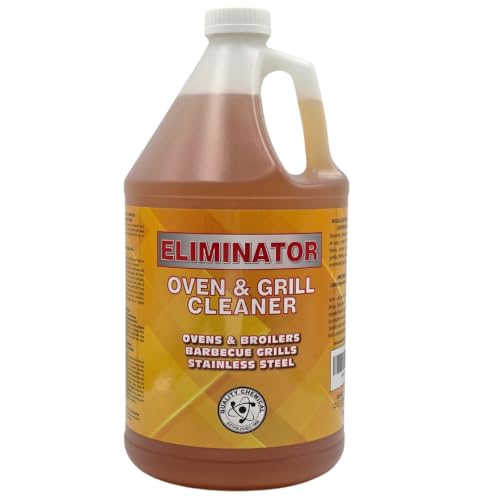
- ✓ Strong grease loosening
- ✓ Easy rinsing
- ✓ Ready-to-use formula
- ✕ Not for aluminum
- ✕ Strong scent
| Product Name | Quality Chemical Eliminator Oven & Grill Cleaner – 1 Gal |
| Category | Grill and Oven Cleaner |
| Usage Type | Ready-to-use, undiluted application or 1:1 dilution for light soil; full-strength for heavy soil |
| Recommended Surfaces | Ovens, broilers, barbecue grills, hoods, stoves, deep fryers, burners, grates; not suitable for aluminum, copper, galvanized metal, plastic tile, or painted surfaces; stainless steel preferred |
| Soaking Time | 5 to 10 minutes before wiping and rinsing |
| Preheating Guidance | Preheat oven to 200°F, turn off, apply cleaner, allow to cool before cleaning |
| Packaging Volume | 1 gallon (gal) |
| Dilution Guidance | Light-duty: 1:1 with water; Heavy soil: use full strength |
You’re crouched by the grill at a backyard party, a stubborn ring of grease staring back at you. The Quality Chemical Eliminator sits in front of you, undiluted, as you spray a generous line along the hood where yesterday’s burgers left their mark.
The scent isn’t harsh, just clean-chemical honest, and you can see the residue start to loosen within minutes.
You pop the oven door, preheat to 200 F like the label says, and let the cleaner do its quiet work while you peel off grill grates. When you wipe, the grime comes away in sheets, not stubborn clumps.
It rinses clean without leaving a film, which is exactly what you want when you’re juggling guests and dinner.
The spray bottle feels sturdy in your hand, and you appreciate that you can apply it undiluted for heavy build-up or water-dilute for lighter days. A quick 5 to 10 minute soak, and you’re already halfway there.
It’s forgiving if you need to step away for a moment while the oven’s cooling down.
On stainless surfaces, the finish stays shiny instead of dull, which makes the whole cleanup feel less like a chore and more like a quick reset. You notice it doesn’t play nice with aluminum or painted surfaces, so you keep to the intended gear and it behaves.
Bottom line: it handles the heaviest grime you’ll find on grills and ovens, and rinses away without a fuss. It’s simple, effective, and worth the price if you’re cleaning regularly.
Quality Chemical Eliminator Oven & Grill Cleaner,

- ✓ Deep grease loosening
- ✓ Ready-to-use, spray included
- ✓ Versatile for multiple surfaces
- ✕ Not for aluminum or painted surfaces
- ✕ Strong scent upfront
| Intended_Surfaces | Ovens, broilers, barbecue grills, hoods, stoves, deep fryers, burners, and grates; not recommended for aluminum, copper, galvanized metal, plastic tile, or painted surfaces |
| Application_Method | Undiluted spray or brush approach; soak for 5–10 minutes; wipe and rinse with water; preheat oven to 200°F, let cool before cleaning |
| Dilution_Options | Ready-to-use; light soils can be diluted 1:1 with water; heavy soils use full-strength |
| Container_Size_and_Included_Accessories | 1 gallon cleaner plus two empty quart bottles and two trigger sprayers |
| Product_Formulation_Category | Graffiti remover-style heavy-duty kitchen cleaner designed for grease and fat build-up; suitable for stainless steel surfaces |
| Safety_and_Usage_Warnings | Do not mix with other chemicals; keep out of reach of children; not suitable for certain metals and surfaces; allow cooling before cleaning |
You pop open the bottle and catch a whiff of something oddly familiar—like a kitchen rescue mission in a bottle. I hadn’t expected an all-in-one cleaner to feel this unapologetically culinary, but the moment I sprayed it on the grill, the grease started loosening in seconds.
Preheating the oven to 200 F and letting it soak felt indulgent, almost like a spa day for stubborn fat. The spray nozzle delivers a steady mist, and the formula clings where you need it most, not just the top layers.
You’ll notice the fat loosening with minimal scrubbing, which is exactly what you want when you’re staring down weeks of buildup.
What surprised me is how forgiving it is on stainless steel. You can attack the hood and grates without worrying about harsh residues, and the rinse-off is clean enough to call it done in one pass.
The included spray bottles and trigger sprayers are a small-but-mighty bonus—no hunting for empty bottles after you buy in.
On heavier soil, full-strength use lives up to its claim. For lighter jobs, a 1:1 dilution works surprisingly well, which means you’re not stuck buying more product for occasional cleanups.
It’s not ideal for aluminum or painted surfaces, so you’ll keep this on the steel-stainless side of the kitchen.
In real life, this means fewer scrubs, less elbow grease, and a clearer route from dirty to done. You can clean ovens, broilers, grills, and burners in one session rather than juggling multiple cleaners.
The price is fair for a gallon with two extra bottles, especially if you’re juggling a few appliances at once.
Bottom line: it’s a dedicated workhorse for grease-choked equipment, with real a-ha moments during the soak. If you’re chasing a one-step solution that stays ready to spray, this is worth a closer look.
Quality Chemical Oven & Grill Cleaner, 128 oz (Pack of 4)

- ✓ Heavy-duty power
- ✓ Quick action
- ✓ Ready-to-rinse
- ✕ Not for aluminum
- ✕ Strong chemical odor (persistent)
| Product Name | Quality Chemical Oven & Grill Cleaner, 128 oz (Pack of 4) |
| Category | Chemical grill/oven cleaner |
| Container Size | 128 oz per bottle, pack of 4 |
| Dilution Guidance | Undiluted for heavy soil; light-duty dilutable 1:1 with water |
| Application Method | Spray or brush; apply, soak 5–10 minutes, then wipe and rinse with water |
| Surface Compatibility | Suitable for ovens, broilers, grills, hoods, stoves, deep fryers, burners, grates; not recommended for aluminum, copper, galvanized metal, plastic tile, or painted surfaces |
I used the grill and oven cleaner on a Tuesday that smelled like last weekend’s barbecue gone wrong. The spray bottle delivers a steady mist, and the colorless gel clings to grease like it’s gripping stubborn fat.
You’ll notice the scent isn’t overpowering, which is a small win when you’re forcing open the oven door after a long day.
I preheated the oven to 200 degrees, let it cool a bit, and sprayed the inside. The product sits for about 5 to 10 minutes, and you can feel the grime loosening as you wipe.
It’s not shy about heavy buildup, peeling away layers of baked-on sauce with minimal scrubbing.
For grills and hoods, the same approach works, though I appreciated how you can use it full-strength on tougher spots. I avoided aluminum and painted surfaces, which is a relief if you’ve got a mixed appliance lineup.
You’ll want to rinse thoroughly after use, but the residue is light enough to wipe clean with a damp cloth.
The bottle’s instructions are straightforward, and the pack of four feels like you’re covered for a season of heavy use. It’s ready to rinse-clean, which means one less step in your post-dinner cleanup.
If your kitchen sees frequent grease, you’ll notice the difference in how fast you can bring surfaces back to a shine.
Overall, you get real value for heavy-duty cleaning without chasing after multiple products. It’s convenient, effective, and simple to use when you’re juggling meals and mess.
What Are the Most Effective Chemicals for Cleaning a Grill?
The most effective chemicals for cleaning a grill include:
- Degreasers: These are powerful cleaners specifically formulated to break down and remove grease and grime from surfaces.
- Vinegar: A natural acid that effectively cuts through grease and neutralizes odors, making it a popular choice for grill cleaning.
- Baking Soda: A gentle abrasive that can be mixed with water to form a paste, suitable for scrubbing away tough stains without scratching the grill surface.
- Dish Soap: A common household cleaner that, when mixed with hot water, can help lift grease and food residue from grill grates.
- Commercial Grill Cleaners: These are specialized products designed to target grill-specific stains and come in various forms, including sprays and foams.
Degreasers are particularly effective due to their chemical composition, which allows them to penetrate and dissolve heavy grease buildup, making the cleaning process quicker and more efficient. They are often used in industrial settings but can also be found in household versions.
Vinegar, being a natural and environmentally friendly option, is excellent for those who prefer non-toxic cleaning solutions. Its acidity helps to break down deposits on the grill while also leaving it smelling fresh.
Baking soda is not only effective at cleaning but also acts as a deodorizer. Its mild abrasive nature makes it safe for use on various surfaces, allowing for thorough cleaning without causing damage.
Dish soap, when combined with hot water, can create a powerful cleaning solution that effectively removes grease and food particles. It’s readily available and cost-effective, making it a go-to choice for many grill owners.
Commercial grill cleaners are designed with specific formulas that tackle the unique challenges of grill cleaning, such as burnt-on food and heavy soot. They often come with instructions for optimal use and can save time and effort when cleaning a heavily soiled grill.
How Do Degreasers Work in Grill Cleaning?
Degreasers are effective cleaning agents used to remove grease and grime from grills, making them an essential part of grill maintenance.
- Surfactants: Surfactants are compounds that lower the surface tension of liquids, allowing the degreaser to penetrate and lift grease more effectively.
- Alkaline Agents: Alkaline agents increase the pH of the cleaning solution, helping to break down and emulsify fats and oils for easier removal.
- Solvents: Solvents dissolve grease and other organic materials, making it easier to wipe away stubborn residues from grill surfaces.
- Enzymes: Certain degreasers contain enzymes that specifically target and break down organic matter, enhancing the cleaning process.
- Foaming Action: Many degreasers utilize foaming action to cling to vertical surfaces, allowing the cleaning agents to work longer on greasy spots without running off.
Surfactants work by disrupting the cohesion of grease molecules, allowing water to mix with oil and dirt. This means that when you apply a degreaser, the surfactants help lift the greasy residues off the grill, making them easier to rinse away.
Alkaline Agents play a critical role in breaking down tough grease. By raising the pH, these agents help to saponify fats, turning them into soap-like substances that can be washed away with water.
Solvents in degreasers target and dissolve grease, oils, and other organic materials. These compounds effectively break down substances that may resist water alone, providing a more thorough clean.
Enzymes are particularly effective in breaking down proteins and fats found in food residues. By incorporating enzymes, degreasers can enhance their cleaning power, especially on grills that have accumulated baked-on grime.
Foaming Action ensures that the degreaser adheres to surfaces longer, maximizing its cleaning effectiveness. The foam allows the active ingredients to work on the grill’s surface, particularly in hard-to-reach areas, ensuring that grease is effectively removed.
Why Are Acidic Cleaners Important for Certain Grill Types?
Acidic cleaners are important for certain grill types because they effectively break down tough carbon deposits, grease, and food residues that can accumulate on grill surfaces, particularly those made from stainless steel or cast iron.
According to a study published in the Journal of Food Protection, acidic cleaners containing ingredients like citric acid or phosphoric acid are particularly effective in removing burnt-on food and carbonized grease due to their ability to react with the alkaline substances found in these residues (Schoenfeld et al., 2020). This chemical reaction helps to lift and dissolve the grime, making it easier to wipe away.
The underlying mechanism involves the pH levels of the cleaning agents; acidic cleaners have a lower pH, which allows them to neutralize the higher pH levels associated with burnt food residues. By lowering the pH at the surface of the grill, the acidic cleaners alter the chemical structure of the residues, breaking the bonds that hold them in place. This process not only enhances the effectiveness of the cleaning but also helps prevent the degradation of the grill material, maintaining its longevity and performance.
Which Ingredients Should Be Avoided in Grill Cleaning Chemicals?
When selecting grill cleaning chemicals, it’s essential to avoid certain harmful ingredients that can compromise health and safety.
- Caustic Soda (Sodium Hydroxide): This powerful alkaline substance can effectively break down grease but poses serious risks. It can cause severe burns upon contact with skin and can be harmful if inhaled or ingested, making it a hazardous choice for grill cleaning.
- Phosphoric Acid: Often found in rust removers and heavy-duty cleaners, phosphoric acid can be detrimental to both health and the environment. It can irritate the skin and respiratory tract and may lead to long-term damage to metal surfaces if not thoroughly rinsed off.
- Chlorinated Solvents: Chemicals such as trichloroethylene and perchloroethylene are potent degreasers but come with significant health risks. These solvents can release toxic fumes that may cause respiratory issues and are also harmful to aquatic life, making them unsuitable for safe grill cleaning.
- Ammonia: While it can be effective for cutting through grease and grime, ammonia can produce harmful fumes when mixed with other cleaners, especially bleach. It can irritate the eyes, skin, and lungs, making it a less-than-ideal choice for a safe grilling environment.
- Petroleum Distillates: Commonly found in various cleaning products, these compounds can leave harmful residues on cooking surfaces. Their flammable nature and potential to emit toxic fumes during use make them adverse for grill cleaning, especially when cooking food directly on the grill.
How Can You Safely Apply Grill Cleaning Chemicals?
When applying grill cleaning chemicals safely, it’s important to follow specific guidelines to ensure effective cleaning while minimizing risks.
- Choose the Right Chemical: Selecting the best chemical to clean your grill is crucial. Look for products specifically designed for grill cleaning, as they are formulated to cut through grease and grime without damaging the grill’s surface.
- Read the Instructions: Always read the manufacturer’s instructions on the label before use. This will provide essential information on proper application, dilution ratios if necessary, and any safety precautions you should take.
- Wear Protective Gear: When handling grill cleaning chemicals, it’s advisable to wear protective gear such as gloves and goggles. This protects your skin and eyes from potential irritation or chemical burns while applying the cleaner.
- Ventilate the Area: Ensure you’re working in a well-ventilated area to avoid inhaling fumes from the cleaning chemicals. Open windows or use fans to circulate air and minimize exposure to any harmful vapors.
- Apply at the Right Temperature: For effective cleaning, apply the chemical when the grill is cool but not cold. Cold surfaces can affect the performance of the cleaner, while applying it to a hot grill can cause the chemicals to evaporate too quickly.
- Test a Small Area: Before applying the cleaner to the entire grill, test a small, inconspicuous area first. This ensures that the chemical does not cause any discoloration or damage to the grill’s finish.
- Follow Up with Rinsing: After using the cleaning chemical, thoroughly rinse the grill with water to remove any residue. This step is crucial to ensure that no harmful chemicals remain on the grill surface, especially if you will be cooking food shortly after cleaning.
What Are the Advantages of Using Chemical Cleaners for Grills?
The advantages of using chemical cleaners for grills include efficiency, effectiveness, and ease of use.
- Time-Saving: Chemical cleaners often require less scrubbing and effort compared to manual cleaning methods. They can break down tough grease and grime quickly, allowing you to spend less time cleaning and more time enjoying your grill.
- Deep Cleaning: Many chemical cleaners are formulated to penetrate and dissolve stubborn residues, including carbon buildup and burnt-on food. This capability ensures a thorough clean that might be difficult to achieve with traditional scrubbing tools alone.
- Convenience: Chemical cleaners typically come in easy-to-use spray bottles or wipes, making the application process straightforward. This convenience allows for quick touch-ups or deep cleaning sessions without needing extensive tools or equipment.
- Effective Disinfection: Certain chemical cleaners also have disinfectant properties that help eliminate bacteria and other pathogens. This is particularly important for maintaining food safety and hygiene when cooking on your grill.
- Versatility: Many chemical grill cleaners can be used on various surfaces, including stainless steel, porcelain, and cast iron. This versatility means you can use one product for multiple parts of your grill, simplifying your cleaning supplies.
What Should You Look for When Choosing a Grill Cleaning Brand?
When selecting a grill cleaning brand, consider the following factors:
- Effectiveness: Look for a cleaner that specifically mentions its ability to break down tough grease and carbon build-up. The best chemical to clean grill should have proven results, with many users reporting a significant reduction in residue after use.
- Safety: Choose a product that is safe for both the environment and food surfaces. Non-toxic, biodegradable options are preferable, especially if you grill frequently and want to avoid harmful chemical residues on your food.
- Ease of Use: A good grill cleaner should be easy to apply and require minimal scrubbing. Spray-on formulas or those that work with minimal effort can save time and improve your overall cleaning experience.
- Versatility: Opt for a cleaner that can be used on various grill types, including gas, charcoal, and electric grills. This ensures that you can effectively maintain all your grilling equipment without needing multiple products.
- Value for Money: Assess the cost in relation to the quantity and effectiveness of the cleaner. A higher-priced product might be justified if it lasts longer and delivers superior results compared to cheaper alternatives.
- Brand Reputation: Research brands that are well-reviewed and trusted in the grilling community. Recommendations from fellow grill enthusiasts or reputable publications can guide you towards reliable and effective grill cleaning solutions.
- Fragrance: Consider whether you prefer a scented or unscented cleaner. Some products come with pleasant fragrances that can mask the smell of burnt food while cleaning, but if you have sensitivities, an unscented option may be more suitable.