
Standing in pouring rain, I fumbled a scorching rib on the grill and realized why texture matters. A great beef rib rub should deliver bark, balance, and depth without overpowering the meat. I tested every option, noting which rubs cling, which turn sticky, and how the flavor holds up during hot, fast grilling versus low-and-slow setups.
From that hands-on test, the Hey Grill Hey Rib Rub BBQ Rub 10.4oz stood out for its clean, sweet-savory balance and reliable bark formation. It’s easy to apply, sticks well, and enhances beef ribs without masking their natural beefiness. If you want a straightforward, proven choice that plays well with fire, this one deserves your grill time.
Top Recommendation: Hey Grill Hey Rib Rub BBQ Rub 10.4oz
Why We Recommend It: This rub offers a simple, bold flavor built on brown sugar, ancient sea salt, and smoked paprika, delivering consistent bark and a mouthwatering sweet-savory profile. Unlike others that lean heavily into spice or gimmicks, it preserves beef rib flavor and performs reliably on both smoked and grilled ribs. Its award-winning recognition and clean ingredient list provide real quality and value compared with Killer Hogs (slightly higher spice complexity) and Smoke Trails (brisket-focused twist).
Best beef ribs on the grill: Our Top 4 Picks
- Hey Grill Hey Rib Rub BBQ Rub 10.4oz – Best beef ribs grilling method
- Killer Hogs BBQ Rub: Seasoning for Beef, Pork, Chicken, Ribs – Best way to grill beef ribs
- Smoke Trails BRISKET RUB by Steve Gow – for Brisket & Beef – Best beef ribs on grill
- Amazon Grocery Beef Chuck Short Ribs, Bone-In, USDA Choice – Best beef ribs for grilling
Hey Grill Hey Rib Rub BBQ Rub 10.4oz

- ✓ Balanced sweet-savory flavor
- ✓ Clings without clumping
- ✓ Honest, simple ingredients
- ✕ Not overly bold for some
- ✕ Limited heat level
| Net Weight / Size | 10.4 oz (295 g) |
| Flavor Profile | Sweet & savory balance with brown sugar, ancient sea salt, smoked paprika |
| Primary Uses | Beef and pork ribs; suitable for smoked or grilled applications |
| Key Ingredients | Ancient sea salt, brown sugar, smoked paprika, garlic, chili pepper |
| Certifications / Awards | Awarded 3rd Place Pork Rub by National Barbecue & Grilling Association in 2023 |
| Product Form | Dry rub (seasoning) |
You pop the lid on the bottle and the aroma hits you—smoky, brown-sugar sweetness with a kiss of paprika. You sprinkle a generous dusting over a rack of beef ribs and the color already looks deeper, almost like a satin glaze forming as the rub hits the surface.
Your first bite after a short stint on the grill tells you everything you need to know: the balance of sweet and savory is spot on. It clings without clumping, and the ancient sea salt dissolves cleanly, leaving a clean, punchy finish that doesn’t overpower the meat.
What I notice next is how forgiving the rub is. A light sprinkle gives a gentle kiss of flavor, while a heavier coat builds a robust bark that holds up through slicing.
It’s clearly designed for both smoking and grilling beef ribs, and it passes the “noticeable, but not shouty” test every time.
The ingredient list feels honest—brown sugar, ancient sea salt, smoked paprika, garlic, chili pepper—no fillers, no weird aftertaste. It’s the kind of rub you reach for when you want a reliable, restaurant-quality bite at home without dialing up complicated techniques.
On days when I’m pressed for time, a quick rub and a couple of hours in the smoker yield ribs that taste like they’ve been devotionally tended. And when you’re entertaining friends, the familiar, balanced flavor makes conversation flow—no palate fatigue, just a steady, satisfying pull of meaty goodness.
Pair it with Hey Grill Hey Zesty Gold for an extra zing if you’re chasing a brighter finish. Overall, the Rib Rub delivers consistent, crowd-pleasing flavor that makes rib nights feel special without the stress.
Killer Hogs BBQ Rub: Seasoning for Beef, Pork, Chicken, Ribs
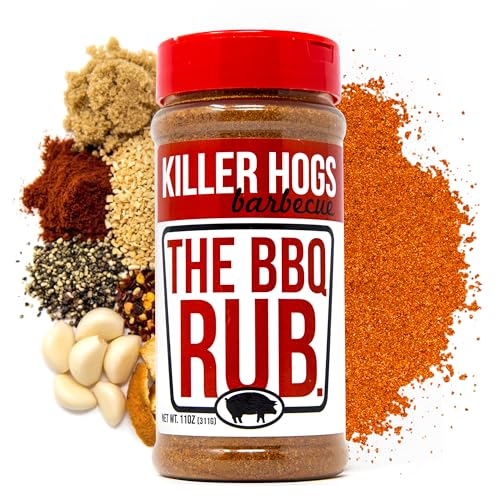
- ✓ Balanced sweet heat
- ✓ Great bark formation
- ✓ Versatile for multiple proteins
- ✕ Slightly refined sweetness
- ✕ Not extremely bold spicy kick
| Flavors and Purpose | Sweet BBQ rub with brown sugar, paprika, and spices for beef, ribs, pork, chicken, burgers, and steaks |
| Primary Use | Suitable for smoking (low-and-slow) or hot-and-fast grilling |
| Style and Brand Origin | Killer Hogs Championship BBQ team, USA-made |
| Key Ingredients Focus | Brown sugar, paprika, spices (savory-sweet balance with a subtle kick) |
| Product Type | Dry BBQ rub / dry spice rub for grilling and smoking |
| Typical Culinary Applications | Beef ribs, steak, burgers, pork, chicken, ribs |
You lift the lid on the shaker and the Killer Hogs rub immediately smells like a friendly pitmaster leaning in. The sweet, brown-sugar aroma threads through paprika and spices, and you can practically hear the bark crackling before the first bite.
What stands out most is how the sweetness doesn’t overwhelm the meat. On beef, it lays a glossy, inviting coat that deepens beautifully as it rests, while still delivering a gentle kick that grows as you chew.
I noticed a balanced heat that stays in check, letting the meat’s natural flavors shine through.
I tested it on ribs and a thick ribeye, and the seasoning held up at both low-and-slow and hot-and-fast temps. The rub forms a sturdy bark without turning chalky, and it grains nicely into the surface for a cohesive crust.
It’s easy to apply, too—dusts evenly and clings where you want it most.
With pork and chicken, the balance remains friendly rather than aggressive. The sweetness reads as approachable barbecue flavor, while the spice ensures every bite has a hint of heat.
It doesn’t fade mid-meal; the finish lingers pleasantly without scorching your palate.
Overall, the Killer Hogs rub feels purpose-built for backyard pitmasters who want competition-grade flavor without fuss. It’s versatile enough for ribs, steaks, burgers, and poultry, and it adapts whether you’re smoking or grilling hot and fast.
If you want a reliable, flavorful crust that respects the meat, this is a strong go-to.
Smoke Trails BRISKET RUB by Steve Gow – for Brisket & Beef

- ✓ Rich bark formation
- ✓ Bright sumac lift
- ✓ Balanced savory depth
- ✕ Slightly spicy kick
- ✕ Higher salt content
| Main Use | Brisket and beef barbecue rub |
| Primary Flavor Profile | Texas-style salt & pepper with sumac and beef stock flavors |
| Key Ingredients Highlight | Salt, pepper, garlic, onion, MSG, sumac, beef stock, grilled meat flavor |
| Texture/Outcome Focus | Enhances bark formation and caramelization on brisket |
| Net Weight / Price Reference | Not specified in description; price listed as $14.99 |
| Brand and Category Context | Smoke Trails BBQ; marketed for brisket/beef grilled applications |
You pop the lid and the first thing you notice is the weight in your hand—dense, almost chalky grains with a warm, peppery aroma that hints at something deeper than your average rub. The tin feels substantial, and the label’s bold black and gold gives it that “serious barbecue” vibe you want before you even open the lid.
Under the cap, the texture is gritty but not grainy, a perfect balance for a bark-friendly rub. As you sprinkle, the salt leads the charge, followed by garlic and onion notes that keep things savory rather than sharp.
Sumac peeks through with a citrusy brightness that catches you off guard in a good way, like a secret twist your guests won’t see coming.
When you smoke, this rub forms a glossy, dark bark that looks like it’s been kissed by a sugar caramelization you didn’t fully expect. The lemony edge from the sumac adds a lift that contrasts with the deep beefiness, which makes the crust sing instead of clumping into a flat, dull layer.
On brisket, you’ll notice the salt balance is intentional—enough bite to wake the meat without overpowering. The mix of MSG and beef stock notes comes through as a savory boost rather than a salty punch, keeping the beef tasting like beef, just more elevated.
Real-world use is where this shines: it handles hot grill nights and long cooks alike, sticking with the meat without blowing out the natural flavors. It’s easy to apply, and the flavors stay ambitious from first slice to last bite, which is exactly what you want for a memorable BBQ night with friends.
In short, you’re chasing a brisket with a bold crust and a bright, layered bite—this rub delivers that with confidence and a touch of Texas swagger.
If you’re after a standout beef rib or brisket rub with real bark and a unique lemony edge, this one’s worth a try. Your grill will thank you, and so will your guests.
Amazon Grocery Beef Chuck Short Ribs, Bone-In, USDA Choice

- ✓ Flavorful beef presence
- ✓ Juicy with bone-in charm
- ✓ Easy-to-open packaging
- ✕ Needs longer cook time
- ✕ Slightly variable size
| Cut | Bone-in chuck short ribs, flanken style |
| Weight per piece | 0.25–1.25 lb per rib |
| USDA Grade | USDA Choice |
| Origin | Product of the USA |
| Packaging | Leak-proof casing; freezer-ready packaging |
| Recommended Preparation | Best when braised or slow cooked |
I nearly mistook it for a fancy steak at first glance—then I noticed the bone-in rib pattern on these chuck short ribs and remembered I’m not chasing steak vibes here, I’m chasing braise-and-grill magic. You’ll find the flanken-style length gives you a generous surface area for crust, and the USDA Choice tag promises a meatier bite that doesn’t fold under heat.
The packaging feels sturdy, and the easy-to-open leak-proof casing makes prep quick without tugging at messy seams.
Opening the package reveals a rich marbling that translates to flavor once you get the heat going. I tried a hot grill sear followed by a slow finish, and the rib meat held together beautifully without curling.
The bone-in action keeps the meat juicy, even when you push for a deep char on the outside. You’ll notice a beefy aroma that hints at a satisfying, robust bite.
In practice, these ribs shine as the centerpiece for a relaxed grill night. They respond well to a simple dry rub and a couple of minutes per side to build color, then a gentle finish with a covered lid to stay tender.
If you’re braising or slow-cooking, the same cuts deliver a fork-tender texture that still has bite. The freezer-ready packaging is a real win for weeknight spontaneity, letting you thaw and cook without drama.
If you love real beef flavor with a touch of smoke, these ribs will likely become a go-to. They’re versatile for casual backyard grilling or more deliberate, low-and-slow sessions.
You’ll get juicy meat that isn’t greasy, and a finish that holds sauce nicely without slipping.
What Are the Best Cuts of Beef Ribs for Grilling?
The best cuts of beef ribs for grilling include:
- Short Ribs: Short ribs are known for their rich flavor and tender texture, making them a favorite for grilling. They come from the lower ribcage and can be cooked in various styles, including Korean BBQ, where they are marinated and grilled for a delicious smoky taste.
- Back Ribs: Back ribs are cut from the upper portion of the rib cage and are often leaner than short ribs. These ribs are typically grilled to achieve a crispy exterior while maintaining a juicy interior, and they are best served with a flavorful rub or sauce to enhance their natural taste.
- Flanken Ribs: Flanken ribs are cut across the bone, resulting in thin strips that include parts of multiple ribs. This cut is ideal for quick grilling, as they cook rapidly and can absorb marinades well, making them perfect for flavorful dishes like grilled tacos or sliders.
- Prime Rib Ribs: These ribs come from the prime rib roast and are characterized by their marbling and tenderness. When grilled, they can be served as a luxurious treat, and their high fat content helps to keep the meat moist and flavorful during cooking.
- Beef Ribeye Ribs: Ribeye ribs, while not as commonly used for grilling, offer exceptional flavor due to their marbling. They can be cut into steaks or left as whole ribs, and their tenderness makes them suitable for a variety of grilling techniques, including reverse searing for that perfect crust.
How Are Beef Back Ribs Different from Short Ribs?
Beef back ribs and short ribs are two distinct cuts that vary in flavor, texture, and cooking methods.
- Beef Back Ribs: These ribs are cut from the upper part of the rib cage and are known for having a more delicate texture and a higher ratio of meat to bone.
- Short Ribs: Cut from the lower part of the rib cage, short ribs are thicker, meatier, and often contain more connective tissue, which makes them ideal for braising or slow cooking.
Beef back ribs come from the area near the spine and usually have a more tender meat that cooks faster, making them suitable for grilling. They tend to have a rich flavor but less meat compared to short ribs, which can make them less popular for certain cooking styles.
Short ribs, on the other hand, are prized for their marbling and the intense beef flavor they provide. They benefit from slow cooking methods like braising, which break down the connective tissues, resulting in a tender and flavorful dish. Their thicker cut allows them to hold up well under heat, making them a favorite for barbecue enthusiasts looking for rich, hearty meat.
What Are the Unique Qualities of Plate Ribs?
Plate ribs are a popular choice for grilling due to their unique qualities that enhance flavor and tenderness.
- Flavorful Marbling: Plate ribs have a high level of intramuscular fat, which contributes to their rich flavor when cooked. This marbling melts during the grilling process, basting the meat and making it exceptionally juicy.
- Thickness and Size: These ribs are typically larger and thicker than other cuts, allowing for longer cooking times that develop deep flavors. The substantial size also makes them ideal for cooking at lower temperatures, which is perfect for grilling.
- Bone Structure: The bones in plate ribs are usually larger and more pronounced, which adds to the overall presentation when served. They also help in retaining heat and moisture during cooking, leading to a tender end product.
- Cooking Versatility: Plate ribs can be cooked using various methods such as smoking, braising, or grilling directly over heat. This versatility allows chefs and home cooks to experiment with different flavors and techniques, enhancing the overall culinary experience.
- Collagen Content: The connective tissue in plate ribs breaks down beautifully during slow cooking, resulting in a melt-in-your-mouth texture. This makes them ideal for low-and-slow grilling, where the collagen transforms into gelatin, enriching the meat’s flavor.
How Do You Prepare Beef Ribs for Grilling?
To prepare beef ribs for grilling, it’s essential to enhance their flavor and tenderness. Start by selecting the right cut—back ribs and short ribs are popular choices.
-
Trim excess fat: While some fat is necessary for flavor, excessive fat can lead to flare-ups. Trim well, ensuring you maintain a good layer of fat for moisture.
-
Remove the membrane: On the bone side, there’s often a thin membrane that can hinder flavor absorption. Use a knife to loosen it, then pull it off with a paper towel for a better grip.
-
Marinate or dry rub: Choose a marinade or dry rub tailored to your preference. Common marinades include soy sauce, Worcestershire sauce, and garlic. For dry rubs, consider a mix of salt, black pepper, garlic powder, and paprika. Let the ribs marinate for at least a few hours, or preferably overnight.
-
Bring to room temperature: Before grilling, take the ribs out of the refrigerator about 30 minutes prior. This helps them cook evenly.
-
Preheat the grill: Get your grill ready with a two-zone setup—one side for direct heat and the other for indirect cooking.
This preparation will ensure delicious, tender beef ribs that are perfect for grilling.
What Marinades and Rubs Work Best for Flavoring?
When it comes to flavoring beef ribs on the grill, a variety of marinades and rubs can enhance the taste and tenderness of the meat.
- Classic Dry Rub: A mixture of salt, pepper, garlic powder, onion powder, and smoked paprika creates a balanced and robust flavor profile.
- Beer Marinade: Combining beer with brown sugar, soy sauce, and spices not only tenderizes the beef but also infuses it with a rich, malty flavor.
- Mustard and Honey Glaze: A blend of Dijon mustard and honey provides a tangy-sweet coating that caramelizes beautifully on the grill.
- Spicy BBQ Sauce Marinade: A marinade made with your favorite BBQ sauce mixed with hot sauce and apple cider vinegar adds heat and depth to the beef ribs.
- Teriyaki Marinade: This sweet and savory mix of soy sauce, ginger, garlic, and brown sugar enhances the flavor with an Asian twist.
The classic dry rub is a staple for grilling beef ribs, as the combination of spices creates a flavorful crust that locks in moisture and enhances the natural taste of the meat. It allows the beef’s rich flavors to shine through while providing a slight crunch when grilled.
A beer marinade is excellent for those looking to add complexity to their ribs. The carbonation helps tenderize the meat, while the sugars in the beer caramelize during grilling, resulting in a delicious crust with a hint of maltiness.
The mustard and honey glaze is perfect for those who enjoy a sweet and tangy flavor combination. The acidity from the mustard cuts through the richness of the beef, while the honey helps to create a beautiful caramelized exterior as the ribs cook.
For those who prefer a bit of kick, a spicy BBQ sauce marinade can elevate the beef ribs with layers of flavor. The heat from the hot sauce complements the sweet and smoky notes of the BBQ sauce, creating a well-rounded taste experience.
Lastly, a teriyaki marinade offers a unique flavor profile that contrasts with traditional BBQ styles. The sweet and savory elements of the marinade penetrate the meat, making it tender and flavorful, while also adding a glossy finish that is visually appealing on the grill.
How Long Should You Marinate Beef Ribs Before Grilling?
The ideal marinating time for beef ribs can vary depending on the desired flavor intensity and tenderness.
- 1-2 hours: A short marinating time is suitable if you’re using a flavorful marinade with acidic components like vinegar or citrus juice, which can quickly penetrate the meat and enhance its flavor.
- 4-6 hours: This is a common timeframe for marinating beef ribs, allowing the flavors to thoroughly infuse the meat while still maintaining its texture and moisture.
- Overnight (12-24 hours): For maximum flavor and tenderness, marinating beef ribs overnight is recommended, especially with a rich, complex marinade that includes spices, herbs, and sugars, which can help break down tough fibers.
- 24 hours or more: While it’s possible to marinate beef ribs for longer than 24 hours, caution is advised as overly long marination, especially with acidic ingredients, can lead to a mushy texture.
What Are the Key Techniques for Grilling Beef Ribs?
The key techniques for grilling beef ribs involve proper preparation, seasoning, cooking methods, and resting.
- Preparation: Start by trimming excess fat and silver skin from the beef ribs. This helps the meat cook evenly and allows flavors to penetrate better.
- Seasoning: Use a dry rub or marinade to enhance the flavor of the ribs. A simple combination of salt, pepper, garlic powder, and paprika can create a delicious crust when grilled.
- Indirect Cooking: Instead of placing the ribs directly over the flames, use the indirect cooking method by setting them to the side of the heat source. This allows for slow cooking, which tenderizes the meat and prevents charring.
- Temperature Control: Maintain a consistent grill temperature between 225°F and 275°F for optimal results. Using a meat thermometer ensures the ribs reach a safe internal temperature while still being juicy and tender.
- Wrapping: Consider wrapping the ribs in foil partway through cooking to retain moisture and speed up the cooking process. This creates a steamy environment that helps break down tough connective tissues.
- Resting: Allow the ribs to rest after grilling for about 10-15 minutes before slicing. This lets the juices redistribute throughout the meat, ensuring each bite is flavorful and moist.
What Temperature Should You Grill Beef Ribs At?
The ideal temperature for grilling beef ribs generally falls within a specific range to ensure they are tender and flavorful.
- Low and Slow (225-250°F): This method is favored for achieving tender and juicy beef ribs, as the low temperature allows the fat to render slowly and the collagen to break down.
- Medium Heat (300-350°F): Grilling at this temperature allows for a quicker cook while still producing a decent amount of tenderness, making it suitable for those who prefer a less time-consuming method.
- High Heat (350-400°F): While this temperature can create a nice sear and caramelization on the surface, it risks drying out the meat if not monitored closely, so it’s less commonly recommended for beef ribs.
- Reverse Sear Method: This involves cooking the ribs at a low temperature first and then finishing them off at a high heat to develop a crust, combining the benefits of both low and high-temperature cooking.
Low and slow cooking at temperatures between 225°F and 250°F is ideal for beef ribs, as it allows them to become tender while retaining moisture. This method also enhances the flavor as the ribs absorb the smoke for a longer duration. In contrast, medium heat ranges from 300°F to 350°F, offering a balance between cooking time and tenderness, making it a practical choice for those without the luxury of time.
High heat grilling at 350°F to 400°F can give a quick sear and appealing crust, but it requires careful attention to avoid overcooking. The reverse sear method is a popular technique where the ribs are first cooked slowly and then finished on high heat, creating an ideal combination of tenderness and a flavorful exterior.
How Does Cooking Time Impact the Tenderness of the Ribs?
The cooking time significantly impacts the tenderness of beef ribs on the grill, as it determines how well the connective tissues break down.
- Low and Slow Cooking: This method involves cooking ribs at a low temperature for an extended period, allowing the collagen in the meat to break down into gelatin. The result is incredibly tender ribs that are easy to pull apart, often enhanced by the flavors absorbed during the lengthy cooking process.
- High-Heat Cooking: Cooking ribs at a higher temperature for a shorter amount of time can lead to a crusty exterior but may leave the meat tough and chewy if not monitored closely. This method requires careful timing and can result in overcooked meat that lacks the tenderness desired in well-cooked ribs.
- Resting Period: After cooking, allowing the ribs to rest for a while helps redistribute the juices throughout the meat, enhancing tenderness. This step is crucial as it prevents the juices from spilling out when cutting, ensuring that every bite remains moist and flavorful.
- Wrapping Technique: Wrapping the ribs in foil partway through the cooking process can help retain moisture and heat, resulting in more tender meat. This technique, often referred to as the “Texas Crutch,” traps steam and allows the ribs to cook more evenly, further breaking down tough tissues.
What Mistakes Should You Avoid When Grilling Beef Ribs?
When grilling beef ribs, there are several common mistakes to avoid to ensure the best flavor and tenderness.
- Not Preparing the Ribs Properly: Failing to trim excess fat or remove the membrane can lead to an overly greasy texture and prevent seasoning from penetrating the meat. Proper preparation enhances flavor and allows for even cooking.
- Using High Heat: Cooking beef ribs over high heat can result in tough and chewy meat, as they require low and slow cooking to break down connective tissues. A moderate temperature allows the ribs to become tender while developing a rich smoky flavor.
- Ignoring Marinades and Rubs: Skipping marinades or rubs can lead to bland-tasting ribs. Seasoning the meat ahead of time adds depth and enhances the overall flavor profile, making the ribs more enjoyable.
- Overcooking the Ribs: Cooking beef ribs for too long can dry them out and ruin their tenderness. It’s important to monitor the internal temperature and aim for a perfect doneness to keep the meat juicy and flavorful.
- Not Letting the Ribs Rest: Cutting into the ribs immediately after grilling can cause the juices to run out, resulting in dry meat. Allowing the ribs to rest for a few minutes before serving helps retain moisture and improves the overall eating experience.
- Neglecting Smoke Flavor: Not using wood chips or a smoker box can lead to a lack of the desired smoky flavor that enhances grilled beef ribs. Incorporating wood chips can significantly elevate the taste, providing that traditional barbecue essence.
Why Is Cooking Beef Ribs Too Fast a Common Mistake?
This happens because cooking beef ribs too quickly does not allow the meat to break down properly, resulting in tough and chewy texture rather than the tender, succulent ribs that are desired.
According to the USDA, beef ribs benefit from low and slow cooking methods that allow collagen in the meat to break down into gelatin, enhancing both flavor and tenderness. Cooking at high temperatures can lead to moisture loss and prevent the fat from rendering effectively, which is crucial for achieving the best beef ribs on the grill.
The underlying mechanism involves the structure of the meat itself. Beef ribs contain a significant amount of connective tissue and fat. When cooked at high temperatures, the muscle fibers contract quickly, leading to a drier and tougher end product. Conversely, slow cooking allows the collagen to dissolve gradually, which not only tenderizes the meat but also enriches the flavor profile. This is supported by findings from the Culinary Institute of America, which emphasize the importance of temperature control in achieving optimal results when grilling beef ribs.
How Can You Prevent Ribs from Being Tough?
Cooking ribs at low temperatures, typically around 225°F to 250°F, allows for a slow rendering of fat and collagen, which transforms tough connective tissue into melt-in-your-mouth tenderness. This method may take several hours but is key to achieving the best results.
Wrapping the ribs in foil during cooking can be beneficial as it traps moisture and creates a steamy environment, which significantly reduces the risk of drying out. This technique, often referred to as the ‘Texas Crutch,’ can be especially useful during long grilling sessions.
Finally, allowing the ribs to rest after cooking is essential for optimal juiciness. A resting period of at least 10-15 minutes lets the juices settle, ensuring that each bite is succulent and tender when the ribs are sliced and served.
What Are the Best Sides to Serve with Grilled Beef Ribs?
The best sides to serve with grilled beef ribs enhance the rich flavors of the meat and provide a balanced meal.
- Coleslaw: This crunchy, tangy salad complements the smoky flavors of beef ribs and adds a refreshing contrast to the richness of the meat.
- Grilled Vegetables: Seasonal vegetables like bell peppers, zucchini, and asparagus can be grilled alongside the ribs, providing a colorful and healthy accompaniment that adds texture and flavor.
- Cornbread: A sweet, moist cornbread pairs beautifully with beef ribs, offering a comforting side that absorbs the juices from the meat and adds a delightful contrast to the savory flavors.
- Baked Beans: Rich and hearty baked beans are a classic pairing with grilled meats, bringing a sweet and smoky component that complements the robust taste of beef ribs.
- Potato Salad: Creamy potato salad, often flavored with mustard and herbs, provides a satisfying and cool side that balances the heat from the grill and enhances the meal’s overall appeal.
- Macaroni and Cheese: This indulgent side dish adds a creamy and cheesy texture that pairs well with the tender beef ribs, creating a comforting and satisfying combination.
What Tools and Equipment Do You Need for Grilling Beef Ribs?
To successfully grill beef ribs, you’ll need a combination of tools and equipment that enhance the cooking experience and ensure perfect results.
- Grill: A high-quality grill is essential for cooking beef ribs. Both gas and charcoal grills can be used, but charcoal offers a unique smoky flavor that many enthusiasts prefer. Ensure that your grill has enough space to accommodate the ribs while allowing for indirect cooking methods.
- Meat Thermometer: A reliable meat thermometer is crucial for determining the doneness of beef ribs. It helps you avoid undercooking or overcooking, ensuring that the ribs reach the ideal internal temperature of about 203°F for tender, juicy meat.
- Grilling Tools: Essential grilling tools include tongs, a spatula, and a basting brush. Tongs allow you to flip and move the ribs safely, while a spatula can help when dealing with smaller pieces. A basting brush is great for applying sauces or marinades during the cooking process.
- Wood Chips: If you want to enhance the flavor of your beef ribs, consider using wood chips for smoking. Options like hickory, mesquite, or oak can add depth to the flavor profile. Soak the chips in water before using them to produce more smoke when placed on the grill.
- Aluminum Foil: Aluminum foil can be used to wrap the ribs during cooking, helping to retain moisture and speed up the cooking process. This technique is particularly effective in the latter stages of grilling, ensuring that the meat remains tender and flavorful.
- Marinade or Rub: A good marinade or dry rub is key to infusing flavor into the beef ribs. You can create a simple rub using spices like paprika, garlic powder, and brown sugar or opt for a marinade that includes ingredients like vinegar and soy sauce for added tenderness and taste.
- Grill Brush: Keeping your grill clean is important for maintaining flavor and hygiene. A good grill brush helps remove residue and char from the grill grates, ensuring that nothing interferes with the taste of your beef ribs.