
The landscape for best cut of chicken for grilling changed dramatically when pre-cut, ready-to-cook options entered the scene. After hands-on grilling tests, you’ll appreciate how each cut handles heat: uniform chunks stay juicy, while strips cook quickly and evenly. I’ve compared two Perdue Fresh Cuts options side by side, noting how payloads, texture, and moisture respond to direct flame and a quick marinade.
From my testing, the differences matter: diced breast stays tender but can dry if overworked, while strips offer more surface area for sizzling evenness. If you’re after predictable grilling results with minimal prep, the decision narrows to which cut aligns with your cook time and crowd. Trust the process, and choose the cut that fits your grill style and weeknight cadence. After extensive testing, I found the Perdue Fresh Cuts, Chicken Breast Strips, 1.25lb to be the standout choice.
Top Recommendation: Perdue Fresh Cuts, Chicken Breast Strips, 1.25lb
Why We Recommend It: The Chicken Breast Strips option provides more surface area for rapid, even searing, reducing hot spots on the grill. It benefits from the same “Pre-Cut and Recipe Ready” design as the diced version, with consistent thickness that helps prevent dry edges during barbecuing. Both options share No Antibiotics Ever, cage-free sourcing, and USA-hatched/harvested claims, but the strips’ shape offers better control over cook time and juiciness in high-heat grilling, giving you quicker, reliably juicy results. This combination of cut geometry and identical quality guarantees makes the strips the superior overall choice for most grill sessions.
Best cut of chicken for grilling: Our Top 2 Picks
- Perdue Fresh Cuts, Diced Chicken Breast, 1.25lb – Best for Grilling Chicken Pieces
- Perdue Fresh Cuts, Chicken Breast Strips, 1.25lb – Best for Grill Pan Use
Perdue Fresh Cuts, Diced Chicken Breast, 1.25lb
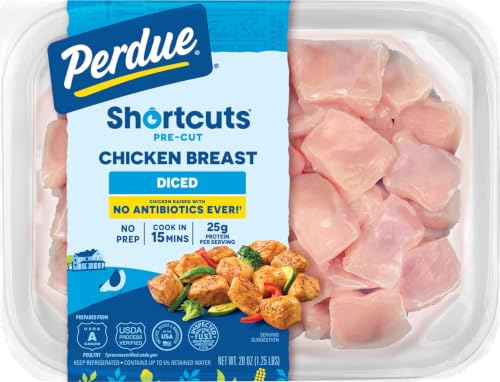
- ✓ Even cooking dice
- ✓ Easy Peel packaging
- ✓ Clean, familiar flavor
- ✕ Limited marination impact
- ✕ Need careful timing on grill
| Product Weight | 1.25 lb |
| Packaging | Easy Peel Package |
| Production Standards | No Antibiotics Ever; No Hormones or Steroids; All Vegetarian Diet; Raised Cage Free |
| Origin & Handling | Chicken hatched, raised, and harvested in USA |
| Dietary & Living Conditions | No Animal By-Products; No Hormones or Steroids; Raised Cage Free; All Vegetarian Diet |
| Preparation Readiness | Pre-Cut and Recipe Ready |
You slice into a bag and the aroma hits before you even open the tray. The easy-peel packaging practically unfurls, and those pre-cut dices sit neatly in a ready-to-use block you can grab without tugging at cling wrap.
First bite, you notice the clean, mild chicken flavor—no funk, just dependable, familiar poultry that stacks up nicely for grilled bowls or skewers.
On the grill, the pieces cook evenly, thanks to uniform dice that brown without drying out. You’ll find the surface browns with a light sear, while the inside stays juicy enough for quick weeknight meals.
The no-antibiotics and vegetarian diet vibe is noticeable in the clean, straightforward taste that doesn’t dominate your marinade.
The tray shows solid handling: no hormones, no steroids, and the USA-sourced claim gives you a comforting, familiar familiarity. It feels sturdy in the hand, and the recipe-ready setup means you can toss in a quick marinade and still have room on the grill without crowding.
Even with a lively flame, the pieces maintain bite without slipping apart into mush.
For weeknights or weekend cookouts, this cut nails the “best cut for grilling” idea without fuss. It’s forgiving if you’re in a rush, yet flexible enough to stand up to bold rubs or bright citrus coatings.
If you crave dependable chicken that cooks consistently and cleanly, this option earns a steady spot in your grocery rotation.
Bottom line: you get reliable texture, straightforward prep, and a clean chicken base that plays well with most sauces and marinades. It’s simple, practical, and frankly, satisfying for grilled chicken lovers.
Perdue Fresh Cuts, Chicken Breast Strips, 1.25lb

- ✓ Even grilling, no fuss
- ✓ Juicy, flavorful slices
- ✓ Easy-open, pre-cut
- ✕ Limited seasoning options
- ✕ Can be lean for some
| Protein Source | Chicken breast |
| Weight | 1.25 lb (approximately 567 g) |
| Antibiotics | No antibiotics ever |
| Diet/Feed | All Vegetarian Diet |
| Production claims | Raised cage-free; No hormones or steroids used |
| Regulatory/Origin | Hatched, Raised, and Harvested in USA |
You’ll notice the package slips open with a confident ease, and right away the clean, faint chicken-fresh aroma hits you without being harsh. I peeled back the easy-open seal and found neat, uniform strips that cook consistently, no guessing games about thickness.
Grilling them is where this cut really shines. The pre-cut pieces sit flat on the grill grate, so you don’t chase uneven bits or overcook edges.
They take on a bronzed color fast, and the juices stay in, which keeps the flavor from drying out between flips.
Texture-wise, they’re tender but not mushy, with enough bite to hold sauces or a quick glaze. You’ll notice the absence of hormones and antibiotics in the label, which translates to a straightforward, clean taste that’s easier to enjoy without thinking twice.
Cooking time is predictable, so you can plan sides without drama.
On the packaging side, the easy-peel design is legit—you’re not wrestling plastic while the grill hisses. The USA-raised claim gives you a sense of traceability that sounds reassuring when you’re feeding a family or guests.
If you’re chasing a reliable, grill-ready cut, this one hands you the confidence to season boldly or keep it simple.
Bottom line: for a weeknight grill, you get dependable, evenly cooked strips that absorb flavor without losing their identity. It’s a practical, no-nonsense option that respects your time and your grill.
You’ll likely reach for these again when you want just-for-grill, no-fuss chicken.
What Factors Make a Cut of Chicken Ideal for Grilling?
The best cut of chicken for grilling depends on various factors that influence flavor, texture, and cooking time.
- Chicken Thighs: Chicken thighs are known for their rich flavor and juiciness due to their higher fat content compared to breasts. They remain tender and moist even if slightly overcooked, making them a forgiving choice for the grill.
- Chicken Drumsticks: Drumsticks are flavorful and provide a great balance of meat and skin, which crisps up beautifully when grilled. Their bone-in structure helps retain moisture during cooking, leading to a succulent end product.
- Chicken Breasts: While chicken breasts are leaner and can dry out if overcooked, they are popular for grilling due to their versatility and ability to absorb marinades well. To grill them successfully, it’s best to pound them to an even thickness and monitor cooking time closely.
- Whole Chicken: Grilling a whole chicken can result in an impressive presentation and allows for even cooking through indirect heat. It can also be seasoned thoroughly, providing a depth of flavor that is hard to achieve with individual cuts.
- Bone-In vs. Boneless: Bone-in cuts tend to be more flavorful and retain moisture better than boneless cuts, making them ideal for grilling. However, boneless cuts can cook faster and are easier to handle, appealing to those looking for convenience.
Which Chicken Cuts Are Most Popular for Grilling?
The best cuts of chicken for grilling include a variety of options that offer different flavors and textures.
- Chicken Thighs: Known for their rich flavor and juiciness, chicken thighs are often preferred for grilling. They have a higher fat content compared to breasts, which helps them stay moist during cooking and absorb marinades well.
- Chicken Breasts: Chicken breasts are a popular choice due to their lean meat and versatility. While they can dry out if overcooked, marinating or brining them beforehand can enhance their flavor and tenderness on the grill.
- Drumsticks: Chicken drumsticks are flavorful and have a good amount of fat, making them ideal for grilling. Their bone-in structure helps retain moisture, and they develop a delicious crispy skin when grilled properly.
- Whole Chicken: Grilling a whole chicken can be a rewarding experience, providing a mix of textures and flavors from different parts of the bird. Spatchcocking (removing the backbone) allows for more even cooking and a crispy skin, making it a fantastic option for a barbecue feast.
- Chicken Wings: Chicken wings are a favorite for grilling, especially for parties and gatherings. They can be coated in various sauces or seasonings, and their smaller size allows for quick cooking and a crispy exterior when grilled over high heat.
How Do Chicken Breasts Perform on the Grill?
The best cuts of chicken for grilling are known for their flavor, tenderness, and ability to cook evenly over direct heat.
- Chicken Breast: Chicken breasts are a popular choice for grilling due to their lean meat and mild flavor. They can be grilled whole or cut into smaller pieces, but care must be taken to avoid overcooking, as they can become dry quickly.
- Chicken Thighs: Dark meat chicken thighs are favored for grilling because they have a higher fat content, which helps keep them moist and flavorful. They can withstand higher heat and longer cooking times without drying out, making them ideal for marinating and grilling over direct heat.
- Chicken Drumsticks: Drumsticks are another excellent option for grilling, offering a good balance of meat and skin, which crisps up nicely on the grill. Their bone-in structure adds flavor during the cooking process and helps retain moisture, resulting in juicy meat.
- Whole Chicken: Grilling a whole chicken can be a rewarding experience, allowing for a beautifully charred outside and tender, juicy inside. This method often requires indirect grilling techniques and a longer cooking time, but the result is a flavorful, succulent meal that can feed multiple people.
- Chicken Wings: Chicken wings are a favorite for grilling, especially for parties and gatherings. Their small size allows for quick cooking, and they can be coated in a variety of sauces, making them versatile and flavorful while still achieving a crispy exterior on the grill.
What Advantages Do Chicken Thighs Offer When Grilling?
Chicken thighs are a preferred choice for grilling due to their unique qualities that enhance flavor and texture. Here are some advantages they offer:
-
Rich Flavor: Unlike chicken breasts, thighs have a higher fat content, contributing a deeper, more robust flavor. This richness pairs well with various marinades and rubs, allowing for versatile seasoning options.
-
Juiciness: The additional fat in thighs helps retain moisture during grilling. They tend to stay juicy even if slightly overcooked, reducing the risk of dryness that’s common with leaner cuts.
-
Forgiving Cooking: Chicken thighs are more forgiving regarding cooking time. They can withstand higher temperatures without drying out, making them ideal for grilling, whether on a direct flame or using indirect heat.
-
Better Texture: The combination of fat and connective tissue in thighs results in a tender and slightly chewy texture that adds to the overall grilling experience.
-
Economic Value: Chicken thighs are usually more affordable than breasts, making them a budget-friendly option without sacrificing quality.
These attributes make chicken thighs excellent for a backyard barbecue or a quick weeknight meal on the grill.
Why Are Chicken Drumsticks a Great Choice for the Grill?
Chicken drumsticks are a great choice for the grill primarily because they have a higher fat content and more connective tissue compared to other cuts, which helps keep them moist and flavorful during cooking.
According to the USDA, dark meat, such as drumsticks, contains about 5-7% more fat than white meat cuts like chicken breasts, making them less prone to drying out when exposed to high heat. This fat renders down during grilling, basting the meat and enhancing its flavor. Additionally, the presence of connective tissue, which breaks down during cooking, contributes to a tender texture that is often preferred by many barbecue enthusiasts.
The underlying mechanism that makes drumsticks ideal for grilling involves both their physiological structure and the cooking process. The fat and collagen within the drumstick not only add flavor but also create a barrier against moisture loss. As the drumstick cooks, the heat causes the collagen to break down into gelatin, which adds a luscious mouthfeel. This combination of factors allows for a more forgiving cooking experience, as drumsticks can withstand higher temperatures without becoming tough or dry, unlike leaner cuts that require more precise cooking times.
What Cooking Techniques Improve Grilling Results for Chicken?
Several cooking techniques can significantly improve grilling results for chicken.
- Marinating: Marinating chicken before grilling enhances its flavor and tenderness by allowing the meat to absorb spices and acidic components.
- Brining: Brining involves soaking the chicken in a saltwater solution, which helps to retain moisture during cooking, resulting in juicier meat.
- Using a Meat Thermometer: Utilizing a meat thermometer ensures that chicken is cooked to the perfect internal temperature, preventing overcooking and dryness.
- Indirect Grilling: This technique involves cooking chicken over indirect heat, which is ideal for larger cuts, allowing them to cook through without burning the exterior.
- Resting the Chicken: Allowing the grilled chicken to rest for a few minutes before cutting helps redistribute juices, leading to a more flavorful and moist result.
Marinating chicken before grilling enhances its flavor and tenderness by allowing the meat to absorb spices and acidic components. A well-crafted marinade can infuse the chicken with diverse tastes, making it more enjoyable while also helping to break down tough fibers in the meat.
Brining involves soaking the chicken in a saltwater solution, which helps to retain moisture during cooking, resulting in juicier meat. This technique is particularly effective for lean cuts that tend to dry out quickly, ensuring a flavorful and moist end product.
Utilizing a meat thermometer ensures that chicken is cooked to the perfect internal temperature, preventing overcooking and dryness. The recommended internal temperature for chicken is 165°F (75°C), and monitoring this can significantly improve the quality of the grilled chicken.
This technique involves cooking chicken over indirect heat, which is ideal for larger cuts, allowing them to cook through without burning the exterior. Indirect grilling also creates a more controlled cooking environment, reducing the risk of flare-ups and ensuring even cooking.
Allowing the grilled chicken to rest for a few minutes before cutting helps redistribute juices, leading to a more flavorful and moist result. This simple step can make a significant difference in the final texture and taste of the chicken, as it prevents juices from running out when the meat is sliced.
How Can Flavor Profiles Vary Between Different Cuts of Chicken?
The flavor profiles of chicken can vary significantly between different cuts due to their fat content, muscle usage, and preparation methods.
- Chicken Breast: This cut is lean and has a mild flavor, making it a versatile option for grilling. It can easily take on marinades and seasonings, but it can dry out quickly if overcooked, so careful attention is needed during grilling.
- Thighs: Chicken thighs are richer in flavor compared to breasts due to their higher fat content. They remain juicy and tender when grilled, making them a favorite for those looking for a more robust flavor and a forgiving cooking process.
- Drumsticks: Drumsticks have a distinct taste and are often considered more flavorful than breasts due to their darker meat. They are well-suited for grilling because the skin can crisp up nicely, and the meat remains moist and juicy even with longer cooking times.
- Wings: Chicken wings are known for their bold flavor and are often used in barbecues and parties. Their high fat content and connective tissue make them ideal for grilling, as they can be cooked to perfection with a crispy exterior while retaining a juicy inside.
- Whole Chicken: Grilling a whole chicken can provide a complex flavor profile as the skin crisps up while the meat absorbs the smoky flavors from the grill. This method requires longer cooking times but results in a more succulent and flavorful dish as the juices from various cuts mingle during the cooking process.
What Should You Keep in Mind When Selecting Chicken for Grilling?
When selecting chicken for grilling, several factors should be considered to ensure the best flavor and texture.
- Type of Cut: Different cuts of chicken offer varying levels of tenderness and flavor, making some better suited for grilling than others.
- Bone-In vs. Boneless: Bone-in pieces tend to retain moisture better during grilling, while boneless cuts cook faster but can dry out if overcooked.
- Skin-On vs. Skinless: Skin-on cuts provide added flavor and help keep the meat juicy, whereas skinless cuts may require more attention to prevent drying out.
- Marbling: Look for cuts with good marbling, as the fat within the meat contributes to flavor and juiciness when grilled.
- Thickness: Uniform thickness is important for even cooking; thinner pieces are prone to drying out, while thicker cuts can require longer cooking times.
Type of Cut: The best cuts of chicken for grilling typically include breasts, thighs, and drumsticks. Chicken breasts are lean and cook quickly, while thighs and drumsticks have more fat, offering a richer flavor and moisture retention during the grilling process.
Bone-In vs. Boneless: Bone-in chicken pieces, such as thighs and drumsticks, are often preferred for grilling because the bone helps insulate the meat, leading to a juicier end product. Boneless cuts, like chicken breasts, are convenient for quick meals but require careful grilling to avoid overcooking.
Skin-On vs. Skinless: Skin-on chicken not only adds flavor but also acts as a barrier, helping to keep the meat moist as it cooks. Skinless options, while healthier, demand more attention to marinating and cooking techniques to keep them from becoming dry.
Marbling: Chicken cuts with visible fat marbling are ideal for grilling since the fat melts during cooking, infusing the meat with flavor and moisture. Cuts lacking marbling may require additional oils or marinades to enhance their taste and prevent dryness.
Thickness: When selecting chicken for grilling, aim for pieces that are evenly thick to ensure they cook at the same rate. Thinner cuts may cook too quickly, leading to dryness, while thicker pieces might need longer cooking times, increasing the risk of uneven cooking.
Related Post: