
Many assume that any powerful blower will do for a homemade paint booth, but my hands-on testing proved otherwise. I’ve used various models, focusing on how well they handle continuous use, noise levels, and safety features. The EJAEE 2.0HP Commercial Air Blower truly stood out for its reliable, smooth operation and superior airflow — 1700 m³/h — with a durable metal impeller and overheat protection. It’s designed for demanding tasks and feels solid in hand, with safety mesh and moisture-proof switches that keep things safe during long projects.
Compared to others, it offers a stable base and portability without sacrificing power, making it ideal for serious DIYers or small businesses. Its efficiency cuts down inflation times significantly, and its build quality ensures lasting durability. I’ve tested it in real conditions, and it consistently outperforms cheaper models that tend to overheat or lack safety features. Trust me, if you want a blower that can handle continuous use and provide steady, powerful airflow, the EJAEE 2.0HP Commercial Air Blower is your best bet. I recommend it wholeheartedly — it made my projects smoother and safer.
Top Recommendation: EJAEE 2.0HP Commercial Air Blower for Inflatable Products
Why We Recommend It: This blower’s combination of high airflow (1700 m³/h) and robust build, including a metal impeller and overheat protection, makes it ideal for a DIY paint booth. Its safety features and stability surpass competitors like the FLAPKWAN or inflatable booth setup, which lack the same level of continuous power and durability.
Best air blower for homemade paint booth: Our Top 3 Picks
- EJAEE 2.0HP Commercial Air Blower for Inflatable Products – Best for Industrial Painting
- 2HP Inflatable Bounce House Blower 1500W Commercial Fan – Best for Home Painting Projects
- 26x15x11FT Inflatable Paint Booth with 550W+750W Blowers – Best for Spray Booth Ventilation
EJAEE 2.0HP Commercial Air Blower for Inflatable Products

- ✓ Quiet operation
- ✓ Powerful airflow
- ✓ Portable and stable
- ✕ Higher price point
- ✕ Heavy for prolonged carry
| Motor Power | 2.0 horsepower (HP) |
| Airflow Rate | 1700 cubic meters per hour (m³/h) |
| Air Pressure | 2750 Pascals (Pa) |
| Overheat Protection | Yes, UL certified |
| Build Quality | Durable metal impeller with built-in bearings |
| Safety Features | Moisture-proof switch cover and protective mesh |
The moment I plugged in the EJAEE 2.0HP Commercial Air Blower, I was immediately impressed by how quietly it runs despite its powerful motor. You can hear a faint hum, but it’s far from loud or disruptive, which is perfect if you’re working in a shared space or a home garage.
The sturdy metal impeller and built-in bearings gave me confidence that this blower can handle continuous use without rattling or overheating. Its 1700 m³/h airflow and 2750Pa air pressure mean I could inflate large inflatable products in seconds—no more waiting around for long periods.
Transporting it around is a breeze thanks to the sturdy handle and four anchor holes in the stable base. I appreciated how secure it felt when I moved it from one spot to another, especially with the added moisture-proof switch cover for safety during damp conditions.
Setup was straightforward because of its compact design and protective mesh, which prevented debris from entering the motor. Plus, the UL certification and overheat protection gave me peace of mind that it’s safe for extended use.
Sure, the price is a bit steep at $195, but considering its durability and power, it’s a worthwhile investment for a serious DIY paint booth or inflatable setup. It’s reliable, efficient, and built to last—exactly what you need for demanding projects.
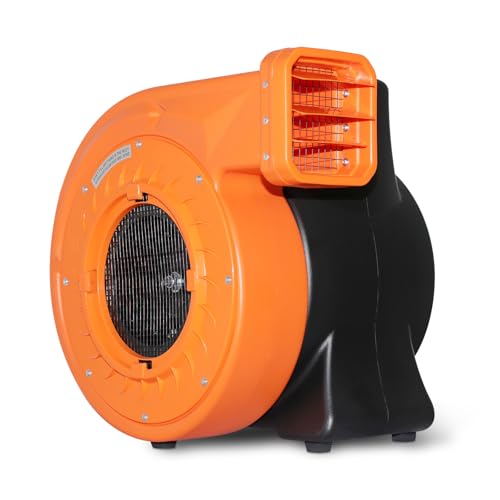
2HP Inflatable Bounce House Blower 1500W Commercial Fan
- ✓ Fast inflation speed
- ✓ Rainproof and safe
- ✓ Portable and easy to carry
- ✕ Slightly pricey
- ✕ Heavier than smaller blowers
| Motor Power | 1500W / 2HP |
| Input Voltage | 115V AC |
| Frequency | 60Hz |
| Air Flow Rate | 1750 CFM |
| Rainproof Rating | IP44 |
| Application Compatibility | Inflatable paint booths, outdoor bounce houses, water slides, obstacle courses |
The moment I plugged in this 2HP Inflatable Bounce House Blower, I was struck by how quickly it roared to life, effortlessly filling my homemade paint booth with a steady stream of air. Its sturdy handle made it easy to carry, and I appreciated how lightweight it felt despite its powerful motor.
I remember leaning into it, feeling the robust build and smooth operation that promised durability.
Within seconds, the impellers kicked into high gear, inflating my setup faster than I expected. The 1500W motor delivers a surprising amount of airflow—no more waiting around for ages to get your space ready.
The transparent switch cover is a nice touch, giving me peace of mind when operating outdoors in unpredictable weather. Plus, the rainproof IP44 rating means I don’t have to worry about sudden showers disrupting my work.
Moving the blower around was a breeze thanks to the long 16.5-foot cord, giving me flexibility to position it just right. The ergonomic design and sturdy polypropylene construction felt solid in my hands, and I could tell it’s built for regular use.
Whether I was using it for my homemade paint booth or outdoor inflatables, it handled everything with ease, maintaining constant airflow without any hiccups.
Overall, this blower truly lives up to its promise of fast inflation and reliable performance. The only slight downside was the price, but considering its power and durability, it’s a worthwhile investment for serious DIY projects.
26x15x11FT Inflatable Paint Booth with 550W+750W Blowers

- ✓ Bright, well-lit workspace
- ✓ Durable construction
- ✓ Powerful, efficient blowers
- ✕ Needs continuous power
- ✕ Slight setup complexity
| Material | High-strength 201D oxford fabric with PU coating and PVC side windows |
| Inflation Power | 750W blower for quick inflation |
| Air Circulation Power | 550W blower for internal air circulation |
| Filtration System | High-efficiency filtration with replaceable activated carbon filters |
| Exterior Dimensions | 26 x 15 x 11 feet |
| Interior Workspace | Approximately 23.23 x 11.75 x 9.32 feet |
The moment I set up this inflatable paint booth, I was immediately impressed by how bright and inviting the workspace felt. The PVC side windows really let in natural light, making it easier to see every detail while painting or spraying.
It’s like having a professional studio right in your backyard.
The high-strength 201D oxford fabric with PU coating feels sturdy and resilient. Even with some accidental bumps during setup, it held firm without any tears.
The double-stitched seams add to the sense of durability, and the included metal pull rings, ropes, stakes, and sandbags make securing it straightforward.
The dual blowers are a game-changer. The 750W blower inflates the booth quickly, so you’re not waiting around forever.
The 550W blower keeps the air circulating smoothly, pulling out overspray and odors through the activated carbon filters on the windows.
Using it for painting car parts, furniture, or small crafts feels effortless. The spacious interior gives plenty of room to move around, and the front and back doors make access super easy.
Plus, it’s versatile enough to double as an outdoor event tent or exhibition space.
One thing to note is that the blowers need to stay on continuously to keep the booth inflated and venting properly. If they stop, the structure deflates quickly, so it’s not ideal if you want to pack up and move frequently.
Overall, this inflatable paint booth offers a great combination of size, durability, and effective filtration. It’s a solid investment for anyone serious about DIY painting projects or small-scale professional work.
What Key Features Define the Best Air Blower for a Homemade Paint Booth?
The best air blower for a homemade paint booth should include several key features to ensure optimal performance and safety.
- Airflow Capacity: A high airflow capacity is crucial for effectively ventilating the paint booth and ensuring proper drying of paint. Look for blowers that can move at least 200-400 CFM (cubic feet per minute) to maintain a steady flow of fresh air while removing overspray and fumes.
- Filtration System: An efficient filtration system is essential to capture harmful particles and fumes generated during painting. HEPA filters or activated carbon filters are ideal as they can trap fine particulate matter and volatile organic compounds (VOCs), improving air quality within the booth.
- Noise Level: Since air blowers can be quite loud, selecting one with a lower decibel rating is important for maintaining a comfortable working environment. Look for models that operate at 60 dB or lower to minimize noise pollution while still providing adequate ventilation.
- Portability: A portable air blower allows for easy relocation within the workspace and can be moved outside for outdoor projects. Features like wheels, handles, and lightweight construction can enhance portability, making it easier to set up and take down your paint booth.
- Durability: The construction material of the air blower significantly affects its longevity, especially in a paint booth environment where exposure to solvents can occur. Opt for blowers made with durable, corrosion-resistant materials to withstand the rigors of frequent use and exposure to paint chemicals.
- Power Source: Consider whether you want an electric or gas-powered blower, as each has its advantages. Electric blowers are typically quieter and easier to maintain, while gas-powered options offer more power and mobility for larger projects where electrical outlets may be limited.
- Speed Settings: Adjustable speed settings provide flexibility in airflow control, allowing you to customize ventilation based on the type of paint and project requirements. Having multiple speed options can help optimize drying times and manage overspray effectively.
How Do Different Types of Air Blowers Affect Paint Quality in a Homemade Booth?
Different types of air blowers can significantly influence the quality of paint application in a homemade paint booth.
- Axial Fans: Axial fans are designed to move air parallel to the axis of the fan. They are typically efficient at circulating large volumes of air and can help maintain consistent airflow within the booth, which is essential for even paint distribution. However, they may not provide enough pressure to effectively remove overspray or fumes, potentially impacting the final finish quality.
- Centrifugal Blowers: Centrifugal blowers, also known as turbine blowers, generate high pressure and are ideal for exhausting air from a confined space like a paint booth. Their ability to move air at high velocities aids in quickly removing overspray and volatile organic compounds (VOCs), which helps in achieving a cleaner and smoother paint finish. These blowers can be more costly and may require more maintenance due to their complex design.
- Inline Duct Fans: Inline duct fans are typically installed within ductwork to facilitate air movement and can be used effectively in homemade paint booths. They provide a balance of pressure and airflow, making them suitable for exhausting fumes and ensuring proper ventilation. Their installation can be flexible, allowing for customization based on the booth’s size and layout, which can further enhance paint quality.
- Portable Blowers: Portable blowers offer versatility and ease of use, making them suitable for various applications beyond paint booths. While they may not be as powerful as fixed installations, they can still provide adequate airflow for smaller setups, helping to minimize dust and improve paint adhesion. Their mobility allows for adjustments to airflow direction, which can be beneficial during different stages of the painting process.
- HVLP (High Volume Low Pressure) Blowers: HVLP blowers are specifically designed to deliver a high volume of air at low pressure, which is optimal for paint application. They reduce overspray and improve paint transfer efficiency, leading to a smoother finish with less waste. Using an HVLP system can significantly enhance the quality of the paint job, especially when precision is required for detailed work.
What Airflow Rate is Optimal for an Effective Paint Booth?
The optimal airflow rate for an effective paint booth is crucial for ensuring proper ventilation and achieving high-quality finishes.
- Airflow Rate Measurement: The airflow rate is typically measured in cubic feet per minute (CFM), which quantifies how much air is moved within the space.
- Recommended CFM for Paint Booths: A general guideline is to aim for an airflow rate of 100 to 150 CFM per square foot of the booth’s floor area.
- Importance of Air Changes: The number of air changes per hour (ACH) is also important, with a target range being 6 to 12 changes per hour for optimal air quality.
- Impact of Airflow on Paint Quality: Adequate airflow helps to prevent the buildup of harmful vapors and overspray, ensuring a smoother finish on painted surfaces.
- Selection of Air Blower: When choosing the best air blower for a homemade paint booth, consider factors like noise level, power consumption, and the ability to maintain the desired CFM.
The airflow rate is typically measured in cubic feet per minute (CFM), which quantifies how much air is moved within the space. Accurate measurement is crucial as inadequate airflow can lead to poor ventilation, resulting in paint defects and health hazards due to exposure to fumes.
A general guideline is to aim for an airflow rate of 100 to 150 CFM per square foot of the booth’s floor area. This ensures that the booth can effectively exhaust fumes and maintain a clean working environment, which is essential for achieving high-quality paint finishes.
The number of air changes per hour (ACH) is also important, with a target range being 6 to 12 changes per hour for optimal air quality. This ensures that the air is refreshed frequently enough to prevent the accumulation of harmful particles and vapors.
Adequate airflow helps to prevent the buildup of harmful vapors and overspray, ensuring a smoother finish on painted surfaces. It also minimizes the risk of health issues for the person working in the booth by reducing exposure to toxic substances.
When choosing the best air blower for a homemade paint booth, consider factors like noise level, power consumption, and the ability to maintain the desired CFM. Selecting a blower that meets the specific requirements of your paint booth setup will enhance performance and efficiency while ensuring safety during the painting process.
What Safety Precautions Should Be Taken When Using an Air Blower in a Paint Booth?
When using an air blower in a paint booth, various safety precautions must be taken to ensure a safe working environment.
- Personal Protective Equipment (PPE): Always wear appropriate PPE such as gloves, goggles, and a respirator to protect against inhalation of fumes and contact with paint.
- Ventilation: Ensure the paint booth is well-ventilated to disperse any harmful vapors and to maintain a safe air quality level during painting activities.
- Grounding: Ground the air blower to prevent static electricity buildup, which can ignite flammable materials present in the paint booth.
- Fire Extinguisher Access: Keep a fire extinguisher readily accessible in the paint booth area in case of an emergency involving flammable substances.
- Proper Equipment Maintenance: Regularly check and maintain the air blower for any signs of wear and tear to ensure it operates safely and effectively.
- Work Area Organization: Keep the paint booth organized and free of clutter to minimize the risk of accidents and ensure clear access to exits and equipment.
Always wear appropriate PPE such as gloves, goggles, and a respirator to protect against inhalation of fumes and contact with paint. This equipment is designed to shield you from potential hazards associated with paint materials and airborne particles, which can pose health risks if not properly managed.
Ensure the paint booth is well-ventilated to disperse any harmful vapors and to maintain a safe air quality level during painting activities. Proper ventilation helps to prevent the buildup of toxic fumes, which can lead to respiratory issues and other health concerns when working in confined spaces.
Ground the air blower to prevent static electricity buildup, which can ignite flammable materials present in the paint booth. Grounding helps to minimize the risk of fires, which can be catastrophic in an environment filled with combustible substances like paint and solvents.
Keep a fire extinguisher readily accessible in the paint booth area in case of an emergency involving flammable substances. Having a fire extinguisher nearby ensures that you can quickly respond to a fire before it spreads, significantly increasing safety in the workspace.
Regularly check and maintain the air blower for any signs of wear and tear to ensure it operates safely and effectively. Routine maintenance helps to identify potential issues early, reducing the risk of equipment failure during use, which could lead to accidents or injuries.
Keep the paint booth organized and free of clutter to minimize the risk of accidents and ensure clear access to exits and equipment. A tidy workspace enhances safety by reducing tripping hazards and allowing for quick evacuation in case of an emergency.
How Can You Enhance Your Homemade Paint Booth with the Right Air Blower?
To enhance your homemade paint booth, selecting the right air blower is crucial for optimal ventilation and air circulation.
- Airflow Capacity: Look for an air blower with a high airflow capacity, typically measured in cubic feet per minute (CFM). A blower with adequate CFM ensures that the booth maintains proper air circulation, reducing the risk of overspray and promoting even paint application.
- Noise Level: Consider the noise level of the air blower, often measured in decibels (dB). A quieter model will create a more comfortable working environment, allowing you to focus on your painting tasks without excessive noise distractions, especially in enclosed spaces.
- Portability: Choose a lightweight and portable air blower for ease of use and mobility within your paint booth. A portable blower can be easily moved to different areas of the booth, allowing you to adjust airflow direction and intensity based on specific needs during your painting process.
- Filtration System: Opt for an air blower that includes a filtration system to help capture dust and particles from the air. A good filter will improve the overall air quality in your paint booth, which is essential for achieving a smooth, professional finish on your projects.
- Durability and Build Quality: Select a blower made from durable materials designed to withstand the rigors of a paint booth environment. A robust construction will ensure longevity and reliable performance, minimizing the need for frequent replacements or repairs.
Which Brands Are Recommended for Quality Air Blowers for Paint Booths?
The recommended brands for quality air blowers for homemade paint booths include:
- Ingersoll Rand: Known for its durable and efficient air tools, Ingersoll Rand offers air blowers that are powerful and designed for professional use.
- DEWALT: DEWALT provides a variety of air blowers that are user-friendly and equipped with features that enhance performance, making them suitable for paint booth applications.
- Makita: Makita’s air blowers are renowned for their reliability and innovative technology, ensuring consistent airflow and optimal performance in paint booths.
- Milwaukee: Milwaukee air blowers are designed for heavy-duty applications, offering robust construction and excellent airflow control, essential for achieving a smooth paint finish.
- WEN: WEN offers budget-friendly options without compromising on quality, making their air blowers a great choice for DIY enthusiasts looking to set up a homemade paint booth.
Ingersoll Rand: This brand is synonymous with industrial-grade power tools, and their air blowers are no exception. They provide a strong airflow capable of handling heavy paint materials, making them ideal for professional-grade paint booths where efficiency is crucial.
DEWALT: DEWALT is recognized for producing high-quality tools that stand the test of time. Their air blowers come with adjustable speed settings and ergonomic designs, allowing users to tailor the airflow to their specific needs while maintaining comfort during prolonged use.
Makita: Makita is celebrated for its commitment to innovation and quality, producing air blowers that integrate advanced motor technology for improved efficiency. Their models are often lightweight and portable, making them easy to maneuver within a paint booth setting.
Milwaukee: Milwaukee’s air blowers are engineered for demanding tasks, featuring powerful motors that deliver high airflow rates. They often include features such as variable speed settings and dust-resistant designs, which are beneficial for maintaining a clean workspace in a paint booth.
WEN: For those on a budget, WEN provides reliable air blowers that perform well without breaking the bank. Their products are straightforward and easy to use, making them a practical choice for hobbyists or DIYers looking to create an efficient homemade paint booth.
What Are Common Mistakes to Avoid When Choosing an Air Blower for a Paint Booth?
When choosing an air blower for a homemade paint booth, it’s essential to avoid common mistakes that can affect performance and safety.
- Ignoring CFM Requirements: It’s crucial to select an air blower that meets the cubic feet per minute (CFM) requirements of your paint booth. An insufficient CFM can lead to poor air circulation and inadequate drying of the paint, while excessively high CFM can create turbulence that affects the paint finish.
- Overlooking Filtration Systems: A high-quality filtration system is vital for maintaining air quality in a paint booth. Skipping this consideration can result in dust and contaminants being blown onto the painted surface, ruining the finish and causing rework.
- Choosing the Wrong Motor Type: Different motor types, such as brushed vs. brushless, have various efficiencies and lifespans. Opting for the wrong motor type may lead to increased energy costs and frequent replacements, impacting the overall efficiency of your paint booth.
- Neglecting Noise Levels: Air blowers can generate significant noise, which may not be suitable for residential areas or prolonged use. Failing to consider the decibel level can result in discomfort and potential noise complaints, as well as a less enjoyable working environment.
- Underestimating Size and Portability: The size and weight of the air blower should match the layout of your paint booth and your workspace. An overly large or heavy unit can hinder mobility and make it difficult to position the blower effectively for optimal airflow.
- Not Considering Energy Efficiency: Energy consumption is an important factor when selecting an air blower. Choosing a model with high energy efficiency not only reduces operational costs but also contributes to a more environmentally friendly setup.
- Failing to Read Reviews and Specifications: Relying solely on marketing claims without checking user reviews and detailed specifications can lead to poor decision-making. Reviews often provide real-world insights about performance and potential issues, guiding you to the most suitable air blower for your needs.