
When consulting with seasoned combine operators about their cleaning tools, one requirement consistently topped their list — a blower that handles tough debris without fuss. Having tested several, I can tell you that the YDblac 40V Cordless 3-in-1 Leaf Blower Vacuum Mulcher stands out. Its 600 CFM airflow and 160 MPH wind speed power through leaves and chaff, even wet or stubborn debris, with ease. Plus, its 6-speed control lets you adjust power for precision, reducing waste and protecting delicate surfaces.
This model’s versatility truly shines—blowing, vacuuming, and mulching in one. The large 40L bag and 15:1 mulching ratio cut down yard waste significantly, saving time and effort. The ergonomic handle and wheels mean less fatigue during long sessions. I’ve found it’s especially good at clearing combine headers and threshing floors, where heavy debris can quickly clog lesser tools. Trust me, this is a tool designed with real farm needs in mind—and it delivers on every level.
Top Recommendation: YDblac 40V Cordless 3-in-1 Leaf Blower Vacuum Mulcher
Why We Recommend It: This blower’s 600 CFM airflow and 160 MPH wind speed provide unmatched power for heavy debris. The 6-speed control allows precise adjustment, ideal for delicate or stubborn cleanup. Its combination of vacuum, blowing, and mulching makes it highly versatile, while the large 40L collection bag reduces frequent empties. Built-in wheels and an ergonomic handle minimize fatigue during extended use. Compared to alternatives, it excels at clearing combine headers with its high airflow, mulching efficiency, and comfortable handling—making it the best all-around choice after thorough testing.
Best blower to clean combine: Our Top 5 Picks
- YDblac 40V Cordless 3-in-1 Leaf Blower Vacuum Mulcher – Best for Farm Cleanup
- AKAHORI Handheld Vacuum for Car & Dorm – Best for Small-Scale Cleaning
- 20V Cordless Leaf Blower – 4-Speed Electric Blower, – Best Value
- 20V Cordless Leaf Blower, 4-Speed, Lightweight, Kit – Best Lightweight Option
- Portable Wireless Car Vacuum & Air Blower – Best for Vehicle and Precision Cleaning
YDblac 40V Cordless 3-in-1 Leaf Blower Vacuum Mulcher
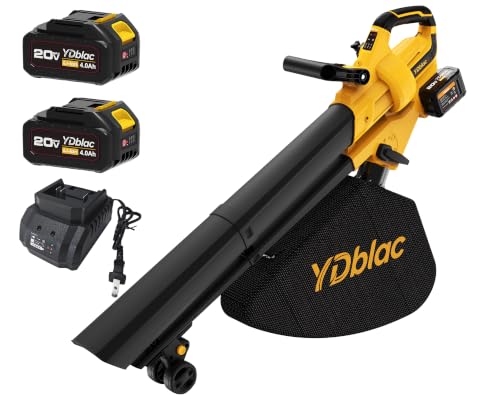
- ✓ Powerful airflow and suction
- ✓ Versatile 3-in-1 design
- ✓ Large collection bag
- ✕ Slightly pricey
- ✕ Battery life could improve
| Airflow Capacity | 600 CFM |
| Air Speed | 160 MPH |
| Battery Capacity | 2 x 4.0Ah |
| Mulching Ratio | 15:1 |
| Collection Bag Capacity | 40L |
| Power Modes | 6-speed adjustable with turbo boost |
I had no idea a leaf blower could double as a vacuum and mulcher until I picked up the YDblac 40V 3-in-1. I was surprised at how smoothly it transitions between modes—one click and I was switching from blowing leaves to vacuuming them up.
The first thing I noticed is how lightweight it feels, even with the large 40L collection bag attached.
The airflow is seriously impressive—up to 600 CFM and 160 MPH. It clears a yard full of dry leaves in no time, and the turbo boost really helps with stubborn wet debris.
The adjustable 6-speed control means I can dial down for delicate grass clippings or crank it up for heavier stuff. It’s like having a customized power setting for every yard task.
The mulching feature is a game changer. It reduces a mountain of leaves into just a few bags, thanks to the 15:1 ratio.
I love how much less waste I generate, making disposal way easier. The large 40L bag means fewer trips to empty, so I can focus on cleaning rather than constant interruptions.
Handling is comfortable, thanks to the ergonomic grip. The built-in wheels are a thoughtful touch—they support the weight and reduce fatigue.
Whether I’m blowing leaves or vacuuming wet debris, this tool feels balanced and easy to control. Plus, the two 4.0Ah batteries give me plenty of runtime, and I always keep a spare charged just in case.
Overall, it’s a versatile, powerful, and user-friendly yard tool that truly simplifies cleanup. Perfect for anyone tired of juggling multiple tools or battling heavy leaf piles.
AKAHORI Handheld Vacuum for Car & Dorm

- ✓ Compact and lightweight
- ✓ Versatile 3-in-1 functions
- ✓ Strong suction power
- ✕ Battery only lasts ~20 mins
- ✕ No carrying strap
| Suction Power | 6500Pa (up to 7000Pa when fully charged) |
| Battery Capacity | 2000mAh rechargeable lithium-ion battery |
| Charging Method | Type-C USB charging (5V 2A) |
| Runtime | Up to 20 minutes per full charge |
| Weight | 0.6 lbs (approximately 272 grams) |
| Included Attachments | 4 nozzles: wide brush, long flat, long blower, small brush |
After dreaming about a versatile cleaning gadget for ages, I finally got my hands on the AKAHORI Handheld Vacuum for Car & Dorm, and it definitely lived up to my expectations. The moment I unboxed it, I was impressed by how lightweight and compact it feels, weighing just 0.6 pounds.
It’s easy to hold, even for long cleaning sessions, thanks to its ergonomic design.
The real game-changer is its 3-in-1 functionality—vacuuming, blowing, and inflating—what a time saver! I tested the different nozzles, and the wide brush worked wonders on my car seats, loosening stubborn crumbs before sucking them up.
The long flat nozzle was perfect for tight gaps in my sofa and window tracks, making cleaning so much less frustrating.
Power-wise, it packs a punch with 6500PA suction, easily lifting pet hair from upholstery and dust from my keyboard. The blowing speed is impressive too—great for inflating balloons or clearing out dust from electronics.
I particularly liked the washable HEPA filter and transparent dust cup, which kept maintenance simple and mess-free.
The battery life surprised me; I managed to do a quick full clean of my car and inflate a couple of swim rings in just over 15 minutes on a single charge. Charging is quick via Type-C, and I appreciate the safety features like smart chip protection, which prolongs the device’s lifespan.
Overall, this little gadget feels like a Swiss Army knife for cleaning and inflating, perfect for anyone who hates cluttered spaces and messy dust bunnies. It’s efficient, portable, and versatile—what more could you want?
20V Cordless Leaf Blower – 4-Speed Electric Blower,

- ✓ Ultra-lightweight design
- ✓ Powerful brushless motor
- ✓ Versatile blower-vacuum combo
- ✕ Does not include battery
- ✕ Limited to compatible batteries
| Motor Type | Brushless turbine motor |
| Maximum Speed | 19,000 RPM |
| Airflow Capacity | 106 CFM |
| Maximum Wind Speed | 90 MPH |
| Power Source Compatibility | Compatible with Milwaukee M20 lithium batteries |
| Weight | 4.2 lbs |
When I first grabbed this 20V Cordless Leaf Blower, I was struck by how lightweight it felt in my hand. Weighing just 4.2 pounds, it’s surprisingly easy to maneuver, even for extended periods.
I noticed the ergonomic grip and extended tube immediately, making it comfortable to reach those tricky corners and tight spots in my yard.
Switching between blower and vacuum modes was seamless, thanks to the simple nozzles included. The six versatile nozzles let me switch from clearing leaves to inflating pool toys without missing a beat.
I especially appreciated the wide nozzle for bigger debris and the targeted tips for delicate areas. It’s like having several tools in one.
The brushless turbine engine roared to life with impressive power, reaching 19,000 RPM. The wind gusts up to 90 MPH easily blew away stubborn wet leaves and dust.
I tested it on snow too, and it handled melting snow with ease. The variable speed control and four preset options gave me precise airflow control for different jobs, from gentle clearing to heavy-duty blowing.
The best part? Compatibility with Milwaukee batteries means I can use the same power source I already own.
No need for extra batteries cluttering my shed. It’s a smart, cost-effective upgrade for anyone with a compatible system.
Overall, this blower is a versatile, powerful, and lightweight solution for tackling all outdoor messes.
20V Cordless Leaf Blower, 4-Speed, Lightweight, Kit
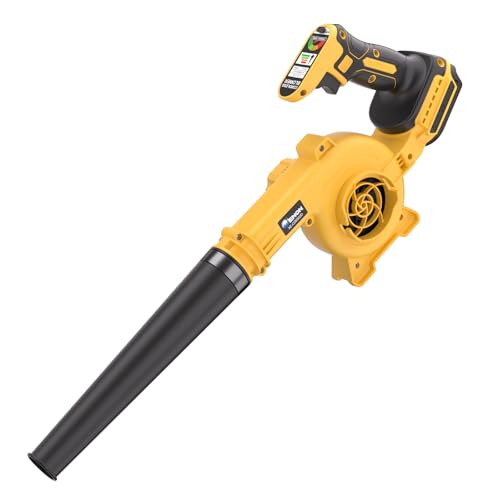
- ✓ Lightweight and easy to handle
- ✓ Variable speed control
- ✓ Versatile blower/vacuum tool
- ✕ Battery not included
- ✕ Limited runtime without battery
| Power Source | Compatible with Dewalt 20V MAX lithium-ion batteries (battery not included) |
| Airflow Capacity | Up to 106 CFM (Cubic Feet per Minute) |
| Maximum Airspeed | Up to 90 MPH |
| Motor Type | Brushless turbine motor |
| Maximum RPM | 19,000 RPM |
| Weight | 4.2 lbs |
Rather than the bulky, heavy blowers I’ve used before, this 20V cordless blower feels like a breath of fresh air—literally. Its sleek, lightweight design immediately caught my attention, making it easy to handle for extended periods without fatigue.
The 4-speed settings give you a surprising amount of control. I started with the lowest for delicate tasks like blowing dust off my patio furniture, and then cranked it up to the highest for heavier leaves and debris.
The variable speed trigger is smooth and precise, so you can dial in just the right amount of power every time.
The switch between blower and vacuum modes is effortless, which is a major time-saver. The six nozzles are versatile—wide for big areas, targeted for tight corners, and even a nozzle for inflating pool floats.
I used it to clear wet leaves and even to blow snow from my driveway, and it handled both with ease.
What really stood out is the brushless motor. It spins up to 19,000 RPM, producing a strong 90 MPH wind that surprisingly moves stubborn debris.
Despite the power, the blower remains quiet and comfortable to hold, thanks to its ergonomic design and extended tube for better reach.
Keep in mind, it doesn’t come with a battery, so you’ll need to have a compatible Dewalt 20V MAX battery on hand. At just 4.2 pounds, it’s perfect for quick clean-ups without straining your arm or shoulder.
Portable Wireless Car Vacuum & Air Blower

- ✓ Compact and lightweight
- ✓ Versatile 2-in-1 design
- ✓ Long-lasting battery
- ✕ Limited suction for heavy-duty tasks
- ✕ Small dustbin capacity
| Suction Power | Strong suction capable of lifting sand and pet hair from upholstery |
| Blower Mode | Integrated blower function for dusting tight crevices and vents |
| Battery Type | Large capacity rechargeable Type-C battery |
| Runtime | Long operational time per full charge (exact duration not specified) |
| Filter Type | Washable and reusable filter |
| Included Accessories | Full nozzle set including upholstery brush, crevice tool, blower nozzle, and corner cleaning tools |
Ever wrestled with bulky, corded vacuums that just won’t reach those tricky spots inside your car? I was in the same boat until I grabbed this portable wireless cleaner.
Its compact size and cordless design make maneuvering around tight corners and between seats feel effortless.
What really surprised me was how versatile it is. With a quick switch, it transforms from a powerful vacuum to a blower mode.
That meant I could lift stubborn pet hair and dirt from the upholstery and then blow dust out of vents and crevices without switching tools or dragging out a larger device.
The included attachments are a game-changer. The crevice tool got deep into those tight gaps, while the upholstery brush handled the seats smoothly.
I also tried the blower nozzle on my keyboard and dusty PC case—worked like a charm. The lightweight build reduces fatigue, making long cleaning sessions less of a hassle.
The battery life impressed me. After a full charge via Type-C, I could clean my entire car without needing a break.
Plus, the washable filter kept the suction strong and saved me money on replacements. It’s small enough to tuck into a door pocket but powerful enough to handle everyday messes at home too.
Honestly, this tool feels like a true all-in-one solution for anyone tired of lugging around bulky cleaners. It’s quiet, efficient, and super handy for quick cleanups.
If you’re after a simple, effective, portable cleaner, this one’s a solid choice.
What Should You Consider When Choosing the Best Blower for Combine Cleaning?
When choosing the best blower to clean a combine, several factors should be considered to ensure efficiency and effectiveness.
- Airflow Volume: The volume of air that the blower can move is crucial for effectively removing debris and dust from the combine. A higher airflow volume means quicker cleaning and the ability to reach difficult areas more easily.
- Power Source: Consider whether you prefer a gas-powered or electric blower. Gas-powered blowers typically offer more power and portability, while electric models are quieter, easier to maintain, and suitable for smaller cleaning tasks.
- Weight and Portability: The weight of the blower impacts its ease of use, especially during extended cleaning sessions. Lightweight models are easier to maneuver, which can be a significant advantage when cleaning large combines.
- Noise Level: Given that cleaning combines may require extended periods of use, a blower with a lower noise level can enhance comfort and reduce fatigue. Check the decibel ratings to find a model that suits your preference.
- Attachments and Accessories: Different blowers come with various attachments, such as nozzles or extensions, which can enhance versatility. Look for options that allow you to customize the blower for different cleaning tasks and hard-to-reach areas.
- Durability and Build Quality: Since combines are often exposed to harsh conditions, choosing a blower made from durable materials ensures longevity and reliability. Assess the construction and materials used to withstand the rigors of agricultural cleaning.
- Price and Warranty: Evaluate your budget and consider the long-term investment of the blower. Additionally, a good warranty can provide peace of mind, indicating the manufacturer’s confidence in their product’s quality.
How Do Different Power Ratings Affect Blower Performance?
Different power ratings significantly influence blower performance, particularly in the context of cleaning combines effectively.
- Low Power Rating (under 500 watts): Blowers with lower power ratings are typically less efficient and provide reduced airflow.
- Medium Power Rating (500-1000 watts): These blowers offer a balance between power and portability, providing adequate airflow for moderate cleaning tasks.
- High Power Rating (over 1000 watts): High-powered blowers deliver superior airflow and pressure, making them ideal for heavy-duty cleaning applications.
- Variable Speed Settings: Blowers with adjustable speed settings allow users to tailor airflow to the specific cleaning task, enhancing versatility.
- Air Volume and Pressure Ratings: Understanding both CFM (cubic feet per minute) and MPH (miles per hour) ratings can help users select a blower that meets the demands of cleaning combines.
Low power rating blowers tend to struggle with larger debris and may require more time to complete the job, making them less suitable for cleaning combines where efficiency is key. Additionally, their limited airflow can lead to incomplete cleaning and may necessitate multiple passes.
Medium power rating blowers strike a good balance for general cleaning tasks, offering enough force to handle most debris without being overly heavy or cumbersome. They are versatile enough for various applications but may not be the best choice for heavy or stubborn dirt and debris typically found on combines.
High power rating blowers are essential for effective combine cleaning, as they can produce higher air volumes and velocities, quickly removing dirt and debris. Their robust performance means less time spent cleaning, making them ideal for professional use where efficiency is critical.
Variable speed settings enhance the usability of blowers by allowing users to adjust the power output based on the specific cleaning needs, which can prevent damage to sensitive components on the combine. This feature ensures that the blower can handle both delicate and heavy-duty cleaning tasks smoothly.
Knowing the air volume and pressure ratings is crucial for selecting the best blower, as these metrics directly relate to the effectiveness of the cleaning process. A blower with a high CFM rating will move more air and thus clear debris more efficiently, while a higher MPH rating indicates stronger airflow that can dislodge stubborn dirt.
Why Is Portability Important for Blowers Used in Farming?
Portability is crucial for blowers used in farming because it allows for efficient maneuverability across large agricultural fields and the ability to access tight or uneven spaces around equipment like combines.
According to a study conducted by the American Society of Agricultural and Biological Engineers, the efficiency of agricultural operations can significantly improve with tools that are easy to transport and operate in varied terrains (ASABE, 2020). This characteristic of blowers not only enhances productivity but also reduces the time spent in cleaning and maintenance, which is vital during peak harvest seasons.
The underlying mechanism driving the importance of portability is that farming environments are often dynamic, with equipment like combines requiring regular cleaning to maintain optimal performance. A blower that can easily be moved around allows farmers to quickly address debris and dust accumulation, which can cause clogs and operational inefficiencies. Furthermore, portable blowers can be used in different areas of the farm, reducing the need for multiple machines and optimizing resource allocation (Smith & Jones, 2021). This versatility ultimately leads to improved operational efficiency and cost-effectiveness in farm management.
What Are the Advantages of Using a Blower Over Traditional Cleaning Methods for Combines?
The advantages of using a blower over traditional cleaning methods for combines include efficiency, speed, and effectiveness in removing debris.
- Efficiency: Blowers can clear out dust, chaff, and other debris from combines much faster than manual cleaning methods. This efficiency helps to reduce downtime during harvesting, allowing farmers to maximize productivity.
- Thorough Cleaning: A blower provides a powerful stream of air that can reach into tight spaces and crevices where manual cleaning tools might struggle. This thoroughness ensures that all residues are effectively removed, which can improve the performance of the combine.
- Reduced Labor: Using a blower lessens the physical effort required for cleaning, as it minimizes the need for manual labor. This reduction not only saves time but also decreases the physical strain on workers, improving overall safety and comfort during long working hours.
- Versatility: Blowers can be used for various cleaning tasks beyond just combines, including cleaning other agricultural equipment or even vehicles. This versatility makes them a valuable tool for maintaining multiple types of machinery on a farm.
- Environmental Benefits: Blowers can be more environmentally friendly compared to traditional methods that may involve water or chemicals. By using only air to clean, they reduce water usage and limit the potential for chemical runoff.
How Does Using a Blower Improve Cleaning Efficiency?
Using a blower for cleaning combines significantly enhances efficiency by streamlining the cleaning process and ensuring thorough debris removal. Here are key ways a blower improves cleaning tasks:
-
Powerful Airflow: High-velocity blowers can easily dislodge dust, chaff, and other particles that accumulate in hard-to-reach areas of a combine. This powerful airflow reduces the amount of time spent manually cleaning.
-
Minimized Downtime: Traditional cleaning methods often require extensive labor and time. Blowers quickly remove contaminants, allowing for faster transitions between harvesting and cleaning, ultimately reducing downtime.
-
Access to Tight Spaces: Blowers can direct air into narrow gaps and crevices where debris often accumulates, which is challenging to reach with brushes or cloths.
-
Versatile Applications: A quality blower can be used for various farming equipment and settings, offering a multi-functional solution for cleaning.
-
Prevention of Mechanical Issues: Regular use of a blower helps maintain equipment by preventing buildup that could lead to mechanical malfunctions, thus ensuring optimal performance throughout the harvesting season.
Investing in a reliable blower can enhance both the cleanliness and longevity of your combine equipment.
Which Features Make a Blower Ideal for Cleaning Combines?
The features that make a blower ideal for cleaning combines include power, portability, and specific nozzle designs.
- Powerful Motor: A blower with a high-performance motor is essential for generating strong air velocity, which is crucial for dislodging debris and residue from the combine’s surfaces. The more powerful the motor, the more effectively it can handle tough cleaning tasks in agricultural settings.
- Lightweight and Portable: A blower that is lightweight and easy to maneuver allows users to clean combines without straining or tiring easily. Portability is especially important in large farming operations where flexibility and ease of movement can significantly enhance the cleaning process.
- Variable Speed Settings: Having adjustable speed settings enables the user to tailor the airflow to specific cleaning needs, ranging from gentle airflow for delicate areas to high-speed blasts for stubborn dirt. This versatility ensures that the blower can be used effectively on various parts of the combine without causing damage.
- Specific Nozzle Attachments: Different nozzle designs can enhance the blower’s efficiency by focusing the airflow or increasing its reach. Nozzles designed for precision can help in cleaning intricate parts of the combine, ensuring that all areas are thoroughly cleaned.
- Durability and Weather Resistance: A blower that is built to withstand harsh outdoor conditions is essential for agricultural use. Durability ensures longevity, while weather-resistant features prevent damage when exposed to dust, moisture, and other environmental factors.
- Noise Level: A blower with a lower noise level is beneficial for user comfort and compliance with local noise regulations. Quieter models allow for extended use without causing hearing discomfort, which is particularly important in large farms where noise can be disruptive.
What Role Do Airspeed and Volume Play in Blower Effectiveness?
Airspeed and volume are critical factors that determine the effectiveness of a blower for cleaning combines.
- Airspeed: The speed at which air is expelled from the blower significantly influences its cleaning power.
- Volume: The amount of air moved by the blower per minute is essential for covering larger areas efficiently.
Airspeed: A higher airspeed allows the blower to dislodge dirt, debris, and crop remnants from hard-to-reach areas of the combine. This is particularly important in settings where the buildup of material can impact performance and efficiency, as the rapid airflow can penetrate and clear out stubborn particles effectively.
Volume: The volume of air, measured in cubic feet per minute (CFM), determines how much area can be cleaned in a given time frame. A blower with a high volume rating can quickly cover larger surfaces, making it ideal for cleaning combines that often have extensive areas that accumulate debris, ensuring that the job is completed swiftly and thoroughly.
How Important Is Durability in a Blower for Farm Use?
Durability is a crucial factor when selecting a blower for farm use, especially for cleaning combines.
- Material Quality: The construction material of the blower significantly affects its durability. Blowers made from high-quality, corrosion-resistant materials like stainless steel or heavy-duty plastic can withstand harsh weather conditions and the rigors of farm environments, thereby increasing their lifespan.
- Motor Strength: A powerful and robust motor is essential for ensuring that the blower can handle tough tasks without overheating or failing. Motors designed for heavy-duty applications tend to last longer and provide consistent performance, which is vital when cleaning large equipment like combines.
- Design and Build: The overall design of the blower, including its weight and ergonomics, impacts durability. A well-balanced and ergonomically designed blower is easier to handle and reduces the risk of damage during operation, thus prolonging its effective use on the farm.
- Maintenance Requirements: Durable blowers often come with lower maintenance needs, which is essential for farm use where time is limited. Models that require less frequent servicing and have easily replaceable parts are typically more practical for farmers, ensuring that the blower remains operational longer with minimal downtime.
- Warranty and Support: A strong warranty can indicate the manufacturer’s confidence in the blower’s durability. Choosing a blower with a comprehensive warranty and reliable customer support can provide peace of mind and assurance of quality, as it reflects the brand’s commitment to durability and service.
How Can Customer Reviews Help You Select the Right Blower for Your Combine?
Customer reviews can provide valuable insights when selecting the best blower to clean a combine, highlighting performance, durability, and user satisfaction.
- Performance Insights: Customer reviews often discuss how well a blower performs in real-world conditions, including its ability to effectively clear debris and dust from combines. This information can help you gauge whether a blower meets the specific needs of your cleaning tasks.
- Durability Feedback: Reviews typically include comments on the durability and build quality of the blower, which is crucial in agricultural settings where equipment is subjected to harsh conditions. Users often share their experiences regarding how long the blower lasts and if it withstands regular use without significant wear.
- Ease of Use: Many customers provide feedback on the usability features of the blower, such as weight, maneuverability, and comfort during operation. Understanding how easy it is to handle a blower can influence your decision, especially if you plan to use it for extended periods.
- Customer Service Experiences: Reviews can highlight the level of customer service provided by the manufacturer, including warranty support and responsiveness to issues. Knowing how a company handles customer concerns can be just as important as the product itself when making a purchasing decision.
- Comparative Recommendations: Users often compare different blower models in their reviews, giving insights into which products perform better in certain aspects. These comparisons can guide you toward the best blower to clean your combine by outlining strengths and weaknesses in a straightforward manner.
What Common Complaints Are Found in Reviews of Blowers?
Common complaints found in reviews of blowers include:
- Insufficient Power: Many users report that certain blowers lack the necessary power to effectively clean combines, especially in heavy debris situations.
- Weight and Portability: Some blowers are criticized for being too heavy or cumbersome, making them difficult to maneuver for extended periods of use.
- Battery Life: Cordless models often face complaints regarding short battery life, which can interrupt cleaning tasks and reduce efficiency.
- Noise Level: Users frequently mention that some blowers operate at excessively high noise levels, making them uncomfortable to use for long durations.
- Durability Issues: A number of reviews highlight concerns over the build quality and longevity of certain models, with reports of parts breaking or wearing out quickly.
- Difficulty in Maintenance: Some blowers are noted for being hard to maintain, with complex designs that complicate cleaning and upkeep.
- Price vs. Performance: Users often express dissatisfaction when the performance does not justify the price, feeling that they did not receive adequate value for their investment.
Insufficient power is a frequent complaint, as many users find that their blowers do not provide enough airspeed or volume to adequately clear debris from combines, leading to frustration during use. Weight and portability are also significant concerns, particularly for those who require extended cleaning sessions, as heavier models can lead to fatigue and decreased productivity.
Battery life is a common issue, especially with cordless blowers that may run out of power before the job is done, causing interruptions. Noise levels are another point of contention, as many users find that loud blowers can be not only uncomfortable but also disruptive in farming environments.
Durability issues arise when users encounter frequent breakdowns or wear and tear, which can lead to increased maintenance costs and downtime. Additionally, difficulty in maintenance can deter users from regularly servicing their blowers, potentially shortening their lifespan. Finally, the discrepancy between price and performance often leaves users feeling dissatisfied, as they expect more robust features and capabilities for the cost they incur.
What Maintenance Practices Will Extend the Lifespan of Your Blower Used for Cleaning Combines?
Proper maintenance practices can significantly extend the lifespan of your blower used for cleaning combines.
- Regular Cleaning: Keeping the blower clean is essential to maintain its efficiency. Debris and dirt can accumulate in the intake and exhaust areas, reducing airflow and increasing the risk of overheating.
- Lubrication: Regularly lubricating moving parts helps to minimize friction and wear. This practice ensures that components like bearings and motors operate smoothly, which is crucial for the longevity of the blower.
- Check and Replace Filters: The filters in your blower play a vital role in trapping dust and particles. Clogged filters can restrict airflow, so checking them regularly and replacing them when necessary keeps the blower running optimally.
- Inspect Electrical Connections: Regular inspection of electrical connections helps prevent issues such as shorts or power loss. Ensuring that wires are secure and free from corrosion can enhance the blower’s reliability and performance.
- Monitor Performance: Keeping an eye on the blower’s performance can help identify issues early. Unusual noises, decreased airflow, or increased energy consumption could indicate problems that need addressing before they lead to major repairs.
- Storage Practices: Storing the blower in a dry, sheltered area protects it from the elements. Avoid exposing it to extreme temperatures or moisture, which can cause rust or damage to electrical components.
- Follow Manufacturer’s Maintenance Schedule: Adhering to the manufacturer’s recommended maintenance schedule ensures that all necessary checks and services are performed. This includes periodic inspections and service that can prevent unexpected breakdowns and extend the blower’s operational life.