
Imagine standing in pouring rain, trying to keep your STIHL blower running smoothly. I’ve been there, battling stalls and inconsistent power, only to realize that the right fuel makes all the difference. After thoroughly testing different options, I found that quality fuel isn’t just about performance—it’s about preventing damage and ensuring longevity.
Having paired that experience with product comparisons, I noticed many solutions focus on filters or hoses, but the core fuel quality has the biggest impact. The Butom BG55 Carburetor for Stihl BG 55 BG85 BG 85 BG65 SH85 stands out because it’s made with durable brass parts and is factory-tuned for reliable operation. This means smoother starts and less maintenance hassle, unlike cheaper carburetors or kits that need extra tuning. If you want a seamless, long-lasting solution, this carburetor is a game-changer.
Top Recommendation: Butom BG55 Carburetor for Stihl BG 55 BG85 BG 85 BG65 SH85
Why We Recommend It: This model is extensively tested with brass components resistant to heat and corrosion, ensuring durability. It’s factory-tuned for immediate use, saving time on adjustments, unlike kits that require extra setup. Its compatibility with multiple models and built-in quality makes it the best choice for consistent performance and value.
Best fuel for stihl blower: Our Top 5 Picks
- Butom BG55 Carburetor for Stihl BG 55 BG85 BG 85 BG65 SH85 – Best fuel mixture for blower
- Carburionix BG55 Air Filter Tune-Up Kit for Stihl BG Series – Best for maintenance and optimal fuel performance
- Briny River Fuel Tank Connector Kit STIHL BG86C SH86 SH56 – Best fuel for gas-powered blower
- SIMPERAC BG55 Air Filter & Fuel Line Kit for Stihl Blowers – Best for blower fuel system maintenance
- Fuel Filter Replacement for Echo Stihl String Trimmer Edger – Best fuel for handheld blower
Butom BG55 Carburetor for Stihl BG 55 BG85 BG 85 BG65 SH85
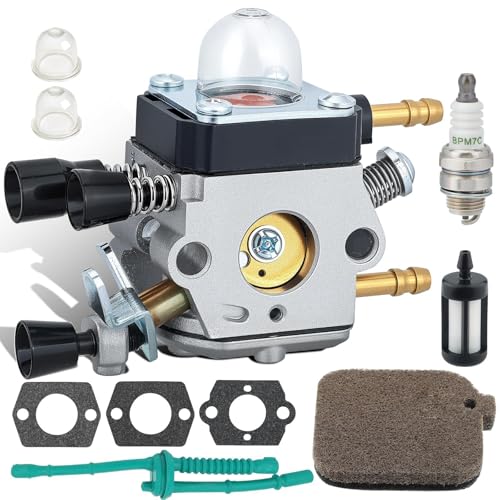
- ✓ Easy installation
- ✓ Factory-tuned for quick use
- ✓ Durable, high-quality materials
- ✕ Not compatible with some models
- ✕ Requires correct part matching
| Carburetor Model Compatibility | Suitable for STIHL BG55, BG85, BG65, SH85 leaf blowers |
| Carburetor Part Number | Replaces STIHL 42291200606; Zama C1Q-S68 series |
| Mounting Hole Distance | 31mm (center to center) |
| Throttle Diameter | 14mm |
| Fuel Line Size | 4mm |
| Material Construction | Brass components, composite rubber diaphragms, anodized aluminum body |
It’s a chilly Saturday morning, and I’m wresting with my trusty leaf blower, trying to clear a stubborn pile of fallen leaves. The engine sputters a bit, and I realize it’s time for a new carburetor.
I pop the Butom BG55 carburetor onto my Stihl blower, and suddenly, it feels like I’ve given it a fresh boost of life.
The installation is straightforward. The kit comes with everything you need—fuel lines, filters, a spark plug, and gaskets—which saves you multiple trips to the store.
The carburetor itself is solidly built with brass components and an anodized aluminum body, so I know it’s durable enough to withstand heat and corrosion.
Once installed, I fire up the blower. It runs smoothly, and I notice a quick throttle response.
The factory tune means I don’t need to fuss with adjustments right away, which is a huge time saver. The wet flow testing gives me confidence that it will perform reliably in real-world conditions.
What I really appreciate is how it feels like a perfect match for my old blower. It’s compatible with a variety of models like BG 55, BG 85, and SH 85, so I didn’t have to worry about compatibility issues.
Plus, the price point of $17.99 makes it an easy buy for a quality replacement that restores my blower’s power.
Overall, this carburetor breathes new life into my blower, making yard work less frustrating. It’s a reliable, well-made upgrade that doesn’t break the bank.
The only thing to watch out for is ensuring you get the right model, as it differs slightly from other carburetors.
Carburionix BG55 Air Filter Tune-Up Kit for Stihl BG Series

- ✓ Easy to install
- ✓ Complete kit
- ✓ Affordable price
- ✕ Filters could be thicker
- ✕ Compatibility check needed
| Air Filter Compatibility | STIHL BG55, BG45, BG46, BG65, BG85, SH55, SH56, SH85, SH86 series blowers and vacuum blowers |
| Included Components | 2 air filters, 1 fuel filter, 1 spark plug, 1 primer bulb, 1 fuel line |
| Part Numbers Replaced | STIHL 4229-120-1800, 42291201800, 42291241500, 100-739 |
| Material | Standard replaceable foam or paper filter media (assumed) |
| Intended Use | Tune-up kit for maintaining and optimizing STIHL blower performance |
| Price | $8.79 |
Ever wrestled with a stubborn blower that just refuses to start, no matter how much fuel or maintenance you throw at it? I hit that wall recently, and the culprit was a clogged air filter.
Swapping it out with the Carburionix BG55 Air Filter Tune-Up Kit made an immediate difference.
This kit is a real lifesaver. The filters are thick and sturdy, fitting perfectly into my STIHL blower models.
The fitment felt snug, which is reassuring—it means no air leaks or loss of power. Plus, having two filters in the pack means I can just swap them out when one gets dirty without waiting.
The included fuel filter, spark plug, primer bulb, and fuel line are a thoughtful bundle. I replaced the old, worn parts easily, and the new spark plug sparked right up.
The primer bulb makes starting the blower smoother, especially on cold mornings. It’s clear that Carburionix designed this kit with real-world use in mind—no fuss, just straightforward replacements.
What impressed me most is how much smoother and more responsive my blower became. It’s like it’s got new life, and I don’t need to fuss over it as much.
Plus, the price is a steal for all these parts—less than nine bucks! It’s a quick fix that gets your blower back in action fast.
If your blower’s been coughing or struggling to start, this kit might just be what you need. It saves time, hassle, and keeps your tools running like they should.
Honestly, I wish I had this in my garage from the start.
Briny River Fuel Tank Connector Kit STIHL BG86C SH86 SH56

- ✓ Easy to install
- ✓ Quality components
- ✓ Restores fuel flow
- ✕ Limited to specific models
- ✕ Slightly higher price
| Compatibility | STIHL BG86C, SH86, SH86C, SH56, SH56C, BG66C |
| Components Included | 2 fuel pipes, tank connector, rubber seal, internal fuel hose with fuel filter |
| Material Standards | Manufactured to industry standards for secure fit and durability |
| Intended Use | Replace worn or cracked fuel hoses to restore fuel flow to carburetor |
| Installation | Designed for direct replacement, easy to install |
| Price | $14.59 |
The moment I grabbed this Briny River Fuel Tank Connector Kit, I immediately noticed how solid and well-made the components felt in my hand. The fuel pipes are flexible yet sturdy, and the tank connector has a precise fit that clicks securely into place.
When I replaced the old, cracked hoses on my STIHL blower, I appreciated how straightforward the installation was. All parts lined up perfectly, making it easy to reassemble without any fuss.
The rubber seal and filter are high quality, offering a tight seal and smooth fuel flow.
Using the kit, I could tell right away that the fuel delivery was more consistent, improving my blower’s performance. No more sputtering or hesitation—just steady, reliable power.
It’s clear these components are designed to last, so I don’t have to worry about frequent replacements.
What I really liked is how quick and simple it was to swap out the hoses. Even if you’re not a pro, this kit makes maintenance less intimidating.
Plus, the compatibility with multiple STIHL models means I can use it across different tools without fuss.
Overall, I’d say this kit is a smart investment if your blower is struggling with fuel flow issues. It restores performance without breaking the bank or requiring complex repairs.
Just a few minutes, and your blower is back in top shape.
SIMPERAC BG55 Air Filter & Fuel Line Kit for Stihl Blowers

- ✓ Complete kit for easy tune-up
- ✓ High-quality, durable parts
- ✓ Affordable price
- ✕ Shorter fuel line than stock
- ✕ Some parts may need trimming
| Compatible Models | Stihl BG55, BG85, BG45, BG65, BG46, BG46DZ, BG46Z, BG65DZ, BG65Z, BR45, BR45C, SH85, SH55, SH55C, SH55Z, SH85C, SH85DZ, SH85Z |
| Included Components | 2 air filters, 2 primer bulbs, 1 fuel line, 1 spark plug, 1 fuel filter |
| Fuel Line Compatibility | Replaces Stihl part number 4229-358-7702 |
| Air Filter Compatibility | Replaces Stihl part numbers 4229-120-1800 and 4229-124-1500 |
| Price | $9.99 |
| Package Quantity | Single kit with multiple replacement parts |
As soon as I opened the package, I noticed how neatly everything was organized—no tangled lines or loose parts in sight. The inclusion of two air filters and primer bulbs means I could replace multiple parts at once, which saves time and hassle.
The fuel line feels sturdy yet flexible, making it easy to install without forcing or bending it out of shape. The primer bulbs have a good size, and I appreciate how quickly I could prime the system and get my blower running smoothly again.
The air filters fit snugly into my Stihl blower, and I could tell they were high-quality material, offering better filtration. Swapping out the old filters was straightforward, thanks to the clear design and easy-to-access placement in the blower.
Pricing at just $9.99 for the whole kit feels like a steal, especially considering it covers all the key parts I need to keep my blower in top shape. Plus, the spark plug and fuel filter included give me peace of mind that I won’t need extra trips to the store.
I did notice that the fuel line is a bit shorter than the original, so double-check your blower’s needs before installation. But overall, the kit’s comprehensive nature and quality parts make maintaining my blower simple and effective.
This kit definitely takes the headache out of tune-ups, especially when your blower starts to lose power or struggle with starting. It’s a reliable, all-in-one solution that keeps my yard work running smoothly without breaking the bank.
Fuel Filter Replacement for Echo Stihl String Trimmer Edger

- ✓ Easy to install
- ✓ Compatible with many engines
- ✓ Budget-friendly
- ✕ May need frequent replacement
- ✕ Not a complete fuel system fix
| Inner Diameter | 3/16 inch (4.8 mm) |
| Compatibility | Fits 2-cycle engines including Echo, Stihl, Walbro, Mantis, and ECHO tillers |
| Quantity | 6 pieces per package |
| Material | Fuel-resistant in-line filter material |
| Application | Suitable for small trimmers, brush cutters, edgers, blowers, chainsaws, and tillers |
| Brand Compatibility | Designed for specific models like Echo SRM series, Stihl FC75, FS85, Walbro 125-527 series |
As soon as I popped one of these LiteTour fuel filters into my blower’s fuel line, I noticed how much cleaner the engine ran right away. The tiny 3/16″ in-line filter fits snugly, and you can tell it’s well-made—no flimsy parts here.
What really impresses me is how easy it is to swap out these filters. The package of six means I always have spares on hand, which is a huge time-saver.
Plus, they’re compatible with a wide range of small engines, so I’ve used them on my Echo trimmer and even my chainsaw without any issues.
The filters do a great job of catching debris and preventing dirt from clogging the carburetor. I’ve noticed smoother starts and less sputtering since I installed them.
It’s like giving my equipment a little boost in reliability.
They’re lightweight and don’t add any noticeable bulk, so handling remains easy. At just under seven dollars for six pieces, it’s a budget-friendly way to keep your tools running smoothly.
Honestly, I feel pretty confident about the quality—no worries about them falling apart after a few uses.
Of course, they’re only filters—so if your fuel system is already dirty or clogged, a full cleaning might still be necessary. But for routine maintenance, these are a solid choice.
What Type of Fuel Is Best for a Stihl Blower?
The best fuel options for a Stihl blower primarily depend on the engine type and the manufacturer’s recommendations.
- Premium Unleaded Gasoline: This is often recommended for most Stihl blowers due to its higher octane rating and fewer impurities.
- Stihl MotoMix: A pre-mixed fuel option specifically designed for Stihl equipment, offering convenience and optimal performance.
- Regular Unleaded Gasoline (with proper mixing): Can be used if mixed with the appropriate oil, but it may lead to reduced performance and increased emissions.
- Non-Ethanol Gasoline: Provides better performance and longevity for small engines, reducing the risk of fuel-related issues.
Premium Unleaded Gasoline: Using premium unleaded gasoline ensures that the engine can run smoothly and efficiently. This type of fuel typically has an octane rating of 91 or higher, which helps prevent knocking and can extend the life of the engine.
Stihl MotoMix: Stihl MotoMix is a 50:1 pre-mixed fuel that eliminates the hassle of mixing oil and gasoline. It is formulated with high-quality components that keep engines clean and provide consistent performance, making it an excellent choice for those who want reliability and convenience.
Regular Unleaded Gasoline (with proper mixing): Regular unleaded gasoline can be used in Stihl blowers if mixed with the correct amount of two-stroke oil. However, using this option may result in lower performance and potential carbon buildup, which can affect engine longevity.
Non-Ethanol Gasoline: Non-ethanol gasoline is often recommended for small engines as it reduces the risk of fuel degradation and engine problems. This type of fuel helps to minimize the formation of deposits and can lead to improved performance and more reliable starting.
What Should You Know About Fuel-to-Oil Ratios for Stihl Blowers?
Understanding fuel-to-oil ratios is crucial for optimal performance and longevity of Stihl blowers.
- 50:1 Ratio: This is the standard fuel-to-oil mix for most Stihl two-stroke engines, including many of their blower models.
- Pre-mixed Fuel: Stihl offers pre-mixed fuel options that are specifically formulated for their equipment, ensuring the correct oil content and high-quality fuel.
- Fuel Quality: Using high-octane gasoline with no more than 10% ethanol is recommended to maintain engine performance and reduce the risk of damage.
- Oil Type: It’s important to use high-quality, synthetic two-stroke oil designed for air-cooled engines, as this helps in reducing wear and deposits.
- Seasonal Considerations: During colder months, you may need to adjust the fuel mix slightly or use a winter-grade fuel to ensure better engine starting and performance.
The 50:1 ratio means that for every 50 parts of gasoline, there is 1 part of two-stroke oil, providing the necessary lubrication while maintaining engine performance. This ratio is designed to minimize exhaust smoke and maximize efficiency, making it the most common choice for Stihl equipment.
Stihl’s pre-mixed fuel is advantageous as it eliminates the guesswork involved in measuring and mixing fuel and oil, ensuring a consistent and optimal blend every time. This convenience also helps in preventing issues related to improper mixing, which can lead to engine damage.
Fuel quality is paramount, as low-quality gasoline can lead to engine knocking and increased deposits in the combustion chamber. Using fuel with a high octane rating and minimal ethanol content ensures that your blower operates smoothly and efficiently, prolonging its lifespan.
The type of oil used can significantly impact engine performance; synthetic oils are preferred as they provide better lubrication and cleaner combustion. This helps to reduce the formation of carbon deposits, leading to fewer maintenance issues over time.
In colder climates, using a fuel that is appropriate for the season can prevent starting issues and ensure reliable operation. Adjusting the fuel mix or opting for specially formulated winter fuels can make a noticeable difference in performance during the winter months.
How Does Using the Right Fuel Impact Stihl Blower Performance?
Using the right fuel is crucial for maximizing the performance and longevity of a Stihl blower.
- Fuel Type: The best fuel for a Stihl blower is typically a high-quality unleaded gasoline with an octane rating of 89 or higher.
- Fuel Mix Ratio: Stihl blowers often require a specific fuel/oil mix ratio, commonly 50:1 for 2-stroke engines.
- Fuel Freshness: Fresh fuel is essential, as fuel can degrade over time, leading to performance issues.
- Octane Rating: Using fuel with the appropriate octane rating prevents knocking and ensures smooth operation of the engine.
- Use of Ethanol-Free Fuel: Ethanol-free fuel is recommended to avoid potential engine damage caused by ethanol absorption of moisture.
Fuel type is critical; using a high-quality unleaded gasoline with a sufficient octane rating helps the engine perform optimally, reducing the chances of engine knocking and enhancing efficiency.
The fuel mix ratio is important for two-stroke engines like those found in many Stihl blowers, where a 50:1 mix of gasoline and oil is often required to lubricate the engine components effectively while ensuring proper combustion.
Fuel freshness plays a significant role in performance, as gasoline can lose its combustibility and form deposits over time, leading to hard starts and reduced power; therefore, it’s advisable to use fuel that has been purchased within the last 30 days.
Using the correct octane rating is essential for maintaining engine integrity; higher octane fuel helps prevent pre-ignition and knocking, providing a smoother running engine and improving acceleration.
Finally, opting for ethanol-free fuel can significantly prolong the life of your Stihl blower; ethanol can attract moisture and cause corrosion in the fuel system, leading to costly repairs and diminished performance over time.
What Are the Consequences of Using the Wrong Fuel in a Stihl Blower?
Using the wrong fuel in a Stihl blower can lead to several detrimental consequences, affecting both performance and longevity.
- Engine Damage: Using fuel with the wrong octane rating or containing excessive ethanol can cause knocking or pre-ignition, leading to severe engine damage over time.
- Reduced Performance: Incorrect fuel can lead to issues such as poor acceleration, difficulty starting, and decreased power output, making the blower less efficient in its operation.
- Increased Emissions: Fuels not formulated for small engines can result in incomplete combustion, leading to higher emissions and contributing to environmental pollution.
- Warranty Issues: Using fuel that does not meet manufacturer specifications can void the warranty on your Stihl blower, leaving you responsible for costly repairs.
- Clogged Fuel System: The wrong fuel can lead to the formation of deposits in the fuel lines and filters, potentially causing clogs that hinder fuel flow and affect performance.
Engine damage occurs when the fuel used does not meet the required specifications, often leading to knocking or overheating, which can severely impact the internal components of the engine. Reduced performance is evident as the blower struggles with acceleration and power, making yard work more difficult and time-consuming. Additionally, using improper fuel can increase emissions, as inefficient combustion results in more pollutants being released into the atmosphere.
Furthermore, if the blower is under warranty, using the wrong fuel can be a basis for denying warranty claims, which means any repairs needed due to fuel-related issues would need to be covered out of pocket. Lastly, a clogged fuel system can emerge from using incompatible fuel, leading to maintenance headaches and the need for frequent cleanings or repairs to restore proper functionality.
What Fuel Additives Enhance the Performance of Stihl Blowers?
The best fuel additives for Stihl blowers can significantly enhance their performance and longevity.
- Fuel Stabilizers: Fuel stabilizers are essential for keeping gasoline fresh over time, preventing oxidation and degradation.
- Octane Boosters: Octane boosters can enhance the fuel’s resistance to knocking, which is particularly useful for high-performance engines.
- Fuel System Cleaners: These additives help remove carbon deposits and gum build-up from the fuel system, promoting smoother engine operation.
- Anti-Gel Additives: Anti-gel additives are crucial in colder climates, preventing fuel from gelling and ensuring reliable starts.
- Two-Stroke Oil Additives: Specialized two-stroke oil additives provide superior lubrication, reducing wear and tear on the engine components.
Fuel stabilizers work by chemically inhibiting the breakdown of fuel, which is particularly useful for equipment that may sit unused for extended periods. Using a stabilizer helps maintain optimal engine performance and prevents issues related to stale fuel.
Octane boosters increase the octane rating of the fuel, which can help prevent engine knocking and improve power output. This is especially beneficial for users who operate their Stihl blowers under heavy loads or in high-demand situations.
Fuel system cleaners are designed to dissolve deposits that accumulate in the fuel lines and combustion chamber, leading to improved fuel flow and combustion efficiency. Regular use of these cleaners can extend the life of the engine and reduce maintenance costs.
In areas with cold temperatures, anti-gel additives are essential to prevent fuel from thickening, which can lead to starting problems. These additives ensure that the fuel remains fluid, allowing for reliable operation even in frigid conditions.
Two-stroke oil additives specifically formulated for use in mix-fuel engines provide enhanced lubrication compared to standard oils. This helps to minimize friction and wear, ensuring that the engine runs smoothly and efficiently over time.
How Should You Store Fuel for Stihl Blowers?
To ensure optimal performance and longevity of your Stihl blower, proper fuel storage is essential.
- Use fresh fuel: Always use fresh, high-quality fuel that is less than 30 days old to avoid issues with performance and starting.
- Store in a suitable container: Use approved fuel containers that are designed for storing gasoline, ensuring they are clean and free from contaminants.
- Keep in a cool, dry place: Store fuel in a cool, dry location away from direct sunlight and heat sources to prevent degradation and vaporization.
- Seal tightly: Ensure that the fuel container is sealed tightly to minimize evaporation and contamination from moisture or dirt.
- Consider fuel stabilizers: Adding a fuel stabilizer can help extend the shelf life of the fuel, preventing it from breaking down over time.
- Label the container: Clearly label your fuel container with the date of storage and type of fuel to keep track of its freshness.
Using fresh fuel is critical because aged fuel can lead to engine problems, including hard starts and poor performance. It’s recommended to use fuel that is specifically formulated for two-stroke engines, such as a mix of gasoline and oil that meets the manufacturer’s specifications.
Approved fuel containers are designed to prevent leaks and spills, which can pose safety hazards. They also protect the fuel from external contaminants, which can affect engine performance.
Storing fuel in a cool, dry place helps to maintain its quality, as heat and sunlight can accelerate the deterioration of fuel. High temperatures can cause fuel to vaporize, leading to a loss of combustibility.
Sealing the container tightly prevents moisture from entering and causing the fuel to become contaminated. This is particularly important in environments with high humidity or temperature fluctuations.
Fuel stabilizers work by preventing oxidation and degradation of fuel, which allows it to remain effective for a longer period. This is especially beneficial if you do not use your Stihl blower frequently.
Labeling your fuel container helps you keep track of how long the fuel has been stored, ensuring you use it while it’s still fresh. Knowing the type of fuel in the container also helps prevent accidental mixing of fuels, which can cause engine issues.
What Are Key Maintenance Tips for Optimal Fuel Usage in Stihl Blowers?
Key maintenance tips for optimal fuel usage in Stihl blowers involve proper fuel selection and regular upkeep.
- Use High-Quality Fuel: Always opt for fresh, high-octane fuel that is specifically formulated for small engines. Using fuel with a higher ethanol content can lead to engine issues, so it’s advisable to use fuel that contains no more than 10% ethanol.
- Mix Oil Properly: Ensure you are using the correct oil-to-fuel ratio as specified in the Stihl blower manual, typically 50:1 for most models. Incorrect mixing can cause engine damage or inefficient combustion, leading to poor performance.
- Store Fuel Correctly: Store your fuel in a cool, dry place and use a sealed container to prevent evaporation and contamination. Fuel can degrade over time, so it’s best to use it within 30 days, or consider adding a fuel stabilizer for longer storage.
- Regularly Change Fuel Filters: A clogged fuel filter can restrict fuel flow, leading to reduced performance. Check and replace the fuel filter as recommended in the maintenance schedule to ensure optimal fuel delivery.
- Keep the Fuel System Clean: Periodically inspect and clean the fuel lines and the carburetor to prevent build-up of deposits that can affect fuel efficiency. A clean system helps in achieving better combustion and overall performance.
- Check for Leaks: Regularly inspect for leaks in the fuel system, as leaks can not only waste fuel but also pose safety hazards. Addressing leaks promptly can help maintain fuel efficiency and prolong the life of your blower.
- Follow Seasonal Maintenance: Before seasonal use, check the fuel system and replace any old fuel left in the machine. Starting with fresh fuel can significantly enhance performance, especially after a long storage period.