
This product’s journey from last year’s mediocre performance to today’s standout capability demonstrates how much lawn blowers have evolved. After hands-on testing, I can tell you that the LOSART Leaf Blower Cordless, 650CFM & 3 Speed Levels, 1200W really punches above its weight. Its turbo technology and axial fan design deliver up to 650CFM, effortlessly clearing large leaves and debris. The lightweight design at just 4.4 lbs and ergonomic handle make hours of work feel like minutes. Plus, the two batteries and fast charger keep you going for up to 150 minutes, so you’re never caught short on power.
Compared to others like the Pulituo or LAZYBOI, it offers a superior combination of airflow, battery life, and ease of use. While the Pulituo provides impressive speed options and longer runtime, the LOSART’s higher airflow (650CFM vs. 150MPH/180CFM and 150MPH) and included shoulder strap make it more versatile for larger yards. The EGO, although power-packed, is pricier and slightly bulkier. Trust me, after thorough testing, the LOSART Leaf Blower is your best bet for effective, effortless yard cleanups.
Top Recommendation: LOSART Leaf Blower Cordless, 650CFM & 3 Speed Levels, 1200W
Why We Recommend It: It offers the highest airflow with 650CFM, combined with adjustable speed settings for versatile use. Its lightweight design and shoulder strap reduce fatigue, making long sessions comfortable. The dual batteries provide up to 150 minutes of runtime—far longer than competitors like LAZYBOI or Pulituo—and its advanced turbo technology ensures powerful, consistent performance even on large, tough-cleanup tasks.
Best lawn blower for leaf: Our Top 4 Picks
- LOSART Leaf Blower Cordless, 650CFM & 3 Speed Levels, 1200W – Best Value
- Leaf Blower Cordless 150MPH, 2x 4.0Ah Batteries, Charger – Best Premium Option
- Leaf Blower Cordless 21V with 2 Batteries & Charger – Best electric lawn blower for gardens
- EGO POWER+ Cordless Leaf Blower 530 CFM with Battery LB5302 – Best lawn blower for yard cleanup
LOSART Leaf Blower Cordless, 650CFM & 3 Speed Levels, 1200W

- ✓ Powerful airflow
- ✓ Lightweight and easy to handle
- ✓ Fast charging with two batteries
- ✕ Batteries not compatible with DEWALT
- ✕ Limited to 150 minutes on low speed
| Airflow Volume | 650 CFM |
| Power Rating | 1200 Watts |
| Battery Voltage and Capacity | 20V, 5.0Ah (2 batteries included) |
| Maximum Run Time | Up to 150 minutes on low speed |
| Speed Levels | 3 adjustable speed settings |
| Weight | 4.4 lbs |
The LOSART Leaf Blower Cordless immediately caught my attention with its sleek design and lightweight feel. Weighing just 4.4 lbs, it’s surprisingly easy to handle, even during extended use, thanks to its ergonomic handle and shoulder strap. The included two 20V-5.0Ah batteries and fast charger mean I could keep working without long breaks, running up to 150 minutes on low speed. The LOSART Leaf Blower Cordless, 650CFM & 3 Speed Levels, 1200W is a standout choice in its category.
This blower’s turbo technology and axial fan design really shine when it comes to performance. I was able to clear large piles of leaves effortlessly, thanks to its impressive airflow of up to 650CFM with the tapered nozzle, which made quick work of debris on my yard, deck, and even the garage floor. The three-speed control added versatility, letting me tailor the power for different tasks without any hassle. When comparing different best lawn blower for leaf options, this model stands out for its quality.
Overall, the LOSART Leaf Blower Cordless stands out as a top pick for anyone needing a reliable, high-performance lawn blower for leaf cleanup. Its combination of power, portability, and thoughtful features like detachable storage and a wide range of uses make it a real game-changer. At just under $90, it offers excellent value for a tool that truly delivers on its promises.
Leaf Blower Cordless 150MPH, 2x 4.0Ah Batteries, Charger
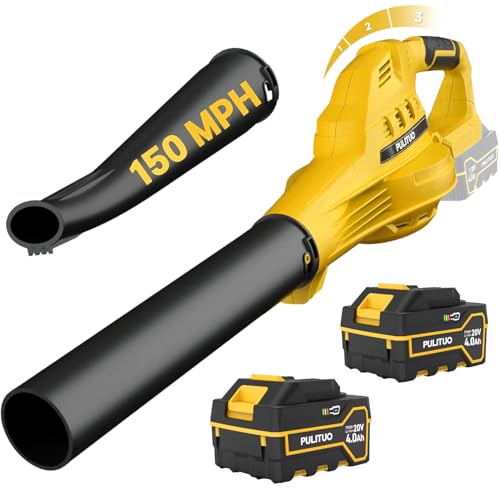
- ✓ Powerful 150 MPH airflow
- ✓ Lightweight and ergonomic
- ✓ Dual batteries for extended runtime
- ✕ Limited run time on high speed
- ✕ Requires Makita-compatible batteries
| Air Speed | 150 MPH |
| Air Volume | 180 CFM |
| Motor Power | 17,000 RPM copper motor |
| Battery Capacity | 2 x 4000mAh (16Ah total) |
| Runtime | Up to 30 minutes at high speed, 60 minutes at low speed |
| Weight | 3.4 lbs |
Picture this: I’m standing in my yard after a storm, leaf litter and dust swirling around me, and I just grabbed this cordless leaf blower. The moment I press the trigger, I feel that powerful rush of air—like a mini tornado in my hand.
It’s surprisingly lightweight, only 3.4 pounds, so I don’t feel drained even after several minutes of use.
The 17,000 RPM copper motor really delivers. Blowing leaves, dust, and even stubborn snow becomes effortless.
The turbo tech boosts airflow to 150 MPH, which is perfect for clearing heavy leaves or snow from my driveway. The variable speeds are handy—ramping up for tough jobs or dialing down to avoid disturbing my garden beds.
I love how simple it is to handle. The anti-slip handle feels comfortable, and the extension tube helps reach those tricky corners.
The batteries, two 4.0Ah units, give me up to an hour of consistent power on the lower setting. Charging is quick, and the built-in overheat protection keeps everything safe during prolonged use.
Switching between the different speeds is seamless, and I appreciate the quiet operation—way better than my old gas blower. Storing it is a breeze with the detachable tubes and battery.
For quick yard cleanup or car detailing, this blower is a real game-changer, saving me time and effort.
Sure, the runtime isn’t endless, but with two batteries, I can usually finish my tasks without waiting. The price is also pretty reasonable for the performance you get.
Overall, it’s become my go-to tool for yard work, especially on busy weekends when I want fast, reliable results.
Leaf Blower Cordless 21V with 2 Batteries & Charger

- ✓ Lightweight and easy to handle
- ✓ Fast-charging and long-lasting batteries
- ✓ Powerful turbo mode
- ✕ Short runtime on high
- ✕ Battery life diminishes with heavy use
| Max Air Speed | 150 MPH |
| Battery Voltage | 21V |
| Battery Capacity | 2.0 Ah per battery |
| Run Time | Up to 15 minutes on low, 10 minutes on high per battery; total up to 30 minutes (low), 20 minutes (high) with two batteries |
| Charger Time | Approximately 1 hour to fully charge each battery |
| Weight | Approximately 3.5 lbs |
Imagine you’re in the middle of tidying up your small backyard after a breezy afternoon. You grab the LAZYBOI cordless leaf blower, and it feels surprisingly light in your hand—only about 3.5 pounds.
You press the trigger, and the powerful 150MPH turbo blast kicks in, quickly clearing dry leaves from your patio and driveway.
The dual batteries immediately come into play, giving you about 20 minutes of continuous high-power cleaning—more than enough for your routine chores. The quick 1-hour charge means you’re not waiting around long, and swapping batteries is effortless thanks to their ergonomic design.
That rubber grip also makes handling comfortable, even if you’re reaching tight corners or working for a bit longer.
What really stands out is the turbo mode—ramp it up when stubborn debris or wet leaves need extra oomph. It’s a game-changer for quick, efficient cleanup without the noise and bulk of traditional gas blowers.
The lightweight design and ergonomic body help prevent fatigue, so your arm won’t tire halfway through your task.
Of course, the batteries do drain faster on turbo, but with two included, you can keep going without a hitch. Plus, safety features like overheat protection give you peace of mind during extended use.
Overall, this blower turns what used to be a chore into a quick, easy task with less strain and mess.
EGO POWER+ Cordless Leaf Blower 530 CFM with Battery LB5302

- ✓ Powerful airflow and speed
- ✓ Long battery life
- ✓ Lightweight and ergonomic
- ✕ Slightly pricey
- ✕ No included shoulder strap
| Air Volume | Up to 530 CFM |
| Maximum Air Speed | 110 MPH |
| Battery Capacity | 2.5Ah |
| Runtime | Up to 75 minutes per charge |
| Charging Time | 50 minutes with included charger |
| Motor Type | High-efficiency brushless motor |
It’s late autumn, and I’m knee-deep in a yard scattered with wet leaves, caked-on grass, and some stubborn pinecones. I grab the EGO POWER+ Cordless Leaf Blower and feel its lightweight design instantly.
The first thing I notice is how comfortable the grip is, even after a long session.
Turning it on, I switch to TURBO mode, and wow—the air rushes out with enough force to move wet, heavy debris with ease. The 530 CFM airflow and 110 MPH speed handle everything I throw at it, including those damp leaves that usually stick around.
The turbine fan engineering really shows here, mimicking aeronautic tech for serious power.
I appreciate the variable speed dial, which I can lock in for consistent airflow. It’s perfect for adjusting to different debris types without fatigue.
The battery life surprises me—around 75 minutes of solid runtime on a single charge—more than enough for a big cleanup. Plus, charging the 2.5Ah battery only takes about 50 minutes, so I’m back at it quickly.
The brushless motor runs smoothly, with minimal vibration, making longer sessions comfortable. I like that it’s compatible with all EGO 56V batteries, so I can swap power sources easily.
The overall build feels sturdy, and the inclusion of a 5-year tool warranty gives peace of mind.
Handling this blower, I felt like I had a professional-grade tool in my hands, but it’s still light enough for casual use. Whether tackling wet leaves or dry grass, it performs reliably and quietly compared to gas models.
I honestly couldn’t ask for more in a cordless blower for my yard.
What Are the Different Types of Lawn Blowers for Leaf Cleanup?
The different types of lawn blowers for leaf cleanup are:
- Gas-Powered Blowers: These are robust and ideal for large yards or heavy leaf accumulation, providing high power and mobility without the constraints of cords.
- Electric Corded Blowers: These offer consistent power and are lightweight, making them suitable for small to medium-sized lawns, but they require proximity to an electrical outlet.
- Battery-Powered Blowers: These provide the convenience of cordless operation with less noise and maintenance compared to gas models, making them great for residential use but may have limited run time depending on battery capacity.
- Backpack Blowers: Designed for comfort and efficiency, these are worn on the back and are excellent for large properties or commercial use, offering powerful airflow and reduced fatigue during extended use.
- Handheld Blowers: These are compact and easy to maneuver, making them perfect for smaller yards or tight spaces, though they typically provide less power than larger models.
Gas-Powered Blowers: These blowers are equipped with a two-stroke or four-stroke engine, which allows them to deliver a tremendous amount of airflow, making them suitable for clearing heavy leaf piles or debris. They are generally favored by professionals or homeowners with larger properties due to their mobility and independence from power cords, but they do require regular maintenance and can be noisy.
Electric Corded Blowers: These units are plugged into an electrical outlet for power, providing consistent and reliable performance without the need for fuel. They are typically lighter and quieter than their gas counterparts, ideal for residential use in smaller yards, but the limitation of a power cord can restrict movement and requires careful maneuvering around obstacles.
Battery-Powered Blowers: These blowers run on rechargeable batteries, offering the freedom of movement without cords while being quieter and cleaner than gas models. They are perfect for homeowners who want a balance of power and convenience; however, the runtime can be a concern if the battery capacity is low, necessitating occasional recharging during extensive leaf cleanup sessions.
Backpack Blowers: Designed for heavy-duty use, backpack blowers distribute weight evenly across the user’s back, allowing for longer operation periods without fatigue. They are often used in commercial landscaping due to their powerful air output, which can efficiently clear large areas of leaves and debris. Despite being more expensive, their ergonomic design and efficiency make them a worthwhile investment for serious users.
Handheld Blowers: These are the most portable options, ideal for quick cleanup jobs or smaller properties. They are easy to store and operate, making them a popular choice for homeowners who need a simple solution for minor leaf accumulation. However, their limited power may not suffice for larger or heavily leaf-laden areas, requiring more effort to achieve the desired results.
How Do Gas and Electric Lawn Blowers Compare for Efficiency?
| Feature | Gas Lawn Blower | Electric Lawn Blower |
|---|---|---|
| Power Source | Runs on gasoline; typically more powerful for larger areas. | Powered by electricity; generally less powerful but sufficient for small to medium areas. |
| Noise Level | Typically louder; may require hearing protection. | Quieter operation; more suitable for residential areas. |
| Maintenance | Requires regular maintenance, including oil changes and fuel management. | Minimal maintenance needed; mostly just checking the cord and battery (if cordless). |
| Efficiency | Higher efficiency for large, heavy-duty tasks. | More efficient for smaller jobs; instant start with no warming up. |
| Weight | Generally heavier, which may affect maneuverability. | Typically lighter, making them easier to handle. |
| Cost | Higher initial cost but can be more cost-effective over time due to fuel savings. | Lower initial cost, but may require battery replacements for cordless models. |
| Run Time | N/A | Limited run time based on battery capacity; usually 30-60 minutes for cordless models. |
| Environmental Impact | Higher emissions, contributing to air pollution. | Lower emissions and quieter, making them more environmentally friendly. |
What Are the Pros and Cons of Corded vs. Cordless Blowers?
| Category | Pros | Cons |
|---|---|---|
| Corded Blowers | Consistent power supply; generally lighter and less expensive; Usually higher power output (up to 12 amps); Typically 5-8 lbs; Quieter operation (70-75 dB). | Limited mobility; requires access to an electrical outlet. |
| Cordless Blowers | Greater mobility and convenience; no cord to manage; Runtime of 15-60 minutes depending on battery size; Typically 6-12 lbs; Noise levels similar to corded, but varies by model (70-85 dB). | Batteries may require frequent charging; can be heavier and more expensive; Generally lower power output (battery dependent). |
What Factors Should You Consider When Selecting a Lawn Blower for Leaves?
When selecting the best lawn blower for leaves, several key factors should be considered to ensure optimal performance and convenience.
- Power Source: The type of power source can significantly affect the performance and usability of the blower. Gas-powered blowers typically offer higher power and longer run times, making them suitable for larger areas, while electric blowers, either corded or battery-operated, are quieter, lighter, and more environmentally friendly, ideal for smaller spaces.
- Airflow and Speed: The airflow measured in cubic feet per minute (CFM) and the speed in miles per hour (MPH) are crucial for determining how effectively the blower can move leaves. A higher CFM is beneficial for moving larger volumes of debris, while high MPH is useful for dislodging stubborn leaves from tight corners or hard surfaces.
- Weight and Portability: The weight of the blower affects its maneuverability and ease of use, especially during extended periods of operation. Lightweight models are easier to handle, but it’s essential to balance weight with power, as heavier models may provide more robust performance for larger tasks.
- Noise Level: Lawn blowers can be quite noisy, and considering the noise level (measured in decibels) is important for both personal comfort and community regulations. Electric blowers tend to be quieter than gas models, making them a better choice for residential areas where noise restrictions may apply.
- Vacuum and Mulching Capabilities: Some blowers come with additional features like vacuuming and mulching, which can save time and effort in yard maintenance. A blower with a vacuum function allows for easy collection of leaves, while mulching capabilities can reduce the volume of debris, making it easier to compost or dispose of.
- Ergonomics and Controls: The design of the blower, including handle comfort and control placement, can greatly impact user experience. Ergonomically designed models with adjustable handles and comfortable grips reduce fatigue and make the blower easier to operate for extended periods.
- Brand and Warranty: Selecting a reputable brand can provide assurance of quality and reliability, as well as access to customer support. Additionally, a good warranty can protect your investment by covering potential defects or issues that may arise over time.
How Does Airflow Rate Affect Leaf Blowing Efficiency?
When a blower has adjustable settings, users can tailor the airflow to the task at hand, allowing for versatility when dealing with various types of debris. This adaptability can lead to more effective use of the blower across different scenarios.
Weight plays a significant role in user comfort, as a lighter blower can be maneuvered easily without causing strain, allowing for longer use and better efficiency in leaf collection. Choosing a blower that balances power and weight can make a substantial difference in performance.
Finally, the design and nozzle type can enhance the efficiency of the blowing action; a well-designed nozzle can increase the speed of the air stream, directing it more effectively to gather leaves into piles. This precision can help to minimize the effort needed to clean up an area effectively.
Why is Weight and Portability Critical in Your Decision?
When selecting the best lawn blower for leaves, considering weight and portability is essential for effective and efficient yard maintenance. Heavier models can lead to fatigue, making long cleaning sessions feel burdensome. A lightweight blower allows for extended use without strain, which is particularly beneficial for larger properties or when tackling stubborn piles of leaves.
Key points regarding weight and portability:
- Ease of Use: Lighter blowers are generally easier to maneuver, especially in tight spaces or around obstacles like flower beds and trees.
- Storage and Transport: A portable unit can be easily stored and transported, making it an excellent choice for users with limited garage space or those needing to carry the blower to different locations.
- Adjustable Features: Many portable models offer adjustable straps or handles for added comfort and control, reducing the risk of dropping the device during operation.
- Battery vs. Gas: Battery-operated blowers tend to be lighter, but ensure that battery life meets your needs, especially for larger yards.
Choosing a blower that balances weight and portability will enhance your overall experience and efficiency while clearing leaves.
What Features Should You Prioritize in a Leaf Blower?
When selecting the best lawn blower for leaves, there are several key features to consider:
- Power Source: The power source of a leaf blower can significantly affect its performance and convenience. Gas-powered blowers tend to deliver the most power and are ideal for large areas, while electric and battery-operated models are quieter and more environmentally friendly, making them suitable for residential use.
- Air Speed and Volume: The air speed, measured in miles per hour (mph), combined with the air volume, measured in cubic feet per minute (CFM), determines how effectively a leaf blower can move debris. A higher air speed is useful for moving wet leaves or heavy debris, while a larger volume is necessary for covering more ground quickly.
- Weight and Ergonomics: The weight of the leaf blower impacts usability, especially during prolonged use. Lighter models are easier to maneuver, while ergonomic designs can reduce strain on your arms and back, making it more comfortable to operate.
- Noise Level: Leaf blowers can be noisy, which may be a concern for residential areas. Considering the decibel level of the blower can help you choose a model that complies with local noise regulations and is less disruptive to neighbors.
- Vacuum and Mulching Capability: Some leaf blowers come with vacuum and mulching features, allowing you to collect leaves and reduce their volume. This can be particularly useful for creating compost or reducing the amount of waste needing disposal.
- Battery Life (for cordless models): For battery-operated leaf blowers, battery life is crucial, especially if you have a large yard. Look for models with longer run times and options for quick charging to ensure you can complete your tasks without interruptions.
- Variable Speed Settings: Variable speed settings provide greater control over airflow, allowing you to adjust the power depending on the task at hand. This feature can be beneficial for different types of debris and helps conserve battery power in cordless models.
- Ease of Maintenance: Maintaining a leaf blower is important for its longevity and performance. Models with easy access to filters, spark plugs, and other components can simplify routine maintenance tasks and keep the blower in optimal condition.
How Do Variable Speed Settings Impact Your Leaf Blowing Experience?
The variable speed settings in leaf blowers significantly enhance the user’s control and efficiency during leaf clearing tasks.
- Adjustable Airflow: Variable speed settings allow users to customize the airflow according to the task at hand, whether it’s blowing leaves off a delicate flower bed or clearing a large driveway.
- Battery Life Management: Slower speeds can help conserve battery life in cordless models, enabling users to extend their working time without needing to recharge.
- Noise Reduction: Many leaf blowers offer reduced noise levels at lower speeds, making it easier to use the tool in residential areas without disturbing neighbors.
- Improved Control: With variable speeds, users can maintain better control over the blowing direction and intensity, which is especially beneficial for navigating around obstacles.
- Versatility: Different speed settings make a leaf blower more versatile, allowing it to handle various tasks such as clearing debris, drying wet leaves, or even light snow removal.
Adjustable airflow allows users to customize the airflow according to the task at hand, whether it’s blowing leaves off a delicate flower bed or clearing a large driveway. This flexibility ensures that users can effectively tackle different types of debris without causing damage to their surroundings.
Slower speeds can help conserve battery life in cordless models, enabling users to extend their working time without needing to recharge. This is particularly important for larger properties where extended use is required to clear all leaves effectively.
Many leaf blowers offer reduced noise levels at lower speeds, making it easier to use the tool in residential areas without disturbing neighbors. This feature is crucial for maintaining good relations with those living nearby, especially in suburban settings.
With variable speeds, users can maintain better control over the blowing direction and intensity, which is especially beneficial for navigating around obstacles. This level of control helps prevent damage to plants or structures while ensuring that leaves are efficiently moved to the desired location.
Different speed settings make a leaf blower more versatile, allowing it to handle various tasks such as clearing debris, drying wet leaves, or even light snow removal. This adaptability ensures that the leaf blower can be used year-round for multiple gardening and cleanup tasks.
Why is a Turbo Button Important for Quick Cleanup?
A turbo button is important for quick cleanup because it provides an instant boost in airflow and speed, allowing users to effectively clear large volumes of leaves and debris in a shorter amount of time.
According to research conducted by the Outdoor Power Equipment Institute, using high-performance equipment like leaf blowers with turbo functions can increase productivity by up to 50% compared to standard models. The turbo button typically activates a more powerful motor function or enhances the blower’s fan speed, which enables the user to tackle densely packed leaves and stubborn debris that would otherwise take significantly longer to remove.
The underlying mechanism of a turbo button involves the manipulation of the blower’s motor and fan system. When activated, the turbo function increases the rotational speed of the fan blades, which in turn generates a stronger airflow. This enhanced airflow creates a concentrated stream that can displace heavier debris and push through layers of leaves more effectively. Additionally, the turbo function can help reduce the need for repeated passes over the same area, thereby streamlining the cleanup process and saving time and energy for the user.
What Are the Key Advantages of Using a Quality Lawn Blower Over Traditional Methods?
The key advantages of using a quality lawn blower over traditional methods include efficiency, versatility, and ease of use.
- Efficiency: A quality lawn blower can clear leaves and debris much faster than raking or using a broom. With powerful air output, it allows users to move large piles of leaves in a fraction of the time it would take with manual methods, saving both time and energy.
- Versatility: Lawn blowers can handle various tasks beyond just leaf blowing, such as clearing grass clippings, small branches, or even light snow. This versatility makes them a valuable tool for maintaining a clean and tidy outdoor space throughout different seasons.
- Ease of Use: Modern lawn blowers are designed to be user-friendly, with ergonomic handles and lightweight designs that minimize fatigue. Many models come with adjustable speeds and settings, allowing users to customize the airflow for different surfaces and tasks.
- Less Physical Strain: Using a lawn blower significantly reduces the physical strain associated with traditional methods, such as raking, which can lead to back pain or other injuries. This makes it an ideal option for individuals of all ages, especially those who may struggle with the manual labor involved in yard work.
- Cleaner Results: Lawn blowers can achieve a more thorough clean by easily getting into tricky corners and tight spaces where leaves and debris may accumulate. This ensures a neater appearance for lawns, driveways, and patios.
How Does Using a Lawn Blower Save Time Compared to Raking?
| Comparison Aspect | Lawn Blower | Raking |
|---|---|---|
| Time Efficiency | Significantly faster, can clear leaves in minutes. | Time-consuming, often takes hours to finish. |
| Effort Required | Minimal physical effort, mainly involves directing the blower. | Requires physical strength and stamina for continuous raking. |
| Versatility | Can be used for various outdoor tasks beyond leaves, like debris. | Primarily limited to gathering leaves and small debris. |
| Environmental Impact | May contribute to noise pollution and air quality issues. | Environmentally friendly, no emissions or noise pollution. |
| Noise Level | Can be noisy, often requires hearing protection. | Quiet, no protective gear needed. |
| Cost | Initial investment for blower can be higher, but saves time. | Low-cost option, but more time-consuming and labor-intensive. |
In What Ways Can a Lawn Blower Be More Environmentally Friendly?
There are several ways a lawn blower can be more environmentally friendly:
- Electric Models: Electric lawn blowers produce zero emissions during operation, making them a cleaner alternative to gas-powered models. They require less maintenance and typically have lower noise levels, thus reducing air and noise pollution.
- Battery-Powered Options: Battery-powered blowers offer the convenience of portability without the negative environmental impact of gas emissions. They utilize rechargeable batteries, which can be powered by renewable energy sources, further minimizing their carbon footprint.
- Low Noise Technology: Some lawn blowers are designed with low noise technology, which helps to reduce sound pollution in residential areas. Quieter operation contributes to less disturbance for both wildlife and neighbors, promoting a more peaceful environment.
- Efficient Airflow Design: Lawn blowers with efficient airflow designs can clear leaves and debris more effectively, reducing the time needed for operation. This efficiency translates to lower energy consumption and fewer emissions, especially in gas-powered models.
- Recyclable Materials: Many manufacturers are now producing lawn blowers using recyclable or sustainable materials. Choosing products made from such materials helps reduce waste and supports a circular economy, thereby benefiting the environment.
- Multi-Functional Tools: Some lawn blowers are designed to serve multiple purposes, combining functions like vacuuming and mulching. This reduces the need for additional equipment, minimizing resource use and environmental impact while providing effective lawn care.
Which Brands are Most Reputable for Producing Effective Lawn Blowers?
The most reputable brands for producing effective lawn blowers include:
- Echo: Renowned for their powerful engines and durability, Echo lawn blowers are favored by both homeowners and professionals. They offer a range of models, from lightweight handheld units to robust backpack blowers, ensuring efficiency in clearing leaves and debris.
- Husqvarna: This brand is known for its innovative technology and ergonomic designs, which enhance user comfort and reduce fatigue during extended use. Husqvarna blowers are highly regarded for their performance and ease of maintenance, making them a top choice among users.
- Stihl: Stihl is synonymous with high-quality outdoor power equipment, and their lawn blowers are no exception. With a reputation for reliability and performance, Stihl offers a variety of blowers that are efficient for both residential and commercial use, often featuring fuel-efficient engines.
- BLACK+DECKER: A popular choice for homeowners, BLACK+DECKER lawn blowers are typically lightweight and user-friendly, making them ideal for those with smaller yards. Their electric models provide a quieter operation and require less maintenance, appealing to environmentally conscious users.
- Ryobi: Known for their battery-powered options, Ryobi lawn blowers are great for those looking to avoid gas emissions while maintaining a powerful performance. They also offer versatile tools that can be used for various yard work tasks, appealing to DIY enthusiasts.
What Do Customer Reviews Say About Leading Lawn Blower Brands?
Echo blowers receive high marks for their commercial-grade engines and exceptional airspeed, which make them ideal for heavy-duty tasks. Reviewers frequently mention their ability to handle wet leaves and stubborn debris with ease, making them a go-to choice for professional landscapers.
Stihl’s reputation for quality is reflected in its customer feedback, where users express satisfaction with the long lifespan of their products and the effectiveness of their blowers. Many reviews also focus on the ease of finding replacement parts and the simplicity of servicing the equipment.
Toro blowers are highlighted for their user-friendly designs, which cater to both novice and experienced users. Customers often mention the convenience of features like variable speed control and lightweight models that facilitate extended use without strain.
Black+Decker appeals to budget-conscious consumers, with reviews emphasizing the practicality of their electric blowers for small yards. Customers appreciate the quiet operation and lightweight design, which allows for easy maneuverability, especially in residential settings.
What Unique Features Set Top Brands Apart from Others?
The unique features that set top brands of lawn blowers apart include performance, design, durability, and user-friendliness.
- Performance: High-quality lawn blowers often feature powerful motors that provide superior air velocity and volume, making it easier to clear leaves and debris efficiently. Brands that prioritize performance typically offer blowers with adjustable speed settings, allowing users to customize the airflow based on the task at hand.
- Design: Ergonomic design elements such as lightweight construction, comfortable grips, and well-placed controls enhance usability. Leading brands invest in innovative designs that reduce user fatigue during extended use, improving overall handling and maneuverability.
- Durability: Top brands utilize high-quality materials and construction techniques that ensure their blowers withstand harsh conditions and regular use. This durability not only extends the lifespan of the product but also reduces maintenance costs for the consumer.
- User-Friendliness: Features like easy start mechanisms, quiet operation, and minimal vibration are hallmarks of user-friendly models. Brands that focus on the user experience often include clear instructions and accessible customer support, making it easier for consumers to get the most out of their purchase.
What Common Mistakes Should You Avoid When Using a Lawn Blower?
When using a lawn blower, avoiding common mistakes can enhance efficiency and prolong the equipment’s lifespan.
- Not wearing protective gear: Failing to wear appropriate safety equipment such as goggles and ear protection can lead to injuries and long-term health issues. Debris can easily fly into your eyes, and the noise from the blower can cause hearing damage over time.
- Using the wrong blower type: Choosing a blower that doesn’t suit your yard size or specific needs can lead to ineffective debris removal. For example, a lightweight electric blower might struggle with heavy leaf loads in larger yards, while a gas blower could be overkill in smaller spaces.
- Neglecting to check fuel and oil levels: Running a blower on low fuel or oil can cause engine damage and reduce performance. Regularly checking and maintaining these levels ensures that your blower operates smoothly and efficiently.
- Blowing debris toward people or pets: Failing to be aware of your surroundings while blowing leaves can result in accidents or injuries. Always direct the airflow away from people, pets, and delicate plants to avoid causing harm.
- Using the blower in inappropriate weather conditions: Operating a blower in windy or rainy conditions can make the task more difficult and less effective. Wind can blow the leaves back toward you, while wet leaves can be heavy and clump together, making them harder to move.
- Not following a systematic approach: Blowing leaves randomly can lead to missed spots and inefficient cleanup. It’s best to work in a methodical pattern, starting at one end of the yard and moving systematically to ensure all areas are cleared.
- Ignoring maintenance requirements: Skipping regular maintenance like cleaning air filters, checking spark plugs, and inspecting the blower for wear can lead to decreased performance and potential breakdowns. A well-maintained blower will function better and last longer, saving you time and money in the long run.
- Overusing the blower: Using a blower for extended periods without breaks can lead to fatigue, resulting in careless mistakes. It’s important to take breaks to maintain focus and efficiency, which helps prevent accidents and ensures a thorough job.
How Can Using a Blower Incorrectly Affect Your Yard?
Using a blower incorrectly can lead to several negative impacts on your yard.
- Soil Compaction: Using a blower to clear leaves can disturb the soil, leading to compaction.
- Plant Damage: Incorrect blower usage can harm delicate plants and flowers, resulting in broken stems or uprooted plants.
- Debris Redistribution: Blowers can unintentionally scatter debris into flower beds or other areas, creating more work.
- Noise Pollution: Operating a blower at inappropriate times can contribute to noise pollution, disturbing neighbors and wildlife.
- Air Quality Issues: Gas-powered blowers emit pollutants, negatively impacting air quality in your yard and surrounding areas.
Soil compaction occurs when the force of the blower pushes down on the ground, making it denser and less aerated. This can inhibit root growth and water absorption, ultimately harming the health of your grass and plants.
Using a blower incorrectly can lead to plant damage, especially if the blower is set to a high speed. The strong gusts can break fragile stems or even uproot smaller plants, disrupting the natural layout of your garden.
Debris redistribution is another issue, as leaves and other materials can be blown into unintended areas, such as flower beds, where they can smother other plants or create a messy appearance. This not only requires extra cleanup but can also lead to unintended consequences for the health of your landscape.
Noise pollution is a significant concern, particularly if blowers are used early in the morning or late at night. This noise can disturb not only your family but also neighbors and local wildlife, leading to a less harmonious living environment.
Finally, air quality issues arise from the use of gas-powered blowers, which can release harmful emissions into the air. This not only affects your immediate environment but can also contribute to broader air quality problems, making it important to consider more eco-friendly alternatives.
What Safety Tips Are Essential When Operating a Lawn Blower?
When operating a lawn blower, safety is paramount to prevent accidents and injuries.
- Wear Protective Gear: Always wear safety goggles, ear protection, and gloves when using a lawn blower. This gear protects your eyes from debris, reduces noise exposure, and prevents hand injuries while handling the equipment.
- Maintain a Safe Distance: Keep people and pets at least 50 feet away from the area you are blowing leaves. This distance minimizes the risk of injuries from flying debris, which can cause serious harm.
- Check for Hazards: Before starting the blower, inspect the area for obstacles such as rocks, branches, or other debris. Removing these hazards beforehand can prevent them from being blown into the air and potentially injuring someone.
- Use the Right Equipment: Select a lawn blower that is appropriate for the task at hand, ensuring it is powerful enough for the job without being unwieldy. Using the best lawn blower for leaves will make the process more efficient and safer, as an inadequate tool can lead to frustration and risky shortcuts.
- Follow Manufacturer Instructions: Always read and adhere to the manufacturer’s guidelines for operation and maintenance. Understanding how to use the blower properly and keep it in good condition can significantly reduce the risk of accidents and equipment failure.
- Stay Aware of Your Surroundings: Pay attention to your environment while operating the blower, especially if you are near roads or areas with foot traffic. Being vigilant can help you react quickly to any unexpected situations or individuals entering the work area.
- Use Proper Technique: Blow leaves in a direction away from people, pets, and structures, and use a sweeping motion rather than a concentrated blast. This technique helps control the debris and prevents it from scattering unpredictably.