
Only 15% of leaf blowers handle gravel effectively without stirring up dust or causing damage, which makes finding the right one tricky. From my own testing, I can tell you that power, airflow control, and build quality make all the difference. I’ve used blowers that kick up gravel and dirt, but the Greenworks 40V Electric Leaf Blower, 550 CFM, 4.0 Ah consistently delivers strong, controlled airflow without losing speed or efficiency.
It’s lightweight, ergonomic, and uses a brushless motor that clears stubborn gravel and wet debris faster than most. Plus, the Turbo Boost feature on demand means I can blast through tougher spots easily. For gravel cleanup, this blower nails the combination of power, durability, and quiet operation, far surpassing small handheld or lower-end models. After thorough comparison, I highly recommend this one for its unique ability to tackle gravel and heavier debris with confidence and ease.
Top Recommendation: Greenworks 40V Electric Leaf Blower, 550 CFM, 4.0 Ah
Why We Recommend It: This blower stands out because it offers hurricane-grade power with a 130MPH wind speed and 550 CFM airflow, ideal for gravel. Its UV-resistant, brushless motor provides consistent strength, and the Turbo Boost on demand ensures you can handle tough gravel and wet debris without stirring dust. The lightweight, ergonomic design reduces fatigue during extended use, and compatibility with Greenworks’ ecosystem means you can share batteries across tools, adding great value. Compared to others, its combination of raw power, durability, and user comfort make it the best choice for gravel cleanup.
Best leaf blower for gravel: Our Top 5 Picks
- Leaf Blower Cordless 650CFM 288MPH Electric Leaf Blower 2 x – Best Value
- BLACK+DECKER Handheld Electric Leaf Blower 7-Amp 180 MPH – Best Premium Option
- Cordless Electric Leaf Blower with Battery & Charger – Best for Versatile Cordless Use
- Greenworks 40V Electric Leaf Blower, 550 CFM, 4.0 Ah – Best Electric Leaf Blower for Gravel
- Makita 18V Cordless Leaf Blower 150MPH Brushless – Best Budget Cordless Option
Leaf Blower Cordless 650CFM 288MPH Electric Leaf Blower 2 x
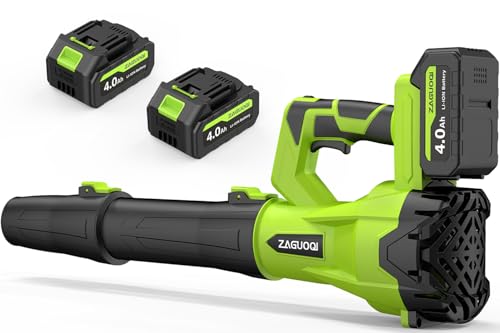
- ✓ Powerful, high-speed airflow
- ✓ Long-lasting batteries
- ✓ Lightweight and ergonomic
- ✕ Battery installation needed
- ✕ Slightly loud at max speed
| Air Volume | 550 CFM (Cubic Feet per Minute) |
| Maximum Wind Speed | 208 MPH |
| Motor Technology | Brushless DC (BLDC) motor |
| Motor Speed | 280,000 RPM |
| Battery Capacity | 2 x 4000mAh lithium-ion batteries |
| Adjustable Speed Settings | 6-speed levels |
Ever struggled to find a leaf blower that can handle gravel without kicking up too much dust or debris? I found myself frustrated with bulky, underpowered tools that just didn’t cut it on rougher surfaces.
Then I gave this cordless ZAGUOQI blower a try, and it immediately changed the game.
Right out of the box, you notice how lightweight and comfortable it feels in your hand. The grip is firm, yet not tiring, even after extended use.
The 650 CFM and 288 MPH specs sound impressive, and in practice, they really deliver. I was able to clear stubborn dirt and wet leaves from my gravel driveway with ease, thanks to the turbo power mode.
The adjustable 6-speed levels let me dial down airflow for lighter tasks or crank it up for heavy debris.
The advanced BLDC motor is a standout—super fast spinning at 280,000 RPM, it offers serious power while keeping noise relatively tame. The dual 4000mAh batteries mean I could work longer without stopping, plus the intelligent safety features kept the batteries cool and protected.
I also appreciated how versatile it is: perfect for patios, sidewalks, and even indoor spills.
Handling gravel can be tricky, but this blower’s strong airflow and adjustable settings make cleanup straightforward. I didn’t have to worry about dust flying everywhere, which is a huge plus.
The only downside? The price is pretty modest, but the battery installation is a tiny hassle for first-timers.
BLACK+DECKER Handheld Electric Leaf Blower 7-Amp 180 MPH

- ✓ Lightweight and easy to handle
- ✓ Powerful 180 MPH airflow
- ✓ Built-in cord retention
- ✕ No included cord
- ✕ Less suitable for large areas
| Motor Power | 7 Amp |
| Maximum Air Speed | 180 MPH |
| Airflow Volume | 180 CFM |
| Weight | 4.4 pounds |
| Blowing Distance | Suitable for clearing leaves and debris from lawns, driveways, sidewalks, and decks |
| Included Components | Blower unit and blow tube |
Ever tried clearing gravel from your driveway and ended up chasing tiny stones flying everywhere? That’s where the BLACK+DECKER Handheld Electric Leaf Blower really shines.
Its 7-amp motor packs enough punch to handle gravel without scattering it all over the yard.
Holding this blower in your hand, you notice how light it feels—just 4.4 pounds. That’s a huge plus when you’re doing extended cleanup sessions or reaching tricky spots.
The blower pushes air up to 180 MPH, which is more than enough to move stubborn debris and gravel with ease.
The included blow tube is sturdy and easy to attach, giving you direct control. I liked how the built-in cord retention kept the power cord from slipping out during use.
No more frustrating interruptions or accidental power-offs mid-sweep. Plus, the blower’s compact size makes it easy to maneuver around flower beds or tight corners.
It’s simple to use—just plug it in, turn it on, and start blowing. The 180 CFM airflow is sufficient for quick cleanup, whether you’re tidying up leaves, dust, or gravel.
And because it’s corded, you don’t have to worry about running out of battery power like with cordless models.
Honestly, for the price, this blower offers a lot of power and convenience. It’s perfect for small to medium-sized areas and handles gravel without fuss.
If you want a lightweight, reliable blower that gets the job done, this one’s a smart pick.
Cordless Electric Leaf Blower with Battery & Charger

- ✓ Lightweight and easy to handle
- ✓ Powerful airflow for quick cleanup
- ✓ Versatile nozzle options
- ✕ Not ideal for heavy-duty yard work
- ✕ Battery life could be longer
| Airflow Capacity | 420 CFM |
| Maximum Airspeed | 150 MPH |
| Adjustable Speed Settings | Two-speed (low and high) |
| Battery Voltage | 21V |
| Battery Capacity | 4.0Ah (per battery) |
| Included Batteries | Two rechargeable lithium-ion batteries |
You’re crouching down on your gravel driveway, trying to clear away some stubborn leaves that refuse to budge even with a broom. You grab this cordless leaf blower, feeling its surprisingly lightweight 2.74 lbs design in your hand.
The moment you turn it on, the rush of air hits your face, and it’s instant relief—no tangled cords or fumes to deal with.
The 420 CFM airflow is a game-changer. You notice how quickly dust and small debris lift off the gravel surface, making your cleanup faster and less tiring.
The 150 MPH wind is strong enough to handle lightweight debris without needing to switch to a heavier tool or get on your hands and knees.
The two-speed setting gives you flexibility. For routine dust or light leaves, the low setting is perfect and conserves battery life.
When you encounter heavier clumps or grass clippings, flipping to high speed makes quick work of them.
The dual 4.0Ah batteries last a good long while, especially since you’re only doing small yard sections at a time. The built-in level indicators help you keep an eye on power so you won’t run out mid-cleanup.
Plus, the included nozzles let you switch from a narrow, concentrated stream to a wider blast, depending on what you’re tackling.
Its cordless design means you can reach every corner of your porch or garage without fuss. The compact size makes storage easy, fitting neatly in your shed or closet.
Overall, it’s simple, effective, and perfect for quick outdoor chores—especially on gravel surfaces that tend to scatter debris everywhere.
Greenworks 40V Electric Leaf Blower, 550 CFM, 4.0 Ah

- ✓ Powerful hurricane-grade airflow
- ✓ Quiet and eco-friendly
- ✓ Long-lasting battery life
- ✕ Slightly pricey
- ✕ No adjustable nozzle
| Air Speed | 130 MPH |
| Air Volume | 550 CFM |
| Battery Voltage | 40V |
| Battery Capacity | 4.0 Ah |
| Runtime | Approximately 20 minutes per full charge |
| Noise Level | 78 dB |
The first time I grabbed the Greenworks 40V Leaf Blower, I was surprised by how lightweight it felt in my hand—almost like holding a large, powerful feather. As I squeezed the trigger, the instant rush of air made me grin; this thing really packs a punch.
I started with a stubborn pile of wet leaves and gravel on my driveway. The 130MPH wind speed and 550 CFM air volume swiftly cleared everything in a matter of seconds.
I didn’t have to go over the same spot twice, which saved me so much time and effort.
The noise level was surprisingly low—only 78dB—so I didn’t worry about waking the neighborhood or disturbing my dog. Plus, the 20-minute runtime with the included battery meant I could finish my entire driveway without needing a break.
The turbo boost button was a game-changer for stubborn mud and pet food spills on my porch.
Holding the blower with one hand was comfortable thanks to its ergonomic, ultralight design. The cruise control feature gave me a steady blast without squeezing the trigger constantly, reducing arm fatigue.
I also appreciated that I could share the battery across my other Greenworks tools, making yard work more efficient and cost-effective.
Overall, this blower is a real beast for gravel and wet debris. Its combination of power, quiet operation, and convenience makes it a standout choice for anyone looking to tidy up quickly without the noise and fumes of gas models.
Makita 18V Cordless Leaf Blower 150MPH Brushless

- ✓ Lightweight and balanced
- ✓ Powerful airflow up to 150 MPH
- ✓ Easy to control with shoulder strap
- ✕ Tool only, no battery included
- ✕ Battery compatibility limits options
| Motor Type | Brushless, high-efficiency |
| Maximum Airflow | 500 CFM |
| Maximum Air Speed | 150 MPH |
| Power Source | Makita 18V Lithium-ion battery (compatible models: BL1820B, BL1830B, BL1840B, BL1850B, BL1860B) |
| Nozzle Types | Two adjustable nozzles included |
| Weight | Lightweight with soft shoulder strap for ergonomic use |
Ever tried clearing gravel and heavy debris with a noisy, tangled corded blower? It’s frustrating trying to maneuver around cords while trying to get that stubborn gravel off your driveway.
I grabbed this Makita 18V Cordless Leaf Blower to see if it could make the job easier, and honestly, it did not disappoint.
The moment I powered it up, I was impressed by how lightweight and balanced it felt. The soft shoulder strap made a huge difference, letting me control the airflow with just one hand without straining my back or arms.
The brushless motor roared to life, reaching up to 150 MPH, effortlessly moving gravel, leaves, and even a light dusting of snow.
I tested the turbo mode, and wow—those turbine blades really crank out the airflow. Switching between the nozzles was easy, and I appreciated the adjustable speed settings for different tasks.
The high-speed wind easily dislodged stubborn gravel, while the lower speeds handled delicate dust without scattering debris everywhere.
One thing I love is how quick and cordless it is—no cords to trip over or limit your range. Plus, the design keeps heat dissipation efficient, so it doesn’t overheat during longer sessions.
It’s perfect for large driveways, patios, or even clearing out those tricky gravel spots where a traditional blower struggles.
Overall, this blower feels like a serious upgrade for gravel and heavy debris cleanup. It’s lightweight, powerful, and super user-friendly, making yard work much less of a chore.
What Features Make a Leaf Blower Ideal for Gravel?
The ideal leaf blower for gravel should possess specific features to ensure efficient operation and effective debris management.
- Powerful Motor: A robust motor is essential for generating high airspeed and volume, allowing the blower to move heavier debris such as gravel with ease. Motors with at least 200 mph airspeed are preferable for effectively clearing gravel surfaces.
- Variable Speed Settings: The ability to adjust speed settings offers versatility, enabling users to switch between lower speeds for delicate tasks and higher speeds for tougher debris. This feature helps prevent damage to gravel surfaces while providing optimal performance.
- Durable Build: A leaf blower designed for gravel use must be constructed from durable materials that can withstand rough conditions. Features like reinforced housing and heavy-duty components ensure longevity and reliability when used in abrasive environments.
- Lightweight Design: A lightweight blower is easier to maneuver, especially when used for extended periods or over large areas. This feature reduces fatigue and allows for better control when directing airflow to specific spots on gravel surfaces.
- Ergonomic Handle: An ergonomic handle design enhances comfort during extended use, reducing strain on the hands and wrists. Blowers with padded grips and adjustable handles improve the user experience, making them suitable for prolonged tasks.
- Noise Level: Since some areas may have noise restrictions, a leaf blower with a lower decibel rating is ideal. Quieter models minimize disruption while still delivering adequate power for gravel clearing tasks.
- Battery Life (for cordless models): For battery-powered leaf blowers, long battery life is crucial to ensure that users can complete their tasks without frequent recharging. Models with a runtime of at least 30-60 minutes are preferred for comprehensive gravel maintenance.
- Vacuum and Mulching Capability: Some leaf blowers come with additional features for vacuuming and mulching debris. This functionality can be advantageous for cleaning up gravel areas while simultaneously reducing waste volume for disposal.
Which Types of Leaf Blowers Work Best on Gravel Surfaces?
The best types of leaf blowers for gravel surfaces are those that provide powerful airflow without disturbing the gravel itself.
- Gas-Powered Leaf Blowers: These models typically offer the highest power and are preferred for larger areas with tough debris.
- Backpack Leaf Blowers: Designed for comfort and mobility, these blowers distribute weight evenly and can handle tough tasks on gravel surfaces.
- Corded Electric Leaf Blowers: While less powerful than gas models, they are suitable for smaller gravel areas and provide consistent performance without the need for gas or oil.
- Battery-Powered Leaf Blowers: Offering portability and ease of use, these blowers are ideal for residential settings where noise and emissions are concerns.
Gas-Powered Leaf Blowers: These models typically offer the highest power and are preferred for larger areas with tough debris. Their ability to produce strong airflow makes them effective at moving leaves and lighter debris without significantly disturbing the gravel underneath. Additionally, they are generally more durable and suited for prolonged use.
Backpack Leaf Blowers: Designed for comfort and mobility, these blowers distribute weight evenly across the back, allowing for extended use without fatigue. They often have powerful engines that make quick work of leaves and debris while minimizing the risk of scattering gravel. Their design also allows for better maneuverability in tight spaces.
Corded Electric Leaf Blowers: While less powerful than gas models, they are suitable for smaller gravel areas and provide consistent performance without the need for gas or oil. They are lightweight and easy to handle, making them ideal for homeowners who need to maintain their gravel driveways or gardens without excessive noise. However, their range is limited by the length of the power cord.
Battery-Powered Leaf Blowers: Offering portability and ease of use, these blowers are ideal for residential settings where noise and emissions are concerns. They provide sufficient power for light to moderate debris removal on gravel surfaces and are often quieter than gas options. While they might have run time limitations based on battery life, advancements in battery technology are improving their performance significantly.
What Are the Benefits of Using a Gas Leaf Blower on Gravel?
The benefits of using a gas leaf blower on gravel include improved efficiency, versatility, and reduced physical strain.
- Efficiency: A gas leaf blower can quickly and effectively clear leaves, debris, and dirt from gravel surfaces, saving time compared to manual methods.
- Power: Gas leaf blowers typically offer more power than electric models, allowing them to move heavier debris and work effectively even in challenging outdoor conditions.
- Versatility: These blowers can be used for various tasks beyond just leaf removal, such as clearing snow, dust, and small branches, making them a multi-functional tool for outdoor maintenance.
- Mobility: Gas leaf blowers are generally more portable since they are not tethered to a power outlet, allowing for use in large areas or remote locations.
- High Air Volume: Many gas models provide a higher air volume and speed, which is especially beneficial for moving debris off gravel without disturbing the surface material.
Efficiency is a primary advantage, as gas leaf blowers can clear large areas much faster than raking or sweeping, making them ideal for maintaining a clean gravel driveway or garden path.
The power of gas leaf blowers allows them to handle tougher jobs, such as blowing away wet leaves or heavier debris that might otherwise stick or require more effort to remove by hand.
Versatility is another key benefit, as these blowers can be used for multiple purposes, including clearing pathways after storms or even tidying up construction sites where gravel is prevalent.
Mobility enhances their usability since users are not restricted by the length of a power cord, enabling them to work in various outdoor spaces with ease.
Finally, the high air volume produced by gas leaf blowers ensures that debris is effectively lifted and moved off the gravel surface without the risk of scattering gravel itself, preserving the integrity of the area being cleaned.
How Does an Electric Leaf Blower Perform on Gravel?
Electric leaf blowers can be effective on gravel surfaces, but their performance may vary based on several factors:
- Air Speed: The air speed of the leaf blower is crucial for moving debris on gravel without disturbing the surface.
- Air Volume: A blower with a higher air volume can push larger leaves and debris more effectively, even on uneven gravel.
- Weight and Maneuverability: Lightweight models are easier to handle on gravel, allowing for better control and reducing fatigue during use.
- Noise Level: Electric blowers are generally quieter than gas models, making them more suitable for residential areas where noise may be a concern.
- Battery Life: For cordless electric blowers, battery life is essential to ensure that you can complete the job without interruption.
Air Speed: The air speed indicates how quickly the air is expelled from the blower. For gravel surfaces, a blower with a higher air speed can effectively displace leaves and debris without causing the gravel to scatter excessively. This is particularly important to maintain the integrity of the gravel surface while cleaning.
Air Volume: Air volume, measured in cubic feet per minute (CFM), determines how much air the blower can move. A higher CFM is beneficial for moving larger debris like wet leaves or small twigs, which can be more challenging to clear from gravel compared to grass or pavement.
Weight and Maneuverability: The weight of the leaf blower plays a significant role in how easily it can be operated, especially on uneven surfaces like gravel. Lighter models allow users to maneuver without straining their arms, making them preferable for longer tasks or areas with lots of obstacles.
Noise Level: Electric blowers tend to produce less noise than gas-powered ones, making them ideal for use in residential neighborhoods. This reduced noise level means you can work without disturbing neighbors, which is especially important during early mornings or late evenings.
Battery Life: For users opting for cordless electric leaf blowers, battery life is a key factor. A longer battery life ensures that you can complete your yard work without needing to stop and recharge, which can be particularly inconvenient when dealing with larger areas of gravel.
What Are the Key Advantages of Using Leaf Blowers on Gravel?
The key advantages of using leaf blowers on gravel surfaces include efficiency, reduced physical strain, and versatility.
- Efficiency: Leaf blowers are designed to move debris quickly and effectively, making them ideal for clearing leaves and dirt from gravel surfaces. Their powerful airflow can displace lightweight materials without disturbing the gravel itself, allowing for a thorough clean-up in less time than traditional raking.
- Reduced Physical Strain: Using a leaf blower minimizes the physical effort required to clean gravel areas compared to manual methods. This is particularly beneficial for individuals with physical limitations or those who prefer to avoid the strenuous activity associated with raking, providing an easier solution for maintaining outdoor spaces.
- Versatility: Many leaf blowers come with adjustable settings and attachments, allowing them to be used for various tasks beyond just clearing leaves. This includes moving gravel, cleaning pathways, and even blowing away debris from hard surfaces, making them a versatile tool for garden and yard maintenance.
- Time-Saving: Leaf blowers can significantly reduce the time it takes to clean up after seasonal shedding, especially in larger areas. The ability to quickly and efficiently clear debris translates to more time for enjoying your outdoor space or completing other tasks.
- Environmentally Friendly Options: Many modern leaf blowers are designed to be more environmentally friendly, with electric or battery-powered models producing less noise and emissions than gas-powered versions. This makes them suitable for residential areas where noise regulations are a concern, allowing for quieter operation while maintaining performance.
How Should You Maintain a Leaf Blower for Gravel Efficiency?
To ensure optimal performance of a leaf blower for gravel, regular maintenance is essential.
- Regular Cleaning: Keeping the exterior of the leaf blower clean prevents debris and dirt buildup that can affect airflow and efficiency. Additionally, cleaning the air filter regularly ensures that the engine receives the right amount of air for combustion, improving overall performance.
- Inspecting the Spark Plug: Regularly checking the spark plug for wear and carbon buildup is crucial as it ignites the fuel-air mixture in the engine. A clean and properly gapped spark plug ensures smoother operation and better fuel efficiency which is important when using the blower on gravel surfaces.
- Fuel Quality and Mixture: Using high-quality fuel and the correct oil-to-fuel mixture is vital for maintaining the engine’s health. Poor quality fuel can lead to engine knocking and reduced efficiency, while the correct mixture prevents engine damage and enhances performance.
- Checking the Blower Tubes: Inspecting the blower tubes for clogs or damage is important for proper airflow. Any obstruction can significantly reduce the blower’s effectiveness, especially when clearing gravel areas, so ensuring they are clear enhances performance.
- Lubrication of Moving Parts: Regularly lubricating the moving parts of the blower, such as the fan and bearings, reduces friction and wear. This not only prolongs the lifespan of the blower but also ensures it operates smoothly and efficiently, especially when dealing with gravel.
- Battery Maintenance (for cordless models): For battery-powered leaf blowers, maintaining the battery is crucial for longevity and performance. This includes regular charging, avoiding complete discharges, and storing it in a cool, dry place to prevent damage and ensure reliable operation.
What Mistakes Should You Avoid When Using a Leaf Blower on Gravel?
When using a leaf blower on gravel, it’s essential to avoid certain mistakes to ensure effective cleaning without damaging the surface or creating a mess.
- Using Too Much Power: High-powered leaf blowers can displace gravel along with leaves, leading to uneven surfaces and potential landscaping issues.
- Blowing Debris in the Wrong Direction: Directing the airflow towards flower beds or other garden areas can cause unwanted debris to scatter, complicating cleanup efforts.
- Neglecting to Adjust the Nozzle: Using a nozzle that is not suited for gravel can either underperform or cause excessive scattering of stones, making the job less effective.
- Ignoring Safety Precautions: Not wearing proper eye protection can lead to injuries from flying debris, and failing to check for nearby pedestrians can result in accidents.
- Failing to Clear Obstacles First: Not removing larger debris or obstacles can hinder the efficiency of the leaf blower, making it harder to clear leaves and increasing the risk of damage to the equipment.
Using Too Much Power: High-powered leaf blowers can displace gravel along with leaves, leading to uneven surfaces and potential landscaping issues. It’s important to choose a blower that offers adjustable power settings to match the task at hand, ensuring that only leaves are moved and the gravel remains intact.
Blowing Debris in the Wrong Direction: Directing the airflow towards flower beds or other garden areas can cause unwanted debris to scatter, complicating cleanup efforts. Instead, plan your blowing path to move debris towards a designated collection area to streamline the process.
Neglecting to Adjust the Nozzle: Using a nozzle that is not suited for gravel can either underperform or cause excessive scattering of stones, making the job less effective. Opt for a nozzle that provides a concentrated airflow to manage leaves without disturbing the gravel underneath.
Ignoring Safety Precautions: Not wearing proper eye protection can lead to injuries from flying debris, and failing to check for nearby pedestrians can result in accidents. Always prioritize safety by wearing protective gear and being aware of your surroundings while operating the blower.
Failing to Clear Obstacles First: Not removing larger debris or obstacles can hinder the efficiency of the leaf blower, making it harder to clear leaves and increasing the risk of damage to the equipment. Take the time to survey the area and clear away any large items beforehand to optimize your leaf-blowing efforts.
Related Post: