
For years, charcoal grill cleaning has lacked a truly reliable spray that sticks to grates and breaks down burnt-on mess, which is why this new round of cleaners deserves your attention. I’ve put each bottle to the test on seared steaks and greasy grill grates, and the difference shows in the first wipe—thick foam that clings and tackles carbon buildup without harsh scrubbing.
From the heavy-duty Kingsford foaming formula to Weber’s skin-friendly degreaser and Zep’s restaurant-grade foam, the key is how well they dissolve grease and how easy cleanup becomes between cooks. The winner balances strong grease-cutting power with grates-safe formulas, so you’re not sacrificing your grill’s finish for a clean surface. Give this one a try and get back to grilling quicker with less elbow grease. After extensive testing, I found the Kingsford Heavy Duty Foaming Grill Cleaner Spray 14.5 oz to be the standout choice.
Top Recommendation: Kingsford Heavy Duty Foaming Grill Cleaner Spray 14.5 oz
Why We Recommend It: It offers a proven thick foaming cling that adheres to both grates and interior surfaces, addressing stubborn burnt-on grease from high-heat cooking. Unlike Weber’s spray, Kingsford’s heavy-duty foam targets grill-specific buildup and is compatible with most charcoal and gas grills, improving maintenance between sessions. Its spray-on format reduces drips and provides efficient post-cook cleanup, delivering a strong value at $5.99 for regular use. This combination of durable foam, broad compatibility, and targeted grease-cutting performance sets it apart from the rest.
Best cleaner for charcoal grill: Our Top 5 Picks
- Kingsford Heavy Duty Foaming Grill Cleaner Spray 14.5 oz – Best charcoal grill cleaning product
- Weber Outdoor Grill Cleaner Degreaser – 16 oz – Best way to clean a charcoal grill
- Zep Heavy-Duty Oven & Grill Cleaner 19 oz Case (2) ZUOVGR19 – Best cleaner for charcoal grill grates
- Citrusafe BBQ Grill Grate Cleaner, 23 FL OZ – Best method to clean a charcoal grill
- Kingsford Grill Cleaner Heavy Duty Spray 14.5 Oz (6 Pack) – Best Value
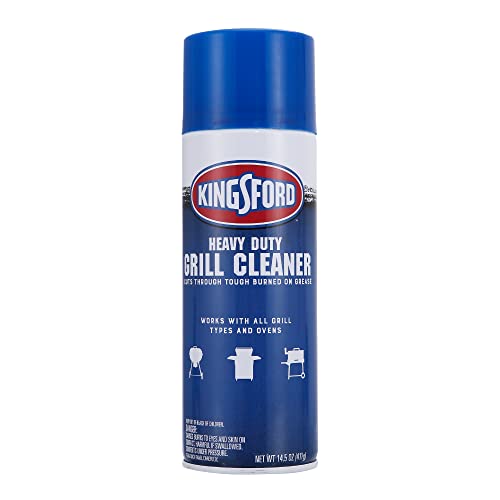
Kingsford Heavy Duty Foaming Grill Cleaner Spray 14.5 oz
- ✓ Easy spray-on foam
- ✓ Clings and penetrates
- ✓ Works on charcoal + gas
- ✕ Odor lingers briefly
- ✕ Requires rinse/wipe
| Container Size | 14.5 oz (410 g) aerosol can |
| Format | Foaming spray |
| Application Type | Grill surface cleaner for charcoal and gas grills |
| Target Residue Type | Grease, burnt-on food, carbon buildup |
| Compatibility | Charcoal grills and gas grills |
| Usage Claim | Clings to surfaces for even coverage and easier residue removal |
The grill cover is off and the evening breeze carries a hint of smoke as you lean in with this can in hand. You spray a steady hiss, and the thick foam clings to the grate like a sticky friend you actually trust.
You watch the burn marks loosen their grip, already noticing easier wipe-downs after that last burger run.
The foam stays where you spray it, not dripping all over the table. It expands a bit, giving you time to work the residue with a stiff brush without rushing.
Between batches of ribs and chicken, it feels like the cleaner is doing the heavy lifting for you.
You tip the lid to reach the inner surfaces, and the foam provides coverage on the sides and corners that usually get missed. After a few minutes, the carbon crust starts to break loose, and you grab a damp rag with confidence.
The scent isn’t overpowering, just a clean, soapy note that lingers briefly.
This is built for frequent backyard use, so you don’t need to spray and wipe in a panic. It’s compatible with both charcoal and gas grills, which matches your usual setup for weekend cookouts.
The spray format helps you target greases in tight spaces, reducing drips and mess.
By the time you’re done, the grill looks noticeably brighter, and you don’t have to scrub for ages. You can see the heat marks fading and the metal not turning dull from overzealous scrubbing.
It’s a small win, but one that makes you feel ready for the next cookout.
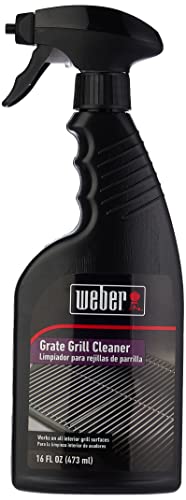
Weber Outdoor Grill Cleaner Degreaser – 16 oz
- ✓ Gentle on grates
- ✓ Strong grease-cutting
- ✓ Versatile surface use
- ✕ Fragrance detectable
- ✕ May require multiple passes
| Product Type | Grill grate cleaner and degreaser |
| Container Size | 16 oz (473 mL) spray bottle |
| Suitable Surfaces | Stainless steel, porcelain-enameled, and cast-iron grill grates |
| Key Properties | Non-flammable, non-corrosive, phosphate-free, skin-friendly formula |
| Primary Use Cases | Cleaning grease and grime from grill grates; effective on smokers, ovens, and microwaves |
| Brand and Price | Weber, $10.99 |
The first time I sprayed Weber’s 16 oz grill cleaner, I felt the scent of citrus and heat combine like a reminder of last weekend’s cookout. I didn’t expect the spray to be so gentle on my stainless grate, yet heavy on the grease built up from days of searing steaks.
You’ll notice the bottle’s spray hits with a fine mist that clings to stubborn spots without fizzing or stinging your wrists.
After a few passes, the grease loosens without needing brute force scrubbing. I left a few thick residues to test its patience, and it still wiped away clean with a quick wipe and rinse.
It’s nice knowing you’re not dealing with phosphates or nasty fumes while you work.
The real win is how it behaves on porcelain-enameled and cast-iron grates alike. It cuts through oil slicks and char without attacking the finish.
You’ll see the difference right away when you rinse—the surface looks renewed, not dull.
I’ve used it on smokers and even the oven racks, and the results hold up. It’s versatile enough that I don’t need a separate cleaner for different surfaces, which saves you space and decisions after a cookout.
The spray is non-flammable and skin-friendly, so you’ll feel comfortable grabbing a bottle without gloves.
For long-term care, this Weber cleaner helps protect your grill’s life by softening grime before it gets baked in again. It’s not a miracle cure for years of neglect, but it’s a solid daily driver that doesn’t complicate cleanup after a big grill session.
Overall, you’ll enjoy the ease, the finish it preserves, and the peace of mind it brings to post-meal cleanup.
Zep Heavy-Duty Oven & Grill Cleaner 19 oz Case (2) ZUOVGR19

| Primary Use Context | Heavy-duty oven and grill cleaning |
| Formula Type | Restaurant-grade degreasing cleaner with thick foaming action |
| Surface Compatibility | Stainless steel, porcelain, ceramic (ovens, grills, pots, pans, rotisseries, burner drip pans) |
| Application Characteristics | Grease-cutting formula that clings to surfaces and penetrates deep to dissolve grease on contact |
| Container Size / Pack | 19 oz can per unit; case of 2 units |
| Brand / Product Code | Zep ZUOVGR19 |
I grabbed Zep Heavy-Duty Oven & Grill Cleaner 19 oz Case (2) ZUOVGR19 and was surprised by how quickly it tackled built-up grime on my charcoal grill. The restaurant-grade formula clings like a foam blanket, and I could see it actively working on stainless steel grates and porcelain surfaces right away.
The cleaner’s thick foam really does dissolve grease on contact, which meant fewer scrubs and more scrubbing-free zones. I used it on burner drip pans and rotisseries, and it cut through years of baked-on residue without harsh rubbing, leaving a noticeably brighter, almost new finish. When comparing different best cleaner for charcoal grill options, this model stands out for its quality.
For anyone balancing cost and results, the 19 oz tubes feel compact but powerful, and the price around $12.09 for a two-pack seems fair if you clean often. If you’re hunting for a reliable option specifically marketed for grills and ovens, Zep delivers with this cleaner that handles stainless steel, porcelain, and ceramic surfaces with ease.
Citrusafe BBQ Grill Grate Cleaner, 23 FL OZ

- ✓ Strong citrus scent
- ✓ Easy to rinse
- ✓ Good value
- ✕ Requires brushing for tough residue
- ✕ Leaves minor residue if not rinsed
| Product Name | Citrusafe BBQ Grill Grate Cleaner, 23 FL OZ |
| Category | Charcoal grill cleaner |
| Volume | 23 fl oz (682 mL) |
| Brand | Citrusafe |
| Intended Use | Grate cleaner for charcoal grill grates |
| Key Feature | Citrus-based cleaner (Citrus-safe) |
You pop the Citrusafe BBQ Grill Grate Cleaner bottle and the citrusy scent hits you first—zesty, not overwhelming. The bottle is light enough to flick into a cabinet, and the label’s bright orange practically demands a sniff before you squirt it onto the grate.
When you dab a little onto a hot grate, the liquid foams gently and clings where grime hides in between the bars. It doesn’t feel harsh or chemical-heavy, which makes you feel safer about using it around simmering charcoal and that smoky aroma you’re chasing.
Rinsing off is surprisingly straightforward; a quick swirl with a stiff brush and a rinse with warm water removes most of the baked-on residue. The citrusy bite lingers just enough to remind you it’s doing work, not masking smells.
In real use, you’ll notice it softens burnt-on bits without requiring brute force scrubbing. It’s easy to splash a little onto the coal tray too, helping keep the grilling area looking cleaner between heats.
The bottle’s 23 FL OZ size lasts longer than you’d expect, which is nice when you’re swapping grills at friends’ barbecues or doing a deeper clean after a weekend cookout. It’s inexpensive enough that you won’t hesitate to pick up a backup for peak season.
Overall, you get a practical, citrus-forward cleaner that respects the grill’s finish while getting stubborn grime out of the way. It’s a solid, reliable choice for charcoal grill cleaning without the harsh solvent vibe.
Kingsford Grill Cleaner Heavy Duty Spray 14.5 Oz (6 Pack)

- ✓ fast grease cutting
- ✓ spray-on convenience
- ✓ multi-surface use
- ✕ can is not refillable
- ✕ scent isn’t vanish-fast
| Net Weight per Can | 14.5 oz (411 g) |
| Form Factor | Aerosol spray can |
| Pack Size | 6 cans |
| Intended Uses | Grill grates, lids, interior surfaces; ovens and broilers; stainless steel surfaces |
| Compatible Grill Types | Kettle grills, gas grills, pellet grills, offset smokers |
| Active Application Method | Spray-on, wipe-off routine |
You might assume a spray cleaner is just for grills, not for the oven or stainless surfaces. with Kingsford Grill Cleaner Heavy Duty Spray, that assumption instantly gets challenged the moment you twist off the blue cap and feel the spray breeze hit yesterday’s burnt-on tri-tip residue.
the nozzle lets you target grates and lids without drippage, and the scent isn’t overpowering the moment you start wiping.
One quick run with the grill after a weekend cookout proves the claim: grease and baked-on crust loosen in seconds. you spray, wait a minute, then wipe, and the surface returns to a true, dark stainless look rather than a dull, caked mess.
i used it across a kettle grill and my oven door, and the same clean result followed—no extra elbow grease needed.
the spray format is a real win for pace and control. you don’t need to measure or pour; one can handles multiple surfaces, from grates to interior lids.
you can even reach the oven racks without flipping your kitchen around for a deep clean. it’s easy to rinse off with a wet cloth, leaving behind a surface that’s ready for the next round of grilling or baking.
for regular grill maintenance, this is the kind of product you’ll reach for after a sear-heavy session. it’s not a miracle in one pass, but it makes the post-grill cleanup far more tolerable.
if you tend to forget cleaning until you smell the burnt bits, this spray is a helpful reminder to tackle messes while they’re still manageable.
overall, it feels like a shared kitchen hack you’d recommend to fellow grillers. the six-pack is handy for folks who rotate between a kettle, a gas grill, and a smoker, ensuring you’re never out of cleaner right after that weekend cookout.
What Are the Different Types of Cleaners Available for Charcoal Grills?
There are several effective types of cleaners available for charcoal grills, each designed to tackle specific cleaning challenges.
- Liquid Grill Cleaners: These are specially formulated solutions that break down grease and food residues on grill surfaces.
- Foam Cleaners: Foam cleaners cling to vertical surfaces, allowing for thorough cleaning as they penetrate and lift away stubborn grime.
- Wipes: Grill wipes provide a convenient and quick cleaning option, perfect for spot cleaning between uses.
- Natural Cleaners: These include biodegradable and non-toxic options like vinegar and baking soda, favored for their eco-friendly properties.
- Steel Wool and Scrub Pads: These are physical cleaning tools that help scrub away tough deposits, rust, and charred food particles.
Liquid grill cleaners are easy to use; you simply spray them on the grill surfaces and let them sit for a few minutes before wiping them off, effectively removing grease and burnt-on food. They are often powerful enough to tackle even the most stubborn messes but should be rinsed thoroughly to avoid any chemical residue on the cooking surface.
Foam cleaners offer a unique advantage as their thick consistency allows them to stay in place longer, making them ideal for cleaning vertical surfaces like the grill lid. They provide a deep clean by adhering to grime and loosening it, which can then be wiped away easily.
Grill wipes are a practical solution for quick cleanups, especially after grilling sessions, as they come pre-moistened and are disposable. They are excellent for maintaining cleanliness but may not be sufficient for deep cleaning tasks.
Natural cleaners are increasingly popular among eco-conscious consumers, as they use everyday household items to break down dirt and grease without harmful chemicals. Vinegar and baking soda can effectively clean grill grates and surfaces while being safe for the environment.
Steel wool and scrub pads are manual cleaning tools that provide robust scrubbing power for tough residues and charred bits. While effective, they can scratch certain grill materials, so care should be taken to use them on appropriate surfaces only.
Which Types of Natural Cleaners Are Best for Charcoal Grills?
The best natural cleaners for charcoal grills include:
- Baking Soda: A versatile and gentle abrasive that effectively removes grease and grime.
- Vinegar: A natural disinfectant that cuts through tough stains and eliminates odors.
- Lemon Juice: Its acidity helps break down carbon buildup and leaves a fresh scent.
- Salt: A natural scrubbing agent that can help with tough spots when combined with other cleaners.
- Essential Oils: Certain oils like tea tree or eucalyptus possess antibacterial properties and can enhance cleaning effectiveness.
Baking Soda: This common household item can be mixed with water to form a paste, which can then be applied to the grill grates. Once allowed to sit for a while, it can be scrubbed off easily, taking stubborn food residues with it.
Vinegar: When sprayed on the grill, vinegar works to dissolve grease and makes it easier to wipe away burnt-on food. Its natural acidity also helps to sanitize the grill surface, ensuring it’s clean and safe for cooking.
Lemon Juice: The citric acid in lemon juice is effective at cutting through carbon deposits and can also be mixed with baking soda for enhanced cleaning power. Additionally, it leaves a pleasant fragrance, making your grill smell fresh after cleaning.
Salt: When used in conjunction with other natural cleaners, salt acts as a mild abrasive that can help lift stubborn residues. It can be sprinkled directly on the grill grates or mixed into a paste with vinegar or lemon juice for more effective cleaning.
Essential Oils: Oils like tea tree or eucalyptus not only provide a delightful scent but also have antimicrobial properties. Adding a few drops to your cleaning solution can enhance its effectiveness and ensure a more thorough cleaning of your grill surfaces.
Are Chemical Cleaners Safe for Charcoal Grills?
When considering the safety of chemical cleaners for charcoal grills, it’s essential to evaluate their effectiveness and potential hazards.
- Degreasers: These cleaners are formulated to break down grease and food residues effectively. However, they can contain harsh chemicals that may leave a residue or impart unwanted flavors if not thoroughly rinsed off.
- Multi-surface cleaners: These versatile cleaners can be used on various surfaces, including metal and porcelain. While they are generally safe, some may contain ingredients that could react with high temperatures or leave harmful residues if not properly rinsed.
- Natural cleaners: Products made from vinegar, baking soda, or citrus extracts are considered safer for charcoal grills. They are non-toxic and biodegradable, making them an excellent choice for those concerned about chemical exposure and grilling safety.
- Oven cleaners: These are powerful cleaners designed to remove burnt-on grease and food. While effective, they often contain caustic chemicals that can be hazardous and are typically not recommended for use on charcoal grills due to potential residue and fumes.
- Steel wool and abrasive pads: Although not chemical cleaners, they are often used for scrubbing grills. While effective for removing tough grime, they can scratch and damage grill surfaces if not used cautiously.
What Factors Should You Consider When Choosing a Cleaner for Your Charcoal Grill?
When choosing the best cleaner for your charcoal grill, several factors should be taken into account to ensure effective cleaning without damaging the grill.
- Type of Cleaner: Select between liquid, spray, or paste cleaners based on your preference and the level of grime.
- Ingredients: Look for cleaners made from non-toxic, biodegradable ingredients to protect your health and the environment.
- Effectiveness: Consider how well the cleaner removes grease, carbon buildup, and food residue; read reviews for real-world effectiveness.
- Material Compatibility: Ensure that the cleaner is safe for the materials of your grill, whether it’s stainless steel, cast iron, or porcelain coated.
- Ease of Application: Choose a cleaner that is easy to apply and requires minimal scrubbing, saving you time and effort.
- Price: Compare prices to find a cleaner that fits your budget while still providing good quality and performance.
Type of Cleaner: Select between liquid, spray, or paste cleaners based on your preference and the level of grime. Liquid cleaners are often easier to distribute, while paste cleaners can cling to surfaces for a more intense clean. Spray cleaners provide convenience for quick touch-ups but may require more effort for deep cleaning.
Ingredients: Look for cleaners made from non-toxic, biodegradable ingredients to protect your health and the environment. Many traditional cleaners contain harsh chemicals that can leave residues harmful to food safety and the ecosystem. Eco-friendly options are safer and often just as effective for regular maintenance.
Effectiveness: Consider how well the cleaner removes grease, carbon buildup, and food residue; read reviews for real-world effectiveness. The best cleaners will tackle tough stains and make the cleaning process easier, reducing the need for extensive scrubbing. Customer feedback can provide insights into which products deliver on their promises.
Material Compatibility: Ensure that the cleaner is safe for the materials of your grill, whether it’s stainless steel, cast iron, or porcelain coated. Some cleaners may be too abrasive or corrosive for certain materials, leading to damage over time. Check the manufacturer’s recommendations to avoid any adverse effects.
Ease of Application: Choose a cleaner that is easy to apply and requires minimal scrubbing, saving you time and effort. Products that come with spray nozzles or foaming features can help ensure even distribution and penetration of grime. The simpler the application process, the more likely you are to keep up with regular cleaning.
Price: Compare prices to find a cleaner that fits your budget while still providing good quality and performance. While cheaper options may seem appealing, investing in a reliable cleaner can yield better long-term results. Look for value packs or bulk options if you anticipate needing a significant amount for ongoing maintenance.
How Do Ingredients in Cleaners Affect Food Safety?
The ingredients in cleaners can significantly impact food safety, especially when used on cooking surfaces like charcoal grills.
- Surfactants: These ingredients help break down grease and grime but can leave residues that may contaminate food if not rinsed properly.
- Fragrances: While they can make cleaners smell pleasant, synthetic fragrances may introduce harmful chemicals that could leach onto food surfaces.
- Bleach: Effective for sanitizing, but if not thoroughly rinsed, it can remain on surfaces and pose health risks if ingested.
- Phosphates: Often found in cleaners, phosphates can contribute to water pollution and may leave harmful residues if not adequately cleaned off.
- Acids: Ingredients like vinegar or citric acid can effectively remove tough stains and odors but may damage grill materials if used excessively.
Surfactants are compounds that lower the surface tension of liquids, allowing them to spread and penetrate grime more effectively. However, if any residue is left behind after cleaning, it can mix with food and pose health risks, making it essential to rinse surfaces thoroughly.
Fragrances in cleaners are often synthetic and can contain allergens or toxic substances. Even small amounts of these can transfer to food, potentially leading to adverse reactions in sensitive individuals, so it’s advisable to choose unscented or natural options when cleaning grill surfaces.
Bleach is a powerful disinfectant that can kill bacteria and pathogens effectively. However, its strong chemical nature means that any residue left on the grill can be harmful, making it crucial to rinse the grill with water after using bleach-based cleaners.
Phosphates enhance the cleaning power of detergents but can lead to environmental issues, such as water pollution, if they enter waterways. Additionally, if not entirely removed from the grill, they could contaminate food, which makes thorough rinsing important.
Acids, such as those found in vinegar, can help dissolve mineral deposits and enhance cleaning effectiveness. While they are generally safer alternatives, excessive use can cause corrosion or damage to certain materials of the grill, so they should be used with caution and in moderation.
What Material Considerations Should Influence Your Cleaner Choice?
When selecting the best cleaner for a charcoal grill, material considerations are crucial to ensure effective cleaning without damaging the grill.
- Non-toxic Ingredients: Choosing cleaners with non-toxic ingredients is essential, particularly if the grill is used for food preparation. These cleaners ensure that harmful chemicals do not linger on the grill surfaces, maintaining food safety.
- Surface Compatibility: The cleaner must be compatible with the materials of the grill, whether it’s porcelain, stainless steel, or cast iron. A cleaner that is too abrasive or acidic can scratch or corrode these surfaces, leading to long-term damage.
- Degreasing Power: Look for cleaners that have strong degreasing capabilities, as charcoal grilling can produce significant grease buildup. Effective degreasers help to cut through this residue, making cleaning easier and more efficient.
- Eco-friendliness: Opting for eco-friendly cleaners can minimize environmental impact while still providing effective cleaning. These products often utilize biodegradable ingredients that are safer for both users and the planet.
- Ease of Use: Consider cleaners that are easy to apply and rinse off, as this can save time and effort during the cleaning process. Spray or foam cleaners can often penetrate grime better than liquid cleaners, simplifying the task.
How Do You Clean a Charcoal Grill Effectively?
Cleaning a charcoal grill effectively involves using the right tools and methods to ensure it remains in good condition and ready for use.
- Wire Brush: A wire brush is essential for scrubbing the grill grates thoroughly to remove carbon buildup and food residue.
- Cleaning Solution: A dedicated grill cleaner or a mixture of vinegar and baking soda can be used to break down tough grease and grime.
- Scraping Tool: A scraper helps to dislodge stubborn debris from the grill’s surface, especially in hard-to-reach areas.
- Soapy Water: Using warm, soapy water is effective for cleaning the exterior of the grill, removing dirt and stains without damaging the finish.
- Protective Gear: Wearing gloves and a mask is important to protect yourself from debris and chemical sprays during the cleaning process.
The wire brush should be used while the grill is still warm, as it makes removing residue much easier; just be cautious to avoid burns. The bristles should be made of stainless steel to ensure durability and effectiveness.
A cleaning solution specifically formulated for grills can penetrate and dissolve built-up grease, making it easier to wipe away with a cloth. Alternatively, a homemade mixture of vinegar and baking soda is an eco-friendly option that can tackle tough stains without harsh chemicals.
A scraping tool, often made of metal or plastic, is particularly useful for scraping away charred remnants that the brush might miss, especially on the grates and in the corners of the grill. This ensures a more thorough clean and prevents buildup over time.
Soapy water can be used for cleaning the grill’s exterior and removable parts, such as the drip tray. It is important to rinse these parts thoroughly after washing to avoid any soap residue that could affect the flavor of your food.
Finally, wearing protective gear such as gloves and a mask is crucial when using chemical cleaners or when cleaning to avoid inhaling debris and to protect your hands from sharp edges and hot surfaces.
What Are the Best Practices for Using Cleaners on Your Charcoal Grill?
The best practices for using cleaners on your charcoal grill include using the right type of cleaner, maintaining a regular cleaning schedule, and using safe cleaning techniques.
- Choose Non-Toxic Cleaners: Opt for cleaners that are specifically designed for grills and are free from harsh chemicals to ensure that your food remains safe and uncontaminated.
- Clean After Each Use: Immediately after grilling, allow the grill to cool slightly, then scrape off any food residue or grease to prevent buildup and make deep cleaning easier later on.
- Use Appropriate Tools: Employ tools such as grill brushes with sturdy bristles and scrapers made from safe materials, avoiding anything that can scratch or damage the grill’s surfaces.
- Soak Grates and Accessories: For stubborn grime, soak grill grates and other removable parts in warm, soapy water before scrubbing to help loosen debris and facilitate easier cleaning.
- Thorough Rinsing: After using any cleaner, ensure that all surfaces are thoroughly rinsed with water to remove any residues, as leftover cleaner can affect the flavor of your food.
- Regular Deep Cleaning: Schedule a deep clean every few months, which includes disassembling the grill and cleaning all parts, to maintain optimal performance and extend the grill’s lifespan.
How Often Should You Clean Your Charcoal Grill to Maintain Performance?
To maintain optimal performance of your charcoal grill, regular cleaning is essential. Here are some cleaning guidelines:
- After Each Use: Clean the grill grates to remove food residue and grease.
- Weekly Cleaning: Perform a more thorough cleaning of all grill components, including the ash pan and charcoal chamber.
- Seasonal Deep Cleaning: At the start or end of the grilling season, conduct a comprehensive cleaning to prevent rust and wear.
- Before Long Periods of Inactivity: If you plan on storing your grill for an extended period, ensure it is clean and dry to avoid corrosion.
After each use, it’s important to scrub the grill grates with a grill brush while they are still warm. This helps to loosen and remove food particles, ensuring the grates remain in good condition and ready for your next grilling session.
Weekly cleaning involves a deeper approach where you should remove the grates, clean the interior surfaces, and dispose of accumulated ash from the ash pan. This prevents buildup that can affect airflow and heat distribution during cooking.
Seasonal deep cleaning requires you to disassemble parts of the grill, scrub them thoroughly, and inspect for any signs of damage. This is also a good time to check for rust and replace any worn-out components, ensuring your grill is safe and efficient for use.
Before long periods of inactivity, make sure to clean the grill and cover it properly. This prevents moisture buildup and protects it from pests, which can lead to damage and a less effective grilling experience when you decide to use it again.
What Are Some Recommended Brands of Cleaners for Charcoal Grills?
Some recommended brands of cleaners for charcoal grills include:
- Weber Grill Cleaner: This cleaner is specifically designed for grilling surfaces and effectively removes grease and grime. It is safe for use on all grill types, including charcoal, and leaves a fresh scent after cleaning.
- Easy-Off BBQ Cleaner: Known for its powerful formula, Easy-Off BBQ Cleaner penetrates tough burnt-on residue and grease. Its aerosol spray makes it easy to apply, and it’s suitable for use on grill grates, griddles, and other cooking surfaces.
- Krud Kutter Barbecue Grill Cleaner: This cleaner features a biodegradable formula that cuts through tough stains and grease without harsh chemicals. It is effective on both charcoal and gas grills, making it a versatile choice for outdoor cooking enthusiasts.
- Grill Art Grill Cleaner: Made with natural ingredients, Grill Art offers an eco-friendly cleaning solution that is safe for your food and the environment. It effectively removes carbon buildup and is ideal for regular maintenance of charcoal grills.
- Blackstone Grill Cleaner: Although primarily marketed for flat-top grills, Blackstone’s cleaner works well on charcoal grills too. Its powerful formula helps restore the surface and ensures that your grill remains in excellent condition for the next cookout.
Which Brands Do Grill Enthusiasts Prefer for Charcoal Grill Cleaning?
Grill enthusiasts often prefer the following brands for cleaning their charcoal grills:
- Weber: Known for their high-quality grills, Weber also offers specialized grill cleaning products that are effective and safe for use on charcoal grills. Their cleaners are designed to break down grease and burnt-on food residue, making it easier to maintain the grill’s performance and longevity.
- Simple Green: This eco-friendly cleaner is popular among grill owners for its versatility and powerful cleaning ability. Simple Green is biodegradable and non-toxic, making it a safer choice for those who are concerned about the environment while still wanting a thorough clean for their charcoal grills.
- GrillArt: GrillArt provides a range of cleaning tools and solutions specifically tailored for grill maintenance. Their products are highly rated for their effectiveness in removing tough grime and ensuring that the grill grates are clean and ready for the next cookout.
- Krud Kutter: This brand is renowned for its strong cleaning formulations that tackle tough stains and grease. Krud Kutter’s grill cleaner can penetrate baked-on messes, making it easier to achieve a spotless finish on charcoal grills after a hearty barbecue session.
- Bar Keepers Friend: While traditionally used for kitchen and household surfaces, Bar Keepers Friend is praised for its ability to clean stainless steel and other metals effectively. It can help restore grill grates and surfaces to their original shine, making it a favorite among those who want their grill looking as good as new.
What Are Common Mistakes to Avoid When Cleaning a Charcoal Grill?
When cleaning a charcoal grill, certain common mistakes can hinder its performance and longevity.
- Neglecting to Clean After Each Use: Many grill owners forget to clean their grills after cooking, which can lead to grease buildup and rust. Regular cleaning helps maintain the grill’s efficiency and prevents the development of unpleasant odors.
- Using Harsh Chemicals: Some might opt for strong chemical cleaners thinking they are more effective, but these can damage the grill’s materials and impart harmful residues. It’s best to use gentle, food-safe cleaners to protect both the grill and your health.
- Not Removing Ashes Properly: Leaving ashes in the grill can affect airflow and lead to poor cooking performance. Regularly emptying the ash catcher and ensuring that the grill is cool before doing so helps maintain optimal conditions for grilling.
- Forgetting to Clean the Grates: The grates collect food particles and grease, which can lead to sticking and uneven cooking if not cleaned thoroughly. Using a grill brush or scraper after each use ensures that the grates remain in good condition and ready for the next grilling session.
- Ignoring the Exterior: Focusing solely on the interior while neglecting the exterior can lead to corrosion and a worn appearance over time. Wiping down the exterior with a suitable cleaner helps keep the grill looking good and protects its materials from the elements.
- Not Inspecting for Damage: Regular cleaning is an opportunity to inspect the grill for any signs of wear or damage, such as rust or loose parts. Addressing these issues promptly can prevent larger problems and extend the lifespan of the grill.
Why Is It Important Not to Use Abrasive Cleaners on Your Grill?
This happens because abrasive cleaners can damage the grill’s surface, leading to corrosion and degradation of the materials, which ultimately affects the grill’s performance and lifespan.
According to a study published by the American Society for Testing and Materials, using abrasive materials on metal surfaces can lead to micro-scratches that compromise the protective coatings designed to prevent rust and deterioration. This is particularly significant for charcoal grills, which often have a porcelain enamel or high-temperature paint finish that is designed to withstand heat but is not resistant to physical damage from harsh chemicals and abrasives.
The underlying mechanism involves the interaction between the abrasive particles and the surface of the grill. When an abrasive cleaner is used, it can remove not only the grime and grease but also the protective layer of the grill, exposing the underlying metal to moisture and oxygen. This leads to oxidation, which is a primary cause of rust formation. Additionally, the rough surface created by abrasives can trap food particles and grease more easily, making future cleaning more difficult and potentially leading to unhealthy cooking conditions.
Related Post: