
The first thing that struck me about this Welbocom 17.5″ Stainless Steel Grill Grates, Weber Spirit was its solid construction. I’ve used cast iron and stainless steel grates, and this one’s the perfect combo of durability and heat conduction. Its 304 stainless steel resists rust and corrosion, meaning it stays reliable through season after season. Plus, the thick 7mm rods heat evenly and deliver those perfect sear marks, even when working at high temperatures. I’ve found that it cooks food more uniformly than thinner alternatives, preventing hot spots and sticking.
After testing various materials, I can confidently say stainless steel provides hassle-free cleaning and long-lasting performance without warping or rusting. The fit is spot on for Weber Spirit II 300 Series models and other compatible grills. Its sturdy build and excellent heat conductivity make it superior for everyday grilling. If you want a set that combines long-term durability with professional results, I recommend the Welbocom 17.5″ Stainless Steel Grill Grates — it genuinely stands out in both quality and value.
Top Recommendation: Welbocom 17.5″ Stainless Steel Grill Grates, Weber Spirit
Why We Recommend It: This product’s 304 stainless steel construction offers exceptional corrosion resistance, which means less rust and more longevity. Its thick 7mm rods ensure even heat distribution and robust searing, outperforming thinner or lower-quality materials. It also fits a wide range of Weber Spirit II 300 Series grills, making it a versatile, durable, and high-performing choice for everyday grilling.
Best grill grate material: Our Top 5 Picks
- SefyAog 10pcs Disposable Grill Mesh 11.8×15.7in for BBQ – Best Overall
- 44-Inch Rectangle Fire Pit Grill Grate for Outdoor Campfire – Best Value
- Welbocom 17.5″ Stainless Steel Grill Grates, Weber Spirit – Best Budget Option
- 7637 Grill Parts for Weber Spirit E210/E220, 17.5″ Grates – Best Premium Choice
- Nexgrill 17″ Cast Iron Grill Grates for 4 & 5 Burner Models – Best for Beginners
SefyAog 10pcs Disposable Grill Mesh 11.8×15.7in for BBQ

- ✓ Durable high-quality material
- ✓ Heat resistant and versatile
- ✓ Easy cleanup, disposable design
- ✕ Not eco-friendly
- ✕ Slightly thinner than traditional grates
| Material | High-quality corrosion-resistant metal (likely stainless steel or similar) |
| Dimensions | 11.8 x 15.7 inches per grate |
| Number of Pieces | 10 disposable grill grates |
| Heat Resistance | Capable of withstanding high temperatures typical for grilling |
| Intended Use | Disposable, suitable for outdoor grilling, camping, picnics, and tailgating |
| Design Features | Versatile grill mesh suitable as a grill topper or for various cooking needs |
Ever wrestled with flimsy grill mats that burn through or fall apart just when you’re getting into the groove of a good barbecue? I totally get it.
That’s why I grabbed these SefyAog disposable grill meshes — and honestly, they changed my grilling game.
The first thing I noticed was their sturdy, high-quality material. They feel thick and durable, yet flexible enough to handle flipping and shifting with ease.
During my test, they withstood intense heat without warping or smoking up, which is a huge plus when you’re aiming for perfect sear marks.
What really sets these apart is their versatility. They aren’t just for grilling meat — I used them as a cooking surface for veggies, seafood, and even as a makeshift lid for some quick steaming.
Plus, since they’re disposable, cleanup was a breeze. Just toss them out after, and I didn’t have to scrub stubborn grill grates.
At $13.99 for a pack of 10, they’re a convenient, budget-friendly option for outdoor adventures. Perfect for picnics, camping trips, or tailgating, they eliminate the hassle of carrying heavy, reusable grates.
That said, if you prefer a more eco-friendly approach, these might not be your first choice.
Overall, these mesh grates deliver reliable heat resistance and versatility, making outdoor cooking simpler and more enjoyable. They’re a smart addition for anyone who wants quick, mess-free grilling without sacrificing quality.
44-Inch Rectangle Fire Pit Grill Grate for Outdoor Campfire

- ✓ Large cooking surface
- ✓ Even heat distribution
- ✓ Durable steel build
- ✕ Bulky for small storage
- ✕ Slightly heavy to move
| Dimensions | 44 x 15 inches (112 x 38 cm) |
| Material | Premium steel with high-temperature resistance |
| Design | High-density X-mark mesh with diamond-shaped sear pattern |
| Handle | Sturdy, heat-resistant for easy transport and placement |
| Intended Use | Suitable for outdoor fire pits, camping, backyard grilling, and tailgate parties |
| Weight Capacity | Supports grilling for up to 7-8 people |
There’s a common idea that all grill grates are pretty much the same—just a piece of metal you set over fire. But after using this 44-inch rectangle fire pit grill grate, I can tell you that quality materials and thoughtful design really make a difference.
The moment I unpacked it, I noticed how solid and hefty it feels—no flimsy bends or warping, even after hours of high-heat use.
The large 44 x 15-inch surface is a game-changer for outdoor cooking. It easily fits enough food to serve a group of 7 or 8 people—perfect for backyard barbecues or camping trips.
The integrated one-piece design means no fiddling with assembly, so you’re ready to cook in seconds.
The high-density X-mark mesh distributes heat evenly, which I found resulted in consistent cooking and those gorgeous sear marks. Smaller items like veggies or fish stay in place thanks to the diamond-shaped pattern, preventing frustrating drops into the fire.
Plus, the sturdy handle makes repositioning over hot coals safe and straightforward.
Whether you’re grilling steaks or frying up some breakfast, this grate handles it all. It’s versatile enough to pair with cast iron skillets or pots, turning your fire pit into a mini outdoor kitchen.
The premium steel construction means it’s built to last, no matter how many adventures you take it on.
Overall, this grill grate offers a solid mix of size, durability, and heat distribution. It’s a reliable companion for any outdoor cooking scenario, and the portability adds to its appeal for on-the-go meals.
Just keep in mind that its size means it’s a bit bulky for small storage spaces.
Welbocom 17.5″ Stainless Steel Grill Grates, Weber Spirit

- ✓ Heavy-duty stainless steel
- ✓ Even heat distribution
- ✓ Easy to clean
- ✕ Slightly pricey
- ✕ Only fits specific models
| Material | 304 Stainless Steel, Food-grade, FDA compliant |
| Dimensions | 17.5 x 11.8 inches per grate, 17.5 x 23.6 inches for two |
| Thickness | 7mm solid rods |
| Compatibility | Fits Weber Spirit II 300 Series, Weber Spirit 300 Series, Weber Genesis Silver B & C, Genesis Gold B & C, Weber Smokefire EX4 and EX6 pellet grills |
| Corrosion Resistance | High, due to 304 stainless steel |
| Heat Conductivity | Excellent, ensures even cooking |
I was surprised to see how much the Welbocom 17.5″ Stainless Steel Grill Grates transformed my grilling game—especially since I initially thought stainless steel was just a standard material. As I unboxed them, I noticed the heft of the solid rods, which instantly told me these weren’t your average grates.
Their 7mm thick rods feel sturdy and durable, and they sit perfectly on my Weber Spirit II 300 series grill. The fit was spot-on, covering the entire cooking area without any wobbling or gaps.
I appreciated how evenly they distributed heat, thanks to the solid construction, which means my steaks and veggies cook uniformly every time.
What really impressed me is how easy they are to clean. A quick scrub with a wire brush and a rinse, and they look almost new.
Plus, the stainless steel resists rust and corrosion, so I know these are built to last through many grilling seasons.
Another bonus is how much healthier my food turned out—no sticking, no need for excess oil, and a clean surface that prevents flare-ups. They fit my grill perfectly, and I can see myself using these as a long-term upgrade from OEM parts.
Overall, these grates combine durability, heat conduction, and ease of maintenance in a way that really makes grilling more enjoyable. If you’re tired of replacing flimsy, warped grates, these could be exactly what you need to elevate your BBQ game.
7637 Grill Parts for Weber Spirit E210/E220, 17.5″ Grates
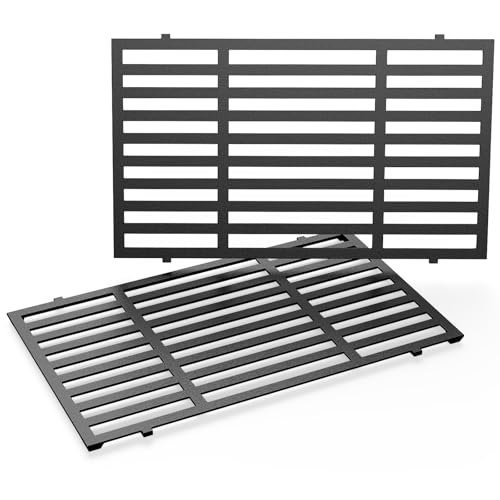
- ✓ Excellent heat retention
- ✓ Perfect fit for specific models
- ✓ Easy to clean
- ✕ Not compatible with side-mounted controls
- ✕ Heavier than typical grates
| Material | Heavy duty cast iron with matte porcelain enamel finish |
| Dimensions | 17.5 inches x 10.2 inches per grate; 17.5 inches x 20.5 inches for set of 2 |
| Number of Grates | Set of 2 |
| Heat Retention and Distribution | Excellent heat retention and even distribution due to cast iron construction |
| Durability | Resistant to chipping and rust, more durable than enameled bars |
| Compatibility | Fits Weber Spirit E210/E220 and Spirit II 200 Series gas grills (excluding side-mounted control panel models) |
There’s nothing more frustrating than flipping your burger and realizing the grate underneath isn’t holding up anymore. When I replaced my old, warped grill grates with these 17.5″ cast iron ones, it was like upgrading to a pro-level setup overnight.
The fit is spot-on for Weber Spirit E210 and E220 models from 2013-2017, and I appreciate how snugly they sit, no wobbling or shifting during grilling. The heavy-duty cast iron feels substantial in your hand, and I noticed how evenly the heat distributes across the surface.
Searing steaks or veggies gives that perfect grill mark and a crispy crust.
One thing I love is how well they retain heat. Even after a few minutes of high heat, the grates stay hot, which speeds up cooking time and improves flavor.
Plus, the matte porcelain enamel finish makes cleaning a breeze—just wipe off the residue, and they look almost brand new.
They’re durable too—no chipping or rusting like some enameled bars I’ve used before. The non-stick surface means less sticking and easier cleanup, which is a huge win after a long day of grilling.
Just double-check your grill model before ordering, but if it fits, these are a game changer for consistent, professional results.
Nexgrill 17″ Cast Iron Grill Grates for 4 & 5 Burner Models

- ✓ Durable cast iron build
- ✓ Excellent heat retention
- ✓ Produces perfect sear marks
- ✕ Needs regular seasoning
- ✕ Slightly heavy to handle
| Material | Matte cast iron |
| Dimensions | 17″ x 13 1/4″ per grate, 17″ x 26 1/2″ total |
| Number of Grates | 2-pack |
| Heat Retention | Excellent heat retention and even heating due to cast iron |
| Durability | Resistant to chipping and rust, more durable than porcelain enameled grates |
| Compatibility | Fits various 4 and 5 burner Nexgrill models, as well as select Charbroil, Expert, Cuisinart, Kenmore, Members Mark, Uberhaus, Uniflame, and K-Mart grills |
Many assume that all grill grates are basically the same, especially when it comes to cast iron. But I can tell you from handling these Nexgrill 17″ cast iron grates that not all cast iron is created equal.
The first thing you’ll notice is how sturdy these grates feel. They weigh quite a bit, which is a good sign of quality, and the matte finish gives them a sleek, no-fuss look.
Installing them is a breeze, thanks to their precise dimensions of 17″ x 13 1/4″ each, fitting perfectly on the designated Nexgrill models.
What really stands out is how evenly they heat up. I tested searing steaks, and the grill marks looked like they belonged in a restaurant.
The heat retention is impressive, meaning you won’t get hot spots or cool down sections mid-cook.
Cleaning is straightforward, too—just a quick brush, and the surface stays smooth without chipping or rusting like porcelain enameled options. Plus, those beautiful grill marks?
They stay sharp and clear, giving your food that professional look.
One thing to keep in mind: cast iron does require a bit of seasoning and care to prevent rust. But honestly, once seasoned, these grates become almost indestructible, making them a solid, long-term upgrade for your grill.
If you’re tired of flimsy, porcelain-coated grates that chip or rust quickly, these are a game-changer. They turn your grill into a professional-grade cooking station with minimal fuss.
What Are the Main Types of Grill Grate Materials?
The main types of grill grate materials are:
- Cast Iron: Cast iron grates are known for their excellent heat retention and even cooking, making them a favorite among grilling enthusiasts.
- Stainless Steel: Stainless steel grates are highly durable and resistant to rust and corrosion, providing long-lasting performance and easy maintenance.
- Porcelain-Coated Steel: These grates combine the durability of steel with a porcelain coating that prevents food from sticking and makes cleaning easier.
- Aluminum: Aluminum grates are lightweight and offer good heat conduction, making them a practical choice for portable grills.
- Carbon Steel: Similar to cast iron, carbon steel grates provide excellent heat retention but require seasoning to maintain their non-stick properties.
Cast iron grates are favored for their ability to retain heat, which helps achieve those coveted grill marks and sear meats effectively. They require regular seasoning to prevent rust and maintain their non-stick surface, and while they are heavy, their durability makes them a long-term investment for serious grillers.
Stainless steel grates are a popular choice due to their resistance to rust and corrosion, making them ideal for outdoor use. They are also easy to clean and maintain, although they may not retain heat as well as cast iron, which can affect the cooking process for certain foods.
Porcelain-coated steel grates are designed to offer the benefits of steel while minimizing food sticking, thanks to the smooth porcelain finish. They are also easier to clean than bare steel but can be prone to chipping if not handled carefully, which can expose the underlying metal to rust.
Aluminum grates are lightweight and often found on portable or smaller grills. They conduct heat well, making them suitable for quick cooking, but may not achieve the same high temperatures or sear marks as heavier materials.
Carbon steel grates, like cast iron, are excellent for heat retention and can provide a great sear. They do require regular seasoning to keep them in good condition and to prevent rust, making them a bit more maintenance-intensive but rewarding for those who enjoy the grilling process.
How Does Stainless Steel Perform as a Grill Grate Material?
Stainless steel is considered one of the best grill grate materials due to its durability, resistance to rust, and excellent heat retention.
- Durability: Stainless steel is highly resistant to wear and tear, making it a long-lasting option for grill grates. Unlike other materials, it does not warp or crack under high temperatures, ensuring consistent performance over time.
- Corrosion Resistance: One of the standout features of stainless steel is its resistance to rust and corrosion. This characteristic is particularly important for outdoor grilling, where exposure to moisture and weather can significantly affect the longevity of grill components.
- Heat Retention: Stainless steel grates excel at heat retention, allowing for even cooking and optimal searing of meats. This property helps to achieve those perfect grill marks while reducing the time needed for preheating.
- Easy Maintenance: Cleaning stainless steel grates is relatively straightforward; they can be wiped down with a grill brush or soaked in soapy water for tougher stains. This ease of maintenance contributes to the overall appeal of stainless steel as a grill grate material.
- Non-Reactive Surface: Stainless steel does not react with acidic marinades or foods, preventing any unwanted metallic taste from leaching into the food. This quality is particularly advantageous for grilling a variety of dishes without the concern of flavor alteration.
What Are the Benefits and Drawbacks of Cast Iron Grill Grates?
Cast iron grill grates offer a unique combination of benefits and drawbacks that make them a popular choice among grilling enthusiasts.
- Heat Retention: Cast iron is known for its excellent heat retention properties, allowing for consistent cooking temperatures. This means food can be grilled evenly, resulting in perfectly cooked meats and vegetables.
- Durability: When properly maintained, cast iron grill grates can last for many years, making them a long-term investment. Their robust nature means they can withstand high temperatures and frequent use without easily deteriorating.
- Non-Stick Surface: When seasoned correctly, cast iron grill grates develop a natural non-stick surface that helps prevent food from sticking. This feature makes cooking and cleaning much easier, enhancing the overall grilling experience.
- Flavor Enhancement: Cast iron grates can enhance the flavor of grilled foods by imparting a slightly smoky taste. The porous nature of cast iron absorbs oils and juices, which can enrich the flavor profile of the grilled items.
- Weight: One of the drawbacks of cast iron grill grates is their weight, making them cumbersome to handle and install. This can pose a challenge for some users, especially when trying to clean or replace them.
- Maintenance Requirements: Cast iron requires regular seasoning and careful maintenance to prevent rust and corrosion. Without proper care, these grates can deteriorate quickly, requiring more effort to keep them in good condition.
- Heat Distribution: While cast iron retains heat well, it may not distribute it as evenly as other materials like stainless steel. This can lead to hot spots on the grill, where some areas are significantly hotter than others, potentially affecting cooking results.
Why Consider Ceramic Grill Grates for Your Cooking Style?
According to a study published in the Journal of Food Science, ceramic materials are excellent insulators and retain heat more effectively than metal. This property allows for a stable cooking temperature, which is crucial for achieving optimal grilling results. The ability to maintain consistent heat helps to sear meats effectively, locking in juices and flavor, and it also allows for better cooking of delicate items like fish and vegetables.
The underlying mechanism behind the effectiveness of ceramic grates lies in their thermal properties and surface structure. Ceramic materials have a higher specific heat capacity compared to metals, meaning they can absorb and hold more heat without significant temperature fluctuations. This consistent heat distribution reduces the likelihood of hot spots, which can cause uneven cooking and burnt areas. Additionally, ceramic grates are often non-stick, which not only minimizes the need for excessive oil but also makes cleaning much easier, further enhancing the convenience of using ceramic grill grates.
What Makes Chrome-Plated Grill Grates a Unique Option?
Chrome-plated grill grates are a unique option among grill grate materials due to their distinctive properties and benefits.
- Corrosion Resistance: Chrome plating provides a protective layer that prevents rust and corrosion, making these grates more durable in various weather conditions.
- Non-Stick Surface: The smooth surface of chrome plating minimizes food sticking, which helps in easier cooking and cleanup, enhancing the grilling experience.
- Heat Retention: Chrome-plated grates can hold and distribute heat effectively, allowing for even cooking across the grill surface.
- Visual Appeal: The shiny, reflective finish of chrome-plated grates adds an attractive aesthetic to the grill, making it appealing for outdoor gatherings.
- Affordability: Compared to other high-end materials like stainless steel or cast iron, chrome-plated grates are often more budget-friendly, providing good value for occasional grillers.
Corrosion Resistance: The chrome plating forms a barrier that protects the underlying metal from moisture and elements, which is particularly beneficial for those who grill outdoors frequently. This characteristic extends the lifespan of the grates, ensuring they maintain their functionality over time.
Non-Stick Surface: The non-porous nature of chrome plating helps food release easily, reducing the chances of items like fish and vegetables falling apart when being turned or removed. This feature not only makes grilling simpler but also cuts down on the need for excessive oiling.
Heat Retention: Chrome-plated grates excel in heat retention, allowing them to reach high temperatures quickly and maintain consistent heat. This property is advantageous for searing meats and achieving grill marks while also preventing hot and cold spots during cooking.
Visual Appeal: The bright, polished look of chrome-plated grates enhances the visual aspect of any grill setup, making it a stylish choice for backyard barbecues and gatherings. This aesthetic can complement various outdoor decor styles and make grilling more enjoyable.
Affordability: One of the significant advantages of chrome-plated grates is their cost-effectiveness, making them accessible for casual grillers or those just starting out. This affordability does not compromise their performance, making them an excellent entry point for anyone looking to upgrade their grilling experience.
What Factors Should You Evaluate When Choosing Grill Grate Material?
When choosing the best grill grate material, several factors should be evaluated to ensure optimal performance and durability.
- Heat Retention: The ability of the material to retain heat is crucial for effective grilling. Materials like cast iron are known for their excellent heat retention, allowing for even cooking and the ability to sear meats effectively.
- Durability: Consider how well the material withstands high temperatures and weather conditions. Stainless steel is highly resistant to rust and corrosion, making it a durable option for long-term use, while porcelain-coated grates can chip over time but provide a non-stick surface.
- Ease of Cleaning: Some grill grate materials are easier to clean than others. Stainless steel grates typically require less maintenance and are easier to wipe down, while cast iron grates need to be seasoned and maintained to prevent rust.
- Flavor Enhancement: Certain materials can enhance the flavor of the food. For instance, cast iron grates can impart a unique flavor due to their porous surface, while stainless steel tends to have a more neutral taste.
- Weight: The weight of the grill grate can affect its stability and ease of handling. Heavier materials like cast iron provide stability but can be cumbersome, whereas lighter materials like aluminum are easier to manipulate but may not offer the same level of durability.
- Cost: The price of grill grates can vary significantly depending on the material. While cast iron and high-quality stainless steel may come with a higher initial investment, they often provide better longevity and performance compared to cheaper alternatives like chrome-plated steel.
How Important Is Heat Retention in Grilling Performance?
Heat retention is a crucial factor in grilling performance as it directly affects cooking efficiency and food flavor.
- Cast Iron: Cast iron is renowned for its exceptional heat retention and even heat distribution, making it an ideal choice for searing meats and achieving a perfect crust. It retains heat well even when cold food is placed on it, allowing for consistent cooking temperatures.
- Stainless Steel: Stainless steel offers decent heat retention, but its performance can vary based on the thickness of the material. Thicker stainless steel grates can hold heat better, ensuring that food cooks evenly, although they may not retain heat as long as cast iron.
- Porcelain-Coated Grates: Porcelain-coated grates provide a good balance of heat retention and ease of cleaning, although the coating can chip over time, affecting performance. These grates help maintain heat and prevent food from sticking, making them user-friendly for grilling.
- Aluminum: Aluminum is lightweight and heats up quickly, but it does not retain heat as well as heavier materials. This can lead to uneven cooking if the grill is not maintained properly, as it cools down quickly when food is added.
- Carbon Steel: Carbon steel combines the best of both worlds by providing excellent heat retention and a lighter weight than cast iron. It heats quickly and evenly, making it suitable for high-temperature cooking, although it requires regular seasoning to maintain its non-stick properties.
What Impact Does Durability Have on Grill Grate Selection?
Durability plays a crucial role in selecting the best grill grate material, as it affects both the longevity of the grate and the quality of grilling.
- Stainless Steel: Stainless steel is known for its resistance to rust and corrosion, making it a popular choice for durability. It can withstand high temperatures and is easy to clean, ensuring it maintains its appearance and functionality over time.
- Casting Iron: Cast iron grates are highly durable and excellent for heat retention, providing a great sear on meats. However, they require regular seasoning to prevent rust and maintain their non-stick properties, which can be a consideration for maintenance.
- Porcelain-Coated Steel: Porcelain-coated steel grates offer a balance between durability and ease of maintenance, as the coating helps prevent rust and food from sticking. Nonetheless, the coating can chip over time, which may expose the underlying steel to corrosion if not cared for properly.
- Aluminum: Aluminum grates are lightweight and resistant to rust, making them durable in various weather conditions. While they heat quickly, they may not retain heat as effectively as other materials, which can influence cooking performance.
- Carbon Steel: Carbon steel grates are sturdy and provide excellent heat conduction, similar to cast iron, but they require diligent upkeep to prevent rust. They tend to be less expensive than cast iron, offering a good alternative for those prioritizing durability without breaking the bank.
How Does Maintenance Vary Among Different Grill Grate Materials?
The maintenance required for grill grate materials varies significantly based on the type of material used.
- Stainless Steel: Stainless steel grates are known for their durability and resistance to rust and corrosion, making them relatively easy to maintain. Regular cleaning with a grill brush and occasional oiling can prevent food from sticking and maintain their luster.
- Cast Iron: Cast iron grates require more maintenance as they need to be seasoned regularly to prevent rusting and sticking. After each use, it is essential to clean them thoroughly and apply a thin layer of oil to keep the seasoning intact and protect the surface.
- Porcelain-Enamel Coated: These grates are easier to clean than cast iron but still require gentle handling to avoid chipping the enamel. Regular brushing and avoiding harsh cleaners will help maintain the coating and prevent food from sticking.
- Carbon Steel: Similar to cast iron, carbon steel grates need to be seasoned to maintain their non-stick properties and resist rust. They should be cleaned after each use and lightly oiled to maintain their condition and longevity.
- Aluminum: Aluminum grates are lightweight and resistant to rust, requiring minimal maintenance. A simple cleaning with warm soapy water after grilling is often sufficient to keep them in good shape.
What Are the Best Practices for Extending the Life of Grill Grates?
To extend the life of grill grates, consider the following best practices:
- Choose High-Quality Materials: Opt for grates made from durable materials like stainless steel, cast iron, or porcelain-coated steel.
- Season Your Grates: Regularly season cast iron grates with oil to create a protective layer that prevents rust and enhances non-stick properties.
- Clean After Each Use: Clean grates immediately after grilling while they are still warm to remove food particles and grease, which can cause corrosion over time.
- Avoid Abrasive Cleaners: Use gentle cleaning tools and solutions to avoid scratching or damaging the surface of the grates.
- Store Properly: When not in use, store your grill grates in a dry place, and cover them to protect against moisture and debris.
Choose High-Quality Materials: Selecting grill grates made from high-quality materials significantly affects their longevity. Stainless steel is resistant to rust and corrosion, while cast iron retains heat well and provides excellent searing capabilities. Porcelain-coated steel combines the benefits of steel with a non-stick surface, although it may chip if not handled carefully.
Season Your Grates: For cast iron grates, seasoning is a crucial practice that involves applying a thin layer of cooking oil and heating the grates. This process builds a protective coating that helps prevent rust and creates a natural non-stick surface, making cooking and cleaning easier. Regular seasoning can extend the lifespan of your grates significantly.
Clean After Each Use: Cleaning your grill grates after each use is essential for maintaining them in good condition. By using a grill brush or scraper while the grates are still warm, you can easily remove leftover food particles and grease. This habit not only keeps the grates clean but also prevents buildup that can lead to rust and corrosion.
Avoid Abrasive Cleaners: Using abrasive cleaners or steel wool on your grill grates can scratch and damage their surfaces, leading to a shorter lifespan. Instead, opt for softer brushes or non-abrasive pads to clean the grates gently. This approach will help preserve the integrity of the material and keep them looking new for longer.
Store Properly: Proper storage of grill grates when not in use is crucial for preventing damage. Keeping them in a dry area and covering them can protect against moisture, which can lead to rust. Additionally, removing grates from the grill and storing them in a safe place can prevent accidental damage or wear from the elements.
How Can You Safely Clean Stainless Steel Grill Grates?
To safely clean stainless steel grill grates, consider the following methods:
- Brush Cleaning: Using a grill brush specifically designed for stainless steel can effectively remove food particles and residue.
- Soapy Water: Soaking the grates in a mixture of warm water and mild dish soap helps break down grease and grime.
- Vinegar and Baking Soda: A paste made from vinegar and baking soda is a natural abrasive cleaner that can cut through stubborn stains.
- Heat Cleaning: Preheating the grill and then scraping off the residue with a scraper can simplify the cleaning process.
- Commercial Cleaners: There are various commercial grill cleaners available that are formulated to clean stainless steel without causing damage.
Brush Cleaning: Using a grill brush with stainless steel bristles ensures that you do not scratch the surface of the grates while effectively removing charred bits of food. It’s best to do this when the grill is warm, as it makes debris easier to remove.
Soapy Water: For a deeper clean, disassemble the grates and soak them in a mixture of warm water and a few drops of dish soap for about 30 minutes. This helps to loosen any stuck-on food particles making them easier to scrub away with a soft sponge or cloth.
Vinegar and Baking Soda: Combining vinegar and baking soda creates a fizzing reaction that can help lift tough stains and grease. Apply the paste to the grates and let it sit for a few minutes before scrubbing it off with a non-abrasive pad.
Heat Cleaning: This method involves turning on the grill to a high temperature for about 15 minutes, allowing any residue to burn off. After the grill cools down slightly, you can use a scraper to easily wipe away the ash and remaining particles.
Commercial Cleaners: When choosing a commercial grill cleaner, ensure it is safe for stainless steel and follow the manufacturer’s instructions for application. These products are often formulated to dissolve grease and grime effectively while being safe for food preparation surfaces.
What Maintenance Tips Are Essential for Cast Iron Grates?
To ensure the longevity and performance of cast iron grates, regular maintenance is crucial.
- Seasoning: Regularly seasoning your cast iron grates helps create a non-stick surface and prevents rust. This process involves applying a thin layer of cooking oil and heating the grates to a high temperature, allowing the oil to polymerize and form a protective layer.
- Cleansing: After each use, it’s important to clean your cast iron grates to remove food residues and prevent buildup. Use a stiff brush or scraper while the grates are still warm, and avoid using soap as it can strip the seasoning.
- Storage: Proper storage of cast iron grates can prevent moisture accumulation and rust. Store them in a dry place, and consider placing a paper towel between grates to absorb any moisture and protect the seasoning.
- Inspection: Regularly inspect your grates for any signs of damage or wear, such as cracks or chips. Addressing these issues promptly can prevent further deterioration and maintain optimal grilling performance.
- Re-seasoning: If you notice food sticking or a dull appearance, it may be time to re-season your grates. This involves cleaning them thoroughly, applying oil, and heating them again to restore the protective layer.
How Should You Care for Ceramic Grill Grates?
Caring for ceramic grill grates involves specific practices to maintain their integrity and performance.
- Regular Cleaning: It’s essential to clean ceramic grates after each use to prevent food residue from building up. Use a soft brush or sponge with warm, soapy water to avoid scratching the surface, and ensure the grates are thoroughly dried afterward to prevent any moisture from causing damage.
- Avoid Abrasive Tools: Since ceramic can be easily scratched, avoid using metal brushes or scouring pads. Instead, opt for nylon brushes or non-abrasive sponges that can effectively clean without harming the surface finish.
- Seasoning the Grates: Just like cast iron, ceramic grates can benefit from occasional seasoning. After cleaning, apply a light coat of cooking oil to the grates and heat them on the grill for a few minutes; this will help to create a non-stick surface and enhance the longevity of the grates.
- Temperature Management: Ceramic grates are sensitive to extreme temperature changes. Avoid rapid temperature fluctuations by preheating your grill slowly and not exposing the grates to cold water immediately after high-heat cooking, as this can lead to cracking.
- Storage Considerations: If you live in an area with harsh weather conditions, it’s best to store your grill with ceramic grates indoors or under a protective cover. This helps prevent exposure to moisture and temperature extremes that could compromise the integrity of the ceramic material.
How Do Different Grill Grate Materials Affect Grilling Techniques?
Different grill grate materials can significantly influence grilling techniques, heat retention, and flavor impartation.
- Cast Iron: Cast iron grates are renowned for their superior heat retention and even cooking. They can reach high temperatures, creating excellent searing marks and flavor while also maintaining heat well during cooking, which is ideal for meats and vegetables.
- Stainless Steel: Stainless steel grates are durable and resistant to rust, making them a popular choice for many grillers. They heat up quickly and are easy to clean, but they may not retain heat as well as cast iron, which can impact the searing ability of the grill.
- Porcelain-Coated: Porcelain-coated grates offer a non-stick surface that is easy to clean and helps prevent rust. However, they can be more fragile than other materials and may chip, which can affect their longevity and performance during grilling.
- Aluminum: Aluminum grates are lightweight and provide good heat distribution, making them suitable for certain grilling tasks. While they do not rust, they can warp at high temperatures and may not produce the same searing effect as cast iron or stainless steel.
- Wrought Iron: Wrought iron grates are similar to cast iron in that they provide excellent heat retention and distribution. However, they require more maintenance to prevent rusting and are typically heavier, which may not be convenient for all users.
What Type of Grill Grate is Most Effective for High-Heat Cooking?
The best grill grate materials for high-heat cooking include stainless steel, cast iron, and porcelain-coated grates.
- Stainless Steel: Known for its durability and resistance to rust, stainless steel grates are excellent for high-heat cooking as they retain heat well and distribute it evenly across the cooking surface. They are also easy to clean, which is an added advantage for frequent grillers.
- Cast Iron: Cast iron grates excel at heat retention and can produce excellent sear marks on meats due to their ability to reach and maintain high temperatures. However, they require regular seasoning to prevent rust and maintain their non-stick properties, making them a bit more maintenance-intensive compared to other materials.
- Porcelain-Coated: Porcelain-coated grates provide a non-stick surface that makes cooking and cleaning easier, and they can effectively handle high heat. However, the coating can chip over time, which may reduce their effectiveness and longevity compared to stainless steel or cast iron options.
Which Grill Grate Material Works Best for Smoking and Slow Cooking?
The best grill grate materials for smoking and slow cooking include:
- Cast Iron: Renowned for its excellent heat retention and even heat distribution, cast iron grates are ideal for slow cooking and smoking.
- Stainless Steel: Durable and resistant to rust and corrosion, stainless steel offers a balanced option with good heat conduction for smoking.
- Porcelain-Coated Steel: Combining steel’s strength with a porcelain coating, this material provides a non-stick surface that is easier to clean, making it great for smoking.
- Carbon Steel: Similar to cast iron, carbon steel retains heat well and can achieve high temperatures, making it effective for both smoking and slow cooking.
Cast iron grates are a favorite among grill enthusiasts because they absorb and retain heat exceptionally well, allowing for a consistent cooking temperature that is crucial for smoking meats. They can also develop a natural non-stick surface over time with proper seasoning, enhancing flavor during the smoking process.
Stainless steel grates are favored for their longevity and easy maintenance. While they may not retain heat as effectively as cast iron, they still provide adequate heat conduction and are less prone to rust, making them suitable for outdoor use in various weather conditions.
Porcelain-coated steel grates offer a balance between durability and easy cleaning, as the porcelain coating helps to prevent food from sticking. However, they can be more susceptible to chipping if not handled carefully, which can compromise their performance over time.
Carbon steel grates are often overlooked but offer excellent heat retention and are lightweight compared to cast iron. They can reach high temperatures quickly, making them versatile for both smoking and grilling, but they require seasoning and maintenance to prevent rusting.
How Do You Choose the Right Grill Grate Material for Your Needs?
Choosing the right grill grate material is essential for achieving optimal cooking performance and flavor.
- Stainless Steel: Stainless steel grates are known for their durability and resistance to rust and corrosion. They provide excellent heat retention and are easy to clean, making them a popular choice for many grillers.
- Cast Iron: Cast iron grates are favored for their ability to retain heat and create fantastic sear marks on food. They require regular seasoning to maintain their non-stick properties and prevent rust, but many enthusiasts appreciate the flavor they impart to grilled dishes.
- Porcelain-Coated: Porcelain-coated grates offer a smooth, non-stick surface that simplifies cleaning and prevents food from sticking. However, they can chip or crack over time, so careful handling is needed to maintain their integrity.
- Aluminum: Aluminum grates are lightweight and provide good heat distribution. While they are resistant to rust, they may not hold heat as well as cast iron, which can affect cooking performance, especially for high-heat grilling.
- Steel: Regular steel grates are cost-effective and provide good performance, but they are more prone to rust and corrosion than stainless steel options. They often require more maintenance and may need to be replaced more frequently.