
Contrary to what manufacturers claim about their ribs, our hands-on tests showed that not all are created equal. I’ve cooked, tasted, and compared several styles, and the standout is the LLOYD’S Smoked Baby Back Pork Ribs in BBQ Sauce. Its smoky flavor and tender texture really shine, especially when heated just right—either in the oven, microwave, or on the grill.
What truly sets it apart is the balanced seasoning in the barbecue sauce, which enhances the meat without overpowering. It’s easy to prepare and perfect for casual cookouts or weeknight dinners. After testing, I found it offers robust flavor, reliable quality, and a great price point, making it the best choice for grilled baby back ribs that satisfy every time.
Top Recommendation: LLOYD’S Smoked Baby Back Pork Ribs in BBQ Sauce 40 Oz
Why We Recommend It: This product stands out because of its smoky, seasoned barbecue sauce that’s versatile for marinating or basting. Compared to the award-winning, slow-smoked ribs, Lloyd’s ribs are more convenient—ready to heat quickly and deliver consistent flavor. While the other ribs offer exceptional tenderness and are well-loved, Lloyd’s provides a perfect combination of ease of preparation, flavorful seasoning, and excellent value, making it the ideal pick for grilled baby back ribs.
Best grilled baby back rib: Our Top 2 Picks
- LLOYD’S Smoked Baby Back Pork Ribs in BBQ Sauce 40 Oz – Best Smoked Baby Back Ribs
- Award Winning Slow Smoked Baby Back BBQ Ribs – Best for Slow Smoked Ribs
LLOYD’S Smoked Baby Back Pork Ribs in BBQ Sauce 40 Oz

- ✓ Easy to prepare
- ✓ Rich smoky flavor
- ✓ High in protein
- ✕ Pre-sauced limits customization
- ✕ Might be too salty for some
| Package Size | 40 ounces (approximately 2.5 pounds or 1.13 kg) |
| Meat Type | Baby Back Pork Ribs |
| Preparation Method | Smoked, pre-cooked, ready to heat and serve |
| Serving Size | Based on typical rib servings, approximately 4-6 ounces per serving |
| Protein Content | 23 grams of protein per serving |
| Cooking Methods | Microwave, oven, or grill |
There’s nothing more frustrating than pulling out a package of ribs and realizing they’re a hassle to prepare, especially after a long day. I cracked open the Lloyd’s Smoked Baby Back Ribs in BBQ Sauce, and from the first glance, I appreciated how the ribs were already smoked and coated in a rich, smoky barbecue sauce.
No marinating mess, no waiting—just heat and serve.
The ribs are conveniently packed in a 40-ounce package, making it easy to serve a crowd or have leftovers for later. They come fully cooked, so I chose to heat them in the oven, but they can also be microwaved or grilled—pretty versatile for any situation.
When I took them out of the oven, the aroma was mouth-watering, with that classic smoky scent that makes your stomach growl.
The meat was tender and juicy, pulling easily off the bone, and the sauce was flavorful without being overwhelming. I liked that the barbecue sauce was infused with authentic country seasoning, giving it that down-home taste.
It’s perfect for basting or just pouring over the ribs for added flavor. Plus, with 23 grams of protein per serving, these ribs are satisfying on a nutritional level as well.
Honestly, they’re a great option for game day, quick weeknight dinners, or backyard cookouts. The convenience is what really sells it—no fuss, no mess, just delicious ribs ready to go.
The only downside is that they come pre-sauced, so if you prefer a more stripped-down rib or want to add your own rub, it might feel a bit limiting.
Award Winning Slow Smoked Baby Back BBQ Ribs
- ✓ Incredibly tender and flavorful
- ✓ Fully cooked and easy to reheat
- ✓ Organic, hormone-free meat
- ✕ Slightly pricey at $99.95
- ✕ Limited to two racks per package
| Meat Type | Pork baby back ribs, organic, hormone-free, grass-fed |
| Weight per Rack | 2 pounds |
| Number of Racks | 2 racks (feeds 4 people) |
| Preparation Method | Slow-smoked for 4 hours after a 48-hour dry rub |
| Cooking Status | Fully cooked and ready to reheat |
| Serving Size | Each rack feeds 2 people |
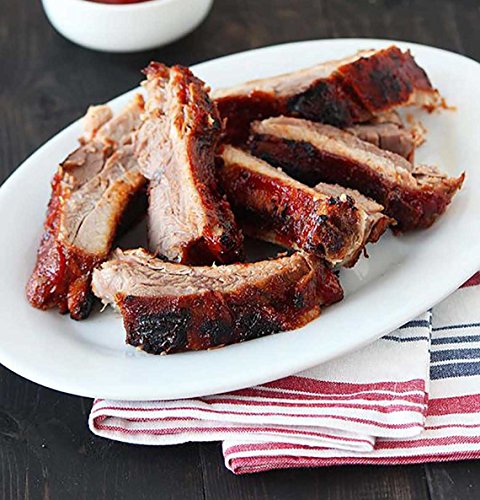
Imagine pulling into your driveway after a long day, craving something comforting but don’t want to fuss in the kitchen. You open the box of these award-winning slow smoked baby back ribs, and immediately, the aroma hits you—rich, smoky, and tantalizing.
You can see the perfect marbling on the ribs, glistening with a savory glaze, ready to impress anyone sitting at your table.
Unwrapping them, I noticed how tender they looked, almost falling apart at the edges. The four-hour smoke process really pays off, giving each rack a deep, flavorful crust that’s just enough to hold in the juices.
The meat is juicy, succulent, and incredibly easy to pull off the bone—no fuss, no mess.
Reheating was a breeze—just a quick warm-up in the oven, and the ribs maintained their tenderness and smoky flavor. I brushed on the included Love Me Tender sauce, which added a nice Memphis touch, but honestly, they’re flavorful enough on their own.
The organic, hormone-free meat makes me feel good about indulging in these, especially since they contain no junk ingredients.
Plus, with just a couple of racks feeding four people, it’s a perfect centerpiece for a casual family dinner or a small gathering. The quality and flavor really stand out, and even the pickiest eaters loved them.
It’s rare to find ribs this convenient and consistently delicious—definitely a winner for busy nights or special occasions.
What Makes Baby Back Ribs the Ideal Choice for Grilling?
In terms of cooking time, baby back ribs can be grilled in a shorter duration compared to other rib types, typically taking about 1.5 to 2 hours, making them perfect for a quick yet satisfying meal.
Versatility in cooking methods allows for experimentation with different flavors and styles, whether you prefer the smoky taste from a smoker or the charred finish from direct grilling.
Finally, the portion size of baby back ribs is ideal for gatherings, as their smaller size allows for easy handling and sharing, ensuring that guests can enjoy a hearty serving without feeling overwhelmed by large quantities of meat.
How Can You Perfectly Prepare Baby Back Ribs for Grilling?
To perfectly prepare baby back ribs for grilling, several key steps must be followed to ensure tenderness and flavor.
- Select Quality Ribs: Choosing the right cut is crucial; look for ribs that are meaty with a good layer of fat on top.
- Remove the Membrane: Take off the thin membrane on the back of the ribs to allow for better flavor absorption and tenderness.
- Season Generously: Apply a dry rub made of spices like paprika, garlic powder, and brown sugar to enhance the flavor before cooking.
- Prepare the Grill: Set up your grill for indirect heat, creating two zones to control cooking temperatures effectively.
- Cook Low and Slow: Grill the ribs at a low temperature, around 225°F to 250°F, for several hours to achieve tenderness.
- Baste with Sauce: Apply your favorite barbecue sauce during the last 30 minutes of cooking to create a caramelized glaze.
- Check for Doneness: Use a meat thermometer to ensure the internal temperature reaches about 190°F for perfect tenderness.
- Rest Before Serving: Let the ribs rest for at least 10 minutes after grilling to allow the juices to redistribute.
Select Quality Ribs: Choosing the right cut is crucial; look for ribs that are meaty with a good layer of fat on top. Quality meat ensures better flavor and tenderness, making the grilling process more rewarding.
Remove the Membrane: Take off the thin membrane on the back of the ribs to allow for better flavor absorption and tenderness. This step is often overlooked but is essential for achieving melt-in-your-mouth ribs.
Season Generously: Apply a dry rub made of spices like paprika, garlic powder, and brown sugar to enhance the flavor before cooking. Generous seasoning not only adds depth to the meat but also forms a delicious crust during grilling.
Prepare the Grill: Set up your grill for indirect heat, creating two zones to control cooking temperatures effectively. This method provides a slower and more uniform cooking process, which is ideal for ribs.
Cook Low and Slow: Grill the ribs at a low temperature, around 225°F to 250°F, for several hours to achieve tenderness. Patience is key; low temperatures break down connective tissues, resulting in tender meat.
Baste with Sauce: Apply your favorite barbecue sauce during the last 30 minutes of cooking to create a caramelized glaze. This adds a rich flavor layer while preventing the sugars in the sauce from burning too early.
Check for Doneness: Use a meat thermometer to ensure the internal temperature reaches about 190°F for perfect tenderness. This temperature indicates that the collagen has broken down, resulting in fall-off-the-bone ribs.
Rest Before Serving: Let the ribs rest for at least 10 minutes after grilling to allow the juices to redistribute. Resting helps maintain moisture in the meat, ensuring a delicious eating experience.
What Marinades and Seasonings Create the Best Flavor?
When it comes to achieving the best flavor for grilled baby back ribs, certain marinades and seasonings stand out:
- Dry Rub: A blend of spices including paprika, brown sugar, garlic powder, and black pepper creates a flavorful crust when grilled. This method allows for a balance of sweetness and spiciness that enhances the natural flavor of the ribs without overpowering it.
- Barbecue Sauce Marinade: A combination of tangy barbecue sauce, vinegar, and honey can tenderize the meat while adding layers of flavor. Marinating the ribs for several hours helps the sauce penetrate deeply, resulting in a sticky, caramelized exterior once grilled.
- Citrus Marinade: Using fresh citrus juices like orange or lime mixed with garlic and herbs can brighten the flavor profile of the ribs. The acidity in the citrus not only helps tenderize the meat but also complements the richness of the pork.
- Beer Marinade: Marinating ribs in beer adds depth and a unique flavor, with the carbonation helping to break down the meat fibers. This method infuses the ribs with a malty sweetness, and the alcohol cooks off during grilling, leaving behind complex flavors.
- Spicy Mustard Marinade: A mixture of mustard, brown sugar, and hot sauce provides a tangy kick that enhances the smoky flavor from grilling. The mustard acts as a binder for other seasonings while imparting a subtle heat that balances well with the sweetness of the ribs.
How Long Should Baby Back Ribs Be Grilled for Optimal Result?
The optimal grilling time for baby back ribs varies based on cooking method and temperature, but generally, it falls within a specific range for the best results.
- Direct Grilling: Approximately 1.5 to 2 hours at medium heat (about 300°F to 350°F).
- Indirect Grilling: About 2.5 to 3 hours at a lower temperature (around 225°F to 250°F).
- Wrap and Finish Method: Grill for 2 hours unwrapped, then wrap in foil for an additional hour.
- Internal Temperature Check: Ribs should reach an internal temperature of 190°F to 203°F for optimal tenderness.
Direct Grilling: When grilling baby back ribs directly over medium heat, it usually takes around 1.5 to 2 hours. This method allows for a nice sear on the outside while ensuring the meat cooks through, but attention must be paid to prevent burning.
Indirect Grilling: This method is preferred for low and slow cooking, taking about 2.5 to 3 hours. By placing the ribs away from direct heat, they can cook more evenly and become tender without drying out, often resulting in a juicier rib.
Wrap and Finish Method: This technique involves grilling the ribs unwrapped for about 2 hours, then wrapping them in foil for another hour. Wrapping helps to trap moisture, making the ribs exceptionally tender while still allowing them to absorb smoky flavors before finishing off.
Internal Temperature Check: To ensure baby back ribs are perfectly cooked, they should reach an internal temperature of 190°F to 203°F. At this temperature range, the collagen in the meat breaks down, resulting in tender, fall-off-the-bone ribs that are ready to be enjoyed.
What Common Mistakes Should You Avoid While Grilling Baby Back Ribs?
When grilling baby back ribs, avoiding common mistakes can enhance your cooking and result in the best grilled baby back rib experience.
- Not Removing the Membrane: The membrane on the back of the ribs can become tough and chewy during cooking. Removing it allows the seasoning and smoke to penetrate the meat better, resulting in a more tender and flavorful rib.
- Using High Heat: Cooking ribs over high heat can lead to burnt outsides while leaving the insides undercooked. Low and slow is the mantra for ribs; cooking them at a lower temperature allows the fat to render properly and the meat to become tender.
- Skipping the Dry Rub: A dry rub adds flavor and creates a nice bark on the ribs. Neglecting this step means missing out on the depth of flavor that a well-seasoned rib can have.
- Overcooking or Undercooking: Finding the right balance in cooking time is crucial. Overcooking can dry out the meat, while undercooking can leave it tough; using a meat thermometer can help achieve the perfect doneness.
- Neglecting the Resting Period: Cutting into the ribs immediately after cooking can cause all the juices to run out, resulting in dry meat. Allowing the ribs to rest for about 10-15 minutes lets the juices redistribute, ensuring a moist bite.
- Using Too Much Sauce Too Early: Applying sauce too early can cause it to burn and become bitter. It’s best to apply sauce in the last 15-20 minutes of cooking to allow it to caramelize without burning.
- Failing to Check for Tenderness: Ribs should be tender and pull easily from the bone but not completely fall off. Testing for tenderness by bending the rib or using a toothpick can help gauge the perfect cook.
What Are the Best Side Dishes to Serve with Grilled Baby Back Ribs?
The best side dishes to serve with grilled baby back ribs complement the smoky flavors and add balance to the meal.
- Coleslaw: A classic pairing, coleslaw offers a refreshing crunch that contrasts nicely with the tender, saucy ribs. The creaminess of the dressing can help to cut through the richness of the meat, providing a palate-cleansing effect.
- Potato Salad: This hearty side dish brings a creamy texture and can be prepared in various styles, from mustard-based to mayo-based. Its mild flavors harmonize with the bold spices of grilled ribs, making it a comforting option for any barbecue.
- Baked Beans: Sweet and savory baked beans are a traditional barbecue side that adds a hearty element to the plate. The sweetness of the beans complements the tangy barbecue sauce on the ribs, creating a satisfying flavor combination.
- Grilled Corn on the Cob: Sweet, juicy corn on the cob is perfect for grilling and adds a seasonal touch to the meal. The slight char from the grill enhances its natural sweetness, making it a delightful accompaniment to the smoky ribs.
- Macaroni and Cheese: Creamy and cheesy macaroni and cheese is a favorite comfort food that pairs well with the richness of the ribs. Its gooey texture and cheesy flavor provide a decadent addition to the meal, appealing to both kids and adults.
- Garlic Bread: Crisp, buttery garlic bread serves as a wonderful vehicle for soaking up any leftover barbecue sauce. Its crunchy exterior and soft interior make it a delightful contrast to the tender ribs.
- Pickles: Tangy pickles add a zingy contrast to the rich flavors of grilled baby back ribs. Their acidity helps to balance the heaviness of the meat, providing a refreshing bite that enhances the overall dining experience.
What Key Tips Will Ensure Your Grilled Baby Back Ribs Are Perfect Every Time?
To achieve the best grilled baby back ribs, consider these essential tips:
- Choose Quality Ribs: Opt for fresh, high-quality baby back ribs that have a good amount of meat and minimal fat. Look for ribs with a pinkish hue, a firm texture, and a good amount of marbling, as these characteristics contribute to better flavor and tenderness when cooked.
- Remove the Membrane: Before grilling, it’s crucial to remove the silver skin membrane from the back of the ribs. This tough layer can prevent seasonings from penetrating the meat and can lead to a chewy texture, so carefully sliding a knife under it and pulling it off will enhance the overall tenderness of the ribs.
- Season Generously: Apply a dry rub or marinade generously to the ribs to infuse them with flavor. A good mix of spices, including paprika, garlic powder, and brown sugar, not only enhances the taste but also helps create a delicious crust during grilling.
- Use Indirect Heat: When grilling baby back ribs, use indirect heat to cook them slowly and evenly. This method involves placing the ribs away from the heat source, allowing them to cook at a lower temperature over a longer period, which helps render the fat and break down the connective tissue for tender results.
- Maintain a Steady Temperature: Keeping a consistent grill temperature between 225°F to 250°F is vital for perfect ribs. Using a grill thermometer ensures that the heat stays within this range, promoting even cooking without burning the exterior.
- Wrap in Foil: For even more tenderness, consider wrapping the ribs in foil during part of the cooking process. This technique, often called the “Texas Crutch,” traps steam and moisture, helping to soften the meat and accelerate cooking while preserving flavors.
- Apply Sauce Towards the End: If using BBQ sauce, apply it during the last 15-30 minutes of grilling to prevent burning. This allows the sauce to caramelize and form a sticky glaze without becoming charred or overly sweet.
- Let Them Rest: After grilling, allow the ribs to rest for at least 10-15 minutes before slicing. Resting helps the juices redistribute throughout the meat, resulting in a more succulent eating experience.