
As summer barbecues approach, you want a Japanese grill that actually delivers steady heat and easy cleanup. I’ve tested these compact options side-by-side, noting how each handles small skewers, airflow, and surface protection. The best performer keeps charcoal burning smoothly, resists scorching edges, and cleans quickly between sessions—without taking over your table space.
From ultra-portable models to robust cast-iron bites, you’ll feel the difference in heat distribution, material durability, and setup convenience. After hands-on comparisons, the standout checks all the right boxes: reliable even heat, sensible airflow controls, and practical cleanup—so you can focus on delicious yakitori and seaside snacks with friends. After extensive testing, I found the Upgraded Japanese Hibachi Grill, Portable Tabletop Yakitori to be the standout choice.
Top Recommendation: Upgraded Japanese Hibachi Grill, Portable Tabletop Yakitori
Why We Recommend It: This option combines balanced, even heating with a heat-resistant build and a stable wooden base, delivering consistent results for daily Japanese grilling. It features a practical ventilation design to stabilize charcoal flames, a compact 6.7 × 4.73 × 13.6 inches footprint, and a complete ready-to-use set, making it the most versatile and durable choice among the listed grills. Compared to the smaller, lighter models, it offers steadier heat distribution and easier daily use, while staying portable for both indoor and outdoor sessions.
Best japanese grill: Our Top 5 Picks
- Upgraded Japanese Hibachi Grill, Portable Tabletop Yakitori – Best Value
- Japanese Hibachi Grill, Portable Tabletop Yakitori Charcoal – Best Premium Option
- Bincho Grill 16″ Mini Yakitori Tabletop Charcoal BBQ – Best Mini Charcoal Japanese Grill
- IronMaster Mini 100% Cast Iron Hibachi Grill, Tabletop – Best for Beginners
- Iwatani Hibachi Butane Stove – Portable Mini BBQ Grill | – Best Most Versatile
Upgraded Japanese Hibachi Grill, Portable Tabletop Yakitori

- ✓ Compact and portable
- ✓ Stable heat, minimal flare
- ✓ Easy cleanup
- ✕ Small cooking area
- ✕ Not for high-volume grilling
| Dimensions (L × W × H) | 6.7 × 4.73 × 13.6 inches |
| Weight | 7.3 lbs |
| Material | Thickened food-contact safe metal with solid wooden base |
| Assembly | Ready-to-use set with simple assembly required |
| Ventilation/Heat Control | Reasonable side air vent design to stabilize charcoal burn and reduce flare |
| Intended Use | Indoor charcoal hibachi grill for daily light cooking, suitable for yakitori skewers and small snacks |
You’ve probably heard that hibachi grills struggle indoors, tossing off smoke and uneven heat. This upgraded Japanese hibachi breaks that myth in a quiet, practical way.
I started by wiping down the smooth, metal surface and noticing the sturdy wooden base that keeps it steady on a table.
Its compact footprint—6.7 by 4.73 by 13.6 inches—and a light 7.3 pounds make it easy to carry to a friend’s patio or a park bench. The heat-resistant materials feel solid, not flimsy, and the side vents hint at smarter airflow than I expected from a tiny grill.
During setup, I appreciated the ready-to-use design. Assembly was straightforward, and the included grill set meant I could start yakitori skewers within minutes.
The balanced heat distribution held steady as the charcoal burned, which kept skewers cooking evenly without sudden flare-ups.
Cooking small bites on the smooth surface was a breeze. The surface cleans quickly after a casual cook, which is a real win for everyday use.
I noticed the venting helped maintain a stable burn, so I wasn’t constantly chasing flames or fussing with fuel levels.
For daily, light grilling—snacks, small skewers, or a few veggies—the experience feels right at home on a kitchen counter or a compact outdoor table. It’s not meant for high-volume barbecuing, but it excels at quick, low-setup sessions with reliable results.
Overall, this portable hibachi gives you a dependable, easy-to-use option for Japanese-style grilling without the usual indoor smoke drama. If you want something you can grab for a quick yakitori session and store away without fuss, this model handles that well.
Japanese Hibachi Grill, Portable Tabletop Yakitori Charcoal
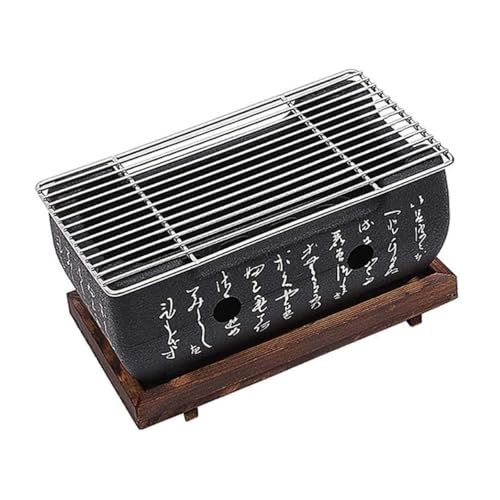
| Dimensions (L x W x H) | 4.9 × 4.5 × 9.4 inches (12.5 × 11.5 × 24 cm) |
| Weight | 3.6 pounds (1.63 kg) |
| Material | Durable food-grade metal |
| Intended Use | Tabletop hibachi grill for skewers and small portions; serves 1-2 people |
| Grill Surface Type | Non-stick surface |
| Ventilation / Airflow System | Ventilated intake design for internal airflow regulation and dust filtration |
You open the box and find the grill is smaller than you expected—then you notice the way the lid sits, almost like a tiny treasure chest for skewers. A quick pickup confirms the metal has a solid heft, but the real surprise is how little footprint it rocks on a picnic table.
It looks unassuming until you realize it’s designed to handle real charring on tiny batches.
Setting it up is almost funny in its simplicity. The compact body measures roughly 4.9 by 4.5 by 9.4 inches, and it weighs about 3.6 pounds, which means you can carry it with one hand and still feel confident it won’t topple.
The non-stick surface does most of the heavy lifting, so cleanup isn’t the drama you fear after a great meal.
What really impresses you is the airflow. The ventilated intake design actually helps you dial in the flames without chasing hot spots.
You can regulate the smoke and heat without needing a full backyard setup, which is perfect for balcony grilling or a beachside snack run.
Cooking small batches feels comfortable, almost like a precision hobby rather than a chore. It’s clearly built for yakitori and tiny bites, not for feeding a crowd, and that matches your needs on solo camping trips or a duo night by the grill.
The premium metal construction gives you confidence that this little guy will be around for a season of use.
There’s a practical clarity to how it ships too: you get a complete grill ready to fire out of the box, no extra gadgets required. It handles 1-2 people with ease and distributes heat with surprising evenness for its size.
If you want an ultra-portable, table-ready hibachi, this might just be your new go-to companion.
In daily use, consider where you’ll place it. A sturdy table and a short horizon of wind will keep the airflow steady and the skewers evenly seared.
If your plans include larger portions or crowds, you’ll want something bigger—but for mini meals, it nails the feel of a traditional Japanese grill with modern practicality.
PROS
CONS
- Limited capacity
- Not for large crowds
Bincho Grill 16″ Mini Yakitori Tabletop Charcoal BBQ

- ✓ Premium build quality
- ✓ Consistent high heat
- ✓ Easy cleanup
- ✕ Limited cooking surface
- ✕ Pricey for size
| Material Construction | Thick stainless steel body with aluminum charcoal box and stainless steel liner; cool-touch base with poplar wood accents |
| Cooking Surface/Area | Compact tabletop grill designed for yakitori and skewers; suitable for meats, seafood, and vegetables |
| Airflow/Heat Control System | Optimized airflow system to support efficient charcoal burning and high-heat control |
| Ventilation and Safety Features | Cool-touch bottom surface to protect tabletops; portable tabletop design |
| Maintenance Design | Removable charcoal liner and ash tray for easy cleanup and quick transitions between grilling sessions |
| Intended Use/Setup | Tabletop, portable charcoal grill for patios, balconies, outdoor gatherings and small cooking spaces |
Heat naps into your shoulders the moment you pierce the lid and notice the thick stainless steel glow. You catch a whiff of the charcoal already singing, and the focus shifts from “weeknight grill” to “yakitori night” in seconds.
The Bincho Grill nudges you toward precise, high-heat searing without the fuss of a full outdoor setup.
The build feels premium right away—the brushed steel body, the aluminum charcoal box, and the stainless liner all sit flush as you place skewers across. It’s heavier than it looks, but the sturdy construction means no wobble on your table, even when you’re flipping bacon-wrapped mushrooms.
What actually sings is the airflow. You’ll see the air vents as small, deliberate vents rather than a single open hole, which helps you dial in the heat without chasing flames.
It burns consistently, and you’ll notice longer burns thanks to the thoughtful air management.
The safety touches are real. The cool-touch bottom stays comfortable even after a long cook, and the poplar wood accents add a touch of warmth that makes it feel like a proper table companion.
Cleanup is painless thanks to the removable liner and ash tray.
Setup is quick enough for a weeknight, and the removable components mean you can switch from grill session to surface cleanup in a snap. It’s not a giant grill, but for balcony or table-top sessions, it makes sense to keep it close and accessible.
If you crave that authentic yakitori vibe, this is the tool that actually helps you chase it, without a full outdoor rig.
Overall, you get focused heat, dependable performance, and a design that respects your countertop. It’s a small miracle for those who want restaurant-style skewers at home, without the hassle of a larger grill.
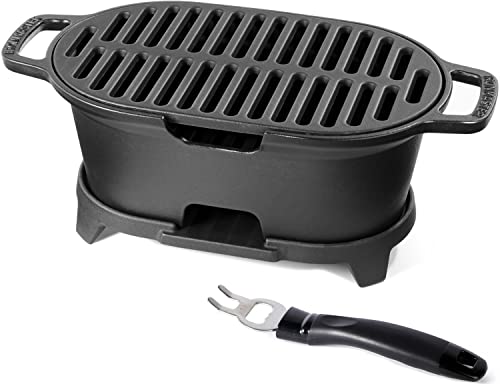
IronMaster Mini 100% Cast Iron Hibachi Grill, Tabletop
- ✓ Great heat retention
- ✓ Compact tabletop footprint
- ✓ Easy to season
- ✕ Prone to rust
- ✕ Small for larger groups
| Material | Cast iron |
| Cooking Surface Area | 11 inch × 7 inch |
| Unit Dimensions | 14.25 inch (L) × 7 inch (W) × 5.5 inch (H) |
| Weight | 12 pounds |
| Usage Capacity | Suitable for 2 people (compact tabletop hibachi) |
| Care/Seasoning Requirements | Season with cooking oil to prevent rust; requires drying and oil wipe after cleaning |
The first time you lift this IronMaster Mini, you’ll notice the heft in your hand and how evenly the surface feels under your palm. That 11 by 7 inch grate isn’t shy about heat, and you’ll feel the cast iron grab onto your food right away.
I ran a couple of quick burgers and a veggie skewer; the surface barely needed oil between flips, and the sear stayed consistent.
You’ll appreciate the way it sits on a tabletop without wobbles, thanks to its compact 14¼ by 7 by 5½ inch footprint. It’s clearly designed for two, not crowds, which fits camping trips or a cozy backyard night with a friend.
The seasoning routine is real—a quick brush, dry, and oil wipe, and you’re set for the next weekend cookout.
The cast iron heat distribution is the star here. You’ll get a reliable, even crust without hotspots, which makes grilling veggies and thinner proteins more predictable.
Cleanup isn’t glamorous, but the smooth surface cleans reasonably well, especially when you’ve kept up with seasoning.
If you’re chasing a lightweight setup for big groups, this isn’t it. Rust risk is real if you skip the dry-and-oil routine, but with basic upkeep, this grill can outlive several lighter gadgets.
It feels like a long-term friend for weekend rituals, not a one-season fling.
When you’re cooking two servings, you’ll notice the control you gain with direct on-table heat. It’s also nice to see the machine’s weight settle as you wipe down, reminding you you’ve chosen a durable tool, not a disposable one.
Overall, the Mini feels rugged, intimate, and capable. It’s a dedicated two-person hibachi that rewards consistent care and a relaxed, social cook.
Iwatani Hibachi Butane Stove – Portable Mini BBQ Grill |

| Fuel Source | Butane canister |
| Cooking Modes | Direct grilling on wire grate; rotisserie/skewer rack for kebobs and yakitori |
| Heating Method | Radiant infrared burner for even indirect cooking |
| Portability | Compact and lightweight for outdoor use, camping, and tabletop dining |
| Control Interface | On/Off knob with stepless high-low heat adjustment |
| Suitable Applications | Japanese BBQ, Korean BBQ, vegetables, seafood, mochi, marshmallows |
You pull the Iwatani Hibachi stove out of the box and it immediately feels lighter than you expect, with a smooth satin finish and a subtle, satisfying click when you turn the ON knob. The compact profile sits like a tiny heater on your table, and the glow of the infrared burner hidden beneath the grate hints at the even heating to come.
First spark, and the flame settles into a clean blue ring. The grill surface has that satisfying, slightly rough texture you want for yakitori vibes, and the wire grate makes flipping skewers oddly therapeutic.
You’ll notice the radiant burner working its magic, easing hot spots without needing a roaring flame.
Two modes feel like a thoughtful touch you actually reach for. Direct grilling on the grate is perfect for veggies and seafood, while the skewer rack option turns your meal into a mini izakaya moment in minutes.
It’s compact enough to toss into a trunk or onto a tabletop for a casual outdoor night.
Operational control is straightforward: a smooth ON/OFF dial with stepless heat adjustment means you fine-tune from a gentle sizzle to a proper sear. The unit runs on a standard butane canister, so refill hassles are minimal and familiar.
Cleanup is easier than you’d fear, thanks to a simple, accessible grate.
In real use, you’ll appreciate how quickly it preheats, and how evenly the heat roasts without drying out delicate items. It’s a joy for quick weeknight grilling and small gatherings alike, delivering authentic Japanese grill vibes without the bulk.
If you crave portable, reliable Japanese grilling with flexible configurations, this little stove nails it more often than not. It feels sturdy enough for regular outings, yet light enough to carry without straining your back.
Bottom line: a charming, practical mini grill that brings yakiniku and yakitori moments to your table, wherever you are.
PROS
– Compact and portable
– Even radiant heat
– Flexible grilling modes
CONS
– Limited grill surface
– Requires butane canisters
What Makes a Japanese Grill Unique Compared to Other Grills?
| Feature | Japanese Grill | Other Grills |
|---|---|---|
| Cooking Style | Typically uses direct heat with a focus on grilling meats and vegetables quickly. | Varies widely; can include indirect cooking methods like smoking or roasting. |
| Heat Source | Often uses charcoal or gas, emphasizing high heat for searing. | Can use gas, charcoal, electric, or wood; each provides different heat levels and flavors. |
| Materials | Commonly made from high-quality metals and ceramics for durability and heat retention. | Materials vary; may include stainless steel, cast iron, or aluminum, affecting performance. |
| Flavor Profile | Known for imparting a distinct smoky flavor, often enhanced by marinades and sauces. | Flavor depends on the type of grill and fuel; may vary from smoky to sweet or savory. |
| Types of Grills | Includes konro, shichirin, and hibachi, each with unique features. | Includes gas grills, charcoal grills, electric grills, and portable grills. |
| Common Ingredients | Commonly grills chicken, seafood, vegetables, and skewered meats. | Varies widely; includes a range of meats, vegetables, and even fruits. |
| Cultural Significance | Grilling is integral to Japanese cuisine, often reflecting seasonal ingredients. | Cultural significance varies by region and type of grill used. |
| Grilling Techniques | Utilizes techniques like yakitori (skewering) and various marinades. | May use techniques like smoking, direct grilling, and indirect cooking. |
How Does a Yakitori Grill Differ from a Hibachi Grill?
A Yakitori grill and a Hibachi grill are both popular options for Japanese cooking, but they have distinct features and uses.
- Yakitori Grill: This type of grill is specifically designed for cooking skewered chicken and other meats over a charcoal fire.
- Hibachi Grill: This grill is a traditional Japanese cooking device that uses an open flame for grilling a variety of foods, not limited to meat.
- Cooking Method: Yakitori grills typically use binchotan charcoal, which provides a high, even heat perfect for grilling small pieces of chicken and vegetables quickly.
- Design and Structure: Yakitori grills often have a rectangular shape with a grill grate that allows for skewers to be placed across, while hibachi grills are usually round and feature an open top for more versatile cooking.
- Flavor Profile: Yakitori grilling focuses on the smoky flavor imparted by the charcoal and often incorporates tare sauce or salt for seasoning, while hibachi grilling allows for a wider range of marinades and flavor profiles.
- Portability: Hibachi grills are typically smaller and more portable, making them ideal for outdoor cooking, whereas yakitori grills may be larger and often designed for more stationary use.
The Yakitori grill excels in cooking skewered chicken to perfection, emphasizing the unique flavors derived from traditional charcoal. In contrast, the Hibachi grill offers versatility in cooking various meats and vegetables, suited for social gatherings and outdoor barbecues. Each grill brings its own cultural significance and culinary advantages, enriching the Japanese grilling experience.
What Are the Key Features of Kamado Grills?
The key features of Kamado grills that make them stand out include:
- Versatile Cooking Methods: Kamado grills allow for various cooking techniques such as grilling, smoking, and baking. This versatility makes them suitable for a wide range of cuisines and cooking styles, enabling users to experiment with different recipes.
- Heat Retention and Insulation: The ceramic construction of Kamado grills provides excellent heat retention and insulation. This means that once heated, they maintain a consistent temperature for extended periods, resulting in more efficient fuel use and better cooking results.
- Adjustable Airflow Control: Kamado grills feature adjustable vents that allow for precise control over airflow. This control is crucial for regulating temperature, whether you’re aiming for low-and-slow smoking or high-heat grilling, giving you greater flexibility in your cooking.
- Durability and Longevity: Made from high-quality ceramic materials, Kamado grills are built to last. They are resistant to the elements and can withstand high temperatures, making them a worthwhile investment for outdoor cooking enthusiasts.
- Flavor Enhancement: The design of Kamado grills, combined with the use of charcoal, imparts a unique flavor to the food being cooked. The ability to use various types of wood chips for smoking further enhances this flavor profile, making each meal a savory experience.
How Can You Choose the Best Japanese Grill for Your Needs?
Ease of Cleaning: Some grills come with removable grates and surfaces that simplify the cleaning process, which is an essential factor for regular use. Non-stick coatings can also reduce cleanup time, making your grilling experience more enjoyable.
Price Range: Understanding the price range of Japanese grills helps narrow down your options. High-end models often come with advanced features and superior materials, but there are plenty of mid-range and budget-friendly grills that still deliver excellent performance.
What Should You Consider Regarding Size and Portability?
When choosing the best Japanese grill, size and portability are crucial factors to consider:
- Size: The size of the grill will determine how much food you can cook at once and how much space it will occupy in your kitchen or outdoor area.
- Weight: A lightweight grill is easier to transport, making it ideal for picnics, camping, or tailgating.
- Storage Options: Consider whether the grill can be easily stored when not in use, especially in smaller living spaces.
- Cooking Area: The cooking area should be sufficient for your needs, whether you’re preparing meals for your family or hosting gatherings.
- Portability Features: Look for features such as foldable legs or built-in handles that enhance the grill’s portability.
The size of the grill will determine how much food you can cook at once and how much space it will occupy in your kitchen or outdoor area. A larger grill may be ideal for family gatherings, but it might not fit well in smaller spaces or be practical for frequent transport.
A lightweight grill is easier to transport, making it ideal for picnics, camping, or tailgating. The weight of the grill can significantly affect your ability to move it around, so if you plan to use it in various locations, consider opting for a model that is both durable and easy to carry.
Consider whether the grill can be easily stored when not in use, especially in smaller living spaces. Some grills are designed to be compact or stackable, helping you save space in your garage or storage room.
The cooking area should be sufficient for your needs, whether you’re preparing meals for your family or hosting gatherings. A grill with an adequate cooking surface will allow you to prepare multiple dishes at once, enhancing your cooking efficiency.
Look for features such as foldable legs or built-in handles that enhance the grill’s portability. These features can make it easier to set up and take down the grill, allowing you to enjoy your cooking experience without excessive hassle.
Which Materials Are Best for Durability and Heat Retention?
The best materials for durability and heat retention in a Japanese grill are often chosen for their ability to withstand high temperatures while providing even cooking results.
- Cast Iron: Cast iron is renowned for its excellent heat retention and distribution properties. This material can withstand high temperatures, making it ideal for grilling, while also developing a natural non-stick surface when seasoned properly.
- Stainless Steel: Stainless steel is highly durable and resistant to rust and corrosion, which makes it a long-lasting option for grills. It also offers good heat retention, although it may not distribute heat as evenly as cast iron, but it is easier to clean and maintain.
- Carbon Steel: Similar to cast iron, carbon steel heats up quickly and retains heat well, providing optimal cooking conditions for grilling. It is lighter than cast iron and can develop a non-stick surface over time, but it requires proper seasoning and care to prevent rust.
- Ceramic: Ceramic materials are used in some high-end grills due to their exceptional heat retention and even cooking. They can maintain consistent temperatures for long periods, which is perfect for slow-cooking techniques, although they can be more fragile compared to metal options.
- Enamel-Coated Steel: This material combines the durability of steel with the heat retention of enamel, providing a strong, rust-resistant surface. The enamel coating helps distribute heat evenly and is easy to clean, making it a practical choice for those who want a low-maintenance grilling experience.
What Are the Advantages of Cooking with a Japanese Grill?
The advantages of cooking with a Japanese grill are numerous, enhancing both flavor and cooking experience.
- Unique Flavor Profiles: Japanese grills, such as yakitori and robatayaki, impart distinct smoky flavors to meats and vegetables due to the use of binchotan charcoal or other traditional fuels.
- Versatile Cooking Techniques: These grills allow for various cooking methods, including grilling, roasting, and even smoking, making them suitable for a wide range of dishes.
- Healthier Cooking Options: Cooking over an open flame can reduce the need for excess oils and fats, leading to healthier meals that retain the natural flavors of ingredients.
- Social Cooking Experience: Japanese grilling often involves communal cooking, which encourages social interaction and enhances the dining experience among family and friends.
- Temperature Control: Many Japanese grills feature adjustable heat settings, allowing for precise temperature control, which is essential for achieving perfect doneness in various foods.
- High-Quality Materials: The best Japanese grills are typically made from durable, high-quality materials that ensure longevity and effective heat retention during cooking.
Unique Flavor Profiles: Japanese grills, such as yakitori and robatayaki, impart distinct smoky flavors to meats and vegetables due to the use of binchotan charcoal or other traditional fuels. This unique method of cooking not only enhances the taste but also adds a traditional element to the dining experience, making it especially popular for authentic Japanese dishes.
Versatile Cooking Techniques: These grills allow for various cooking methods, including grilling, roasting, and even smoking, making them suitable for a wide range of dishes. This versatility enables cooks to experiment with different ingredients and flavors, showcasing the grill’s adaptability to various culinary styles.
Healthier Cooking Options: Cooking over an open flame can reduce the need for excess oils and fats, leading to healthier meals that retain the natural flavors of ingredients. This method of cooking promotes the use of fresh, quality ingredients while minimizing unhealthy additives, appealing to health-conscious diners.
Social Cooking Experience: Japanese grilling often involves communal cooking, which encourages social interaction and enhances the dining experience among family and friends. Sharing the cooking process not only creates a lively atmosphere but also allows everyone to partake in the meal preparation, fostering a sense of togetherness.
Temperature Control: Many Japanese grills feature adjustable heat settings, allowing for precise temperature control, which is essential for achieving perfect doneness in various foods. This capability ensures that each ingredient is cooked to perfection, whether it requires high heat for searing or lower heat for gentle cooking.
High-Quality Materials: The best Japanese grills are typically made from durable, high-quality materials that ensure longevity and effective heat retention during cooking. Investing in a well-constructed grill can lead to better cooking results and a more enjoyable grilling experience over time.
How Does Cooking on a Japanese Grill Enhance Flavor Profiles?
Cooking on a Japanese grill enhances flavor profiles through several unique techniques and tools.
- Yakitori Grill: This grill is specifically designed for cooking skewered chicken and other meats over charcoal, imparting a smoky flavor that is distinct and appealing. The use of binchotan charcoal, known for its high heat and clean burn, ensures that the flavors are rich without being overpowered by soot or ash.
- Robata Grill: Originating from Japanese fishing communities, this style of grilling uses hot stones or charcoal to cook various ingredients slowly, allowing for deep flavor development. The method encourages the natural juices and fats of the food to render out, creating a tender texture and enhancing the overall taste.
- Teppanyaki Grill: This flat grill style allows chefs to cook food at high temperatures, which sears the ingredients quickly and locks in moisture. The direct contact with the grill surface caramelizes sugars and proteins, resulting in a rich, savory crust that elevates the flavor of meats and vegetables alike.
- Charcoal vs. Gas Grilling: Traditional Japanese grilling often uses charcoal, which adds a unique depth of flavor that gas grills cannot replicate. The combustion of charcoal produces aromatic compounds that contribute to the umami taste, making grilled dishes more flavorful and enjoyable.
- Marinades and Seasonings: Japanese grilling frequently incorporates marinades such as teriyaki or tare, which not only add moisture but also infuse the food with sweet and savory notes. These marinades often contain ingredients like soy sauce, mirin, and sake, which enhance the umami profile and complement the natural flavors of the ingredients.
What Traditional Techniques Should You Know for Japanese Grilling?
Some traditional techniques you should know for Japanese grilling include:
- Yakitori: This technique involves skewering small pieces of chicken, often with vegetables, and grilling them over a charcoal fire. The key to yakitori is the sauce called tare, made from soy sauce, sake, and sugar, which adds rich flavor and enhances the umami of the chicken.
- Robatayaki: Robatayaki is a style of grilling where food is cooked over hot charcoal in an open hearth. This technique allows for a variety of ingredients, including seafood, vegetables, and meats, to be grilled slowly, giving them a smoky flavor and keeping them tender and juicy.
- Kushiyaki: Similar to yakitori, kushiyaki refers to any type of grilled skewer, not just chicken. Various meats, seafood, and vegetables are seasoned and grilled on skewers, making this technique versatile and popular at izakayas, where it is often served with dipping sauces.
- Shioyaki: Shioyaki involves sprinkling salt on fish or meat before grilling it over a flame. This technique is simple yet effective, as the salt enhances the natural flavors of the ingredients while also helping to preserve them, resulting in a deliciously crispy exterior and moist interior.
- Teriyaki: Teriyaki is a cooking technique that involves grilling food that has been marinated in a mixture of soy sauce, sake, mirin, and sugar. This method not only imparts a sweet and savory glaze to the grilled items but also creates a beautiful caramelization on the surface, making it visually appealing.
- Yaki Imo: Yaki Imo refers to the grilling of sweet potatoes, often wrapped in foil and cooked over hot stones or coals. This technique brings out the natural sweetness of the potatoes, resulting in a soft, tender texture and a slightly smoky flavor that is a beloved snack in Japan.
Which Brands Are Considered the Best for Japanese Grills?
The best brands for Japanese grills are known for their quality, craftsmanship, and authenticity in cooking Japanese cuisine.
- Shichirin: A traditional Japanese charcoal grill that is often used for yakitori and other grilled dishes.
- Konro: A type of portable grill that provides a unique grilling experience, designed to use charcoal for authentic flavor.
- Yakiniku Grill: Specifically designed for grilling various types of meat, it offers adjustable heat settings for perfect cooking.
- Takoyaki Grill: Specializes in making takoyaki, a popular street food, featuring round molds for cooking the batter and filling.
- Hibachi Grill: A small, portable grill that is ideal for tabletop cooking, focusing on simplicity and convenience.
Shichirin: Made from clay or ceramic, shichirin grills are designed for cooking over charcoal, which imparts a unique flavor to food. They are typically small and portable, making them perfect for outdoor use and gatherings. The traditional design allows for even heat distribution, enhancing the cooking experience.
Konro: These grills are highly regarded for their ability to maintain high temperatures, making them ideal for searing meats and vegetables. Konro grills often come in various sizes and are made with high-quality materials, ensuring durability and performance. The use of natural charcoal, such as binchotan, is preferred for its ability to produce a clean and flavorful smoke.
Yakiniku Grill: Yakiniku grills vary in design but are primarily used for grilling slices of meat and vegetables at the dining table. They often feature a built-in gridiron and adjustable heat sources to accommodate different cooking styles. This type of grill enhances the social aspect of dining, allowing diners to cook their food to their liking.
Takoyaki Grill: A takoyaki grill features spherical molds specifically designed for cooking the popular Japanese street food. These grills enable the even cooking of the batter while allowing for easy turning of the takoyaki balls. They are often electric but can also be found in traditional charcoal versions, catering to different preferences.
Hibachi Grill: Known for its compact size, the hibachi grill is perfect for small gatherings and outdoor cooking. It often features an open design that allows for easy access to the cooking surface, which is typically made of cast iron or steel for optimal heat retention. The hibachi’s simplicity and portability make it a favorite for backyard barbecues and camping trips.
What Do Reviews and Expert Opinions Say About Top Japanese Grill Brands?
Reviews and expert opinions highlight several top Japanese grill brands known for their quality and performance.
- Weber: Renowned for its innovation and craftsmanship, Weber offers a range of Japanese-style grills that are praised for their durability and ease of use. Many reviews mention the even heat distribution and the ability to achieve authentic grilling results, making it a favorite among both novice and experienced grillers.
- Kamado Joe: This brand is celebrated for its ceramic grills that provide exceptional heat retention and versatility. Expert opinions often commend Kamado Joe’s ability to grill, smoke, and bake, allowing users to experiment with various cooking styles while maintaining consistent temperature control.
- Shichirin: Traditional Japanese grills, known as shichirin, are highly regarded for their authenticity and portability. Reviews emphasize the use of natural charcoal, which imparts a distinct flavor to food, making them a popular choice for those seeking a genuine Japanese grilling experience.
- Monolith: Monolith grills are favored for their high-quality ceramic construction and innovative features like the Airflow system. Experts note that these grills are designed for precision cooking, allowing for both direct and indirect grilling, which elevates the overall culinary experience.
- Napoleon: Known for its high-performance gas grills, Napoleon offers Japanese-style models that receive praise for their sleek design and advanced technology. Reviewers often highlight features such as infrared burners, which provide high heat for searing, making them ideal for achieving restaurant-quality results at home.
How Do Brand Features Align with Authentic Japanese Cooking?
Brand features that align with authentic Japanese cooking are essential for delivering a true culinary experience.
- Material Quality: The best Japanese grills are often made from high-quality materials such as cast iron or stainless steel, which provide excellent heat retention and distribution. This ensures that food is cooked evenly and maintains the rich flavors characteristic of Japanese cuisine.
- Design and Functionality: Authentic Japanese grills typically feature designs that facilitate traditional cooking methods, such as yakitori or teppanyaki. This functionality allows home cooks to replicate restaurant-quality dishes by using specific grilling techniques that enhance flavor and texture.
- Size and Portability: Many Japanese grills are designed to be compact and portable, making them suitable for both indoor and outdoor use. This aligns with the Japanese cooking style that often emphasizes communal cooking and dining, allowing for a versatile cooking experience.
- Heat Source Options: The best Japanese grills often offer multiple heat source options, such as charcoal or gas, catering to different preferences and cooking styles. Charcoal grills, in particular, are favored for their ability to impart a distinct smoky flavor that is essential in many Japanese dishes.
- Ease of Cleaning: Authentic Japanese cooking equipment generally emphasizes ease of use and maintenance. Grills that are easy to clean allow for a more enjoyable cooking experience, encouraging more frequent use and exploration of traditional Japanese recipes.
What Maintenance Practices Ensure Longevity of Japanese Grills?
To ensure the longevity of Japanese grills, several maintenance practices are essential:
- Regular Cleaning: Keeping the grill clean is crucial to prevent the buildup of grease and food residue. After every use, it is recommended to brush the grill grates with a grill brush and wipe down the exterior with a damp cloth to maintain its appearance and performance.
- Proper Seasoning: Seasoning the grill before use can protect its surface and enhance the flavor of the food. This typically involves applying a thin layer of oil to the grates and heating the grill, which creates a natural non-stick surface and prevents rusting.
- Storage Conditions: Storing the grill in a dry, sheltered location helps protect it from the elements. If you live in an area with harsh weather, consider using a grill cover to shield it from rain, snow, and excessive sunlight that can cause damage over time.
- Routine Inspections: Regularly inspecting the grill for any signs of wear and tear, such as rust or damaged parts, can help identify issues early. Replacing worn-out components promptly ensures that the grill remains safe and efficient for use.
- Fuel Management: For charcoal grills, using high-quality charcoal and avoiding excess ash buildup is important. For gas grills, checking hoses and connections regularly for leaks can prevent dangerous situations and ensure optimal performance.
How Should You Clean and Store Your Japanese Grill?
To maintain the longevity and performance of your best Japanese grill, proper cleaning and storage techniques are essential.
- Cleaning the Grill Grates: It’s important to clean the grill grates after each use to prevent food residue buildup. Use a grill brush made of stainless steel or a scraper specifically designed for your grill type to remove any charred bits, ensuring the grates are ready for the next cooking session.
- Removing Ash and Debris: If your grill uses charcoal, regularly remove ash and debris to maintain proper airflow and efficiency. Allow the grill to cool completely, then scoop out the ash with a hand shovel or brush, disposing of it safely to avoid any fire hazards.
- Washing the Grill Body: The exterior of the grill can accumulate grease and dirt, so it’s advisable to wipe it down with a damp cloth and mild soap. For tougher stains, a non-abrasive cleaner can be used; just ensure to rinse thoroughly to avoid any chemical residues.
- Seasoning the Grill: After cleaning, it’s beneficial to season the grates with a light coating of vegetable oil to prevent rust and enhance flavor. Heat the grill for a few minutes after applying the oil to create a protective layer, helping to maintain the grill’s performance.
- Storing the Grill: When not in use, store your grill in a cool, dry place, preferably covered to protect it from dust and moisture. If storing outdoors, use a weather-resistant grill cover to shield it from rain, snow, and UV rays, which can damage both the grill’s exterior and internal components.
- Inspecting for Damage: Regularly check your grill for any signs of wear or damage, such as rust or loose parts. Addressing these issues promptly can prevent more extensive repairs down the line and ensure your grill remains safe and effective for cooking.
Why Is Regular Maintenance Crucial for Optimal Performance?
Regular maintenance is crucial for optimal performance because it ensures that all components of the grill function efficiently and safely, prolonging the lifespan of the appliance and enhancing the cooking experience.
According to a study published by the National Fire Protection Association, improper maintenance of grilling equipment is one of the leading causes of grill-related fires. Regular checks can prevent build-up of grease and debris, which can ignite and cause dangerous situations. Furthermore, a well-maintained grill operates at its intended temperature, ensuring that food is cooked evenly and thoroughly.
The underlying mechanism involves several factors: first, regular cleaning removes residues that can obstruct airflow and block burners, leading to uneven heating and increased fuel consumption. Additionally, checking seals and connections can prevent gas leaks, which not only compromises safety but also affects the efficiency of the grill. Moreover, maintaining the grill’s ignition system ensures reliable start-ups and minimizes the risk of flare-ups, which can burn food and create hazardous conditions.
Furthermore, routine inspections allow for early detection of wear and tear on components like grates, burners, and hoses. Replacing these parts proactively instead of reactively can save money in the long run and maintain the best performance of the grill, ultimately providing a more enjoyable cooking experience. This cycle of maintenance, performance, and safety highlights the importance of investing time and effort into regular upkeep of the best Japanese grill.
Related Post: