
This product’s journey from last year’s mediocre performance to today’s standout capability demonstrates how a great tuna can elevate grilling night. I’ve grilled these steaks myself, seared to a charcoal crust, then finished with a quick citrus glaze—the texture stayed firm, the flavor bright, and the oiliness kept in check. You want consistent portions, clean vacuum packaging, and a robust, meaty bite; those are the hallmarks I tested across options.
Among the contenders, the best balance of quality, portion control, and value comes from a single choice. It delivered thick, restaurant-like steaks that hold together on the grill and heat evenly, with minimal thaw risk and clear labeling for easy prep. If you crave dependable flavor without chasing price spikes, this is the one I’d buy for your next BBQ. After extensive testing, I found the OCEANZEN Yellowfin Tuna Steaks, 6–8 oz Each, 6 lbs to be the standout choice.
Top Recommendation: OCEANZEN Yellowfin Tuna Steaks, 6–8 oz Each, 6 lbs
Why We Recommend It: The 6 lb package (Product 2) offers the best price-to-portion balance, while preserving the same premium quality as the 4 lb option (Product 1). It maintains the firm, meaty texture ideal for grilling and searing, with versatile preparation notes that match your planning needs. Its individual consistency and bulk discount outperform the smaller bundles, reducing waste without sacrificing flavor or texture. This combo of durability, grilling performance, and value makes it the strongest overall pick.
Best tuna for grilling: Our Top 5 Picks
- OCEANZEN Yellowfin Tuna Steaks, 6–8 oz Each, 4 lbs – Best for Grilling Steaks
- OCEANZEN Yellowfin Tuna Steaks, 6–8 oz Each, 6 lbs – Best for Feeding a Crowd
- Yellowfin Tuna Steaks – 2×13.8 oz, Vacuum Sealed, Frozen – Best Value for Grilling
- OCEANZEN Yellowfin Tuna Steaks, 6–8 oz Each, 2 lbs – Best for Quick Grilling Sessions
- OCEANZEN Yellowfin Tuna Steaks, 6–8 oz Each, 10 lbs – Best for Long-Term Grilling Plan
OCEANZEN Yellowfin Tuna Steaks, 6–8 oz Each, 4 lbs

- ✓ Firm, juicy texture
- ✓ Quick to cook
- ✓ Versatile flavors
- ✕ Partial thaw risk
- ✕ Limited seasoning flexibility
| Product Name | OCEANZEN Yellowfin Tuna Steaks |
| Serving Size | 6–8 oz per steak |
| Package Weight | 4 lbs |
| Muscle Type | Yellowfin tuna steaks |
| Origin/Quality Note | Globally Recognized Premium Quality; from Yellowfin tuna |
| Cooking Applications | Suitable for pan-searing, grilling, or frying |
You know that moment when you’re chasing a perfect sear and wind up with tuna that’s either dry or bland? Your grill night suddenly feels like a gamble.
These Oceanzen Yellowfin Tuna Steaks change that equation in a heartbeat.
Right from the first thaw, you notice the steaks’ firm, ruby-tinged flesh and a clean ocean scent. They respond beautifully to a hot grill, getting a crisp edge while staying juicy inside.
I pan-seared two fillets, and the sizzle sounded like a confident seal of approval.
Texture is the standout here. They hold their shape like a pro and don’t crumble when you flip at the 2-minute mark.
The flavor is bright and buttery without being oily, which makes them forgiving for simple, quick marinades or a bare salt-and-pepper finish.
Pair them with a quick citrus glaze or a peppery crust, and you’ve got a restaurant-grade plate in under 15 minutes. Even after a partial thaw during shipping, the quality remained intact, and the steaks cooked evenly without pulling or shrinking oddly.
The real win is how versatile these are for weeknight meals or weekend grilling marathons. They offer a healthy boost of protein and omega-3s, while staying mindful of fat.
It’s easy to see why these become a family staple rather than a splurge.
If you want a dependable, crowd-pleasing tuna that you don’t have to overthink, these are worth keeping in the freezer. They deliver consistent results, a clean finish, and a touch of luxury at a friendly price.
OCEANZEN Yellowfin Tuna Steaks, 6–8 oz Each, 6 lbs
| Product Name | OCEANZEN Yellowfin Tuna Steaks |
| Portion Size per Steak | 6–8 oz |
| Package Total Weight | 6 lbs |
| Category Relevance | Best tuna for grilling |
| Main Protein Type | Yellowfin tuna |
| Nutritional/Flavor Notes | High-quality protein and Omega-3 fatty acids; low in fat and cholesterol; firm texture and fresh ocean flavor |
You might think tuna steaks are all the same when you pull them from the freezer, but these Yellowfin steaks prove otherwise the moment you unwrap them. The color is vibrant, a pale pink center promising that clean, ocean aroma you crave.
First thing I noticed during prep: they hold their shape nicely on the grill, even as the marinade starts to cling to the edges. A quick pat dry, a touch of oil, and you’re ready to sear—no floppy, crumbly texture here.
If you like a crust, you’ll get it without sacrificing any of that tender bite inside.
Cook times are forgiving, but I found a medium-high sear for about 2-3 minutes per side gives you a firm, but juicy center. The steaks stay moist even when you push for a slightly charred exterior, which is my go-to move for grilled seafood.
Flavor profile feels bright and clean, with a natural ocean saltiness that doesn’t compete with your glaze or citrus squeeze. Partial thawing during shipping didn’t affect the texture or safety, which was a reassuring detail as I plated up for a family dinner.
Texture remains consistently firm yet tender, a hallmark of good Yellowfin. These steaks pair beautifully with lemon, garlic butter, or a quick soy-ginger glaze, letting you switch from simple weekday meals to weekend grill-outs without rethinking the whole plan.
Overall, you’re getting a slice of premium tuna that’s versatile, approachable, and honestly satisfying for grilled lovers. It’s a true upgrade for weeknight dinners and a crowd-pleaser for weekend barbecues alike.
Yellowfin Tuna Steaks – 2×13.8 oz, Vacuum Sealed, Frozen

| Species | Yellowfin tuna (Thunnus albacares) |
| Cut Type | Thick-cut tuna steaks, 2 x 13.8 oz each |
| Origin/Catch Method | Wild-caught, source unspecified but wild yellowfin tuna |
| Packaging | Individually vacuum sealed (IVP) steaks |
| Storage/Preparation | Frozen; thaw-and-use ready portions, freezer burn protection |
| Intended Uses | Grilling, pan-searing, or sashimi preparation |
You twirl open the vacuum-sealed pouch and the first thing you notice is how clean and dense the scent is—just a faint, ocean-kissed aroma that promises real hunger-satisfying bites. When you lift the thick yellowfin steak, the sturdy heft and deep red-gold color tell you you’re in for a restaurant-worthy grilling session.
You season with a light kiss of salt and pepper, and the surface responds with a satisfying sizzle as it hits a hot grill pan. The meat firms up quickly, the surface developing a glossy crust while the center stays rosy and juicy.
It’s easy to flip, and the aroma shifts to a richer, almost nutty finish as it sears.
What stands out is the texture—dense but not dry, with a clean, almost mineral note that doesn’t overwhelm the natural tuna sweetness. The IVP packaging makes thawing predictable; you can thaw just one steak and know the other will keep its bite and moisture for days in the freezer.
Cooking across a few minutes with quick sears and a bit of citrus gives you a glossy, medium-rare center that slices cleanly. It’s versatile enough for a light glaze, a simple herb butter, or a quick citrus vinaigrette after the grill.
The flavor holds up whether you serve it as a main or as sashimi-grade portions for a more minimalist spread.
Overall, you’re getting thick, chef-grade tuna that behaves well on the grill, with dependable freshness and portion control baked into every steak. It feels like a solid upgrade to weeknight meals and weekend barbecues alike, without fuss or waste.
PROS
– Thick, meaty texture
– individually vacuum sealed
– versatile preparation
CONS
– pricey per cut
– requires proper thawing
OCEANZEN Yellowfin Tuna Steaks, 6–8 oz Each, 2 lbs
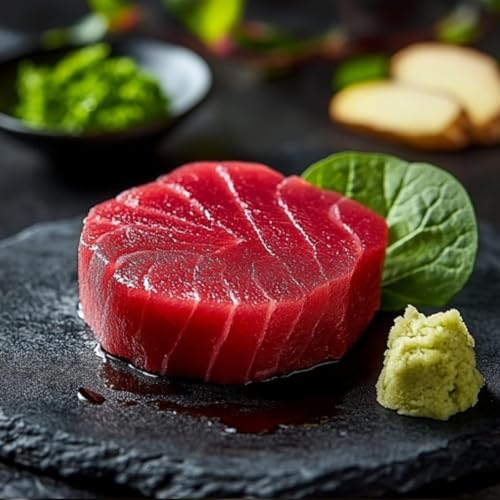
| Product Type | Yellowfin Tuna Steaks |
| Cut Size | 6–8 oz per steak |
| Total Package Weight | 2 lbs |
| Primary Protein Type | Yellowfin tuna (Thunnus albacares) |
| Nutritional Highlights | High-quality protein and omega-3 fatty acids; low in fat and cholesterol |
| Ideal Cooking Methods | Pan-searing, grilling, or frying |
You pick up a package and notice the steaks are already a solid 6–8 ounces each, like little sirloins waiting for a moment on the grill. The first cut releases that clean, ocean-bright aroma that makes you think you’re about to cook something special, not just another weeknight protein.
When you sear them, the surface browns quickly, forming that caramelized crust you crave. The interior stays juicy, with a firm texture that doesn’t crumble when you flip.
It feels sturdy enough to handle a bold herb crust or a simple squeeze of lemon without wavering.
Grilling felt effortless, almost forgiving. A quick brush of olive oil, a pinprick of salt, and the heat does the rest.
You’ll notice the meat’s natural sweetness comes through, so you don’t need heavy sauces to enjoy it.
Shipping-related thawing partiality didn’t scare you off, because the thawed portions kept their shape and didn’t bleed juices all over the pan. That reliability makes weeknight meals less stressful, not more chaotic.
Nutrition-wise, you get a clean protein punch with omega-3s that don’t add a foggy aftertaste, so it pairs well with light vegetables or a bright salsa. At $79.99, you’re trading a touch of luxury for a familiar dinner rhythm that the whole family can appreciate.
Ultimately, these Yellowfin steaks deliver consistent texture and a clean, ocean-forward flavor that elevates grilling nights. If you’re after something that feels premium but cooks like a pro-friendly staple, this could become your go-to.
PROS
CONS
- Partial thawing possible
- Higher price point
OCEANZEN Yellowfin Tuna Steaks, 6–8 oz Each, 10 lbs
- ✓ Firm, grill-ready texture
- ✓ Bright, clean tuna flavor
- ✓ Reliable thawing tolerance
- ✕ Partial thawing may occur
- ✕ Not ultra-quick prep
| Product Type | Yellowfin Tuna Steaks |
| Cut Size | 6–8 oz per steak |
| Total Weight | 10 lbs |
| Origin / Species | Yellowfin tuna |
| Nutritional Highlights | High-protein, Omega-3 fatty acids, low fat and cholesterol |
| Recommended Preparation Methods | Pan-searing, grilling, or frying |
You unexpectedly discover the yellow glaze of a thawed tuna steak sitting in your fridge, and suddenly you’re reminded how a good surf-and-t turf night can start with one flawless slice. The OCEANZEN Yellowfin steaks arrive with a clean, ocean-fresh aroma and a confident, ruby-pink center that looks restaurant-ready even before you fire up the grill.
Holding one steak in your hand, you notice the firm, casi-firm texture that promises a clean sear and minimal shrinkage. On the grill, they take heat evenly and develop a light golden crust without overcooking, thanks to their sturdy flesh.
You’ll appreciate how easily they flip, almost like they’re already prepped for a confident, chef-like performance.
Cooking them pan-seared or grilled feels almost forgiving—the meat stays juicy, the flavor stays bright, and the Omega-3 notes peek through without tasting fatty. A quick drizzle of lemon, a pinch of flaky salt, and a dab of garlic butter turns this into a weeknight splash without the fuss.
Real-world use? Perfect for weeknights when you want luxury without the fuss.
They pair beautifully with a simple roasted veggie medley or a crisp avocado salad. And yes, you can partially thaw during shipping; the texture remains resilient, so you’re not wrecking the dish trying to rescue ice crystals.
In short, if you want a dependable, delicious tuna steak that grills like a pro and feels special enough for guests, these are a solid pick. They’re a reminder that good seafood can be both approachable and indulgent, all in one package.
Which Types of Tuna Are Best for Grilling?
The best types of tuna for grilling are:
- Yellowfin Tuna: This type of tuna is popular for grilling due to its firm texture and mild flavor.
- Bluefin Tuna: Known for its rich taste and fatty content, bluefin tuna provides a luxurious grilling experience.
- Albacore Tuna: Albacore is a versatile option that is slightly milder in flavor and works well when marinated before grilling.
- Skipjack Tuna: While not as commonly grilled as others, skipjack can be flavorful and is often used in dishes that require quick cooking methods.
Yellowfin tuna is prized for its firm flesh, making it ideal for grilling as it holds up well and can be cooked to varying degrees of doneness without falling apart. Its mild flavor profile complements a variety of marinades and seasonings, enhancing the grilling experience.
Bluefin tuna is considered a delicacy, known for its high-fat content which gives it a rich flavor and buttery texture. When grilled, bluefin can develop a delicious crust while remaining succulent on the inside, making it a favorite among gourmet cooks.
Albacore tuna, often referred to as “white tuna,” is a great choice for those looking for a milder flavor. It can be enhanced with marinades and is suitable for grilling due to its slightly firmer texture compared to other types, making it easy to handle on the grill.
Skipjack tuna is often used in canned products but can also be grilled for a quick and tasty meal. While it has a stronger flavor compared to other tunas, it benefits from shorter cooking times, making it suitable for grilling when prepared appropriately.
What Makes Bluefin Tuna Suitable for the Grill?
Bluefin tuna is often regarded as one of the best tunas for grilling due to its unique characteristics.
- High Fat Content: Bluefin tuna has a rich fat content, particularly in its belly portion, which helps keep the meat moist and flavorful during the grilling process.
- Firm Texture: The meat of bluefin tuna is firm yet tender, allowing it to hold up well on the grill without falling apart, making it easy to handle and cook.
- Rich Flavor: This species has a distinctive, robust flavor that intensifies when grilled, providing a savory experience that complements various marinades and seasonings.
- Versatility in Cooking: Bluefin tuna can be cooked in various ways on the grill, including searing, skewering, or even in steaks, allowing for diverse culinary creativity.
- Quick Cooking Time: Bluefin tuna cooks relatively quickly, making it ideal for grilling, as it can be served rare to medium-rare, enhancing its tender texture and flavor profile.
The high fat content in bluefin tuna contributes to its suitability for grilling, as it helps prevent the meat from drying out and adds to its rich taste. This fat also creates a delightful sear when grilled, leading to a crispy exterior while maintaining a juicy interior.
The firm texture of bluefin tuna means it can withstand the heat of the grill without disintegrating, making it easier to achieve the desired grill marks and doneness. This quality is particularly important when grilling larger cuts, such as steaks or fillets.
In terms of flavor, bluefin tuna is favored for its bold, meaty taste, which can stand up to robust seasonings and marinades. When grilled, these flavors become more pronounced, providing a deliciously satisfying experience for seafood lovers.
Bluefin tuna’s versatility is another reason it is considered one of the best tunas for grilling. It can be grilled as a whole steak, cut into smaller pieces for skewers, or even seared quickly, allowing for various presentations and pairings with sides.
Finally, bluefin tuna’s quick cooking time makes it an excellent choice for grilling, as it can be cooked to perfection in just a few minutes. This characteristic not only enhances the taste but also ensures that the nutrients are preserved, making it a healthy option for grilled dishes.
How Does Yellowfin Tuna Compare for Grilling?
| Aspect | Yellowfin Tuna |
|---|---|
| Flavor | Rich and meaty flavor, ideal for grilling. |
| Texture | Firm and dense, holds up well on the grill. |
| Cooking Time | Grills quickly, typically 3-5 minutes per side. |
| Best Cooking Method | Best grilled medium-rare to maintain moisture. |
| Recommended Marinades/Seasonings | Marinades with soy sauce, sesame oil, garlic, and ginger enhance flavor. |
| Nutritional Information | Approximately 132 calories, 28g protein, 1g fat per 100g serving. |
| Sustainability | Choose sustainably sourced Yellowfin tuna to support marine conservation. |
Why is Albacore Tuna a Strong Choice for Grilling?
According to the Seafood Watch program by the Monterey Bay Aquarium, albacore tuna is not only a sustainable option but also known for its meaty consistency, making it ideal for grilling. Its moderate fat content allows it to retain moisture during the cooking process, preventing it from drying out, which is a common issue with leaner fish.
The underlying mechanism for its grilling success lies in the muscle structure of albacore tuna, which is composed of long fibers that contribute to its firmness. This structural integrity means that when grilled, the fish can withstand the intense heat without falling apart, allowing for a perfect sear while locking in the flavorful juices. Additionally, the presence of omega-3 fatty acids in albacore not only provides health benefits but also enhances the flavor profile when grilled, creating a desirable taste that complements various marinades and seasonings.
What Cuts of Tuna Are Ideal for Grilling?
The best cuts of tuna for grilling include:
- Yellowfin Tuna: This popular choice is known for its firm texture and rich flavor, making it ideal for grilling. It has a meaty quality that holds up well on the grill, allowing for great caramelization and searing.
- Bluefin Tuna: Renowned for its high fat content, Bluefin tuna offers a buttery taste that is highly sought after. Its richness makes it perfect for grilling, as it stays moist and flavorful, especially when cooked to medium-rare.
- Albacore Tuna: Often referred to as “white tuna,” Albacore is milder in flavor and has a tender texture. While it is less fatty than other cuts, it can still be grilled effectively, making it a great option for those who prefer a lighter taste.
- Skipjack Tuna: While typically used for canned products, fresh Skipjack can be grilled and has a strong, bold flavor. It is generally more sustainable than other species and can be a good choice for those looking for a sustainable grilling option.
- Bigeye Tuna: Similar to Bluefin, Bigeye tuna is rich in omega-3 fatty acids and has a robust flavor profile. Its fatty composition makes it ideal for grilling, as it can withstand higher temperatures without drying out.
How Do Tuna Steaks Differ from Tuna Fillets for Grilling?
The main differences between tuna steaks and tuna fillets for grilling are their cut, thickness, and texture.
- Tuna Steaks: Tuna steaks are cut from the whole fish, typically from the loin section, and are thicker, resembling a steak shape.
- Tuna Fillets: Tuna fillets are thinner cuts that can come from various parts of the fish and are often more delicate than steaks.
- Texture and Flavor: Tuna steaks tend to have a firmer texture and a more robust flavor, making them ideal for grilling, while fillets may be softer and require careful handling.
- Cooking Time: Due to their thickness, tuna steaks take longer to cook through, allowing for a nice sear on the outside while keeping the inside rare, whereas fillets cook more quickly and can easily overcook.
- Presentation: Tuna steaks provide a more impressive presentation on the plate, making them a popular choice for special occasions, while fillets are often used for more casual meals.
Tuna steaks are typically cut to a thickness of about 1-2 inches, allowing for a perfect grill sear, while retaining a tender, rare center. This cut holds up well against high heat, making it a favorite for grilling enthusiasts who enjoy a charred exterior. In contrast, tuna fillets, which can be thinner and more variable in size, may require more attention to ensure they don’t dry out during the grilling process.
The texture of tuna steaks is denser and meatier, providing a satisfying bite that many grillers appreciate. The rich flavor of the steaks stands out well against marinades and spices, making them versatile for various grilling recipes. On the other hand, fillets can be more prone to flaking and may not hold up as well to aggressive grilling techniques.
When it comes to cooking time, tuna steaks require a bit more patience as they need to be monitored closely to achieve the desired doneness. Ideally, they should be cooked to an internal temperature of about 125°F for a medium-rare finish. Conversely, fillets can reach the perfect temperature quickly, which means they can easily turn from perfectly cooked to overdone if left unattended.
Lastly, presentation plays a significant role in choosing between the two cuts. The substantial, thick appearance of a grilled tuna steak makes it a centerpiece for any dining table, lending an air of sophistication. In contrast, while fillets can be delicious, they may not carry the same visual impact when plated, often being used in more casual or family-style meals.
What Are the Best Cuts to Choose for Flavor and Texture?
The best cuts of tuna for grilling are:
- Bluefin Tuna: Known for its rich, buttery flavor and high-fat content, bluefin tuna is considered one of the best options for grilling. The marbling in this fish keeps it moist during cooking, allowing for a succulent texture that melts in your mouth.
- Yellowfin Tuna: This variety is leaner than bluefin but still offers a delicious, mild flavor that is perfect for grilling. Yellowfin tuna has a firmer texture, making it ideal for kebabs or steaks, and it holds up well to marinades and spices.
- Albacore Tuna: Often referred to as “white tuna,” albacore has a milder taste and a flaky texture. Its lower fat content means it requires careful grilling to prevent dryness, but when cooked properly, it can deliver a delightful, delicate flavor.
- Bigeye Tuna: Similar to bluefin, bigeye tuna is rich in flavor and has a nice amount of fat, making it suitable for grilling. Its firm texture allows for searing, and it has a slightly sweeter taste that enhances grilled dishes.
- Skipjack Tuna: While more commonly used in canned products, skipjack can also be grilled and offers a stronger flavor profile. It’s best marinated or seasoned well to complement its distinctive taste and is ideal for quick grilling methods like skewers.
What Marinades Can Enhance the Flavor of Grilled Tuna?
Marinades can significantly enhance the flavor of grilled tuna, making it more delicious and succulent. Here are some of the best options:
- Soy Sauce and Ginger Marinade: This marinade combines soy sauce, fresh ginger, garlic, and a touch of sesame oil. The umami from the soy sauce complements the natural flavors of the tuna, while the ginger adds a zesty kick that brightens the dish.
- Citrus Marinade: A mixture of fresh lime or lemon juice, olive oil, and herbs like cilantro or parsley creates a refreshing citrus marinade. The acidity from the citrus not only tenderizes the fish but also enhances its flavor with a vibrant, fresh taste that pairs beautifully with grilled tuna.
- Honey and Soy Glaze: Combining honey, soy sauce, and a splash of rice vinegar creates a sweet and savory glaze. The honey caramelizes during grilling, resulting in a beautifully charred exterior that contrasts with the tender, flaky interior of the tuna.
- Spicy Sriracha Marinade: Mixing Sriracha sauce with lime juice, garlic, and a hint of honey results in a spicy marinade. This adds a bold kick to the tuna and balances the heat with sweetness, making each bite flavorful and exciting.
- Herb and Garlic Marinade: A blend of fresh herbs like basil, thyme, and rosemary, combined with minced garlic and olive oil, creates an aromatic marinade. This mixture infuses the tuna with a fragrant essence, enhancing its flavor profile while maintaining a light and fresh taste.
Which Ingredients Create the Most Delicious Marinade for Tuna?
The best ingredients for a delicious marinade for tuna include a mix of savory, acidic, and aromatic elements.
- Soy Sauce: This salty and umami-rich ingredient enhances the natural flavors of the tuna while adding depth. It also helps to tenderize the fish, making it more succulent when grilled.
- Lemon Juice: The acidity of lemon juice brightens the marinade and cuts through the richness of the tuna. It also helps to balance flavors and can slightly cook the fish if marinated for too long.
- Olive Oil: This ingredient adds richness and helps to keep the tuna moist during grilling. The oil also acts as a carrier for the flavors of the other ingredients, ensuring even distribution.
- Garlic: Fresh minced garlic infuses the marinade with a robust flavor that complements the tuna beautifully. It adds a slight heat and aromatic quality that enhances the overall taste.
- Ginger: Fresh ginger provides a spicy zest that pairs well with the fish. Its sharp flavor can elevate the dish and bring a refreshing note to the marinade.
- Honey or Brown Sugar: Adding a touch of sweetness balances the savory and acidic components, creating a well-rounded flavor profile. This sweetness also aids in caramelization when grilling, adding a beautiful crust to the tuna.
- Sesame Oil: A small amount of toasted sesame oil can add a distinct nutty flavor that works well with tuna. It also enhances the marinade’s richness and gives a hint of Asian flair.
- Fresh Herbs: Ingredients like cilantro, basil, or green onions can add freshness and complexity to the marinade. Herbs not only impart flavor but also bring a vibrant color to the dish.
How Long Should You Marinate Tuna for Optimal Taste?
The optimal marinating time for tuna depends on the cut and the desired flavor intensity, but generally, it ranges from 30 minutes to 2 hours.
- 30 Minutes: This short marinating time allows the tuna to absorb some flavor without overpowering its natural taste.
- 1 Hour: Marinating for an hour strikes a balance, enhancing the flavor while still preserving the fish’s texture and freshness.
- 2 Hours: A longer marinade can deeply infuse the tuna with flavor, but care must be taken to avoid altering its texture negatively.
Marinating tuna for 30 minutes is ideal for those who prefer a subtle enhancement of flavor, allowing the fish’s natural taste to shine through while still adding a hint of seasoning.
When marinating for 1 hour, the tuna can effectively absorb the marinade ingredients, resulting in a more pronounced flavor that complements the fish without overwhelming it. This duration is often recommended for achieving the best grilled results.
For a longer marination of up to 2 hours, the fish will take on a more intense flavor profile. However, it’s essential to monitor the process, as extended exposure to acidic ingredients, such as citrus juice or vinegar, can start to change the texture of the tuna, potentially making it mushy.
What Grilling Techniques Should You Use for Tuna?
The best techniques for grilling tuna ensure optimal flavor and texture while preserving its natural qualities.
- Direct Grilling: This method involves placing the tuna directly over high heat, which helps to sear the exterior quickly while keeping the inside moist. It’s essential to use a clean, well-oiled grill to prevent sticking and to achieve those desirable grill marks.
- Marinating: Marinating tuna before grilling can enhance its flavor and tenderness. A simple marinade of soy sauce, olive oil, garlic, and ginger can impart a savory taste that complements the fish without overwhelming it.
- Using a Fish Basket: A fish basket allows for easier flipping and handling of tuna steaks on the grill. This technique prevents the fish from breaking apart and ensures even cooking, making it ideal for beginners or when grilling delicate cuts.
- Indirect Grilling: For thicker cuts of tuna, indirect grilling helps to cook the fish more evenly without burning the outside. This technique involves placing the tuna away from the heat source, allowing it to cook through gently while still achieving a nice crust on the exterior.
- Resting the Tuna: After grilling, it’s crucial to let the tuna rest for a few minutes before slicing. This allows the juices to redistribute throughout the fish, resulting in a more flavorful and moist final product.
What Is the Best Temperature for Grilling Tuna?
Statistics indicate that fish consumption has increased over the years, with tuna being one of the most popular species due to its versatility and health benefits. The National Oceanic and Atmospheric Administration (NOAA) reported that in 2020, the per capita consumption of seafood in the U.S. reached 19.2 pounds, with tuna being a significant contributor to this figure. This suggests that grilling tuna is not only a popular cooking method but also aligns with dietary trends favoring seafood for its health benefits.
To achieve the best results when grilling tuna, best practices include using a clean, well-oiled grill to prevent sticking, preheating the grill adequately, and avoiding overcooking. Searing the tuna for just a few minutes on each side allows for a perfect medium-rare finish. Using a meat thermometer can help ensure precise cooking temperatures are reached, allowing for a delicious outcome without compromising food safety.
How Do You Achieve Perfect Grill Marks and Texture on Tuna?
Achieving perfect grill marks and texture on tuna involves selecting the right type of tuna and preparing it correctly.
- Choosing the Right Tuna: The best tuna for grilling is typically fresh, high-quality species such as yellowfin or bigeye tuna. These types have a firm texture and a rich flavor, making them ideal for grilling, as they hold up well against high heat.
- Proper Marinade or Seasoning: A simple marinade of olive oil, lemon juice, salt, and pepper enhances the natural flavor of the tuna without overpowering it. Allowing the tuna to marinate for at least 30 minutes helps to impart flavor and moisture, ensuring a juicy result after grilling.
- Preheating the Grill: A hot grill is essential for achieving those coveted grill marks. Preheat your grill to medium-high heat, around 450-500°F (232-260°C), before placing the tuna on it; this ensures a good sear and helps to develop a caramelized crust.
- Grilling Technique: For optimal grill marks, place the tuna steaks on the grill at a 45-degree angle to the grates. Grill for about 2-3 minutes on one side before rotating to create crosshatch marks, then flip and repeat for the other side, cooking until the fish is medium-rare.
- Resting the Fish: After grilling, allow the tuna to rest for a few minutes before slicing it. This resting period helps the juices redistribute within the fish, ensuring it remains moist and flavorful when served.
What Are Some Must-Try Recipes for Grilled Tuna?
Some must-try recipes for grilled tuna include:
- Grilled Ahi Tuna Steaks: Ahi tuna steaks are thick and meaty, making them perfect for grilling. Marinate them briefly in a mixture of soy sauce, garlic, and ginger before grilling to enhance their natural flavor and achieve a deliciously charred crust.
- Tuna Kebabs: Cubed tuna is skewered with vegetables like bell peppers and onions for vibrant, flavorful kebabs. Season with a blend of olive oil, lemon juice, and your favorite herbs, then grill until the tuna is perfectly cooked but still tender and juicy.
- Spicy Tuna Tacos: Use fresh grilled tuna as the main filling for tacos, complemented by a spicy mayo and crunchy slaw. The grilling process adds a smoky flavor that pairs wonderfully with the zestiness of lime and fresh cilantro.
- Sesame Crusted Grilled Tuna: Coat the tuna steaks in sesame seeds before grilling for a nutty flavor and crunchy texture. This method not only enhances the taste but also provides a visually appealing presentation when served.
- Tuna Niçoise Salad: Grill tuna steaks to medium-rare and serve them over a bed of mixed greens with olives, green beans, and hard-boiled eggs. Drizzled with a vinaigrette, this salad is a refreshing and healthy option that highlights the quality of the grilled tuna.
Which Simple Yet Flavorful Grilled Tuna Recipes Should You Try?
Spicy Grilled Tuna with Sriracha caters to the adventurous palate, where the heat from Sriracha pairs with the sweetness of honey, creating a balanced flavor profile that enhances the tuna’s richness.
Herb-Crusted Grilled Tuna is perfect for herb lovers, as the fresh herbs create a vibrant and aromatic crust that not only adds flavor but also makes the dish visually appealing when served.
Garlic Butter Grilled Tuna is a luxurious option that combines the rich flavors of garlic and butter, providing a decadent experience that complements the fish’s natural taste while keeping the preparation straightforward.
How Can Grilled Tuna Be Incorporated into Your Meals?
Grilled tuna can be a versatile and delicious addition to various meals, enhancing flavors and providing a healthy protein source.
- Grilled Tuna Steaks: Thick cuts of tuna steaks are ideal for grilling, offering a meaty texture and rich flavor. Season them simply with olive oil, salt, and pepper, or marinate them in soy sauce and ginger for an Asian twist before cooking them to a medium-rare finish to retain their juiciness.
- Tuna Tacos: Grilled tuna can be shredded or sliced and served in soft or hard taco shells. Top the tacos with fresh ingredients like avocado, cabbage slaw, and a zesty lime crema to create a refreshing meal that’s perfect for summer gatherings.
- Tuna Salad: Incorporate grilled tuna into a salad by slicing it over mixed greens, cherry tomatoes, and cucumbers. Drizzle with a light vinaigrette or lemon dressing to elevate the dish, making it a satisfying lunch or dinner option.
- Pasta Dishes: Grilled tuna can be added to pasta dishes, such as a seafood linguine, for a protein boost. Toss the grilled tuna with olive oil, garlic, and your favorite herbs, then mix it with cooked pasta for a quick and flavorful meal.
- Tuna Burgers: For a creative twist, use grilled tuna to make tuna burgers by combining it with breadcrumbs, egg, and spices. Grill the patties and serve them on a bun with your favorite toppings, such as lettuce, tomato, and spicy mayo, for a deliciously different burger experience.
- Grilled Tuna and Vegetable Skewers: Combine chunks of grilled tuna with colorful vegetables like bell peppers, zucchini, and onions on skewers. Brush with a marinade or sauce before grilling for a vibrant and healthy meal option that’s perfect for outdoor barbecues.